























































As of 2026, Facebook has 2.85 billion monthly active users, while Instagram has 1.21 billion monthly active users. Twitter has 336 million monthly active users, Snapchat has 186 million daily active users, and Pinterest has 250 million monthly active users.
While social media usage continues to grow rapidly, it’s important to understand how different age groups are using these platforms.
When it comes to social media usage for news, Facebook is the clear leader, with 62% of adults saying they get news from the platform. This is followed by YouTube (18%), Twitter (17%), and Snapchat (10%).
These stats show that social media usage is widespread and growing, but that different platforms are used differently by different age groups. This is something to keep in mind when creating content or advertising on social media.
As the use of social media has become more widespread, so has its impact. A new study looks at how social media is affecting different aspects of our lives, including our relationships, our work, and our mental and physical health.
The study found that social media positively impacts some areas of our lives, but has a negative impact on others. For example, social media is blamed for increasing levels of anxiety and depression, as well as feelings of loneliness and isolation. It can also lead to addiction and sleep problems.
On the other hand, social media can be a great way to stay connected with friends and family, especially if you live far apart. It can also be a useful tool for networking and finding new job opportunities.
So, is social media good or bad for us? The answer is probably somewhere in between. It’s important to use social media in moderation and be aware of its potential dangers.
Think about how much you could help your business by advertising on the most popular social media sites and marketing on them. Social media marketing has become one of the easiest and most effective ways to get people to recognize a brand.
Top 100 Social Media and Social Networking Sites
We have researched and compiled a list of the top 100 social media sites in the world. Based on traffic, membership, and popularity, here are the most popular social networking platforms being used today:
1. Facebook
Facebook is a social media platform that was launched in 2004. It allows users to connect with friends and family, share updates and photos, and join groups and events. Facebook also has a number of features that businesses can use to promote their products and services.
In recent years, Facebook has come under fire for its handling of user data and privacy concerns. However, it remains one of the most popular social media platforms, with over 2 billion monthly active users.
Headquarters: Menlo Park, California
Started in 2004
Founders: Mark Zuckerberg, Eduardo Saverin, Andrew McCollum, Dustin Moskovitz, Chris Hughes
There are 2.7 billion monthly active users.
Revenue: $86 billion
Also Read: Facebook Marketing Tips for Your eCommerce Store
2. YouTube
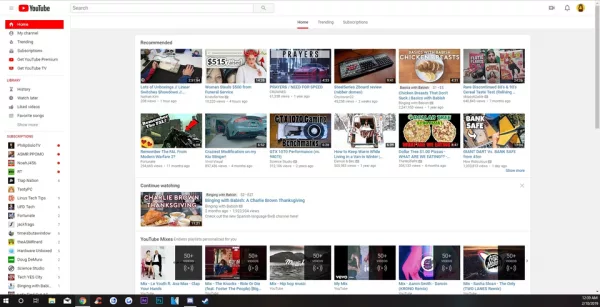
YouTube is a website where people can upload, view, and share videos. It was founded in 2005 and is now the largest video-sharing website in the world. YouTube allows users to upload videos of any length and file type.
YouTube also offers a variety of user-created channels, which provide viewers with a curated selection of videos on specific topics. In addition to traditional video content, YouTube also hosts live streams and user-generated shows.
YouTube is available on all major platforms, including desktop, mobile, and smart TV. YouTube is a subsidiary of Google.
Headquarters: San Bruno, California
Launched: 2005
Founders: Jawed Karim, Steve Chen, Chad Hurley
Monthly Active Users: 2 billion
Revenue: $19.8 billion
3. Whatsapp
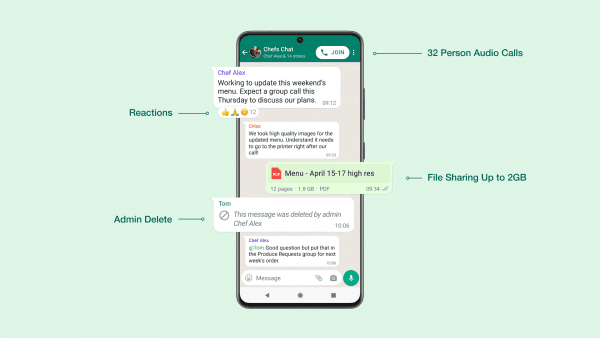
It is a messaging app that Facebook now owns. It is used in more than 180 countries around the world. Whatsapp is making a platform for businesses that will let them set up a business profile, help customers, and keep customers up to date about their purchases.
Headquarters: Menlo Park, California
Launched: 2009
Founders: Brian Acton, Jan Koum
Monthly Active Users: 2 billion
Revenue: $5 billion
4. Instagram
It is a social media site that is owned by Facebook and has a lot of pictures. It lets you share stories, pictures, reels, and videos, as well as like and comment on them. You can also make an Instagram account in the name of your brand and post every day about your product. This can also help your brand get noticed and make money.
Headquarters: Menlo Park, CA
Launched: 2010
Founders: Kevin Systrom, Mike Krieger
Monthly Active Users: 1.16 billion
Revenue: $6.8 billion
Also Read: How To Gain Real Instagram Followers
5. TikTok

It is a social media site where people can make short videos with music in the background. You can add stickers, filters, and augmented reality to your videos in a number of ways. Since it came out late in 2016, it has gained a lot of attention in a short time. In the first three months of 2018, more people used it than any other app.
Headquarters: Culver City, California
Founders: ByteDance Ltd, Zhang Yiming, Toutiao
Monthly Active Users: 689 million
Revenue: $35 billion
6. Snapchat

It is a social media site where people can talk to each other through short video clips instead of sending text messages. The good thing is that your uploaded videos or stories disappear after 24 hours. They also have a lot of features, like the ability to swap faces with friends, play games, and give your face a new look.
Headquarters: Los Angeles, CA
Launched: 2011
Founders: Evan Spiegel, Bobby Murphy, Daniel Smith, David Kravitz, Leo Noah Katz
Monthly Active Users: 433 million
Revenue: $911 million
7. Reddit
It is also said that this is the most important page on the internet.
This is a social media site where people can talk to each other, post questions, images, and links, and talk about them.
They can also vote for the things they like or don’t like. Depending on how people vote, the content will move up or down.
Headquarters: San Francisco, CA
Launched: 2005
Founders: Steve Huffman, Alexis Ohanian, Aaron Swartz
Monthly Active Users: 430 million
Revenue: $212.5 million
8. Pinterest
It is a visual search engine where you can find ideas for recipes, the latest fashion trends and designs, workouts, inspiration for your home and style, and a lot more.
Pinterest is a well-known social bookmarking site where people can look for creative ideas and save them. You can also say that anything with lots of pictures can be posted on Pinterest.
Headquarters: San Francisco, CA
Launched: 2010
Founders: Ben Silbermann, Paul Sciarra, Evan Sharp
Monthly Active Users: 416 million
Revenue: $1,693 million
9. Twitter
You’d be surprised to learn that about 500 million tweets are sent every day on Twitter. It’s a popular social media site that’s different from most others because it puts a big focus on real-time information. It’s also a good place to talk to people. For example, you can join chats with people in your industry or answer questions from customers who need help with customer service.
Headquarters: San Francisco, CA
Launched: 2006
Founders: Jack Dorsey, Evan Williams, Biz Stone, Noah Glass
Monthly Active Users: 353 million
Revenue: $3.72 billion
Also Read: What is Twitter’s $3 ‘Twitter Blue’ Subscription?
10. LinkedIn
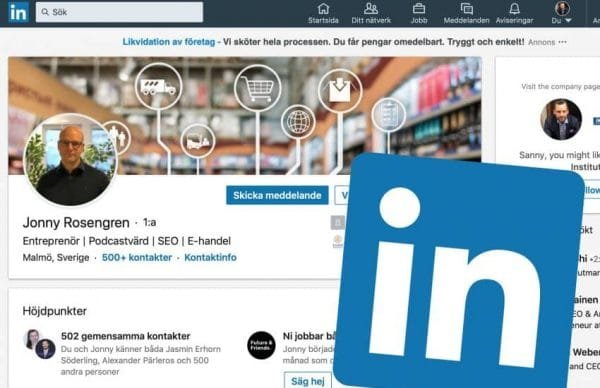
It is a popular social media site, especially for marketing between businesses. LinkedIn is no longer just a place to look for jobs. Now, industry experts can share content, network, and build their own personal brands on the site.
Headquarters: Sunnyvale, CA
Launched: 2003
Founders: Reid Hoffman, Konstantin Guericke, Allen Blue, Jean-Luc Vaillant, Eric Ly
Monthly Active Users: 310 million
Revenue: $8.05 billion
Also Read: 10 Tips to Boost Your LinkedIn Presence
11. Messenger
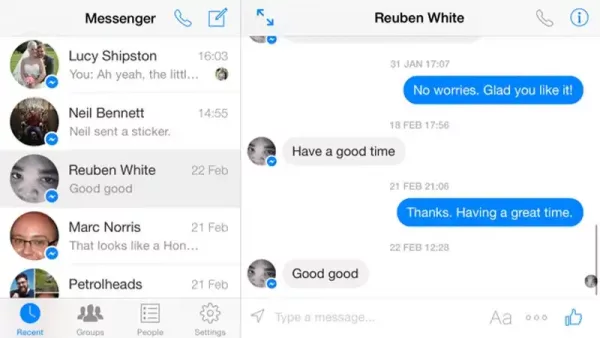
Facebook owns Facebook Messenger, which is a messaging app that works a lot like Whatsapp. Messenger is a part of Facebook’s main service in every way, but since 2011, Facebook has made it its own app and added more features. Messenger users don’t have end-to-end encryption, but since it has a lot of users, it can be a good way for businesses to reach a lot of people.
Launched: 2011
Founder: Pavel Durov
Monthly Active Users: 1.3 Billion
Revenue: $13 million
Also Read: Facebook disables some Messenger and Instagram features in European countries
12. WeChat

This social media site might not be very popular, but it is a useful platform. This is a type of Chinese media that is mostly used for sending messages. So, you can use WeChat to market your business if you want to grow it internationally. WeChat has added more features recently, and now you can use it to make calls, shop online, pay offline, send money, make reservations, book taxis, etc.
Headquarters: Shenzhen, Guangdong, China
Launched: 2011
Founder: Allen Zhang
Monthly Active Users: 1.06 Billion
Revenue: $50 million
13. QQ
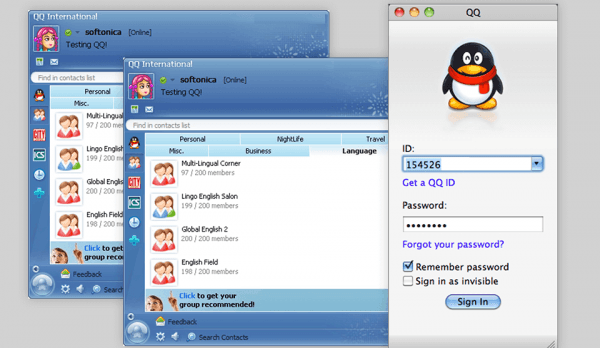
It is a site for instant messaging and is one of the most popular social media sites. It is a very popular website in China, and people use it in 80 countries because it is available in many languages. Text messages, voice calls, and video calls are some of the unusual things it can do. It also has a language translator built in to help you talk to people who speak different languages.
Headquarters: Guangdong, China
Launched: 1999
Founder: Ma Huateng
Monthly Active Users: 861 Billion
Revenue: $74 Billion
14. Qzone
This is one of the most popular Chinese social media sites. Qzone has QQ, just like Facebook has Messenger. You’d be surprised to learn that QQ has 300 more users than Qzone. This is a big sign that social media sites for messaging are taking over the old social media sites.
Headquarters: China
Launched: 2005
Founder: Tencent
Monthly Active Users: 532 Million
Revenue: $324 Million
Also Read: Facebook Ad Mistakes You Should Avoid
15. Tumblr
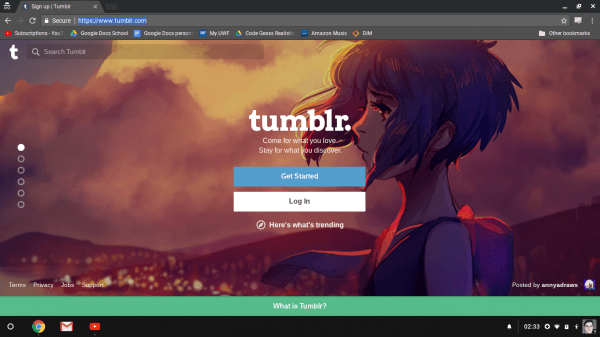
It is a microblogging and social networking site where you can send text, share pictures, videos, links, and much more. The cool thing about this website is that you can also join groups and talk about culture to get new ideas. You can also find and follow things you like, and it gives you the freedom to change anything you want.
Headquarters: New York City
Launched: 2007
Founder: David Karp
Monthly Active Users: 642 Million
Revenue: $65 Million
16. Sina Weibo
Sina Weibo is a microblogging and social networking site for Chinese people. It is popular because it has features from both Facebook and Twitter. It is also called “Chinese Twitter,” and it is quickly becoming one of the most popular social networking sites in the world. So, if you want to grow your business in China, this website is the best place to market on social media.
Headquarters: Beijing, China
Launched: 2009
Founder: Sina Corp
Monthly Active Users: 392 Million
Revenue: $465.7 Million
17. Flickr
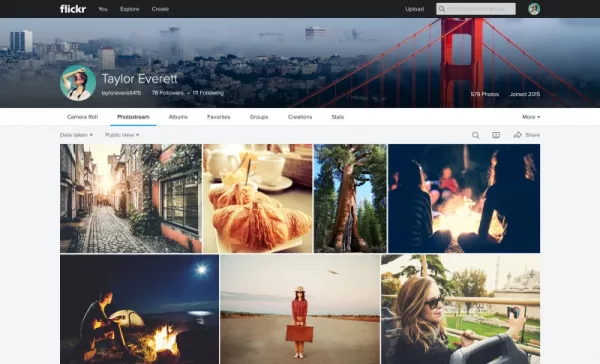
This is another well-known social media site where videos and photos can be shared. Most of the people who use this website are photographers and graphic designers. It has become so popular because people can share original, high-quality photos on the site. They also have a feature that lets you join a group and connect with other people.
Headquarters: San Francisco
Launched: 2004
Founders: Stewart Butterfield and Caterina Fake
Monthly Active Users: 90 Million
Revenue: $150 Million
18. Baidu Tieba
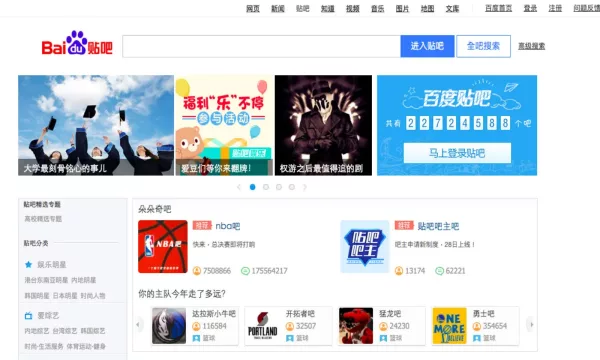
It is the biggest Chinese search engine in the world, and it is a Chinese online forum. It is based on what people searched for on Baidu. This platform is like Reddit in that users can build a social network around a certain topic or join an existing group and start a debate forum.
Headquarters: Beijing, China
Launched: 2003
Founder: Robin Li
Monthly Active Users: 300 Million
Revenue: $16 Billion
19. Viber
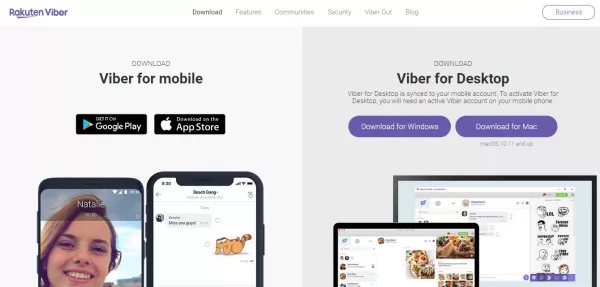
Like WhatsApp and Messenger, it is one of the most popular social media sites. With this app, you can send messages and media, make calls, send GIFs and stickers, and do a lot more. The best thing about stickers for a business is that you can buy ads, get your community involved, and spread the word about your brand.
Headquarter: Luxembourg
Launched: 2014
Founder: Talmon Marco’s
Monthly Active Users: 260 Million
20. Line

It is well-known as Japan’s messaging app. It is a social media app that can be used for many different things. You can use it to send messages and videos, play games, share stickers, shop online, book taxis, and even pay for things. It’s a great website for marketing because you can make branded accounts to interact with customers and let them know about new offers and discounts.
Headquarter: Tokyo, Japan
Launched: 2012
Founder: Naver Corporation
Monthly Active Users: 203 Million
Revenue: 167 Million
Also Read: Social Media Basics For Beginners
21. Telegram
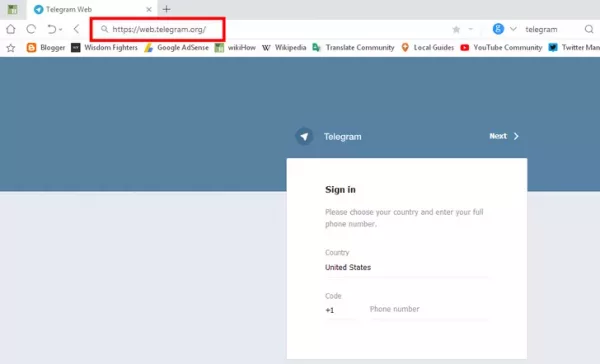
Telegram is a social media platform with a unique twist.
Unlike other social media platforms, Telegram is designed to be completely secure and private.
That means that all of your conversations are encrypted and can only be accessed by people who have the encryption key.
Telegram also offers a variety of features that are designed to make it more convenient and efficient than other platforms.
For example, you can set up group chats with up to 200 people, and you can also access Telegram from any device, including your computer, phone, and tablet.
In addition, Telegram is completely free to use and does not sell advertising space like other social media platforms.
As a result, Telegram provides a unique and convenient experience for users who value privacy and security.
Headquarter: London, United Kingdom (legal domicile)
Dubai, UAE (Operational center)
Launched: 2013
Founders: Nikolai Durov and Pavel Durov
Monthly Active Users: 200 Million
Revenue: $3.72 Billion
22. Medium

Medium is a social media platform that allows users to share their stories and ideas with the world.
Founded in 2012, Medium has become a go-to site for writers and thinkers of all stripes, providing a platform for some of the most thought-provoking and insightful writing on the internet.
Unlike other social media sites, which tend to emphasize short, bite-sized content, Medium is all about quality over quantity.
As a result, it has become a breeding ground for long-form thinking and in-depth analysis.
For anyone looking for an intelligent take on the day’s news or a thoughtful exploration of a complex issue, Medium is definitely worth checking out.
Headquarter: San Francisco
Launched: 2012
Founder: Ev Williams
Monthly Active Users: 60 Million
23. Douyin
For those not in the know, Douyin is a social media app that is taking China – and the rest of the world – by storm.
The app allows users to create short videos of themselves lip-syncing or dancing to popular songs. But Douyin is more than just a platform for teenage girls to show off their moves.
The app has also become a powerful marketing tool, with businesses of all sizes using it to reach a wider audience.
Thanks to its engaging format and large user base, Douyin offers businesses an unparalleled opportunity to connect with potential customers.
As Douyin continues to grow in popularity, it is sure to revolutionize the way businesses market their products and services.
Headquarters: Beijing, China
Launched: 2016
Founders: Zhang Yiming and Liang Rubo
Monthly Active Users: 550 Million
Revenue: $30 Billion
24. Quora

Quora is a social media site where people can ask and answer questions on a variety of topics.
The site is divided into categories, and users can follow specific topics to receive updates when new questions are asked.
Users can also upvote or downvote questions and answers, which helps to ensure that the most popular content is displayed first.
In addition, Quora allows users to ask anonymous questions, which can be helpful for sensitive topics.
Overall, Quora is a valuable resource for both asking and answering questions on a wide range of topics.
Headquarters: California, United States
Launched: 2010
Founders: Adam D’Angelo
Monthly Active Users: 190 million
Revenue: $8 million
25. Douban
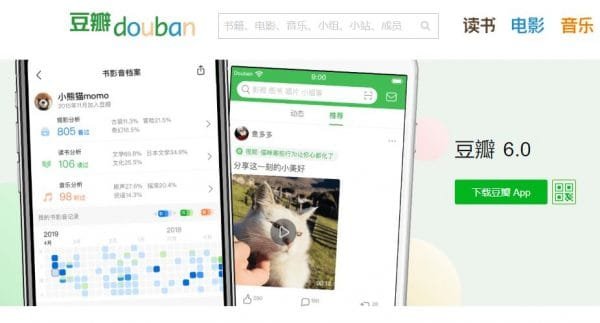
Douban is a Chinese social media site that was launched in 2005.
The site is similar to other social media sites like Facebook and Instagram, but it has a focus on entertainment and culture.
Douban has over 300 million registered users, and it is one of the most popular websites in China.
The site is also available in English, making it accessible to a global audience. Douban offers a variety of features, including a social network, a forum, and a blog platform. Users can connect with friends, follow celebrities, and join interest-based communities.
The site also has a unique rating system that allows users to rate movies, music, books, and other products.
This system provides valuable insights into popular culture trends in China. Douban is an essential tool for understanding contemporary Chinese culture.
Headquarters: Beijing, China
Launched: 2005
Founder: Ah Bei
Monthly Active Users: 300 million
Revenue: $74 billion
Also Read: 8 Social Media Engagement Hacks to Boost Your Business
26. Discord
Social media has become an integral part of our lives, allowing us to connect with friends and family all over the world.
However, not all social media platforms are created equal.
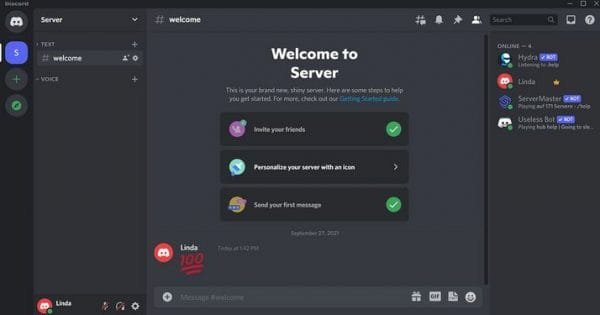
While some sites are designed for general users, others cater to specific interests. Discord is one such platform, offering a unique experience for gamers and developers alike.
Discord allows gamers to connect with one another and discuss strategies, find new friends to play with, and even stream their gameplay.
Developers can use Discord to collaborate on projects, share code snippets, and provide support for customers.
In short, Discord is a versatile platform that can be used for both gaming and development.
Whether you’re looking for a place to chat with friends or collaborate on a project, Discord is worth checking out.
Headquarters: San Francisco
Launched: 2015
Founder: Stanislav Vishnevskiy
Monthly Active Users: 250 million
Revenue: $130 million
27. Foursquare
SoundCloud is a social media platform for music lovers.
With over 175 million tracks and counting, it’s one of the largest music streaming services in the world.
Unlike other streaming services, SoundCloud is also a great way to connect with other music fans and discover new artists.
You can follow your favorite artists and listen to their latest tracks, or explore the endless sea of new music uploaded by other users.
Plus, with features like comments and likes, you can engage with the community and give feedback on what you’re listening to.
Whether you’re a casual listener or a die-hard music fan, SoundCloud is a great place to connect with others who share your passion for music.
Headquarters: New York, United States
Launched: 2009
Founder: Aimee Elizabeth Semple McPherson
Monthly Active Users: 50 million
Revenue: $150 million
28. Sound Cloud
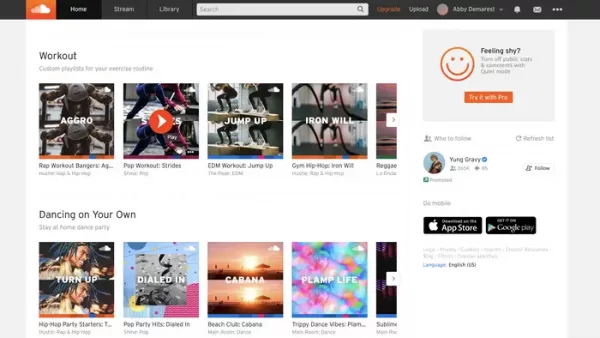
SoundCloud is a social media platform for music lovers.
With over 175 million tracks and counting, it’s one of the largest music streaming services in the world.
Unlike other streaming services, SoundCloud is also a great way to connect with other music fans and discover new artists. You can follow your favorite artists and listen to their latest tracks, or explore the endless sea of new music uploaded by other users.
Plus, with features like comments and likes, you can engage with the community and give feedback on what you’re listening to.
Whether you’re a casual listener or a die-hard music fan, SoundCloud is a great place to connect with others who share your passion for music.
Headquarters: Berlin, Germany
Launched: 2008
Founders: Alexander Ljung and Eric Wahlforss
Monthly Active Users:76 million
Revenue: $552 million
29. Badoo
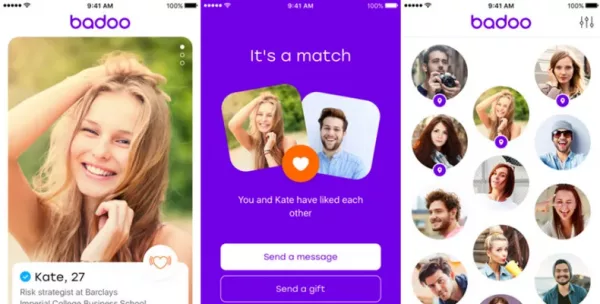
Badoo is a social media platform that allows users to connect with people nearby for dating, job hunting, or making new friends.
The app is available in over 180 countries and has been downloaded more than 470 million times.
Although it is most popular in Europe and Latin America, Badoo is also used extensively in Asia, Africa, and the Middle East.
In addition to its flagship app, Badoo also offers a website and a standalone messaging app.
The company has been profitable since 2009 and was valued at $3 billion in 2018.
Badoo has faced criticism for its lax approach to moderating content, but it continues to be one of the most popular social networking platforms in the world.
Headquarters: London, United Kingdom
Launched: 2006
Founder: Andrey Andreev
Monthly Active Users: 45 million
Revenue: $205 million
30. Mix

The Mix app is a great way to explore new topics and find content that you enjoy.
The app uses a learning algorithm to show you more content that you are interested in, and it is constantly updated with new information. You can also save articles and videos to view later, and the app will keep track of your progress.
Mix is a great way to stay informed on a variety of topics, and it is always free to use.
Headquarters: Tre Torri, Italy
Launched: 2016
Founders: Matthew Salsamendi James Boehm
Monthly Active Users: 2.2 million
Also Read: How to create quality content for social media
31. Next Door

Next Door is a social media platform designed for building community.
It is a place where neighbors can connect with each other, share information, and find resources. Next Door also provides a way for neighbors to stay informed about what is happening in their community.
For example, if there is a crime wave or a natural disaster, neighbors can use Next Door to share information and help each other stay safe. In addition, Next Door can be used to find local businesses and services.
By connecting neighbors with each other, Next Door helps to build strong communities.
Headquarters: San Francisco
Launched: 2010
Founder: Nirav Tolia
onthly Active Users: 27 million
Revenue: $2.1 billion
32. Deviantart
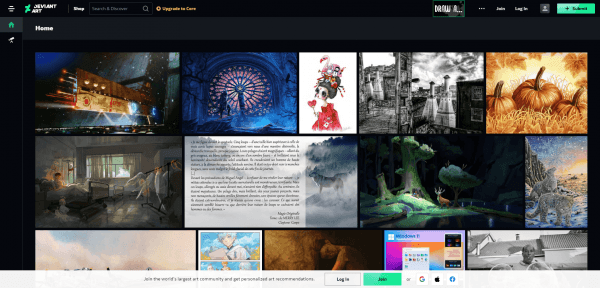
DeviantArt is a social media platform where artists can share their work with the world.
It’s a great place to find inspiration, get feedback on your work, and connect with other artists. There are millions of pieces of art on DeviantArt, ranging from traditional paintings and drawings to digital art and photography.
You can also find a wide variety of articles and tutorials on the site, covering topics like art history, technique, and inspiration.
Whether you’re a seasoned artist or just starting out, DeviantArt is a great place to explore the world of art.
Headquarters: Los Angeles, California, United States
Launched: 2000
Founders: Scott Jarkoff; Matthew Stephens and Angelo Sotira
Monthly Active Users: 45 million
33. Meetup
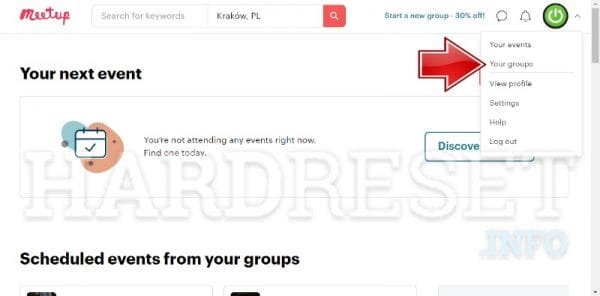
Meetup is a social media platform that enables people with similar interests to connect and meet up in person.
Although it is commonly used to find groups to join for activities like hiking or biking, it can also be used to find people with similar interests for more social activities like going out to eat or seeing a movie.
One of the main benefits of Meetup is that it helps you connect with people in your area who share your interests, making it easy to find friends and potential activity partners.
Another benefit is that it gives you the ability to attend events that are being hosted by others, which can be a great way to try new things and meet new people.
Overall, Meetup is a great platform for connecting with like-minded people in your area and expanding your social circle.
Headquarters: New York, United States
Launched: 2002
Founder: Scott Heiferman
Monthly Active Users: 35 million
Revenue: $9.5 million
34. VK
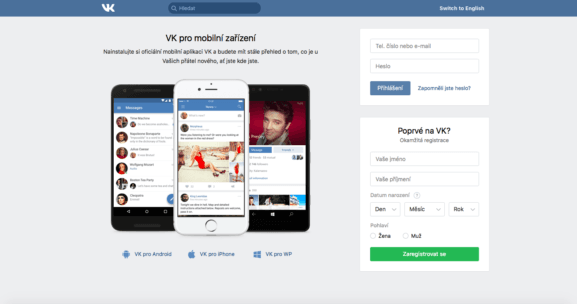
Launched in 2006, Vkontakte is the largest social network in Russia and one of the most popular websites in the country. With over 100 million monthly active users, it is also one of the most popular social networks in Europe.
Vkontakte (VK) is similar to Facebook in many ways, but it also has some unique features that make it stand out. For example, VK allows users to create groups and events, as well as share photos, videos, and music.
It also has a built-in messaging system and a huge selection of 3rd party apps. In recent years, VK has been increasingly popular with Western brands and celebrities looking to reach a Russian audience.
Due to its popularity and reach, VK is an important platform for marketing in Russia.
Headquarters: Saint Petersburg, Russia
Launched: 2006
Founder: Pavel Valerievich Durov
Monthly Active Users: 80 million
35. Kwai</h3>
 ight=”342″ />
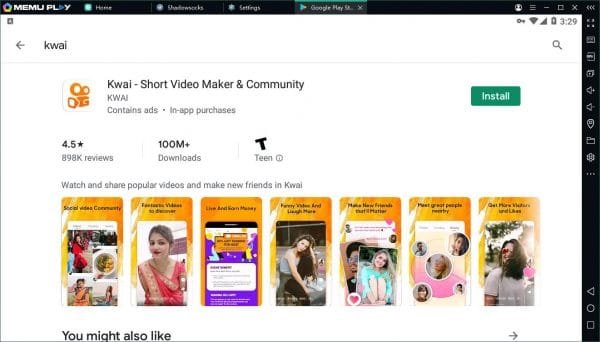
Kwai is a social media platform that allows users to create and share short video cli</p>
ps. Kwai is particularly popular in Asia, and it has been downloaded more than 100 million times on Googl
e Play.
Kwai offers a variety of features that allow users to edit and style their video clips, as well as add music and effec
ts. Kwai also has a number of social features, such as the ability to follow other users and browse popular videos.
In recent months, Kwai has been increasingly used by brands and businesses as a way to reach out to potential customers. For example, Coca-Cola has used Kwai to run promotional campaigns in China.
Given its growing popularity, it is likely that we will see more businesses using Kwai in the future.
Headquarters: Beijing, China
Launched: 2011
Founders: Su Hua and Cheng Yixiao
Monthly Active Users: 519.8 million
Revenue: $7.2 billion
Also Read: 20 Places You Should Be Sharing Your Content
36. Clubhouse
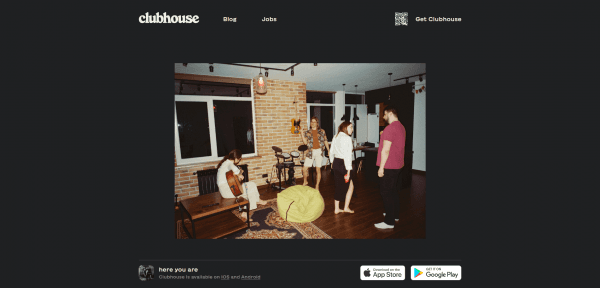
It’s a new app for social media, but it’s growing very quickly. This app is a live audio chat that you can drop in and out of. People really like this app, and because it’s new and has fewer ads than other apps, it’s a great place to put ads.
Headquarters: New York, United States
Launched: 2020
Founders: Rohan Seth
Monthly Active Users: 40 million
Revenue: $1 billion
37. Hootsuite

Most businesses market their brand on more than one social media site. This platform would let you create messages, schedule them, and send them to all the major social networks from one dashboard. This can help you save a lot of time and make less work for you.
Headquarters: Vancouver, Canada
Launched: 2008
Founders: Ryan Holmes, David Tedman, and Dario Meli
Revenue: $405.3 million
38. Vimeo
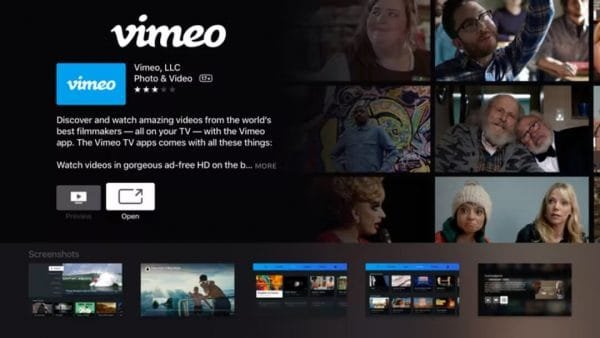
It is a well-known social media site for sharing videos. Even though it’s not as popular as YouTube, it has great features that make it great for videographers and people who want to share movies.
Headquarters: New York, United States
Launched: 2004
Founders: Jake Lodwick and Zach Klein
Monthly Active Users: 170 million
Revenue: $150 million
39. BizSugar
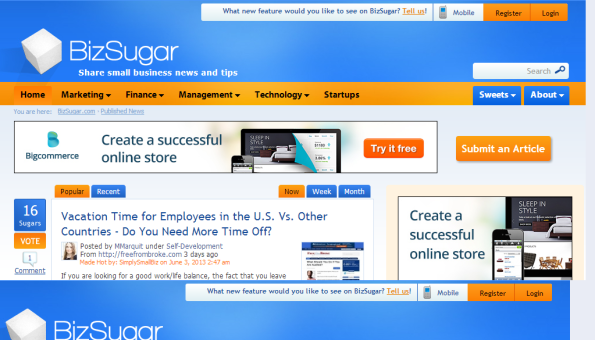
This social media site is especially for entrepreneurs, small business owners, and managers. Users can share articles, videos, podcasts, posts, and more on this platform. It is a nice website for sharing resources, marketing to a B2B business, and learning more.
Headquarters: Great Lakes, Midwestern US
Launched:2007
Founders: Anita Campbell
Monthly Active Users: 2 million
40. Digg
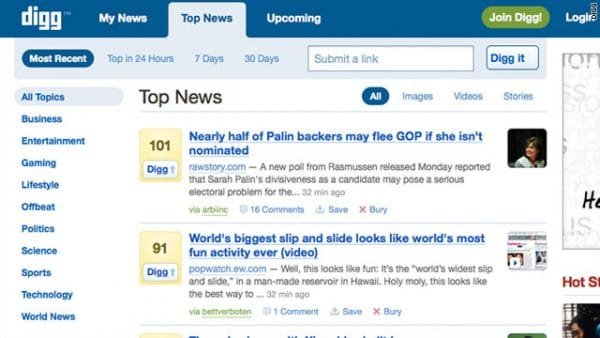
It is a curated list of news stories with a front page. The news stories could be about politics, science, new discoveries, and other things. Many changes have been made to this site to make it better for its users.
Headquarters: New York, United States
Launched: 2004
Founders: Kevin Rose and Jay Adelson
Monthly Active Users: 8 million
Revenue: $8.5 million
Also Read: 5 Audience Engagement Tips to Boost Your Social Media Marketing
41. Skype
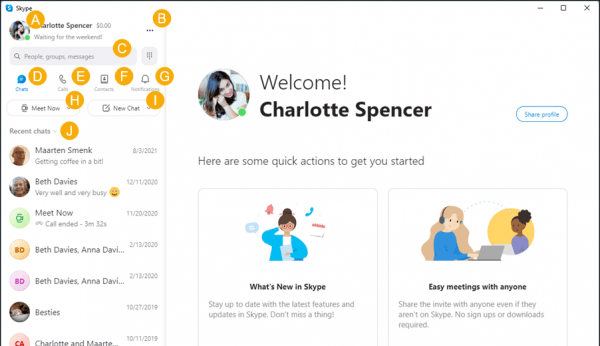
You must have heard of Skype. It is one of the most well-known top social media sites for communication. People use it to make conference calls and send instant messages. You can also share videos, pictures, and audio files.
Headquarters: Palo Alto, California, United States
Launched: 2003
Founders: Janus Friis and Niklas Zennström
Monthly Active Users: 300 million
42. YY
In China, people use this video-based platform, which lets them do group video chats. You would be surprised to learn that more than a million people can watch a single person make a video tutorial, sing karaoke, or do anything else. The more views a video gets, the more money the person can make.
Headquarters: Guangzhou, China
Launched: 2014
Founders: David Li
Monthly Active Users: 90.4 million
Revenue: $2028 million
43. Taringa
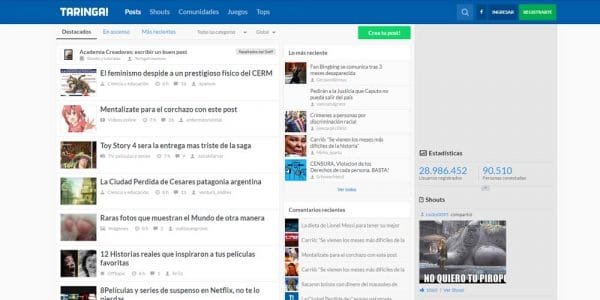
It is a popular social networking site in Latin America where people can share any kind of content, their experiences, opinions, and much more. Its popularity is growing very quickly because it is easy to use and has a lot of great features.
Headquarters: Buenos Aires, Argentina
Launched: 2004
Founders: Alberto Nakayama, Hernan Botbol and Matias Botbol
Monthly Active Users: 75 million
44. Renren
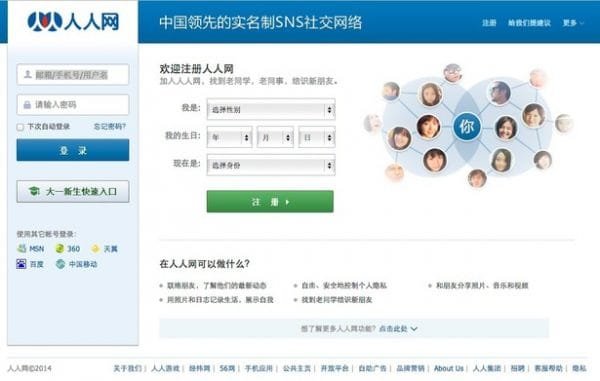
This social media site is a place where everyone in China can talk to each other. It is a lot like Facebook and is very popular among young people.
Headquarters: Chaoyang, Beijing, China
Launched: 2005
Founders: Wang Xing, Wang Huiwen, and Lai Binqiang
Monthly Active Users: 30 million
Revenue: $41.2 million
45. Triller
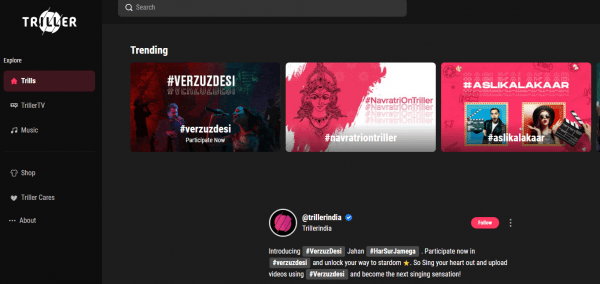
It is an AI-driven music video app that lets users make videos that look like they were made by professionals in just a few minutes. It has similar features to Tiktop, where you can lipsync videos and share them with your friends or followers.
Headquarters: New York, United States
Launched: 2015
Founders: David Leiberman
Monthly Active Users: 65 million
Revenue: $250 million
Also Read: How Social Media Quickly Helps You Improve Customer Service?
46. Tagged

This social media site is all about meeting new people and making new friends. You can also hang out with your friends or other people by playing games, talking about things you have in common, looking at profiles, etc.
Headquarters: San Francisco
Launched: 2004
Founders: Greg Tseng and Johann Schleier-Smith
Monthly Active Users: 25 million
47. Academia
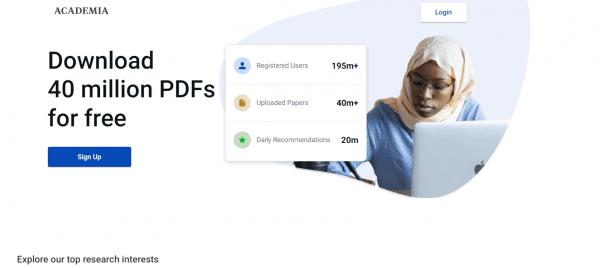
As the name suggests, researchers and academics can share their academic research on this platform. At first, it was free to sign up for this site, but now you have to pay to talk to authors and read about their research.
Headquarters: San Francisco
Launched: 2008
Founders: Richard Price
Monthly Active Users: 129 million
Revenue: $123 million
This social networking site is music-based and offers an interactive plus user-submitted of friends. It was pretty famous a decade ago, but its usage declined immensely with the advent of Facebook and Twitter.
48. Myspace
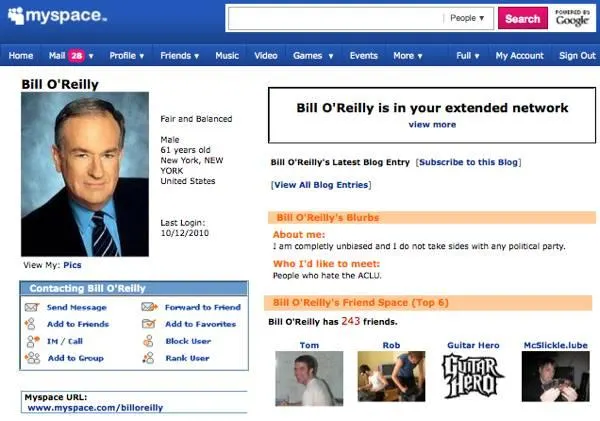
This social networking site is all about music and has a user-submitted list of friends that you can interact with. Ten years ago, it was pretty popular, but since Facebook and Twitter came along, a lot of people stopped using it.
Headquarters: California, United States
Launched: 2003
Founders: Tom Anderson, Jon Hart, and Chris DeWolfe
Monthly Active Users: 20 million
Revenue: $10.9 million
49. Periscope
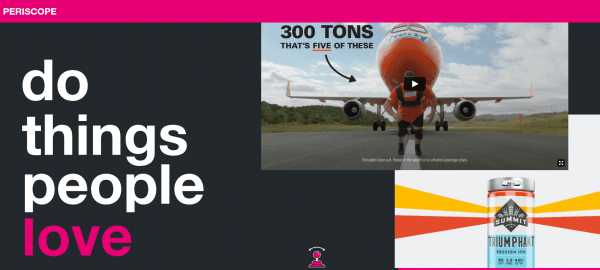
Periscope is a live streaming app that allows people to see the world through the eyes of other people. More than 350,000 hours of videos are streamed on Periscope every day, giving users a unique perspective on events as they unfold. Whether it’s a natural disaster, a political rally, or a sporting event, Periscope provides a front-row seat for anyone with an internet connection. The app also lets users interact with each other in real-time, making it an invaluable tool for news gathering and citizen journalism. In a world that is increasingly connected, Periscope is helping to create a global community of people who can share their experiences and perspectives with each other.
Headquarters: Minneapolis, MN, US
Launched: 2014
Founders: Kayvon Beykpour
Registered Users: 10 million
50. The Dots
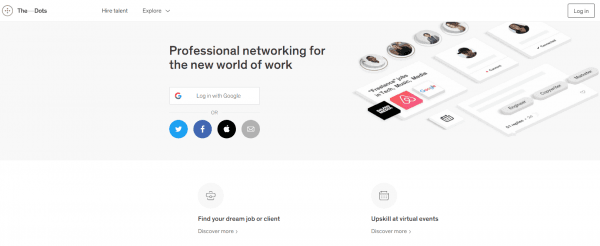
Dots is a social media platform that helps people who are involved in the creative process connect, work together, and sell their work. This makes the creative sector stronger, more profitable, and more varied. By making it easy for creatives to find collaborators and customers, Dots provides a much-needed service for an often-fragmented industry. And because Dots takes a cut of every transaction that takes place on its platform, it is able to generate revenue while also providing a valuable service. In this way, Dots is benefiting both creatives and businesses, making the world of art and creativity more open and accessible.
Launched: 2014
Founders: Pip Jamieson
About some more biggest social media sites for marketing:
Also Read: 5 Things That Make Your Social Media Presence Terrible and Less Effective
51. Valence
Valence is a social media platform that connects black professionals from all over the world. It was founded with the mission of celebrating and empowering the black professional community. Valence provides a space for users to connect with others who share the same passions and interests. The platform also highlights opportunities and resources that are available to black professionals. In addition, Valence is committed to amplifying the voices of black professionals and promoting diversity within the professional world. By using Valence, black professionals can connect with each other, access opportunities, and empower themselves and their community.
52. Kiwibox
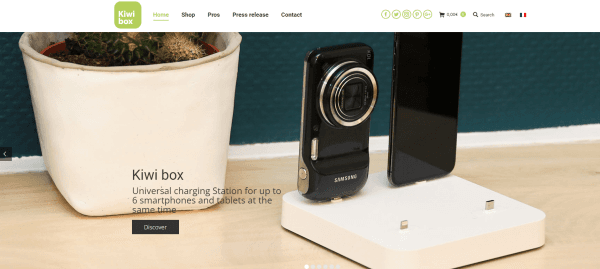
If you live in New York, chances are you’ve heard of Kiwibox. This social media platform is quickly becoming a popular destination for young people looking for fashion inspiration and tips. Kiwibox started out as an online fashion magazine but has since expanded to become a full-fledged social networking site. Users can create profiles, connect with friends, and share photos and articles. The Kiwibox community is also very active, making it easy to find advice and support on anything from style to relationships. Whether you’re looking for a new outfit or just want to stay up-to-date on the latest fashion trends, Kiwibox is the perfect place to start.
53. Untappd

Imagine an app that allows you to share pictures of the different beers you’ve tried, rate them, and even see what your friends are drinking. That app exists, and it’s called Untappd. This social media platform is perfect for beer lovers who want to share their experiences and find new beers to try. The app is designed to be user-friendly, and it’s filled with features that make it fun and engaging. You can rate beers on a scale of one to five stars, write reviews, add photos, and even check in to locations. If you’re looking for suggestions, you can ask the app to recommend similar beers based on your preferences. With Untappd, you can explore the world of beer one pint at a time.
54. Skyrock
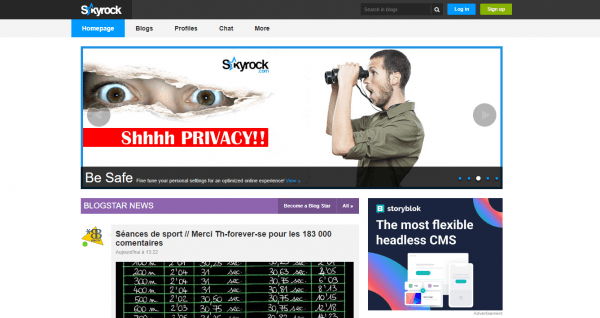
Skyrock is a social networking site that is mostly in French, but it is also available in English and five other languages. Here, you can make and post blogs, send and receive messages, and add profiles for free. The site was founded in 2002 by a French teenager, and it now has over 33 million registered users. Skyrock is especially popular among young people, as it allows them to express themselves freely and connect with others who share their interests. The site has come under fire for some of the content that is posted on it, but Skyrock remains a popular destination for those who want to connect with others online.
55. Alpha
The Alpha Social Media Platform is designed specifically for women who want to get ahead in their careers. Like LinkedIn, it provides users with access to jobs, career advice, and business opportunities. However, what sets the Alpha Social Media Platform apart is its focus on helping women succeed. In addition to job postings and career advice, the platform offers mentorship opportunities, networking events, and region-specific forums. This makes it an invaluable resource for women who are looking to take their careers to the next level. Whether you’re just starting out or you’re a seasoned professional, the Alpha Social Media Platform can help you achieve your goals.
56. Delicious
This website is a great place to bookmark pages that you find interesting or want to remember. You can add any keywords you want to the bookmarks, which makes it easy to find them later. The site also lets you share your bookmarks with other users, so you can find new and interesting pages to read. In addition, the site stores your bookmarks in a cloud-based system, so you can access them from any device. Overall, this website is a great tool for anyone who wants to save and share web bookmarks.
57. Yubo

Yubo is a new social media platform that is quickly gaining popularity among young people. The platform offers a unique take on online friendship, allowing users to add friends and then chat with them one-on-one or in groups. What sets Yubo apart from other social media platforms is its emphasis on safety. The platform has strict rules about what users can and cannot do, and it also offers a number of features to help protect users from harassment or other harm. For example, users can report any inappropriate behavior, and the platform also provides a way for parents to monitor their child’s activity. As more and more young people turn to the internet to interact with their peers, Yubo is quickly becoming the go-to platform for safe and friendly online communication.
58. Snapfish
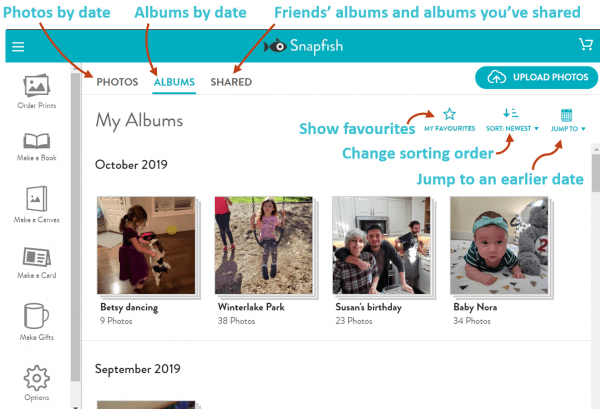
People love to take pictures and most people have access to a camera whether it is on their phone or a digital camera. However, where do you store all of these photos? If they are just taking up space on your hard drive, you may want to consider using Snapfish. Snapfish is a website that lets users store as many pictures as they want on the site. So, Snapfish is a good place for people with a lot of pictures to store them. In addition, Snapfish makes it easy to share your photos with others. You can create photo albums and share them with your friends and family. They can also leave comments on your photos. Snapfish is a great way to keep your photos safe and share them with your loved ones.
59. Peanut
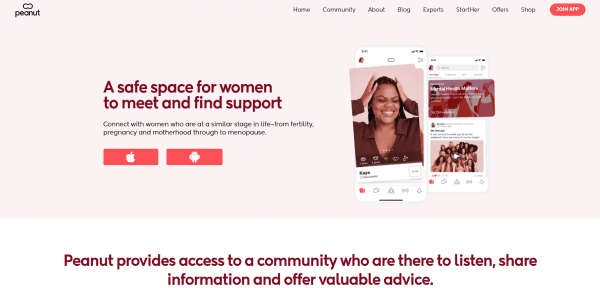
The Peanut social media platform is a great place for moms and people who want to become moms. It helps them connect with other like-minded individuals and provides valuable resources and information on all things parenting. From fertility to pregnancy to motherhood, there is a wealth of knowledge to be gleaned from the many forums and groups available on Peanut. Whether you’re looking for moral support, advice, or just someone to talk to who understands what you’re going through, you’re sure to find it on Peanut. So why not give it a try today? You just might be surprised at how helpful and informative it can be.
60. ReverbNation
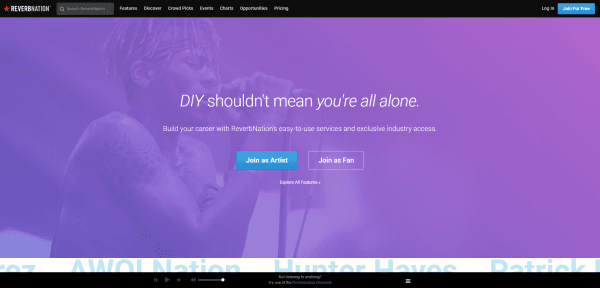
ReverbNation is a powerful social media platform that can be used by musicians to advance their careers. The site provides users with a variety of tools, including an artist management system, gig booking, and fan engagement features. In addition, ReverbNation also offers users the ability to connect with other people in the music business. This makes it an ideal platform for networking and building relationships with potential collaborators. For artists who are serious about taking their careers to the next level, ReverbNation is an essential tool.
61. Houseparty
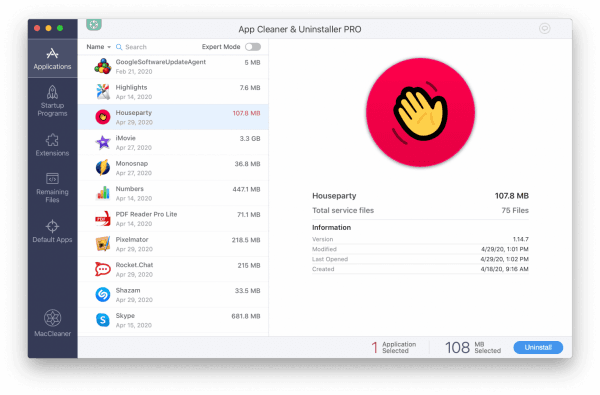
Houseparty is a social media platform that has quickly become popular in recent years. It allows users to talk to their friends and family in person via digital video chat rooms. Each room can hold up to eight people, and users can create as many rooms as they want. In addition to being a great way to stay in touch with loved ones, Houseparty is also perfect for group events and study sessions. For example, you can have a virtual book club meeting or use the app to study for an upcoming exam with classmates. With so many people spending more time at home these days, Houseparty provides a welcome opportunity for social interaction. Whether you use it to catch up with old friends or make new ones, Houseparty is sure to enrich your life.
62. Flixster
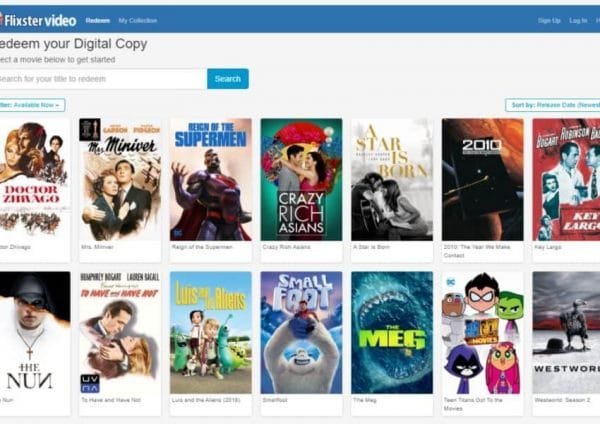
This is an American social networking site for people who like to watch movies and share reviews and ratings with other people who like the same things. Users of Flixster can find out about the newest movies and when they are coming out.
63. Caffeine
This website is pretty alike Periscope, where users can join as viewers or broadcasters. You can get access to live streamers of all types, such as sports, games, entertainment, etc., from all around the world. The best is that there are no ads plus you can use them without paying anything.
64. Care2
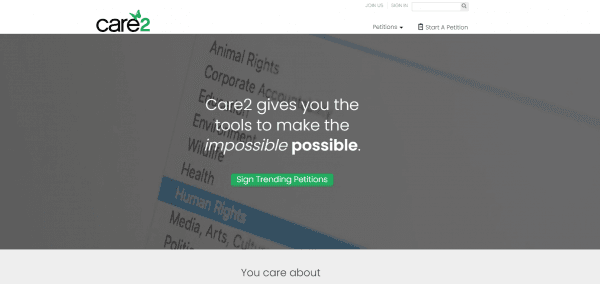
This is one of the social media sites with a unique idea: it connects activists all over the world with other activists, organisations, businesses, and people who want to make a difference in the world. They also encourage people to live in a way that is green and healthy.
65. Steemit
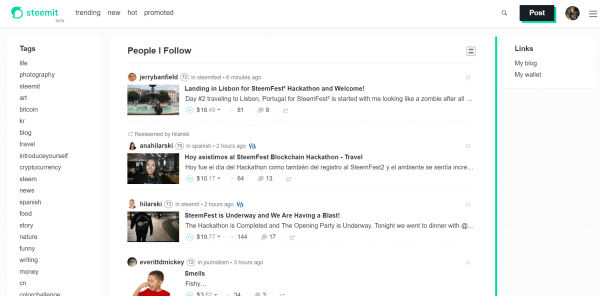
It is a blockchain-based platform where each post creates a hash and users are paid in STEEM cryptocurrency. On this platform, you can write posts about anything, and other users can comment or vote on them.
66. CafeMom
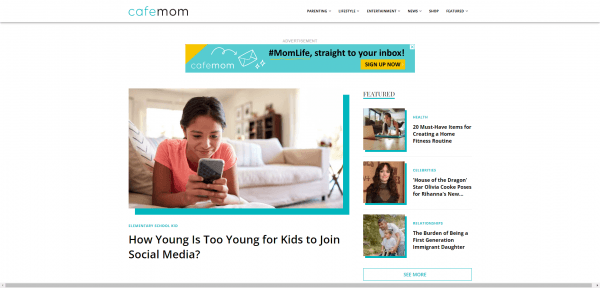
This platform has a really unique name, and a lot of people love it. This site is for moms and people who want to be moms. They can get help and advice on things like pregnancy, health, food, fashion, and more. They can also read about what other mothers have done and thought, which can teach them a lot.
67. 23snaps
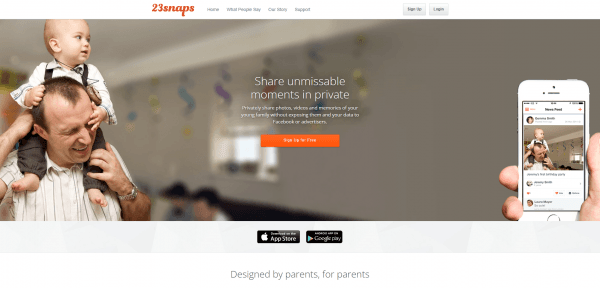
This app, which came out in 2012, is a private sharing app for parents. It gives them a safe way to record special moments. You can show your pictures to whoever you want and keep nosy people from seeing them.
68. Ravelry
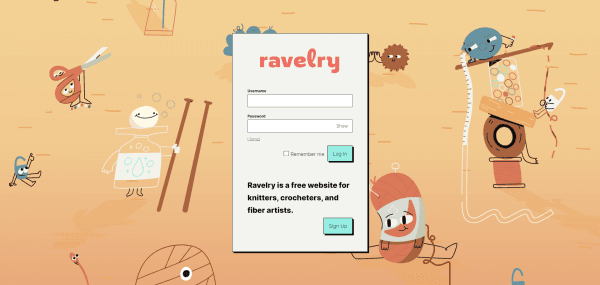
This social networking site was started by Jessica Forbes and Casey Forbes. It is a community-based site for people who are interested in fibre arts like knitting, weaving, spinning, and crocheting. These people can share their work, ideas, and experiences with each other and work together if they need to.
69. Likee

This app, which used to be called “Like,” was made by Jason Hu in 2017. It is an app that is based in Singapore and is like Tiktok. You can make short videos and add visual effects to them on this site.
70. Wayne
This app is a travel and lifestyle platform with its headquarters in London. It lets its users find out where to go and how to meet like-minded people to share experiences and learn more. It has a huge number of customers, and that number is growing every day.
71. 8tracks
It is a social networking and internet radio site that came out in 2008. It was made by David Porter and Remi Gabillet. With this app, users can make a playlist of at least 8 songs and share it or stream it.
72. Cellufun

It is a group of people who play games together. Cary Torkelson, Arthur Goikhman, and Stephen Dacek started it in 2005. This website is easy to get to from any smartphone. It lets you connect with other people, make avatars, play games, and buy virtual goods.
73. Amikumu
Amikumu is a cross-platform app that was made by Richard Delamore. It lets you find people nearby who speak or are learning a certain language. You’d be surprised to learn that this app is in more than 130 countries and supports more than 600 languages.
74. Upstream

This is one of the best sites for business people to use social media. You could also say it’s like LinkedIn. It was made by the same group of people who made SocialRank. The main reason this app was made was to give and get help through a professional network.
75. aNobii
aNobii is a social networking site that has been around since 2006. It is used in more than 20 countries, but it is particularly popular in Italy.
There are several reasons why Italians enjoy using aNobii. First of all, they like how the site looks.
It is well-designed and easy to navigate. In addition, aNobii offers a variety of features that make it enjoyable to use.
For example, users can create groups and join discussions, which makes it a great way to connect with like-minded people.
Lastly, Mondadori, one of the largest publishing companies in Italy, owns aNobii.
This means that users have access to a wealth of content from some of the biggest names in publishing.
Overall, it is no surprise that Italians love aNobii!
76. Classmates
Classmates is a great way to keep in touch with old and new friends from high school and college.
The app makes it easy to connect with people, and it also has a handy yearbook feature that lets you upload your high school yearbook.
This is a great way to stay connected with classmates and to catch up on what’s been going on in their lives.
Classmates is also a great way to find people who share your interests and to make new friends.
Whether you’re looking for someone to chat with about your shared passion for anime or you’re seeking advice from someone who’s been through the college admissions process, Classmates is a valuable resource.
With so much to offer, it’s no wonder that Classmates is such a popular app.
77. ASMALLWORLD

If you enjoy traveling, then you may have heard of ASMALLWORLD.
This social networking app was designed specifically for people who love to explore the world.
With over three million members in 190 countries, ASMALLWORLD provides a great way to connect with like-minded travelers.
Whether you’re looking for travel tips, advice on where to go next, or just want to meet new friends, ASMALLWORLD is a great resource.
There are different membership plans available, so you can choose the one that best fits your needs.
If you’re serious about meeting new people and seeing new places, then ASMALLWORLD is definitely worth checking out.
78. MyHeritage
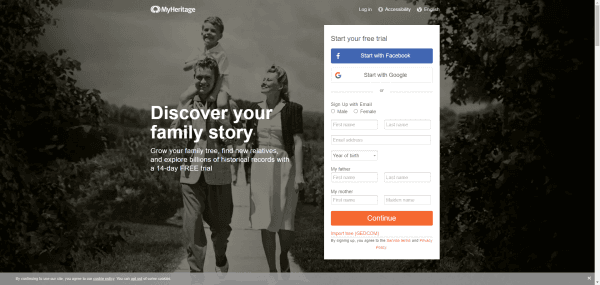
MyHeritage is an online social platform for genealogy that works in more than 42 languages.
It was founded in 2003, and it has kept its quality by being updated often.
Users can use this app to make a family tree, upload and search for family photos, and keep track of their family history.
MyHeritage has over 100 million users worldwide, making it one of the largest genealogy websites.
In 2012, MyHeritage launched its DNA test kit, which allows users to discover their ethnic origins and find new relatives.
MyHeritage is a valuable resource for anyone interested in learning about their family history.
79. Athlinks
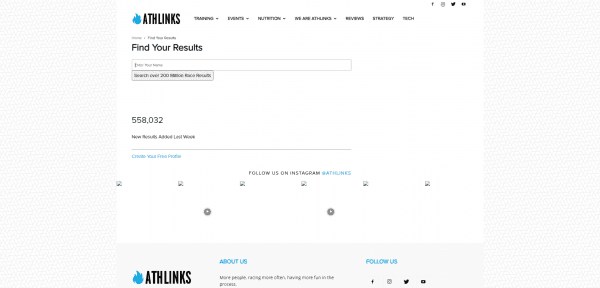
Athlinks is a great resource for athletes who are looking to improve their performance in competition. The website provides users with access to results from a variety of different sports, including adventure racing, swimming, running, and cycling. In addition, users can also connect with other athletes in order to discuss training methods and share tips for success. Best of all, the service is completely free to use. Whether you’re an experienced athlete or just starting out, Athlinks is an invaluable tool for anyone who wants to stay ahead of the competition.
80. Viadeo
Viadeo is a social media site that was launched in 2004 with the aim of helping business people connect. The site was founded by Thierry Lunati and Dan Serfaty, and initially designed for users in Europe. However, Viadeo is now available in a number of languages including German, Portuguese, and French. The site allows users to create profiles, share updates and contact information, and connect with other professionals in their field. Viadeo also offers a variety of features designed to help businesses promote themselves and find new customers, such as company pages and job postings. With over 65 million members worldwide, Viadeo is one of the largest social networking sites for professionals.
81. BAND

If you’re looking for a social networking site that’s all about group conversations, BAND is the place for you. With features that let users create their own space for discussion on any topic, BAND is perfect for anyone who wants to connect with others who share their interests. Whether you’re looking to talk about sports, entertainment, education, or research, you’ll be sure to find a group on BAND that’s right for you. So come on over and join the conversation!
82. Xing
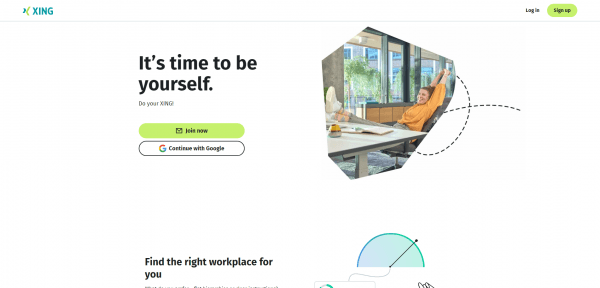
Xing is a professional social networking site that is similar to LinkedIn.
It was started in 2003 by Lars Hinrichs, and most of its users come from Austria, Germany, and Switzerland.
However, anyone can use the site. One thing that makes Xing unique is that it allows for private group discussions.
This feature makes it ideal for businesses that want to discuss sensitive topics without fear of outside eyes viewing the conversation.
In addition, Xing offers a number of other features that are beneficial for businesses, such as the ability to create a company profile and post job openings.
As a result, it is clear that Xing is a valuable tool for both businesses and individual professionals.
83. beBee
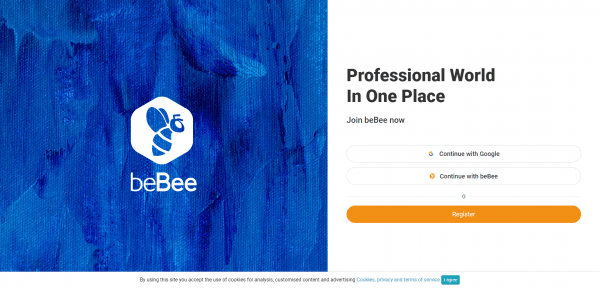
Since its launch in 2015, beBee has become an essential tool for professionals looking to market themselves to customers, vendors, the media, and potential employers.
Created by Javier Cámara, Rafael Garca, and Juan Imaz, beBee is a place where professionals can work together to create a buzz about their businesses.
The platform helps users connect with others in their industry, share content, and build their personal brands.
With over 3 million users worldwide, beBee is quickly becoming the go-to social media platform for business people.
Thanks to its innovative features and valuable networking opportunities, beBee is poised to change the way professionals connect and promote themselves.
84. LiveJournal

The LiveJournal app was created in 1999 by Brad Fitzpatrick in San Francisco.
In Russia, the app is known as Zhivoy Zhurnal or Zhe Zhe.
The app lets users keep a blog, journal, diary, or other types of record and set privacy settings for it.
The main benefit is that your information is always safe and no one can read it unless you give them permission to do so.
LiveJournal is a great way to keep track of your thoughts and experiences and to share them with only the people you want to share them with.
Whether you use it for personal or professional purposes, LiveJournal is a powerful tool for communication and self-expression.
85. Blind
As the world becomes ever more connected, businesses are increasingly turning to online platforms to facilitate communication and collaboration.
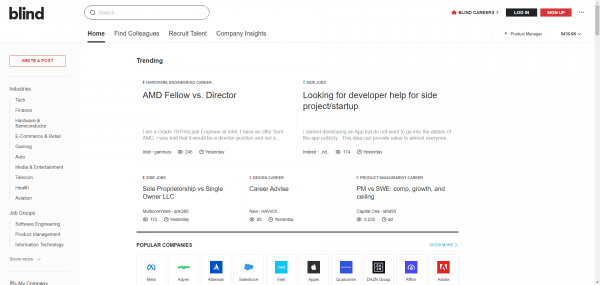
One such platform is Blind, a network that is designed specifically for professionals.
Only users with verified credentials are able to join, which helps to ensure that the conversation is always focused and} constructive.
In addition, Blind offers a wide range of features that allow users to interact in creative ways, such as sharing documents and giving feedback on projects.
With over 3.5 million users from all over the world, Blind has quickly become one of the most popular collaboration tools for businesses.
Thanks to its ability to bring people together from all corners of the globe, Blind is helping to change the way that businesses operate.
86. Funny or Die

It is a social website devoted to comedy.
It strives to curate the funniest videos from across the web, giving users a one-stop shop for all things funny.
In addition to featuring popular videos, the site also allows users to upload their own content.
This user-generated aspect is one of the things that makes Funny or Die so unique – it’s not just a platform for showcasing pre-existing content, but a space for creators to share their own work with the world.
The site has garnered an impressive following, counting celebrities like Selena Gomez, Will Ferrell, and Jeff Goldblum among its fans.
Thanks to its mix of original and user-generated content, Funny or Die has established itself as a premier destination for comedy lovers.
87. Diaspora
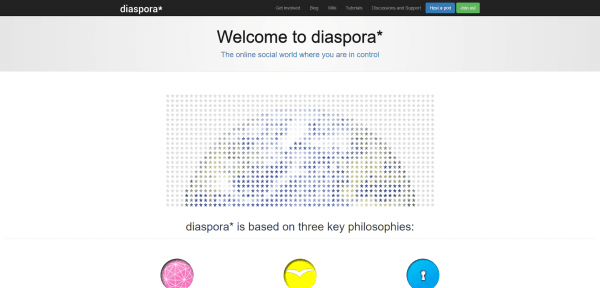
Diaspora is a user-owned, distributed social media network that offers an alternative to major platforms such as Facebook and Twitter.
The network is made up of pods that are owned by different people but work together to make the network.
This decentralized structure makes the network safe from advertising and takeovers because it is not owned by a single person or company.
The network provides users with greater privacy and control over their data, and it also offers features that are not available on other platforms, such as the ability to post content anonymously.
As a result, Diaspora provides an attractive option for those who are concerned about the increasing centralization of the social media landscape.
88. Gaia Online
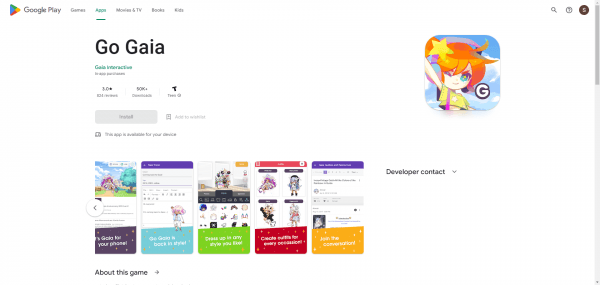
Gaia Online is one of the internet’s most popular social media and forum sites.
With an anime theme, it’s a great place for people to join conversations about their favorite topics.
In addition to giving users access to avatars, games, and a virtual world, Gaia Online also provides a place for people to meet new friends and talk about things they like.
Whether it’s discussing the latest news or gaming strategies, Gaia Online is a great platform for people to connect with others who share their interests.
With so much to offer, it’s no wonder that Gaia Online is one of the internet’s most popular social destinations.
89. Fark
In 1999, Drew Curtis founded a social media site that would come to revolutionize the way people consume news.
Fark.com presents users with a constantly updating feed of new articles and lets them vote on which ones should be featured on the site’s main page.
Only the 100 most popular stories make it onto the front page, ensuring that users are only seeing the cream of the crop.
In addition to voting on stories, users can also comment on the links that accompany each thread, providing a vital source of feedback for Curtis and his team.
As a result of its innovative approach, Fark.com has become one of the most popular social media sites on the web.
90. We Heart It
No matter what language you speak, pictures are worth a thousand words. And with We Heart It, you can share those pictures with friends from all over the world.
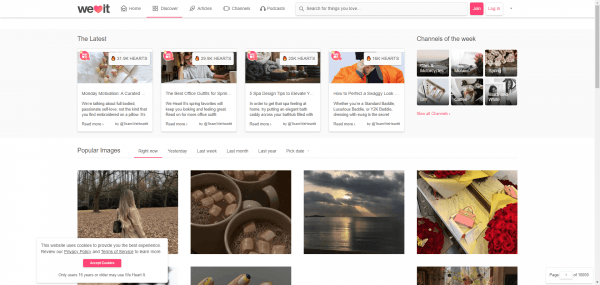
We Heart It is a social media site for sharing pictures that can be used in more than 20 languages.
With this app, users can search for and add the pictures they like best to a collection.
This app is great for getting your daily dose of motivation because you can look at and share pictures that are very inspiring with your friends.
Whether you need some inspiration for your next project or just want to brighten someone’s day, We Heart It is the perfect place to start.
91. MeWe
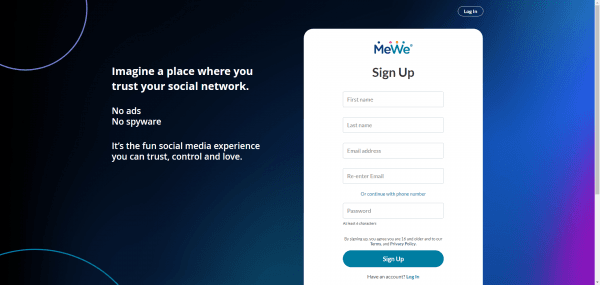
In the wake of the Cambridge Analytica scandal, it’s no wonder that people flock to social media sites that place a premium on security. Mewe is one such site that is quickly gaining popularity.
Unlike Facebook, which makes its money by selling user data, Mewe does not share or sell any user information.
As a result, users can rest assured that their information is safe and secure.
In addition, Mewe gives users full control over their newsfeeds and communications.
As a result, they can avoid the drama and negativity that often plagues other social media sites.
Whether you’re looking for a safe place to connect with friends or a platform to share your ideas, Mewe is definitely worth checking out.
92. Twitch

Justin Kan, Emmett Shear, Michael Seibel, Kyle Vogt, and Kevin Lin started Twitch in 2011.
It is a live streaming platform. The company was originally founded as Justin.tv, a 24-hour live streaming platform that launched in 2007.
In 2011, the company changed its focus to live gaming and rebranded as Twitch.tv.
Over the past decade, Twitch has become the leading live streaming platform for gamers around the world.
Millions of people tune in to watch gamers play games, chat with one another, and interact with their fans.
The company has also partnered with major game publishers and platforms to bring esports tournaments and events to Twitch audiences.
In recent years, Twitch has also expanded into other content categories such as music, art, and cooking.
Today, Twitch is one of the most popular websites in the world and has become an essential part of the gaming community.
93. CaringBridge

CaringBridge is a social media platform designed specifically for people going through a health journey.
Whether you’re facing surgery, dealing with a chronic illness, or caring for a loved one, CaringBridge can provide support and connection when you need it most.
The site is free to use and easy to set up, so you can start sharing your story with the people who matter most.
With CaringBridge, you can post updates and photos, receive messages of support, and even find helpful resources and information.
In short, CaringBridge is a great way to stay connected with your loved ones during a time of need.
If you’re facing a health journey, be sure to check out CaringBridge today.
94. Wattpad
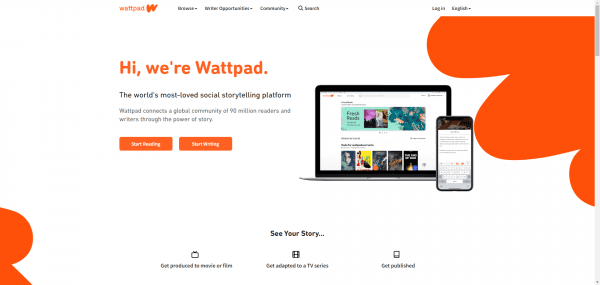
Wattpad is a social media platform that allows users to share stories and create communities around literature.
Launched in 2006, Wattpad has been praised for its ability to connect people from all over the world and foster a love of reading.
The platform also offers unique opportunities for writers to gain exposure and feedback from a large audience.
In recent years, Wattpad has become increasingly popular, with millions of users worldwide.
The company has also expanded beyond literature, with Wattpad launching new platforms for news and fashion.
Despite its impressive growth, Wattpad remains true to its roots as a community for readers and writers.
With its combination of social networking and literary content, Wattpad is a unique and inspiring platform.
95. Crunchyroll
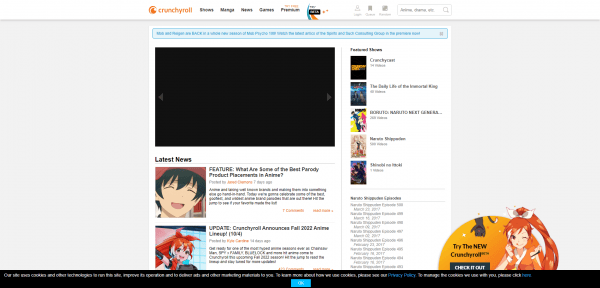
Crunchyroll is a social media platform that offers a wide variety of anime content.
With over 25,000 episodes and 12,000 hours of licensed content, Crunchyroll has something for every anime fan.
In addition to a large selection of anime titles, Crunchyroll also offers a variety of other content, including manga, drama, and music.
Crunchyroll is available on a variety of devices, including iPhone, iPad, Android, Windows, and Mac.
It is free to use with ads or can be upgraded to ad-free for $6.95/month.
Crunchyroll is a great social media platform for anime fans who want access to a large selection of anime content.
The ability to watch shows on a variety of devices and the low monthly price make Crunchyroll an affordable option for anime fans.
96. Bubbly
This app came out in 2005, and voice posts are at the heart of it. Users can make a 90-second voice post and tag it on this site. They can also add relevant images and filters to make it their own. They can send them to their friends or post them for everyone to see.
In today’s connected world, social media platforms like Bubbly Social provide a great way to stay in touch with friends and family.
With features like instant messaging, video calling, and group chats, it’s easy to stay connected no matter where you are. And because Bubbly Social is available on both desktop and mobile devices, you can always stay connected even when you’re on the go.
Plus, with Bubbly Social’s powerful privacy controls, you can be sure that your conversations are always private and secure.
Whether you’re catching up with old friends or staying connected with family, Bubbly Social is the perfect platform for staying in touch.
97. Influenster
In today’s social media-driven world, it’s important to have a platform where you can share your voice and connect with like-minded people.
That’s why Influenster is such a valuable resource.
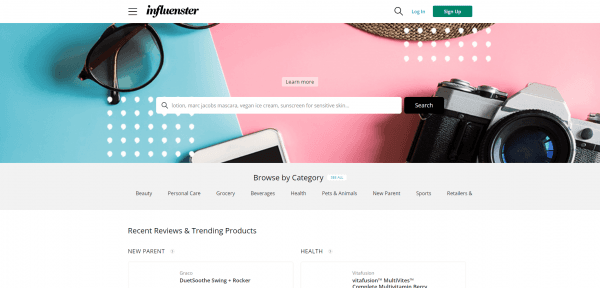
This social media platform allows users to share their honest opinions about the products they use and love.
What sets Influenster apart from other platforms is its commitment to authenticity. All reviews are verified, and users must meet certain criteria before they’re able to join.
This ensures that everyone who uses the site is genuinely interested in sharing their thoughts and experiences.
As a result, Influenster has become a go-to source for product information.
Whether you’re looking for reviews of cosmetics, food, or anything in between, chances are you’ll find what you’re looking for on Influenster.
98. FilmAffinity
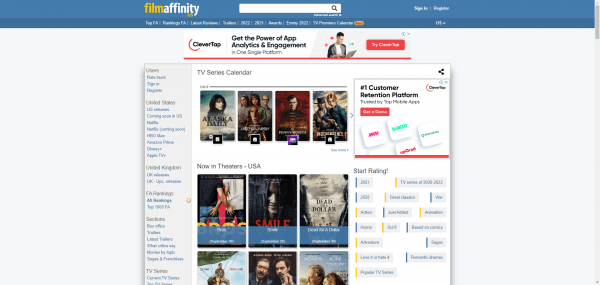
In today’s social media-centric world, it’s more important than ever to have a platform where you can share your thoughts and connect with like-minded people. That’s where FilmAffinity comes in.
We’re a social media platform dedicated to film lovers of all stripes.
Whether you’re a casual moviegoer or a cinephile, we offer a space for you to connect with others who share your passion.
Our features include movie reviews, recommendations, and forums where you can discuss all things cinema.
So whether you’re looking for a new film to watch or just want to chat about your favorite movies, FilmAffinity is the place for you.
99. Tribe
Tribe Social is a social media platform that allows users to connect with like-minded individuals and communities.
The platform helps users discover new tribes or groups of people with similar interests, and join them in conversations.
Tribe Social also allows users to create their own tribes and invite others to join.
In addition to providing a space for people to connect, Tribe Social also helps users connect with experts in their field and access exclusive content.
The platform currently has over 1 million users and is available in 190 countries.
100. Imgur
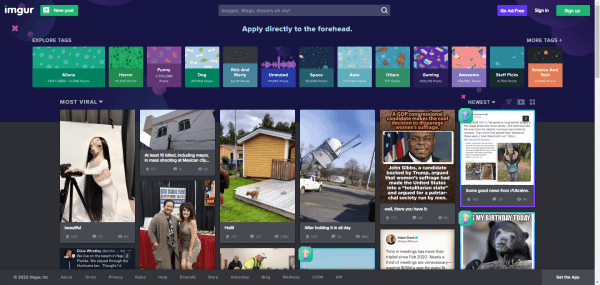
Imgur is a social media platform that allows users to share and discover a wide variety of images and videos.
The site has a user-friendly interface and is easy to navigate.
Imgur also has a number of features that make it unique, such as the ability to search for images by keywords, and the ability to upvote or downvote images.
The site also has a number of community-based features, such as forums and blogs.
In addition, Imgur provides users with the ability to share their own images and videos.
Overall, Imgur is a great social media platform for people who enjoy sharing and discovering images and videos.
101. Giphy
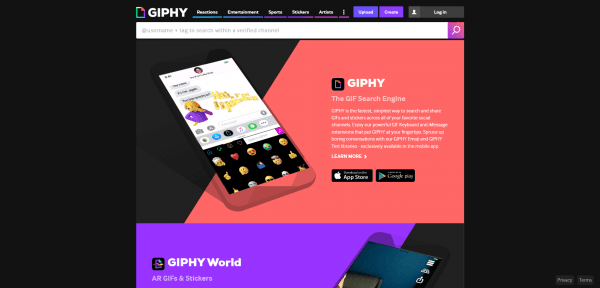
Giphy Social is a social media platform that allows users to share GIFs with each other.
The platform has been incredibly popular, with users sharing hundreds of millions of GIFs every day. one of the things that make Giphy Social so unique is its ability to instantly turn any video into a GIF.
This means that users can quickly and easily share their favorite moments with friends and family.
In addition, Giphy Social also offers a number of features that make it easy to find the perfect GIF for any situation.
For example, the platform includes a search engine that allows users to find GIFs based on keywords or categories.
In addition, users can also browse popular GIFs and create their own custom collections.
With so many features and options, it’s no wonder that Giphy Social has become one of the most popular social media platforms around.
102. Vero
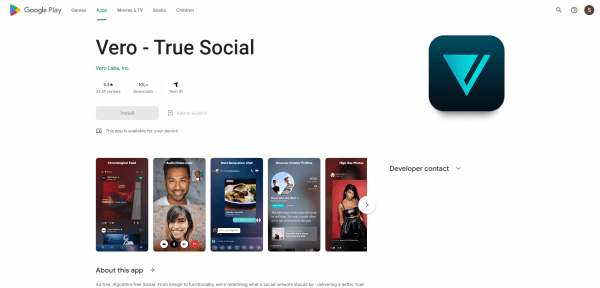
Vero is a social media platform that is quickly gaining popularity.
The platform is unique in that it allows users to control who sees their posts and how long those posts are visible.
As a result, Vero provides a more intimate and personal experience than other social media platforms.
In addition, Vero does not sell user data or allow ads, meaning that users can be confident that their privacy is being respected.
With its growing popularity, Vero is likely to become the go-to social media platform for those who value privacy and control.
103. Tout
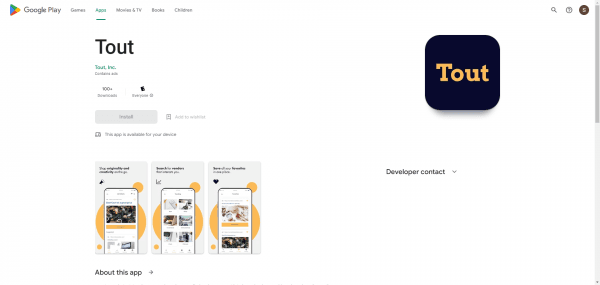
In a world that is increasingly interconnected, it is no surprise that social media has become one of the most popular ways to communicate.
Tout Social is a relatively new social media platform that is quickly gaining popularity for its unique features and user-friendly interface.
One of the things that sets Tout Social apart from other social media platforms is its focus on real-time interactions.
Users can post updates, photos, and videos in real time, which makes it ideal for sharing news and events as they happen.
In addition, Tout Social also allows users to connect with people who share their interests and passions.
Whether you’re looking for a way to stay connected with friends and family or you’re trying to meet new people, Tout Social is definitely worth checking out.
104. WT Social
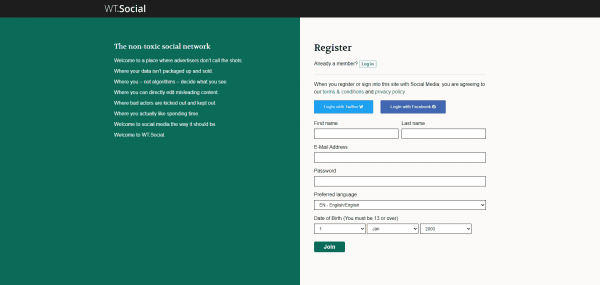
WT Social is a social media platform that allows users to connect with friends and family members all over the world.
The platform provides users with a variety of features, including a news feed, messaging, and video calling.
WT Social also allows users to create and share their own content, such as photos and videos.
In addition, the platform provides users with access to a variety of different games and applications.
WT Social is available on both the App Store and Google Play.
105. Ello
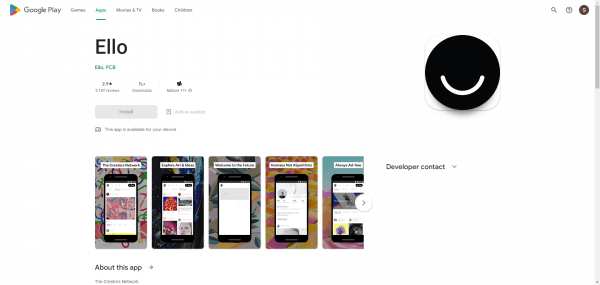
Launched in 2014, Ello is a social media platform that bills itself as an alternative to mainstream sites like Facebook and Twitter.
One of the key distinguishing features of Ello is its emphasis on privacy.
Unlike most other social media sites, Ello does not sell user data to advertisers. In addition, Ello does not use algorithms to control what users see in their feed.
As a result, users are less likely to be exposed to targeted ads or other forms of manipulation.
Ello also has a minimalist design that many users find refreshing. The site is ad-free and does not display any banner ads or other forms of marketing.
Overall, Ello provides a unique experience for social media users who are looking for an alternative to more mainstream platforms.
These are some of the best social media sites, some of which you may already know about. Find out more about them and decide which one will help your brand the most. Since more than half of people use social media, it can be a great way to spread the word about your brand or sell your product.
Conclusion
Social media has evolved into a powerful digital ecosystem, with platforms like Facebook, Instagram, YouTube, and TikTok leading global user engagement. Each platform serves a unique purpose, from networking and content sharing to entertainment and business marketing.
While the benefits of social media include connectivity, brand visibility, and business growth opportunities, it also comes with challenges such as privacy concerns, misinformation, and mental health impacts. This makes it essential for individuals and businesses to use these platforms strategically and responsibly.
For businesses especially, social media marketing is no longer optional—it is a key driver of brand awareness, customer engagement, and lead generation. Choosing the right platforms based on your target audience and goals can significantly improve your results.
Ultimately, social media is neither entirely good nor bad. Its impact depends on how effectively and mindfully it is used. By understanding platform dynamics and user behavior, you can leverage social media to your advantage while minimizing its drawbacks.













 in India