
The search landscape is shifting faster than most businesses can keep up with. AI SEO tools are no longer a nice-to-have for ambitious marketing teams. They are quickly becoming the baseline requirement for any business that wants to stay visible online. From keyword research and content optimization to technical audits and competitor analysis, AI is reshaping every corner of the SEO workflow.
If you are running a business in the US, Canada, or Australia, the pressure to rank higher and convert more organic traffic is real. Manual SEO processes that once took days can now be completed in hours with the right tools. This guide breaks down the 10 best AI SEO tools available right now, what each one does best, and how to get the most value from them. Whether you are a solo founder, an in-house marketer, or an agency professional, there is something here for you.
To get even more context on how AI is transforming search visibility, check out this detailed guide on how to improve website visibility in AI search engines before diving in.
1. Surfer SEO
Surfer SEO is one of the most widely used AI SEO tools for content optimization, and for good reason. It analyzes the top-ranking pages for any given keyword and delivers a real-time content score based on factors like word count, semantic keywords, headings structure, and NLP signals. Writers and SEO strategists can use the Content Editor to draft or revise articles while getting live feedback on how well the content aligns with what Google already rewards on page one.
One of Surfer’s standout features is its SERP Analyzer, which gives you a breakdown of competitor pages including their exact keyword usage, backlink profiles, and structural patterns. The Audit tool is equally impressive, scanning existing pages and pinpointing exactly what needs to change to improve rankings. Surfer also integrates directly with Google Docs and WordPress, which makes it easy to fold into an existing workflow without friction. For teams producing high volumes of content, the ability to create topic clusters and content plans inside the platform is a significant time saver. It is particularly effective when combined with a strong backlink building strategy to give your optimized content the authority it needs to rank.
2. Semrush with AI Writing Assistant
Semrush has been a cornerstone of professional SEO for over a decade, and its integration of AI features has made it even more powerful. The platform now includes an AI Writing Assistant that helps users generate SEO-friendly drafts, optimize existing content, and identify readability issues, all within the same dashboard where you manage keyword research and site audits. The AI-driven Keyword Magic Tool surfaces thousands of keyword variations along with intent signals, search volume, and competitive difficulty scores.
What sets Semrush apart from pure-play AI writing tools is the depth of its underlying data. According to Semrush’s own platform data, it tracks over 25 billion keywords and 808 million domains, giving it a competitive intelligence edge that newer AI tools simply cannot replicate. The Position Tracking feature lets you monitor keyword rankings daily and get AI-generated recommendations when a page drops. The Traffic Analytics module uses machine learning to estimate competitor traffic and uncover gaps in your own strategy. For businesses serious about dominating search, combining Semrush’s data infrastructure with its newer AI features creates a formidable competitive advantage.
3. Clearscope
Clearscope is purpose-built for content teams that want to produce high-ranking articles consistently and efficiently. The platform uses IBM Watson’s natural language processing to analyze top-ranking content and generate a comprehensive list of related terms and concepts that your content should address. Each piece of content gets a letter grade from F to A+, giving writers a clear and motivating benchmark to work toward. The grading system updates in real time as you write, making the optimization process feel intuitive rather than technical.
Beyond individual article optimization, Clearscope offers a Content Inventory feature that lets teams audit their entire existing content library. This is invaluable for identifying pages that have dropped in rankings and need a refresh. The platform integrates with Google Docs and WordPress, and its reporting features make it straightforward to demonstrate ROI to clients or stakeholders. Clearscope tends to be a favorite among content-heavy brands and publishers where consistent topical depth is more important than rapid content scaling. If you want to understand how AI search engines evaluate and reward comprehensive content, the principles align closely with what is covered in the Generative Engine Optimization (GEO) checklist for 2026.
4. Ahrefs with AI Features
Ahrefs has long been the go-to tool for backlink analysis and keyword research, and its recent AI enhancements have strengthened its position as one of the most complete AI SEO tools on the market. The platform’s AI-powered Content Grader evaluates your articles against top competitors and flags semantic gaps you need to fill. Ahrefs also introduced an AI-generated keyword clustering feature that automatically groups related keywords into logical topic clusters, saving hours of manual organization.
The Site Audit tool now uses machine learning to prioritize technical issues by their likely impact on rankings, so you are not wasting time fixing low-priority errors. Ahrefs’ backlink index is updated every 15 to 30 minutes, making it one of the most current sources of link intelligence available. According to Ahrefs data published in 2023, approximately 96.55 percent of all pages get zero organic search traffic from Google, largely because they lack backlinks. This statistic underscores why combining strong content with a deliberate link strategy is non-negotiable. For teams struggling to build authority, learning how to fix a failed link building strategy can be just as important as using the right tools.
5. ChatGPT (with Custom SEO Prompts)
ChatGPT may not be a traditional SEO platform, but as an AI SEO tool it is remarkably versatile when used with structured, research-backed prompts. Marketers are using ChatGPT to generate title tag variations, meta descriptions, FAQ sections, schema markup drafts, internal linking recommendations, and even full content briefs. The key is building a library of effective prompts that are specific to your audience, industry, and target keywords rather than relying on generic outputs.
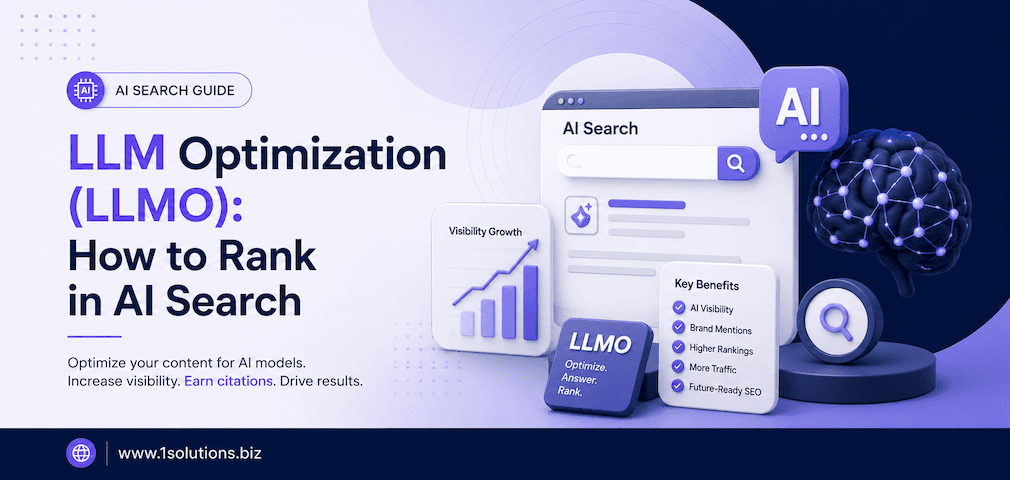
OpenAI reported in 2024 that ChatGPT was being used by over 100 million people weekly, and a growing share of those users are SEO professionals integrating it into daily workflows. When combined with real data from tools like Ahrefs or Semrush, ChatGPT becomes a powerful drafting and ideation engine. It is particularly useful for generating content at scale for programmatic SEO projects or for producing localized content variations for different geographic markets. The limitations are real: ChatGPT does not crawl the web by default and does not have inherent keyword data. However, pairing it with live research tools fills that gap effectively. For businesses exploring how AI models rank and recommend content, the guide on LLM optimization and how to rank in AI search provides critical strategic context.
6. MarketMuse
MarketMuse is an AI-driven content strategy platform that goes well beyond keyword research. It builds a complete topic model for your domain and identifies content gaps by comparing your site’s topical authority against competitors. The platform assigns an Authority Score to your site for any given topic, so you can see exactly where you are strong and where you are vulnerable. This makes it easier to prioritize content creation efforts based on where you have the highest probability of ranking quickly.
The Content Briefs generated by MarketMuse are among the most detailed in the industry. Each brief includes recommended word count, target keywords, questions to address, links to competitor content, and a list of related subtopics that should be covered. The First Draft feature uses AI to generate an initial content draft directly from the brief, which writers can then refine and personalize. MarketMuse is particularly valuable for enterprise content teams and agencies managing large content calendars across multiple clients. The platform’s pricing reflects its enterprise positioning, but the ROI for teams that use it consistently tends to justify the investment within the first few months.
7. Frase
Frase combines AI content generation with SERP research in a single streamlined interface, making it one of the most accessible AI SEO tools for small to mid-sized businesses. When you enter a target keyword, Frase immediately pulls in data from the top 20 search results and builds a comprehensive content brief that includes common headings, frequently asked questions, word count benchmarks, and key statistics. Writers can use this research panel as a live reference while drafting directly inside the platform.
Frase’s AI writer is trained to produce SEO-aware content that incorporates the topic signals it has already identified through SERP analysis. The platform also includes an Optimize tab that scores your content against competitors using a relevance grading system similar to Clearscope. One feature that sets Frase apart is its ability to generate answers to the “People Also Ask” questions that appear in Google search results, which is a valuable strategy for capturing featured snippets. According to a 2023 study by Ahrefs, featured snippets appear in approximately 12.3 percent of search results, making them a worthwhile optimization target. Frase makes pursuing them systematically far more efficient than manual methods.
8. Jasper AI (with SEO Mode)
Jasper AI started as a content generation tool and has evolved into a comprehensive AI writing platform with dedicated SEO capabilities. Its SEO Mode, built in partnership with Surfer SEO, allows users to write and optimize content simultaneously within the Jasper editor. You get real-time content scoring from Surfer while benefiting from Jasper’s advanced language generation, which produces more polished and brand-consistent output than many competing AI writers.
Jasper’s Brand Voice feature is particularly useful for businesses and agencies that need to maintain a consistent tone across multiple writers or large volumes of content. You can train Jasper on your brand’s existing content so that AI-generated drafts feel native rather than generic. The platform also includes a Templates library with over 50 SEO-specific formats including product descriptions, blog post outlines, meta tags, and press releases. For marketing teams producing content at scale, Jasper significantly reduces the time from keyword research to published article. It integrates with Chrome, making it useful for on-the-fly optimization across any web-based editor. Its combination of brand control and SEO integration makes it a strong choice for agencies managing multiple client accounts simultaneously.
9. BrightEdge
BrightEdge is an enterprise-grade AI SEO platform that is particularly well-suited to large organizations managing thousands of pages and complex multi-channel content strategies. Its DataCube technology processes billions of pieces of search data to surface insights about keyword opportunities, content performance, and competitive shifts. The platform’s AI engine, called DataMind, continuously monitors ranking changes and automatically generates recommendations for content updates, technical fixes, and link building opportunities.
BrightEdge’s ContentIQ feature performs deep technical site audits and uses machine learning to prioritize issues based on their estimated traffic impact, which is a major advantage for enterprise teams that cannot address every issue simultaneously. The platform also offers StoryBuilder, a reporting tool that visualizes SEO performance data for executive audiences who need high-level insights without the technical noise. According to BrightEdge research from 2024, organic search drives over 53 percent of all website traffic, reinforcing why investing in a robust AI SEO platform delivers outsized returns compared to other marketing channels. BrightEdge is not the right fit for small businesses given its pricing, but for large brands it offers an unmatched combination of scale, automation, and strategic intelligence.
10. Alli AI
Alli AI is one of the most innovative AI SEO tools for businesses that need to implement technical and on-page SEO changes at scale without requiring constant developer involvement. The platform’s standout feature is its ability to deploy on-page SEO changes site-wide through a single line of code added to your website. Once the code snippet is installed, Alli AI can push title tag updates, meta description changes, schema markup additions, and internal link insertions directly to live pages without touching the CMS.
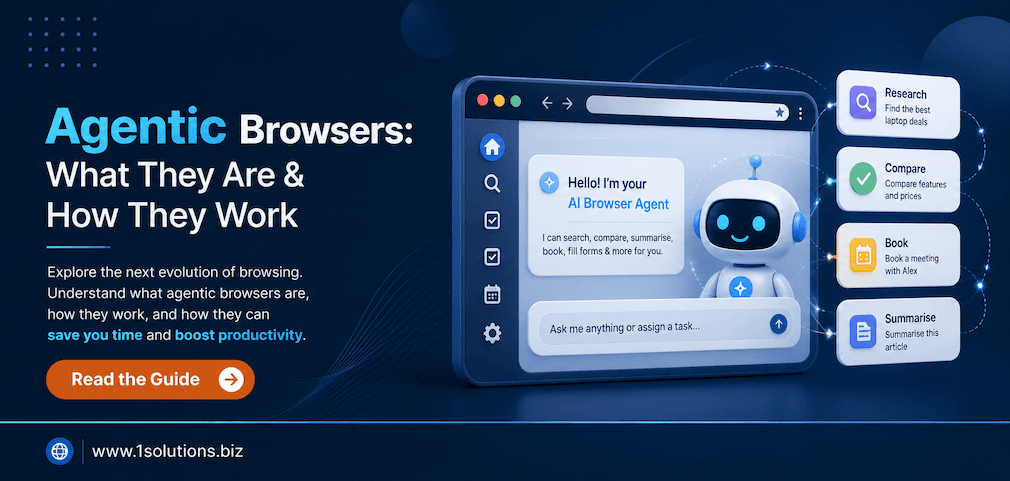
This approach is a genuine breakthrough for large e-commerce sites and content publishers that struggle with the technical debt of implementing SEO recommendations through traditional development workflows. Alli AI also includes a keyword rank tracker, a site audit tool, and an A/B testing module that lets you test different title tags and meta descriptions to find the highest-performing variations. The AI-generated recommendations are based on analysis of your current rankings, competitor pages, and search intent signals. For businesses operating in competitive niches where speed of implementation is a key advantage, Alli AI removes one of the biggest bottlenecks in the SEO process. It is also worth understanding how agentic SEO and AI-driven automation are changing the broader landscape, as tools like Alli AI represent an early example of this shift in action.
How to Choose the Right AI SEO Tool for Your Business
With so many capable platforms available, selecting the right AI SEO tools comes down to matching the tool’s strengths to your specific needs and workflow. Here are the key factors to evaluate:
- Team size and workflow: Solo operators and small teams tend to benefit most from all-in-one platforms like Semrush or Frase. Larger teams may need specialized tools for content, technical SEO, and reporting running in parallel.
- Content volume: If you are publishing multiple articles per week, prioritize tools with AI writing assistance like Jasper or Frase. If you are optimizing existing content, Clearscope or MarketMuse may deliver more value.
- Technical complexity: Enterprise sites with thousands of pages benefit from tools like BrightEdge or Alli AI that can implement changes at scale. Smaller sites can get by with Surfer SEO or Ahrefs.
- Budget: Prices range from around $14 per month for entry-level Frase plans to several thousand dollars per month for BrightEdge enterprise packages. Start with tools that offer free trials before committing.
- Integration needs: Check whether the tool integrates with your existing CMS, Google Search Console, and analytics platforms before purchasing.
AI SEO Tools and the Rise of Generative Search
Google’s Search Generative Experience and the rise of AI-powered answer engines like Perplexity and ChatGPT Search are changing what it means to rank. Traditional blue-link rankings are still important, but businesses now also need to optimize for inclusion in AI-generated answers and summaries. This makes content quality, topical authority, and structured data more important than ever.
The AI SEO tools covered in this guide are increasingly being updated to address these new realities. Platforms like Surfer SEO and MarketMuse are incorporating NLP signals that align with how generative AI models evaluate content quality. If you want to stay ahead of this shift, exploring the principles behind LLM optimization for AI search will give you a strategic advantage that most competitors are not yet thinking about.
Common Mistakes When Using AI SEO Tools
AI tools are powerful, but they are not foolproof. Here are the most common mistakes businesses make when integrating them into their SEO strategy:
- Over-relying on AI-generated content without human editing: AI drafts often lack the nuance, brand voice, and genuine expertise that both users and search engines reward. Always have a human editor review and refine AI output.
- Ignoring technical SEO fundamentals: No content optimization tool can compensate for a slow, crawlable-but-broken website. Technical foundations matter just as much as content quality.
- Treating recommendations as rules: AI tools make recommendations based on patterns in the data they have access to. These are informed suggestions, not guarantees. Test and validate before making sweeping changes.
- Using too many tools simultaneously: Platform overload leads to conflicting recommendations and decision paralysis. Start with one or two tools, master them, and expand from there.
- Neglecting user intent: AI tools optimize for search engine signals, but your content ultimately needs to satisfy real human readers. Never let optimization scores override genuine helpfulness.
Final Thoughts
The best AI SEO tools do not replace strategic thinking. They amplify it. By automating the time-consuming parts of keyword research, content optimization, and technical auditing, these platforms free you to focus on the higher-level decisions that actually move the needle: understanding your audience, building genuine authority, and creating content worth reading.
Whether you are just starting to explore AI-powered SEO or you are looking to upgrade an existing stack, the tools covered in this guide represent the best options available across a range of budgets and use cases. The businesses that invest in learning these tools now will have a measurable head start over competitors who are still relying on purely manual processes.
If you are ready to take a more comprehensive approach to your SEO strategy and need expert guidance on where to start, exploring a full Generative Engine Optimization checklist is a smart next step. And if your current link building efforts are not delivering results, understanding how to fix a failed link building strategy can help you address one of the most common ranking obstacles businesses face today.
Frequently Asked Questions
What are AI SEO tools and how do they work?
AI SEO tools are software platforms that use artificial intelligence and machine learning to automate and enhance various aspects of search engine optimization. They analyze large volumes of search data, competitor content, and user behavior signals to generate actionable recommendations for keyword targeting, content creation, technical fixes, and link building. Rather than requiring manual analysis of hundreds of data points, these tools surface prioritized insights that help marketers make faster and better-informed decisions. Most platforms combine natural language processing, predictive analytics, and real-time SERP data to deliver recommendations that would take a human analyst significantly longer to produce manually.
Are AI SEO tools suitable for small businesses?
Yes, many AI SEO tools offer pricing tiers specifically designed for small businesses and individual marketers. Platforms like Frase, Surfer SEO, and ChatGPT with custom prompts provide significant value at accessible price points, often starting below $50 per month. The key for small businesses is to choose one or two tools that address their most pressing needs rather than subscribing to multiple platforms simultaneously. For most small business owners, a tool that combines keyword research, content optimization, and a basic site audit, such as Semrush’s entry-level plan, provides a strong foundation without overwhelming complexity or cost.
Can AI SEO tools replace human SEO professionals?
No. AI SEO tools are designed to support and accelerate the work of human SEO professionals, not replace them. These platforms excel at processing data, identifying patterns, and generating recommendations at scale. However, they lack the contextual judgment, creative thinking, and deep understanding of a specific business’s goals and audience that experienced SEO professionals bring to strategy. The most effective SEO programs combine AI-generated insights with human expertise to filter, prioritize, and implement recommendations in ways that align with broader business objectives. Think of AI tools as a powerful research and execution assistant, not a strategy replacement.
How do AI SEO tools help with ranking in AI-powered search engines like ChatGPT Search and Perplexity?
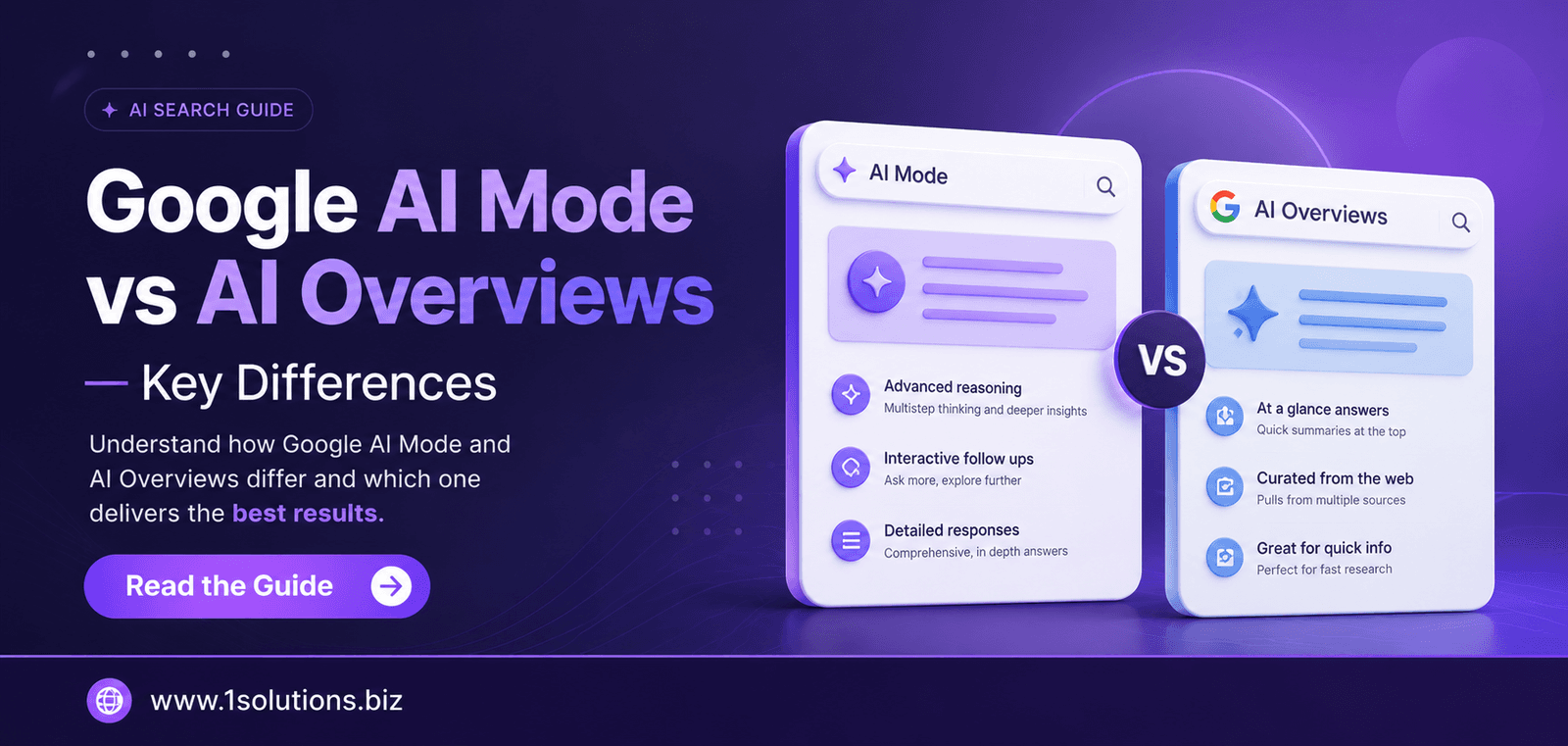
Modern AI SEO tools are increasingly being updated to help content rank in AI-generated search results and answer engines. They do this by optimizing for topical authority, semantic depth, and structured content formats that AI models prefer when generating summaries and recommendations. Ensuring your content is comprehensive, well-structured with clear headings, and supported by credible data makes it more likely to be cited by generative AI search tools. For a deeper understanding of this emerging area, the guide on agentic SEO and AI-driven search optimization covers the key principles you need to know.
How often should I use AI SEO tools to maintain and improve my rankings?
SEO is an ongoing process, and AI tools are most effective when used consistently rather than occasionally. At a minimum, you should run a site audit monthly to catch new technical issues, review keyword rankings weekly to spot drops early, and refresh or update existing content quarterly based on competitor analysis and search trend shifts. For content creation, AI tools should be part of every piece you publish, helping ensure each article is properly optimized before it goes live. Businesses that treat AI SEO tools as part of a continuous improvement process, rather than a one-time fix, consistently outperform those that use them sporadically.