
Introduction
With more and more people preferring to do their shopping online, eCommerce has exploded in popularity in recent years. By 2025, it is expected that global eCommerce sales will have reached $7.5 trillion, a 50% increase from present levels. We can thank the emergence of smartphones, the ease of online shopping, and the accessibility of a diverse selection of high-quality goods at affordable prices for this development.
It’s no surprise that, given this expansion, more companies are looking to launch their products and services online. For businesses aiming to broaden their reach beyond local boundaries, serve a wider audience, and maintain 24/7 availability, an online store is indispensable.
Selecting the right eCommerce platform, however, is crucial. Your choice will depend on your specific needs, budget, and technical expertise.
Having an online store can be a game-changer for businesses, allowing them to reach customers beyond their immediate area, sell to a larger demographic, and remain open at all hours of the day and night.
There are numerous eCommerce platforms available for store owners to use. Which platform is best for your business will depend on your needs, budget, and level of technical knowledge.
If you want to open an online shop, consider using one of these five popular eCommerce platforms:
The Top 5 Best Ecommerce Platforms
1- Wix
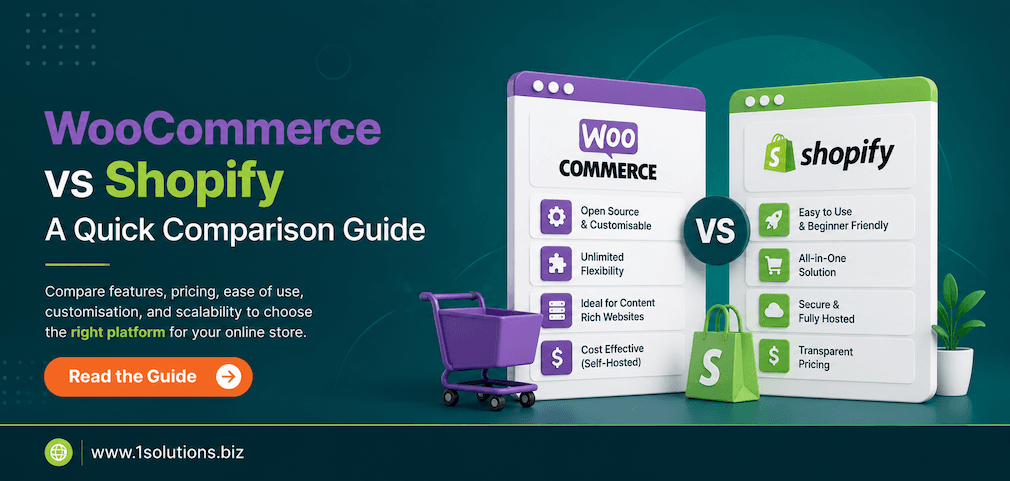
2- Shopify
3- WooCommerce
4- Magento
5- BigCommerce
Wix

Wix is a website builder that includes eCommerce features, making it simple for businesses to launch their own online stores. It began operations in 2006 and has its headquarters in Tel Aviv, Israel. Wix has grown to become one of the most widely used website builders, with over 180 million users in more than 190 countries.
Wix’s intuitive interface is a major selling point. The platform provides users with a drag-and-drop interface, making it possible for non-technical users to create high-quality websites. Wix also provides a variety of editable themes that can be used to make a one-of-a-kind and visually appealing online store.
Wix has many tools that can be used to create and manage an online shop. Included in this group are mechanisms for handling payments and shipments, as well as stock and customer management, along with advertising and promotional tools. It’s simple to run your store, handle orders, and expand your business with the help of these tools.
Wix has a number of pricing tiers to accommodate businesses of varying sizes and budgets. They offer a variety of plans, from the starter package, ideal for new businesses, to the Business VIP package, designed for established companies with advanced requirements. For businesses with exceptionally high volumes of traffic and sales, an Enterprise plan is also available.
Wix also has a mobile-friendly interface, which is a big plus. Each of the themes is designed for mobile, tablet, and desktop use, so customers can browse and shop from your online store using any of their devices.
In summary, Wix is an effective and intuitive website builder that includes eCommerce functionality. Wix is a fantastic platform for online store creation because of its user-friendliness, extensive template selection, and affordable pricing plans.
Must Read – The Ultimate Technical SEO Audit for E-commerce Sites in 2025
Shopify

Shopify is perhaps the world’s best-known eCommerce website. Over a million eCommerce websites are operated by them.
Right out of the box, Shopify is incredibly easy to use and set up. Without the need for extensive in-house tech solutions, it’s a perfect option for startups or organizations just getting started with Shopify development.
Also, Shopify is very flexible. It’s used by both small companies and larger-scale businesses. To create her billion-dollar empire selling lip kits through Kylie Cosmetics, Kylie Jenner used Shopify. But you might also use it as a small startup.
The award-winning 24/7 support, which you will have access to even before you sign up for a Shopify plan, is another standout feature of Shopify.
Shopify makes it easy for you to sell items from your online store, as well as through online marketplaces, social media sites, and Shopify POS in person.
A simple way to create a new eCommerce website from scratch is with Shopify’s drag-and-drop builder. All themes are optimized for mobile devices, which is necessary for maximizing your conversions.
They also provide a great payment processor. It also integrates with the Shopify App Store, with more than 3,200 apps.
Shopify provides three separate baseline plans:
- Basic Shopify – $29 per month
- Shopify – $79 per month
- Advanced Shopify – $299 per month
Bear in mind, these are the base rates only. It will cost you extra to install apps, process payments, and access other functions.
High-volume stores seeking enterprise-grade solutions can obtain a custom Shopify Plus quote to meet their needs.
The entry-level plan will be sufficient to get you started, but I would at least suggest the mid-tier Shopify subscription. It comes with better features for delivery and payment processing, such as gift cards, expert reports, and better discounts.
For all of its plans, Shopify includes a 14-day free trial.
Must Read – How To Maximize Your ECommerce Potential with Shopify Store Development
WooCommerce

WooCommerce is a free and open-source eCommerce plugin for the WordPress platform. It was first introduced in 2011, and since then it has become one of the most popular eCommerce platforms, currently supporting more than 30% of all online stores.
WooCommerce’s adaptability is a major strength. It is based on WordPress, an extremely flexible and powerful CMS.
This makes it simple for companies to integrate eCommerce features into their pre-existing WordPress sites. In addition to its core features, WooCommerce provides a wide variety of extensions and templates that can be modified to meet the specific needs of each business.
WooCommerce is a free and open-source platform that offers numerous tools to facilitate the management of an organization’s online shop. Among these capabilities are payment and delivery methods, stock management, client administration, and promotional tools.
Having these tools at their disposal helps businesses streamline their operations, whether it be stock management, order fulfilment, or overall expansion.
Though WooCommerce itself has no setup or monthly fees, businesses will need to budget for hosting and any extensions or customizations they may want. So, companies of any size can afford to use it.
WooCommerce’s user base is a further plus. Being an open-source platform means that there is a sizable group of people working on and using it. This means that any time a business has a need, they can quickly and easily locate the resources they require.
WooCommerce is a robust eCommerce platform that gives businesses the freedom to design and implement their ideal online shop.
WooCommerce is a fantastic option for businesses of all sizes thanks to its flexible features, theme customization options, and low prices. If you are looking for help with your online store, you can contact our WooCommerce Development Services team.
Must Read – Best Hosting Provider for your eCommerce store
Magento

Magento is an eCommerce site developed for enterprise-level online stores. Global giants such as Nike, HP, Jack Daniel’s, and Canon use it.
It has unique solutions for companies operating as B2Cs, B2Bs, or both. Magento provides broad and comprehensive eCommerce capabilities across all sectors for every type of website.
Again, if you have a large-scale online store, hiring a Magento developer can help you unlock the platform’s full potential. However, if you’re a small business or just launching your eCommerce venture, Magento might be more than you need.
Pricing begins at over $20,000 a year for a Magento business license. For small business owners, they advertise more options, but I’d keep away from those.
In terms of mobile commerce solutions, Magento is a market pioneer.
To improve the user experience for consumers shopping on their mobile devices, you will be able to create a PWA (Progressive Web App).
Magento has a page builder with drag-and-drop functionality that is easy to use. It provides content staging and previews, instant sales, and merchandising features.
Customer segmentation features that personalize the customer experience can also benefit you. Use Magento through an online marketplace or sales channel to sell your goods.
By choosing from 1,000+ extensions and themes, you can customize your Magento shop.
Must Read – How to pick the right eCommerce marketing company
BigCommerce

BigCommerce is a well-known eCommerce platform that offers many tools for creating and maintaining an online store. Established in 2009, it is headquartered in Austin, the capital city of Texas. Over 90,000 online stores around the world are now powered by BigCommerce, making it one of the most popular eCommerce platforms.
BigCommerce’s user-friendliness is a major selling point. It has a straightforward interface that even non-technical users will find helpful when creating and managing an online store. Moreover, BigCommerce provides a number of editable themes that make it simple to launch a website resembling a well-established storefront. These themes are mobile-friendly, so your online shop will look great on any screen size.
When it comes to running your online store, BigCommerce has you covered with a plethora of tools. The ability to accept various forms of payment, track shipments, manage stock, track customers, and promote products are all examples of such features. It’s simple to run your store, handle orders, and expand your business with the help of these tools.
BigCommerce’s pricing plans can be tailored to meet the specific requirements of any size company. You can choose from their Standard plan, which is tailored to the needs of smaller businesses, or their Pro plan, which is tailored to the requirements of larger, more complex enterprises. For businesses with exceptionally high volumes of traffic and sales, an Enterprise plan is also available.
For businesses looking to open and manage an effective online store, BigCommerce is a robust and user-friendly eCommerce platform. BigCommerce is a great option for businesses of all sizes thanks to its wide variety of features, customizable templates, and affordable pricing.
Must Read – 5 Best Ecommerce Platforms for Small Businesses
Conclusion
Any business can’t afford to overlook the potential of the booming eCommerce market. Since more and more people shop online due to its convenience and accessibility, it is crucial for businesses to have an online storefront.
Shopify, WooCommerce, BigCommerce, Magento, and Wix are the best eCommerce platforms for setting up an online store. It’s important to pick the platform that’s right for your company’s needs and budget because they all offer different options, pricing structures, and degrees of customization.
Businesses can increase sales, expand their customer base, and save money by opening an online store. With the right eCommerce platform and strategy, your business can join the growing eCommerce market and take advantage of the benefits of online shopping.
If you need help setting up your online store, get in touch with 1Solutions today.
We have over 12 years of experience helping businesses establish their online presence and grow online.