
Even well-intentioned SEO efforts can quietly undermine your rankings. Common SEO mistakes range from technical oversights to strategy-level missteps, and many of them go unnoticed until traffic starts dropping. Whether you manage your own site or work with a team, understanding what these errors look like, and how to correct them, is one of the most valuable things you can do for your organic visibility.
This guide walks you through the most damaging SEO mistakes category by category, with practical steps to identify and fix each one.
Most websites lose organic traffic not because of algorithm mysteries, but because of fixable, recurring SEO mistakes. This guide covers the top errors across technical SEO, content, links, and user experience, and gives you a clear action plan to address them in priority order.
⚡ Key Takeaways
- Ignoring technical SEO fundamentals like crawlability and page speed consistently damages rankings more than content issues.
- Keyword targeting without search intent alignment leads to high bounce rates and poor conversions, even with good traffic.
- Thin or duplicate content remains a primary reason for Google manual actions and algorithmic demotions.
- Backlink quality matters far more than quantity. A small number of relevant, authoritative links beats hundreds of spammy ones.
- Skipping mobile optimization is no longer a minor oversight. Google uses mobile-first indexing for all new sites.
- Internal linking is one of the most underused and highest-impact SEO tactics available to any site owner.
- Tracking the wrong metrics, like vanity rankings, instead of conversion-oriented data leads to poor decisions.
Why Common SEO Mistakes Are Harder to Spot Than You Think
SEO does not give you instant feedback. A mistake made today might not show its full impact for weeks or months. According to Ahrefs (2023), over 90% of pages get zero organic traffic from Google, and the majority of those pages have identifiable, fixable issues. The challenge is that most site owners do not audit frequently enough to catch problems before they compound.
Unlike paid advertising, where a bad campaign produces bad results overnight, SEO errors are slow-burning. That is what makes them dangerous. The sections below walk you through each major mistake category, what causes them, and specifically how to fix them.
Mistake 1: Ignoring Technical SEO Foundations
Technical SEO is the infrastructure that everything else sits on. If Google cannot crawl and index your pages efficiently, your content and links do not matter.
Step 1: Audit Your Crawlability
Use Google Search Console to check for crawl errors. Look specifically at the Coverage report and identify pages marked as “Excluded” or “Error.” Common culprits include accidental noindex tags, broken robots.txt rules, and redirect chains.
Step 2: Check Your Indexing Status
A page that cannot be indexed cannot rank. Use the URL Inspection tool in Search Console to verify that your most important pages are actually indexed. If they are not, our detailed breakdown of why Google is not indexing your page covers the ten most common reasons and how to resolve each one.
Step 3: Fix Page Speed Issues
Google confirmed Core Web Vitals as a ranking signal, and Google (2023) data shows that pages meeting Core Web Vitals thresholds are 24% less likely to be abandoned. Use PageSpeed Insights or Lighthouse to identify Largest Contentful Paint (LCP), Cumulative Layout Shift (CLS), and Interaction to Next Paint (INP) issues. Common fixes include compressing images, eliminating render-blocking scripts, and using a content delivery network.
Step 4: Implement HTTPS
If your site still runs on HTTP, that is a trust and ranking signal problem. Google has treated HTTPS as a ranking factor since 2014. For a primer on why this matters and how to migrate safely, read our introduction to SSL security.
💡 Pro Tip: Run a full technical audit at least once per quarter. Sites with active content publication or frequent template changes accumulate technical debt faster than you expect.
Mistake 2: Targeting Keywords Without Understanding Search Intent
Ranking for the wrong version of a keyword is one of the most common SEO mistakes, and it produces traffic that does not convert. Search intent refers to what the user actually wants when they type a query: information, a product, a comparison, or a specific website.
Step 1: Classify Intent Before You Target
Break every target keyword into one of four intent categories: informational, navigational, commercial, or transactional. A page built for informational intent (a how-to guide) will rarely rank well for a transactional query (buy running shoes online), even if the keyword is technically similar.
Step 2: Align Page Format With Intent
Look at the top five results for your target keyword. If they are all listicles, write a listicle. If they are all product pages, a blog post will not displace them. The SERP itself tells you what Google believes users want.
Step 3: Avoid Keyword Cannibalization
When multiple pages on your site target the same keyword, they compete against each other and dilute your authority. Audit your site using a tool like Screaming Frog or Semrush to identify overlapping keyword targets, then consolidate or differentiate those pages.
Mistake 3: Publishing Thin or Duplicate Content
Content quality signals have grown more sophisticated with each Google update. Thin content, pages with little substantive value, and duplicate content remain two of the fastest routes to ranking penalties.
Step 1: Audit for Thin Content
Use a site crawl tool to flag pages with fewer than 300 words. Not every short page is a problem, but review each one. Category pages with no descriptive text, tag pages, and auto-generated location pages are common offenders.
Step 2: Resolve Duplicate Content
Duplicate content can be internal (the same content on multiple URLs) or external (content copied from other sites). Use canonical tags to tell Google which version of a page is authoritative, and use 301 redirects to consolidate duplicate URLs. For e-commerce sites, product variants and faceted navigation are common sources of duplication.
Step 3: Strengthen Existing Content Before Creating New Content
It is almost always more efficient to improve underperforming pages than to create new ones. Identify pages ranking between positions 8 and 20 in Google Search Console and update them with more depth, better structure, and stronger internal links.
| Content Issue | How It Hurts Rankings | Fix |
|---|---|---|
| Thin content | Low dwell time, poor E-E-A-T signals | Expand with relevant depth, examples, and data |
| Duplicate content | Splits link equity, confuses indexing | Canonicalize or consolidate with 301 redirects |
| Keyword stuffing | Triggers spam filters, poor readability | Write naturally, use semantic variations |
| Outdated content | Loses freshness signals, declining CTR | Update annually or when rankings drop |
| Wrong intent alignment | High bounce rate, no conversions | Reformat page to match SERP intent |
Mistake 4: Neglecting Internal Linking
Internal linking is one of the most underutilized tools in SEO. It distributes page authority across your site, helps Google understand your site structure, and keeps users engaged longer.
Step 1: Map Your Link Equity Flow
Your homepage typically carries the most authority. Make sure that authority flows to your most important service and category pages through contextual internal links, not just navigation menus.
Step 2: Use Descriptive Anchor Text
Generic anchor text like “click here” tells Google nothing about the linked page. Use descriptive, keyword-relevant phrases. For a deep dive on how to maximize the impact of your linking structure, see our guide on using internal links to boost backlink impact.
Step 3: Fix Orphan Pages
Orphan pages have no internal links pointing to them. Google may find them eventually through sitemaps, but they accumulate very little authority. Crawl your site and identify any pages with zero inbound internal links.
Mistake 5: Building Low-Quality or Irrelevant Backlinks
Backlinks remain one of Google’s top three ranking factors, but the gap between a good link and a bad link has never been wider. Semrush (2023) found that the average first-page result on Google has 3.8 times more backlinks than results on pages two through ten. The issue is not just quantity. It is relevance and authority.
Step 1: Audit Your Existing Link Profile
Use Ahrefs, Semrush, or Google Search Console to review your backlink profile. Flag links from irrelevant sites, link farms, or sites with very low domain ratings. If you have a large number of toxic links, consider submitting a disavow file through Google Search Console.
Step 2: Build Links That Actually Move Rankings
Focus on earning links from sites in your niche through guest posting, original research, and digital PR. Our guide on how to build backlinks in competitive and low-competition niches covers practical strategies for both scenarios. For a broader overview of what still works, the list of 15 link building methods that continue to work is a reliable reference point.
Step 3: Avoid Link Schemes
Buying links, participating in link exchanges at scale, or using private blog networks (PBNs) violates Google’s guidelines. If your site has been penalized for this, recovery is possible but it takes time. Read our breakdown of how to build links safely without triggering penalties to understand where the line is drawn.
💡 Pro Tip: One strong editorial link from a respected publication in your industry is worth more than 50 links from general directories. Prioritize relevance over volume in every link building campaign.
Mistake 6: Skipping Mobile Optimization
Google switched to mobile-first indexing in 2023, meaning it primarily uses the mobile version of your site for ranking and indexing. A desktop-only optimization strategy is now a fundamental error.
Step 1: Test Your Mobile Experience
Use Google’s Mobile-Friendly Test and the Core Web Vitals report in Search Console filtered to mobile. Look for tap target sizing issues, text that is too small to read without zooming, and horizontal scrolling.
Step 2: Ensure Content Parity
A common but damaging mistake is hiding content on mobile (collapsed tabs, JavaScript-dependent sections) that is visible on desktop. Google indexes what it sees on mobile. If important content is hidden or missing on mobile, it may not count toward your rankings.
Step 3: Optimize Images for Mobile
Serve correctly sized images using responsive image techniques (srcset). Large images designed for desktop screens dramatically slow down mobile load times, which directly affects your Core Web Vitals scores.
Mistake 7: Mismanaging Local SEO Signals
For businesses that serve specific geographic areas, local SEO errors can be just as costly as technical problems. Inconsistent business information across directories, an unoptimized Google Business Profile, and missing local content all suppress local rankings.
Step 1: Audit Your Google Business Profile
Check that your business name, address, phone number, and hours are accurate and consistent with what appears on your website. Inconsistencies confuse Google and reduce your local pack visibility. Our article on Google My Business mistakes that hurt local visibility covers the most damaging errors in detail.
Step 2: Build Locally Relevant Content
Generic content rarely ranks in competitive local searches. Build pages that address local intent specifically. For a framework on how to structure these pages for AI-powered and traditional search, read our guide on how to build local pages that win in AI-powered search.
Step 3: Earn Local Citations and Reviews
Citations from local directories and review signals from Google and industry-specific platforms contribute to local ranking. Actively ask satisfied customers for reviews, and respond to all reviews professionally.
Mistake 8: Tracking the Wrong Metrics and Drawing Wrong Conclusions
Many site owners optimize for rankings alone without connecting those rankings to business outcomes. A keyword ranking in position one that drives no conversions is not a success. Conversely, a page ranking in position five that drives consistent leads is performing well.
Step 1: Set Up Goal Tracking in GA4
Configure conversion events in Google Analytics 4 that align with actual business goals: form submissions, phone calls, purchases, and email sign-ups. Do not rely on session counts or pageviews alone as your primary success metrics.
Step 2: Monitor Crawl Rate and Indexing Health
Beyond rankings, track how efficiently Google is crawling and indexing your site. Our guide on tips to increase your Google crawl rate explains what affects crawl budget and how to make the most of it.
Step 3: Connect SEO Performance to Revenue
Use Search Console data combined with GA4 to understand which organic keywords and pages drive actual revenue or leads. Prioritize optimization efforts on high-value pages, not just high-traffic ones.
💡 Warning: Ranking reports from third-party tools show average positions that may not reflect what users in different contexts actually see. Always cross-reference with Search Console data for the most accurate picture.
Mistake 9: Ignoring the Evolving Search Landscape
SEO in 2025 is not the same as SEO in 2020. AI Overviews, answer engines, and new indexing behaviors mean that strategies which worked two years ago may now be actively counterproductive.
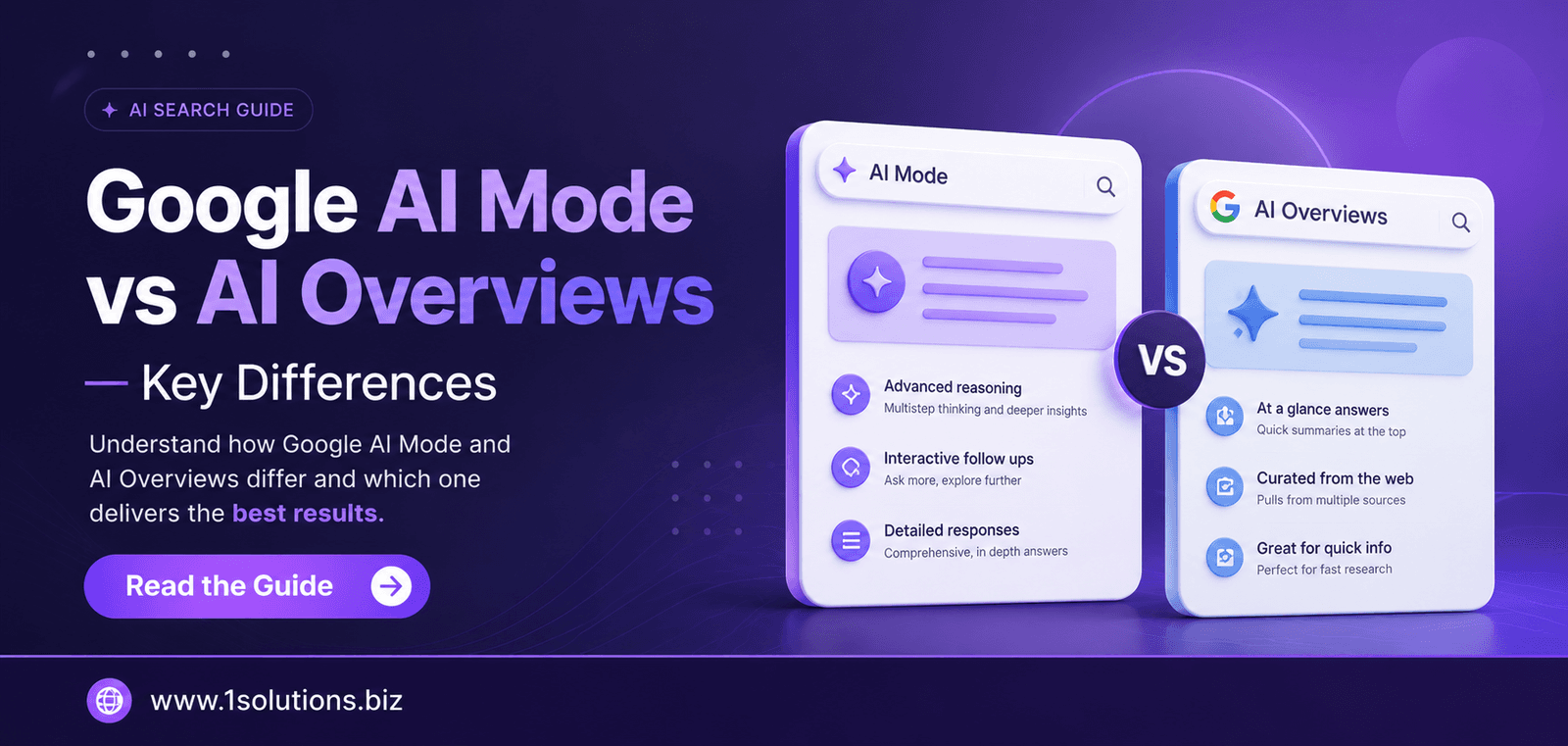
Understanding how Google AI Overviews differ from AI Mode helps you adapt your content strategy for how modern search results are structured. Similarly, understanding how AI systems interpret content, as covered in our guide on LLM optimization and how to rank in AI search, is increasingly relevant for any site targeting informational queries.
If you want to work with professional support to navigate these changes, our comprehensive SEO services are built around current best practices, not outdated playbooks. For businesses that have experienced traffic loss from algorithm updates, our Google penalty recovery services provide a structured path back to ranking stability.
Practical Action Plan: Prioritized SEO Fix List
Not all fixes carry equal weight. Here is how to prioritize your effort:
- Do This Now: Fix crawl errors and indexing issues in Search Console. Every day a page is not indexed is a day it cannot earn traffic. Also resolve any HTTPS issues immediately. These are foundational and block everything else.
- Do This Now: Identify and update pages ranking positions 8 to 20 with stronger content, better internal linking, and corrected intent alignment. These pages are close to page one and respond faster to improvements than pages buried on page five or beyond.
- Worth Doing: Conduct a full backlink audit and disavow clearly toxic links. Then build a content-driven outreach campaign targeting three to five relevant publications for guest posts or editorial mentions.
- Worth Doing: Audit your internal link structure. Add contextual links from high-authority pages to pages that are underperforming. This can produce visible results within one to two crawl cycles.
- Worth Doing: Optimize your Google Business Profile and build location-specific content pages if you serve local customers. Local SEO improvements often produce faster results than broad organic SEO changes.
- Low Priority: Refine your keyword strategy to account for AI Overviews and answer-engine behavior. This is important long-term but will not produce immediate ranking changes. Plan this into a quarterly content roadmap rather than treating it as urgent.
- Low Priority: Experiment with structured data markup beyond the basics. Schema can improve click-through rates through rich snippets, but its direct ranking impact is modest compared to technical and content fundamentals.
Conclusion: Common SEO Mistakes Are Fixable, But Only If You Find Them
The most important insight about common SEO mistakes is that they rarely announce themselves. Traffic drops gradually, rankings slip slowly, and by the time the damage is visible, the errors have compounded. A systematic audit approach, covering technical health, content quality, link profile, and tracking accuracy, is the only reliable way to catch problems before they escalate.
If you are dealing with penalties or significant traffic loss, structured recovery is available. And if you want to build on solid ground from the start, investing in professional SEO support for small businesses gives you access to expertise that prevents these mistakes from occurring in the first place.
Fix the fundamentals, stay current with how search is evolving, and measure what actually matters to your business. That is the whole framework.
Frequently Asked Questions
What are the most damaging common SEO mistakes for a new website?
For new websites, the most damaging mistakes are: not submitting a sitemap to Google Search Console, using a noindex tag accidentally left from development, failing to implement HTTPS, and publishing content without any keyword research. These prevent Google from even discovering or trusting your site, which means no rankings regardless of content quality.
How long does it take to recover from SEO mistakes?
Recovery timelines vary by the type of mistake. Technical fixes like resolving crawl errors can show results within weeks once Google re-crawls the affected pages. Content improvements to underperforming pages typically take one to three months to reflect in rankings. Recovering from a Google penalty, whether algorithmic or manual, can take three to six months or longer depending on the severity.
Can I fix SEO mistakes myself or do I need an agency?
Many common SEO mistakes are fixable without professional help, particularly technical issues identified through Google Search Console and content improvements to existing pages. However, diagnosing why a site lost significant traffic after a core update, cleaning up a toxic backlink profile, or recovering from a manual penalty are situations where professional expertise typically saves significant time and prevents further damage.
Is keyword stuffing still a common problem in 2025?
Yes, though it has evolved. Obvious keyword stuffing (repeating a phrase dozens of times in body copy) is rare now. The modern version is more subtle: forcing exact-match keywords into content where they do not fit naturally, or targeting keyword density metrics instead of writing for clarity. Google’s language models are sophisticated enough to detect both, and neither approach improves rankings.
How do I know if my site has been penalized for SEO mistakes?
Check Google Search Console for manual actions under the “Security and Manual Actions” section. An algorithmic penalty, such as one from a core update, will not appear as a manual action but will often correlate with a sharp, sustained traffic drop on or around the date of a confirmed update. Use Google’s update history and your Analytics data together to identify whether a traffic drop aligns with a specific algorithm change.