
Why E-E-A-T Is the Foundation of Every High-Ranking Page
If you have been publishing content consistently and still watching competitors outrank you, the problem likely is not your keyword research. It is your content’s credibility signals. The Google E-E-A-T Content Quality Checklist exists to help you fix exactly that. E-E-A-T stands for Experience, Expertise, Authoritativeness, and Trustworthiness. Google’s Search Quality Evaluator Guidelines treat these four pillars as the backbone of what makes content worth ranking. Ignoring them means leaving your best pages invisible, no matter how well-optimized your title tags are.
This guide breaks down ten actionable checklist items you can audit and apply to every piece of content you publish. Whether you run a blog, a service business, or a large ecommerce site, these principles apply directly to your rankings and your reputation.
Google’s E-E-A-T framework rewards content created by real experts with genuine experience, backed by credible sources and trustworthy site signals. This checklist covers ten specific quality checks, from author credentials to technical trust indicators, that directly influence how Google’s quality raters and ranking algorithms evaluate your pages. Apply all ten to see measurable improvements in organic visibility.
⚡ Key Takeaways
- E-E-A-T is not a direct ranking factor but a quality framework that shapes how Google’s algorithms assess content value.
- First-hand experience signals, such as original photos, case studies, and personal insight, are now explicitly weighted since Google added the second “E” in 2022.
- Author bio pages with verifiable credentials and real social profiles directly support Expertise and Authoritativeness signals.
- Trustworthiness is the most critical pillar: a low-trust site drags down all other E-E-A-T signals regardless of content quality.
- Structured data, HTTPS, clear editorial policies, and third-party citations are technical trust signals many sites still overlook.
- Thin content, anonymous authorship, and lack of source citations are the three fastest ways to fail a quality rater review.
- Regularly auditing and updating existing content is as important as publishing new pages for maintaining E-E-A-T compliance.
The Google E-E-A-T Content Quality Checklist: 10 Points You Must Audit
1. Demonstrate First-Hand Experience on Every Topic You Cover
When Google added the first “E” for Experience to its quality guidelines in December 2022, it was signaling a clear shift: content written by someone who has actually done the thing ranks better than content assembled from secondary research alone. This does not mean you need a decade of credentials. It means your content must show visible proof that you engaged with the subject personally.
Practical ways to demonstrate experience include using original photographs of processes you describe, sharing specific results from campaigns or projects you ran, referencing real tools you tested rather than listing ones you researched, and including outcome data from your own work. For example, a post about SEO auditing is far stronger when it includes a screenshot of an actual audit you performed, with real numbers, than when it only summarizes what an audit contains in theory.
According to a 2023 Search Engine Journal study, content that included first-person insights, original data, or real case studies earned significantly more editorial backlinks than content that relied entirely on aggregated information from other sources. This matters because backlinks themselves are a proxy for authoritativeness. The experience signal and the authority signal reinforce each other.
For content where personal experience is harder to show, such as medical or legal topics, consider interviewing subject-matter experts and quoting them directly. This transfers their experience into your content. Always be transparent about who produced the content and how they know what they claim to know.
💡 Pro Tip: Add a short “How we know this” section at the top of detailed guides. Even two to three sentences explaining your direct involvement with the topic dramatically improves perceived credibility for both readers and quality raters.
2. Build and Publish Verified Author Profiles
Anonymous content is a direct red flag in Google’s quality evaluator guidelines. Every piece of content on your site, especially those covering health, finance, law, or any YMYL (Your Money or Your Life) topic, must be attributable to a real, verifiable person. Author bio pages are not optional extras. They are foundational trust infrastructure.
A strong author profile includes a real name, a professional photograph, a short bio that lists relevant credentials and experience, links to the author’s LinkedIn profile or other verifiable social presence, and a list of other articles they have written on your site. If the author has been quoted in external publications or holds certifications relevant to the topic, those should be mentioned explicitly.
Google’s quality rater guidelines published in 2023 specifically instruct raters to search for information about the author of a page when evaluating Expertise. If that search returns no results, or returns profiles that contradict what the bio claims, the content’s E-E-A-T score drops significantly. Building a visible author presence across multiple platforms, not just your own site, is the long-term play here.
For businesses with multiple contributors, create individual author archive pages that list every article a contributor has written. This builds topical clusters around each author’s expertise and gives Google more signal about who knows what on your site. If you need help structuring this alongside a broader content strategy, our professional content and copywriting services can help you establish credible, expert-authored content at scale.
3. Cite Authoritative External Sources Consistently
One of the clearest signals of a well-researched, trustworthy page is the presence of links to credible external sources. This includes government websites, peer-reviewed research, respected industry publications, and established news organizations. Citing sources is not just an academic habit; it is an E-E-A-T signal Google uses to evaluate whether your content is grounded in verified information.
A 2024 Semrush content study found that top-ranking pages for competitive informational queries cited an average of 3.8 external authoritative sources per article, compared to fewer than one citation on pages ranking beyond position ten. The data is clear: sourcing matters. It signals to both Google and your reader that your claims are verifiable.
When citing sources, always link to the original study or publication rather than a secondary summary. If a statistic has been republished across dozens of sites, trace it back to the primary source. This due diligence separates genuinely expert content from content that looks informed but is actually just repeating unverified claims.
Be honest about the limits of your sources too. If a study is from 2019 and the landscape has changed, acknowledge that. Over-reliance on outdated citations can actually harm your credibility if readers or raters notice the discrepancy between cited data and current reality. Transparency about the age and context of your sources is itself an E-E-A-T signal.
4. Establish Topical Authority Through Content Depth and Clustering
Google does not just evaluate individual pages in isolation. It evaluates whether your entire site demonstrates deep, consistent expertise on a given subject. This is topical authority, and it is one of the most underappreciated aspects of the E-E-A-T framework. A site that has published thirty well-structured articles on a narrow topic will outrank a site with one article on that topic, even if the single article is technically superior in isolation.
Building topical authority means planning your content as interconnected clusters rather than standalone posts. Each cluster should have a pillar page that covers a broad topic comprehensively, supported by supporting articles that address specific subtopics in depth. Internal linking between these pages passes relevance signals and helps Google understand the thematic architecture of your site.
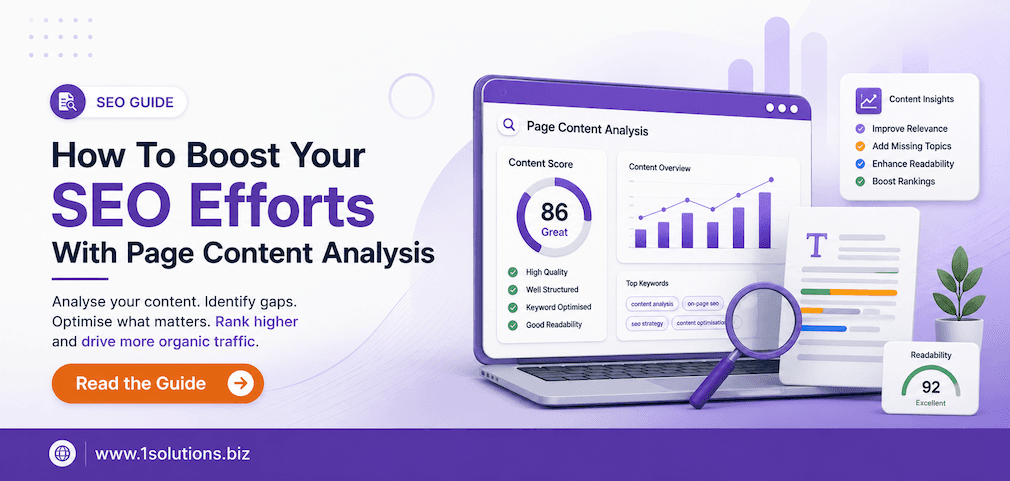
For a practical example of how page content analysis feeds into this process, read our guide on how to boost your SEO efforts with page content analysis. Identifying content gaps within your clusters is the fastest way to spot where topical authority is missing.
The trade-off here is time. Building genuine topical authority through original, expert content is slow. It can take six to twelve months of consistent publishing to establish meaningful cluster depth. But the pay-off in sustained rankings, especially in competitive niches, far outweighs the effort compared to chasing individual keyword rankings with disconnected posts.
💡 Pro Tip: Use Google Search Console’s Performance report to identify which of your existing pages are ranking on page two or three for topically related queries. These are your best candidates for updating and deepening to strengthen cluster authority quickly.
5. Optimize for Trust Signals Across Your Entire Website
Trustworthiness is the pillar Google weights most heavily. Even if your content demonstrates genuine expertise and experience, a site that lacks basic trust signals will underperform. Trust is evaluated at the page level and the domain level simultaneously, which means weak site-wide signals can drag down your best individual pages.
Essential trust signals include: HTTPS encryption on every page, a clearly visible privacy policy, a terms of service page, a functional and monitored contact page, a physical or mailing address where relevant, and transparent editorial standards or correction policies. Review sites and directories that feature your brand as a reputable business also contribute to domain-level trust.
For businesses that have faced reputation challenges, those trust signals become even more critical. This is an area where professional reputation management services can make a meaningful difference, not just for public perception but for the trust signals Google’s systems detect when crawling mentions of your brand across the web.
According to a 2023 Moz study, domains with clear editorial transparency policies and author accountability structures earned significantly higher domain authority scores over a twelve-month period compared to anonymous or opaque content sites in the same niche. Trust infrastructure is not optional for competitive rankings.
6. Use Structured Data to Make Expertise Machine-Readable
Structured data, specifically schema markup, is how you communicate E-E-A-T signals in a format that Google’s systems can parse directly, without relying on a human quality rater to infer them. Marking up your content with the correct schema types tells Google explicitly who wrote the content, what organization it belongs to, what credentials the author holds, and what the content is about.
The most relevant schema types for E-E-A-T purposes include: Article or BlogPosting schema with author properties, Person schema for author profiles, Organization schema with contact details and logo, and FAQPage schema for content that includes question-and-answer sections. For medical or professional content, Physician or LegalService schemas add additional trust signals.
Implementing schema correctly requires both technical accuracy and content accuracy. A schema markup that claims an author holds credentials they do not actually hold is not just ineffective; it is potentially harmful if Google’s systems flag the inconsistency. Always ensure your structured data reflects reality.
If you are unsure whether your current schema implementation is supporting or undermining your E-E-A-T signals, a structured technical SEO audit from an experienced SEO company can identify gaps quickly. Schema errors are surprisingly common and easy to fix once identified.
7. Refresh and Update Content Regularly to Maintain Accuracy
Content that was accurate eighteen months ago may be misleading today. Outdated statistics, deprecated tools, superseded guidelines, or changed regulations can all turn previously trustworthy content into a trust liability. Google’s quality evaluators are specifically instructed to consider the freshness and accuracy of content when assessing its overall quality.
A 2024 HubSpot report found that companies that updated old blog posts saw an average 106% increase in organic traffic from those specific pages, compared to pages left unchanged over the same period. The implication is significant: refreshing existing content often delivers faster ranking improvements than publishing new content from scratch.
Establish a content audit calendar. Review your highest-traffic pages quarterly and your full content library at least annually. When updating, do not just change the publication date. Make substantive improvements: add new statistics, remove outdated references, expand sections that now have more available information, and update internal links to reflect newer content on your site.
For guidance on specific ranking factors that affect article freshness in news and timely contexts, our breakdown of key SEO strategies for Google News article ranking covers the freshness signals that matter most.
8. Build a Strong External Link Profile That Reflects Real Authority
Your backlink profile is one of the most visible proxies for Authoritativeness that Google uses. When credible external sites link to your content, they are effectively vouching for your expertise. Conversely, a backlink profile dominated by low-quality, irrelevant, or paid links actively signals low authority and can trigger algorithmic or manual penalties.
The quality of links matters far more than the quantity. A single link from a respected industry publication carries more E-E-A-T weight than fifty links from generic directories. Focus your link acquisition efforts on earning coverage in niche-relevant publications, contributing expert commentary to industry roundups, and creating original research or data that other sites want to cite.
Our detailed guide on how to build backlinks in competitive and low-competition niches walks through specific tactics adapted to your market’s difficulty level. And if your current link profile has already attracted a penalty, our Google penalty recovery services can help you diagnose and reverse the damage without losing your existing authority.
Be honest about the trade-offs: link building done right is slow and resource-intensive. Shortcuts almost always create future liabilities. Sustainable authority comes from consistently producing content that earns links on its own merit, supported by strategic outreach and relationship building with relevant publications.
💡 Pro Tip: Track your brand mentions using a tool like Google Alerts or Ahrefs Alerts. When someone mentions your brand without linking to you, reach out politely and request that they add a link. Unlinked brand mentions are one of the easiest sources of high-quality backlinks.
9. Align Content Purpose With Genuine User Intent
E-E-A-T is not purely about credentials and citations. It is also about whether your content actually serves the person reading it. Google’s quality guidelines refer to this as “beneficial purpose,” and it directly affects how raters score a page’s overall quality. Content that exists primarily to rank for a keyword, rather than to help a real reader accomplish something, fails this test regardless of how technically optimized it is.
Understanding intent means going beyond whether a query is informational, navigational, or transactional. It means asking what the person searching that query actually needs to walk away satisfied. A search for “how to fix a failed link building strategy” is informational, but the person asking it needs actionable diagnosis steps, not a general overview of what link building is. Our post on how to fix a failed link building strategy is a good example of matching content depth to real user need.
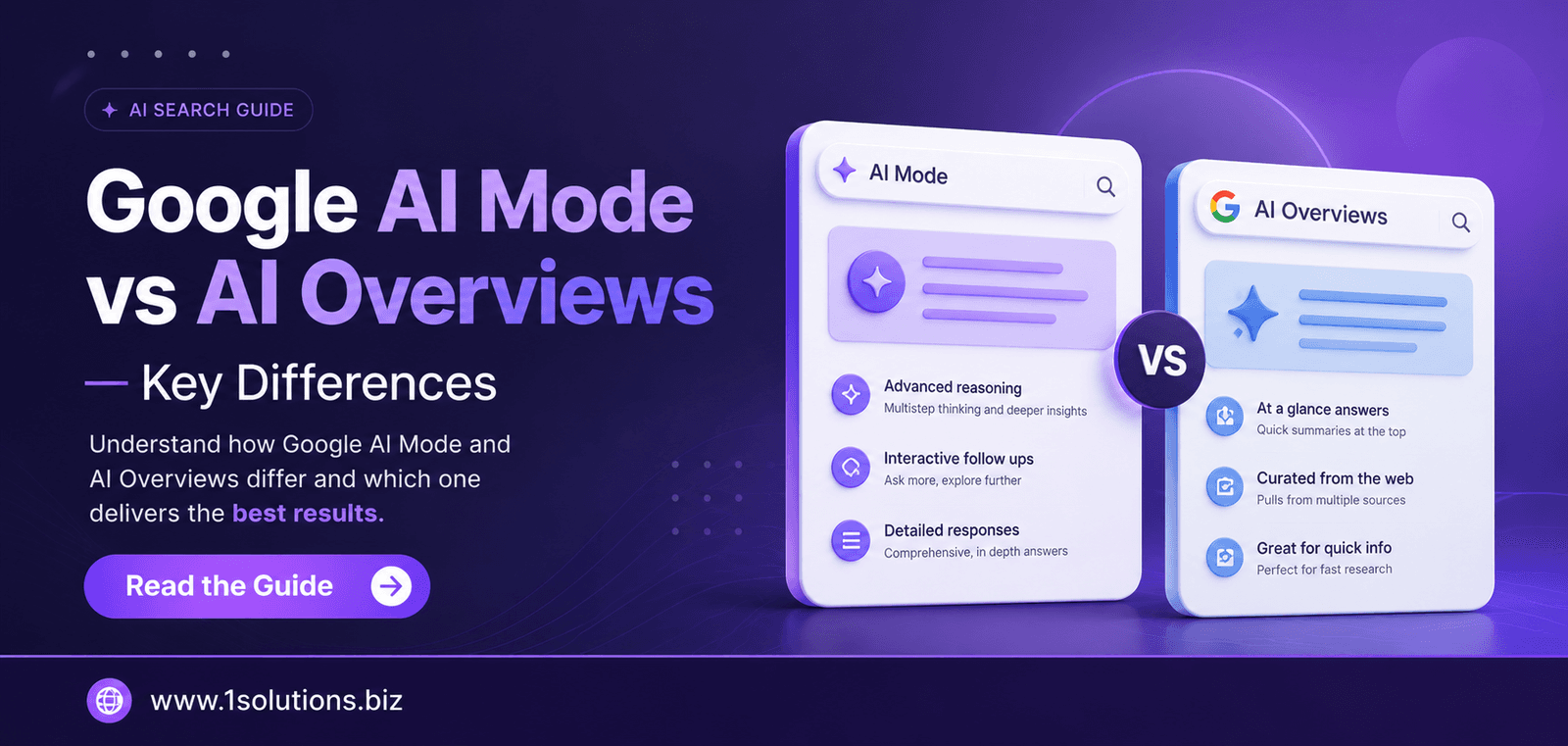
As AI-generated content floods the web, genuine intent alignment is becoming a stronger differentiator. Google’s systems, increasingly powered by machine learning, are better at detecting content that fills space versus content that fills a real information gap. Understanding how Google AI Overviews and AI Mode differ in how they surface content can help you understand what kind of content Google is now prioritizing in different result types.
Map every piece of content you create to a specific user need, a specific stage in their decision journey, and a specific outcome they should achieve after reading. If you cannot articulate all three, the content is probably not ready to publish.
10. Monitor E-E-A-T Signals Continuously and Audit After Algorithm Updates
E-E-A-T is not a one-time checklist you complete and forget. Google updates its quality guidelines, refines its algorithms, and shifts its weighting of individual signals regularly. What passed quality review eighteen months ago may need adjustment today. Monitoring your E-E-A-T health is an ongoing operational discipline, not a one-off project.
Set up a regular rhythm of checking your Search Console coverage reports, tracking rankings for your key pages, monitoring your brand’s reputation across external review platforms, and reviewing any algorithm update announcements that might signal shifts in quality weighting. When a broad core update rolls out, check your traffic patterns immediately. Pages that drop sharply after a core update are often signaling an E-E-A-T gap that the update’s refined signals exposed.
For context on how recent algorithm changes interact with content quality signals, our analysis of the Google March 2026 Spam Update explains what the latest changes mean for content publishers specifically. Staying current with algorithm behavior is part of E-E-A-T compliance, because the framework itself evolves.
According to Google’s own documentation updated in 2024, the company conducts thousands of quality tests annually before releasing algorithm changes. Those tests are evaluated by human quality raters using the E-E-A-T guidelines. Understanding what those raters look for is the most direct way to align your content with what Google ultimately rewards.
E-E-A-T Checklist: Quick Comparison of Strong vs. Weak Content Signals
| E-E-A-T Pillar | Strong Signal | Weak Signal |
|---|---|---|
| Experience | Original photos, personal case studies, real outcome data | Entirely aggregated from third-party sources, no personal insight |
| Expertise | Named author with verified credentials and topical publication history | Anonymous authorship or generic “staff” byline |
| Authoritativeness | Editorial backlinks from niche-relevant, reputable publications | Link profile dominated by directories or paid placements |
| Trustworthiness | HTTPS, privacy policy, editorial standards page, accurate schema markup | No contact info, missing policies, HTTP-only pages |
| Content Freshness | Dates reviewed and updated, new statistics integrated | Outdated statistics, deprecated tools referenced without correction |
| Source Citations | Links to primary research, government data, peer-reviewed studies | No citations, or links to secondary summaries without attribution |
Practical Action Plan: What to Prioritize Right Now
- Do This Now: Audit your top ten traffic pages for anonymous authorship, missing author bios, and outdated statistics. Fix these immediately. These are the highest-impact, lowest-effort E-E-A-T improvements available to most sites.
- Do This Now: Install and verify your schema markup using Google’s Rich Results Test. Fix any errors in Article, Person, or Organization schema on your key pages this week.
- Worth Doing: Build a content cluster plan around your two or three core topics. Map existing content to the cluster, identify gaps, and create a publishing calendar to fill them over the next three months.
- Worth Doing: Set up brand mention monitoring and begin converting unlinked mentions to editorial backlinks. This builds authority without requiring new content creation.
- Worth Doing: Create or update your site’s editorial standards page, privacy policy, and contact information. These trust signals are quick to implement and durable in their impact.
- Low Priority: Redesigning your site’s visual layout purely for perceived credibility. While design matters for user experience, fixing content and structural E-E-A-T signals delivers faster ranking impact than cosmetic redesigns.
- Low Priority: Pursuing high-domain-authority backlinks from unrelated niches. Focus link building effort on relevance first, authority second.
Conclusion: Apply This Google E-E-A-T Content Quality Checklist Consistently
The Google E-E-A-T Content Quality Checklist outlined in this guide is not a shortcut to overnight rankings. It is a framework for building the kind of content infrastructure that earns and sustains high rankings over time. Experience, Expertise, Authoritativeness, and Trustworthiness are not abstract ideals. They are measurable, auditable signals you can improve with deliberate, systematic action.
Start with the items that address the most obvious gaps on your site: authorship, source citation, schema, and trust signals. Then move to the longer-term plays: topical clustering, link profile quality, and ongoing content freshness. The compounding effect of consistent E-E-A-T improvement is significant. Sites that treat quality as a discipline rather than a checklist item tend to outperform sites that chase individual tactics.
If you want expert support applying these principles at scale, our comprehensive SEO services are built around exactly this kind of quality-first methodology. And if you are looking for a structured starting point without a long-term commitment, our free 45-day SEO trial lets you experience the process with no upfront risk.
Frequently Asked Questions About Google E-E-A-T
Is E-E-A-T a direct Google ranking factor?
No. Google has confirmed that E-E-A-T is not a single direct ranking signal. Instead, it is a quality framework used by human quality raters to evaluate content, and those evaluations inform how Google trains and refines its algorithms. The practical effect on rankings is real and significant, even though there is no single “E-E-A-T score” in the algorithm.
Does E-E-A-T apply to all websites or just YMYL sites?
E-E-A-T applies to all websites, but the stakes are highest for YMYL (Your Money or Your Life) sites covering health, finance, law, and safety topics. For these categories, Google applies stricter quality evaluation because inaccurate content could directly harm users. Non-YMYL sites still benefit from strong E-E-A-T signals, but the threshold for acceptable quality is somewhat lower.
Can small websites with new authors compete on E-E-A-T?
Yes, but it requires intentional strategy. New authors can build experience signals through original research, documented personal projects, and transparent disclosure of their learning process. Credibility is built incrementally. Partnering with established experts for quotes, contributing to external publications, and building a consistent publishing track record all accelerate authority building for newer sites and authors.
How often should I update existing content for E-E-A-T purposes?
High-traffic and high-stakes pages should be reviewed at least quarterly. Full content library audits should happen annually at minimum. After any major algorithm update, review your top pages for drops that might indicate quality gaps exposed by the update. For rapidly changing topics, such as AI, technology, or regulations, more frequent updates may be necessary to maintain accuracy.
What is the single biggest E-E-A-T mistake most sites make?
Anonymous authorship. Publishing content without a named, verifiable author is the fastest way to fail a quality rater evaluation, especially on YMYL topics. Adding real author profiles with genuine credentials, professional photos, and external verification points is often the single highest-impact E-E-A-T fix available to sites that currently use generic bylines or publish without attribution entirely.