
What Is Keyword Cannibalization and Why Does It Hurt Your Rankings?
If you want to solve keyword cannibalization and improve your SEO, you first need to understand what you are dealing with. Keyword cannibalization happens when two or more pages on your website compete against each other for the same search query. Instead of one strong page dominating the results, Google gets confused about which page to rank, splits link equity across multiple URLs, and often ends up ranking neither page as high as it should be.
The problem is more common than most site owners realize. According to a study by Ahrefs (2023), over 50% of websites with more than 100 indexed pages have at least one case of keyword cannibalization hurting their organic performance. The result is diluted authority, inconsistent rankings, and wasted crawl budget, all of which compound over time if left unaddressed.
This guide walks you through exactly 10 actionable steps to identify, fix, and prevent keyword cannibalization so your pages can compete at full strength.
Keyword cannibalization occurs when multiple pages on your site target the same keyword, causing them to compete against each other in search results. This listicle covers 10 proven methods to diagnose and fix the problem, from conducting a content audit to using canonical tags and 301 redirects. Apply these strategies systematically to consolidate authority and lift your organic rankings.
⚡ Key Takeaways
- Keyword cannibalization splits ranking authority between competing pages, weakening all of them simultaneously.
- A structured content audit is the essential first step before applying any technical fix.
- Canonical tags, 301 redirects, and content merging are the three most effective resolution tactics.
- Internal linking strategy plays a direct role in signaling which page should rank for a target keyword.
- Ongoing keyword mapping prevents new cannibalization from forming as you publish fresh content.
- Tools like Google Search Console, Screaming Frog, and Semrush can surface cannibalizing pages quickly.
- Fixing cannibalization is not a one-time task; it requires quarterly review as your content library grows.
10 Proven Ways to Solve Keyword Cannibalization and Improve Your SEO
1. Run a Full Content Audit to Identify Competing Pages
You cannot fix what you have not found yet. The very first step to solve keyword cannibalization and improve your SEO is to conduct a thorough content audit across your entire site. Export every indexed URL from Google Search Console, then cross-reference it with a crawl tool such as Screaming Frog or Sitebulb. Record the target keyword, title tag, and meta description for each page in a spreadsheet.
Once you have that data, sort by keyword theme. Pages targeting nearly identical queries will group together visually, making cannibalization patterns obvious. Pay special attention to blog posts, category pages, product pages, and landing pages that cover overlapping topics. For instance, if you have a pillar page on “SEO best practices” and three blog posts each partially targeting the same phrase, all four pages are eating into each other’s authority.
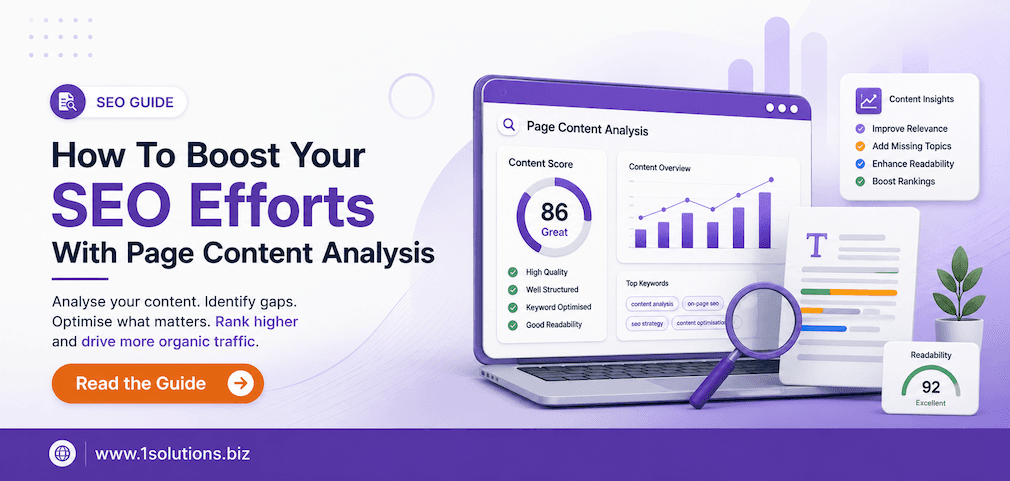
A content audit also helps you spot low-quality pages that serve no user or search purpose. According to SEMrush’s State of Content Marketing Report (2023), websites that regularly prune or consolidate thin content see an average 14% improvement in organic visibility within six months. That statistic alone justifies the upfront investment of a full audit. The audit output becomes your working document for every fix you will apply in the steps that follow. Without it, you are guessing rather than strategizing. If you want a deeper look at how content analysis shapes rankings, this guide on how to boost your SEO efforts with page content analysis is worth reading alongside your audit work.
2. Build a Keyword Map So Every Page Has a Unique Focus
A keyword map is a document that assigns one primary keyword and a set of supporting secondary keywords to each page on your site. Think of it as a traffic management system for your content. When every page has a clearly defined keyword territory, there is no overlap, no confusion for search engines, and no internal competition.
Start by listing all the keywords you want to rank for, then cluster them by search intent: informational, navigational, commercial, or transactional. Pages targeting the same intent cluster and similar modifier words are your cannibalization risk zones. Assign each cluster to exactly one URL. If you already have content covering a cluster across multiple pages, note it for consolidation in a later step.
Keyword mapping is also a prerequisite for scalable content production. Before publishing anything new, check your map. If the keyword is already covered, either strengthen the existing page or create a clearly differentiated angle with distinct intent. This discipline prevents future cannibalization before it starts. Small businesses and startups that implement keyword mapping early tend to build much cleaner site architectures, which is one of the core SEO strategies that work best for startups. Update your keyword map every quarter as new content is added and search trends shift.
💡 Pro Tip: Use Google Search Console’s Performance report filtered by page to see exactly which queries each URL is already ranking for. If two pages appear in the top 20 for the same query, that is a confirmed cannibalization signal requiring immediate attention.
3. Use Google Search Console to Spot Real Cannibalizing Pairs
Google Search Console is the most direct diagnostic tool available, and it is free. Navigate to the Performance section, click on a target keyword, then switch to the Pages tab. If more than one URL appears for a single query, you have found a live cannibalization pair. This method confirms actual Google behavior rather than theoretical overlap.
Document every cannibalizing pair you find. Note which URL is receiving more impressions and clicks, and which one you actually want to rank. The page with stronger metrics, more backlinks, or better alignment with search intent is typically your “winner” page. The other becomes a candidate for merging, redirecting, or differentiating.
You can also use the URL Inspection tool to check how Google is interpreting individual pages. If the indexed URL differs from your preferred canonical, that is a technical signal contributing to cannibalization. Repeat this diagnostic process monthly, especially after publishing new content or restructuring your site navigation. Knowing why Google is not indexing certain pages is closely related to this diagnostic work, because indexing gaps and cannibalization often stem from the same root causes: unclear signals and competing page structures.
4. Consolidate Thin or Overlapping Content Into One Authoritative Page
Content consolidation is one of the highest-impact fixes available for keyword cannibalization. When you have two or three mediocre pages covering the same topic, merging them into a single comprehensive resource gives Google one clear, authoritative signal instead of several weak ones. The combined page benefits from all the existing backlinks, user engagement signals, and topical depth that were previously split across multiple URLs.
The process involves identifying which cannibalizing page performs best, using it as your base, and incorporating the unique value from the weaker pages into it. Once the merged page is live, redirect all retired URLs to it with 301 redirects. Do not simply delete old pages without redirecting, or you will lose whatever link equity they carried.
According to Moz’s Whiteboard Friday research (2022), consolidating competing pages can produce ranking improvements within four to eight weeks, particularly for keywords in the middle of the search results between positions five and fifteen. Those mid-ranking positions tend to respond quickly to authority consolidation because the pages are already on Google’s radar. Content consolidation pairs naturally with professional content and copywriting services if the rewriting scope is large. The goal is a single page that is objectively more thorough, better structured, and more useful than any of the individual pages it replaced.
5. Implement 301 Redirects to Pass Full Link Equity
Once you have decided which pages to retire, a 301 permanent redirect is the technically correct way to consolidate their authority. A 301 redirect tells search engines that the content has permanently moved to a new URL, transferring approximately 90 to 99% of link equity from the old page to the destination. This is not a marginal improvement; for pages with backlinks pointing to them, it is the difference between losing that authority completely and keeping it working for your target page.
Set up 301 redirects at the server level rather than relying on JavaScript or meta refresh tags. Server-side redirects are processed faster by crawlers and carry full equity transfer. Use your .htaccess file for Apache servers or the nginx configuration for Nginx-based hosting. If you are on WordPress, a plugin like Redirection can manage this cleanly, though always verify the implementation with a redirect checker tool afterward.
Maintain a redirect log that records the source URL, destination URL, date implemented, and reason. This log becomes invaluable during future audits and prevents accidental redirect chains from forming. A redirect chain occurs when URL A redirects to URL B, which then redirects to URL C, each hop bleeding a small amount of link equity. Keep your redirect paths direct: one source to one destination, with no intermediate stops.
💡 Pro Tip: After implementing 301 redirects, update all internal links pointing to the old URLs. Internal links pointing directly to the final destination page load faster, pass cleaner signals, and improve crawl efficiency compared to links that rely on redirect chains to reach the target.
6. Use Canonical Tags to Designate the Preferred Page
Canonical tags are a lighter-touch solution for situations where you need to keep multiple similar pages live but want to clearly signal which one should receive ranking credit. The rel=”canonical” tag is placed in the HTML head of the non-preferred pages, pointing to the URL you want Google to treat as authoritative. This is particularly useful for ecommerce sites where product pages exist in multiple filtered or sorted versions, creating near-duplicate URL clusters.
For example, if your product appears at both /product/red-shoes and /product/red-shoes?color=red, the canonical tag on the filtered version pointing back to the clean URL tells Google to consolidate ranking signals to the primary page. This prevents the parameter-based URLs from competing with or diluting the main product page.
One important caveat: canonical tags are hints, not directives. Google treats them as strong suggestions but may override them if it disagrees with your designation. If Google is consistently ignoring your canonical tags, that is a sign of deeper content similarity issues requiring consolidation or differentiation rather than just a tag fix. Canonical tags work best in combination with consistent internal linking to the preferred URL. For ecommerce businesses managing large product catalogs, a structured approach to both canonical tags and content organization is a central part of effective ecommerce SEO strategy.
7. Restructure Internal Links to Reinforce the Right Page
Internal links are one of the most underused levers for resolving keyword cannibalization. Every time you link from one page to another using keyword-rich anchor text, you are casting a vote for that destination page’s relevance to that keyword. If your internal links are inconsistently pointing to different pages for the same keyword, you are amplifying the confusion that Google already has about which page should rank.
Audit your internal linking structure and ensure that all links using your target keyword as anchor text point to a single designated page. Use tools like Screaming Frog to export all internal links with their anchor text, then identify any cases where the same anchor text points to multiple different destination URLs. Standardize them to point exclusively to your chosen winner page.
Beyond fixing existing inconsistencies, use internal links proactively to establish topical hierarchy. Your pillar page should receive links from all related cluster pages. Cluster pages should link to each other contextually when relevant, but always with the pillar page positioned as the primary authority. This hub-and-spoke structure communicates content relationships clearly to Google and concentrates topical authority where it counts most. The comprehensive guide on how to use internal links to boost backlink impact goes deeper on this strategy and is a practical companion resource for this step.
8. Differentiate Page Intent to Eliminate Overlap
Not every case of keyword cannibalization requires a redirect or merge. Sometimes the right fix is repositioning. Two pages might be targeting the same keyword but serving genuinely different intents. The problem is that their content has drifted toward the same middle ground, causing Google to see them as duplicates rather than complements.
Examine the search intent behind each cannibalizing page. Is one page informational, walking a reader through a concept, while the other is commercial, built to convert visitors into leads? If so, restructure each page so its content, heading structure, and calls to action clearly match its intended role. Update the title tags and meta descriptions to reflect the distinction. Informational pages should lead with educational framing. Commercial pages should lead with value propositions and solutions.
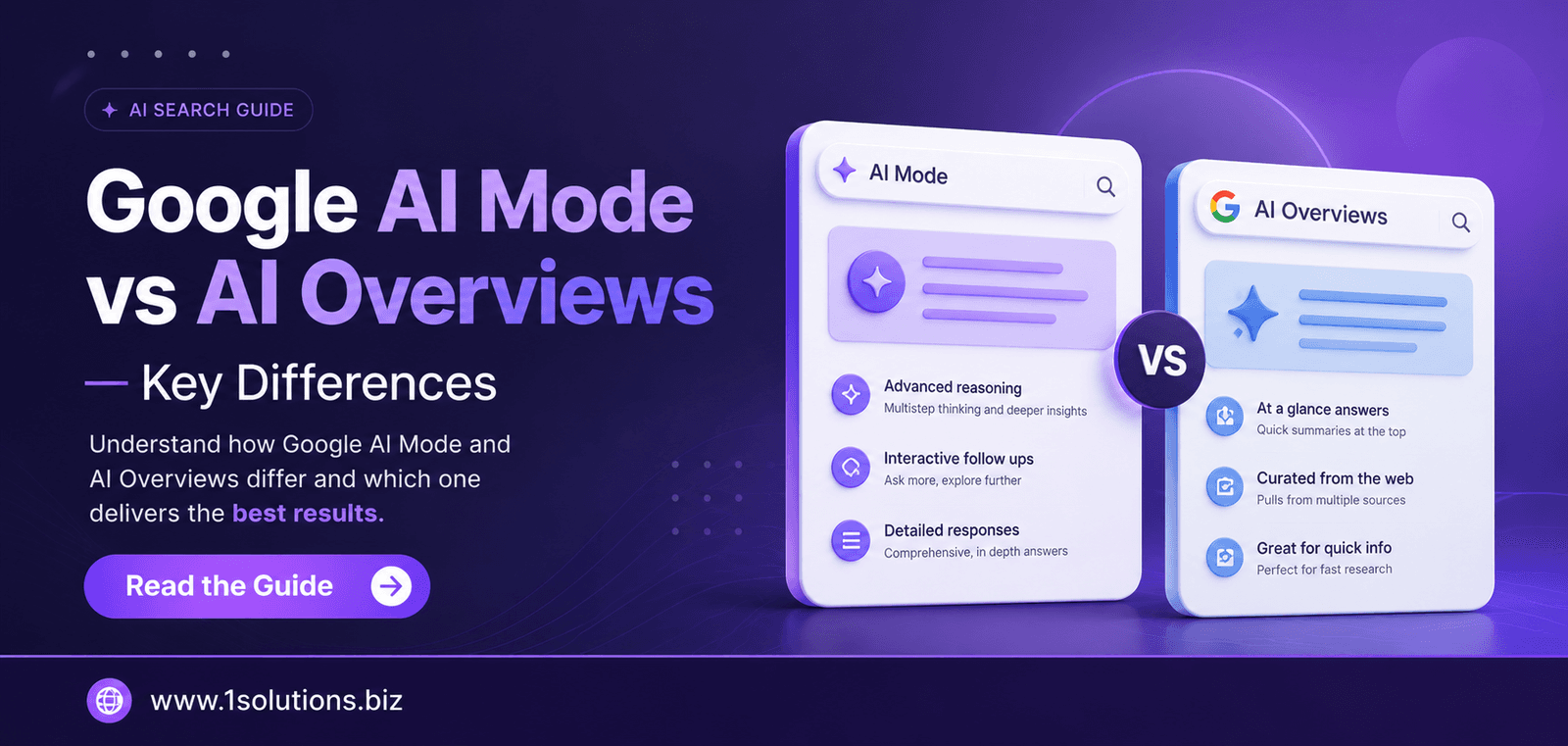
When you differentiate by intent rather than just keyword phrasing, you create pages that genuinely serve different audiences at different stages of the buying journey. Google’s algorithms are increasingly adept at matching pages to intent clusters rather than just exact phrases. A well-differentiated page set can rank for a broader range of related queries simultaneously, rather than competing narrowly for one phrase. This approach also improves user experience, which feeds positive engagement signals back to your rankings. Understanding how Google’s evolving AI systems interpret intent differences is explored well in this piece on Google AI Mode vs AI Overviews.
💡 Pro Tip: When differentiating pages by intent, adjust more than just the body copy. Update the page title, URL slug if practical, meta description, H1, and opening paragraph to immediately signal the distinct purpose of the page to both users and search crawlers.
9. Optimize Title Tags and Meta Descriptions for Each Unique Page
Title tags and meta descriptions are the first signals Google reads to understand what a page is about and who it should be shown to. When two pages share nearly identical title tags targeting the same keyword, you are reinforcing the cannibalization problem at the most fundamental level of on-page optimization. Fixing this is one of the quickest wins available.
Each page must have a unique title tag that reflects its specific angle, audience, or content type. If your primary page targets “SEO audit checklist” and a secondary page covers “how to perform an SEO audit,” the title tags should make that distinction unmistakably clear. Use modifiers that reflect intent: words like “guide,” “checklist,” “examples,” “for beginners,” or “advanced” help differentiate similar topics without abandoning keyword relevance.
Meta descriptions, while not a direct ranking factor, influence click-through rates. A higher click-through rate on your preferred page sends a positive engagement signal and helps Google understand user preference between competing pages. Write meta descriptions that describe the specific value a user will get from that particular page, not a generic summary that could apply to any related page on your site. According to a BrightEdge study (2022), pages with unique, well-optimized title tags receive up to 20% more organic clicks compared to pages with generic or duplicated titles. This small change at the metadata level has measurable downstream effects on ranking stability.
10. Monitor and Prevent Future Cannibalization With Ongoing Audits
Fixing keyword cannibalization is not a one-time project. Your site grows, your content team publishes regularly, and search intent evolves. Without a systematic prevention process, new cannibalization will form even after you have resolved existing conflicts. The final step is building a monitoring routine that keeps your site clean on an ongoing basis.
Schedule quarterly content audits using the same process outlined in step one. Revisit your keyword map every time you plan a new piece of content. Before publishing, check whether the target keyword is already covered by an existing page. If it is, decide whether to update the existing page, differentiate the new content clearly by intent, or skip the topic entirely if adding it provides no new value.
Set up automated alerts in Google Search Console for significant ranking fluctuations on key pages. Sudden drops often signal new cannibalization from a recently published page. Tools like Semrush’s Position Tracking feature can alert you when the same domain starts ranking multiple URLs for a single keyword, giving you an early warning before the problem deepens. According to Backlinko (2023), websites that perform regular content audits twice per year or more maintain 30% better average ranking positions than those that audit only once or not at all. The long-term payoff of disciplined monitoring far outweighs the effort involved. If your site has experienced broader ranking drops that go beyond cannibalization, exploring professional search engine optimization services and, where necessary, Google penalty recovery can help diagnose and address compound issues affecting your visibility.
Keyword Cannibalization Fix: Comparison of Core Tactics
| Fix Method | Best Used When | Effort Level | Speed of Impact |
|---|---|---|---|
| 301 Redirect | One page is clearly weaker with few or no backlinks | Low | Fast (weeks) |
| Content Consolidation | Multiple thin pages cover the same topic | High | Medium (1-2 months) |
| Canonical Tag | Near-duplicate URLs must stay live (ecommerce filters) | Low | Medium (weeks) |
| Intent Differentiation | Pages serve different stages of the buyer journey | Medium | Medium (1-2 months) |
| Internal Link Restructure | Supporting any of the above methods | Medium | Fast (weeks) |
| Title Tag Optimization | Pages share near-identical metadata | Low | Fast (weeks) |
| Keyword Mapping | Preventing future cannibalization proactively | Medium | Long-term prevention |
Practical Action Plan: Where to Start
- Do This Now: Run a Google Search Console diagnostic to identify current cannibalizing page pairs. Export the data, flag confirmed conflicts, and prioritize pages that are ranking between positions five and twenty for your most valuable keywords. These are the pages where fixing cannibalization will produce the fastest measurable ranking lift.
- Worth Doing: Build or update your keyword map, conduct a full content audit, and implement 301 redirects or canonical tags for any cannibalizing pairs you have identified. Restructure your internal links to consistently point to your designated winner pages using consistent anchor text. Review and update title tags and meta descriptions across all affected pages.
- Low Priority: Set up automated monitoring tools and schedule quarterly audits for ongoing prevention. While important for long-term health, these tasks build on the foundation of fixes you have already implemented. Getting the active cannibalization resolved first will produce immediate gains; the monitoring layer protects those gains over time.
Conclusion
The ability to solve keyword cannibalization and improve your SEO is one of the most direct paths to better rankings without needing to create any new content. By systematically auditing your site, mapping keywords to unique pages, applying the right technical fixes, and monitoring for future issues, you give your best pages the undivided authority they need to rise in the results. Each of the 10 steps in this guide builds on the last, creating a compound improvement effect rather than a series of isolated tweaks. Start with the diagnostic steps, apply the highest-impact fixes first, and build the monitoring habits that keep your site clean for the long term.
Frequently Asked Questions
How do I know if keyword cannibalization is hurting my rankings right now?
Check Google Search Console’s Performance report. Filter by a specific keyword, then click the Pages tab. If two or more URLs from your site appear for the same query, you have active cannibalization. Additional signs include erratic ranking fluctuations for a keyword, lower-than-expected click-through rates, and multiple pages from your domain appearing in the same search results with similar titles.
Is keyword cannibalization always bad, or can it ever help?
In most cases, cannibalization is harmful because it splits authority and confuses ranking signals. However, in rare situations such as a highly authoritative domain with multiple pages ranking in the top three positions for different intents around the same broad query, the effect can be neutral. For the vast majority of sites, particularly those outside the top 20 for a keyword, consolidation is the better strategy.
How long does it take to see improvements after fixing cannibalization?
Simple fixes like 301 redirects and title tag changes can show results within two to four weeks as Google re-crawls and re-evaluates the affected pages. Content consolidation and authority-building changes typically take six to ten weeks to reflect in rankings. The timeline depends on how often Google crawls your site and how competitive the target keywords are.
Can I use noindex tags instead of 301 redirects to fix cannibalization?
Noindex removes a page from search results but does not pass its link equity to another page. Using noindex to suppress a cannibalizing page means you lose all the backlinks pointing to it. A 301 redirect is almost always the better choice because it consolidates the equity from the retired page into your preferred URL. Use noindex only for pages that have no link equity worth preserving.
Does keyword cannibalization affect paid search campaigns as well as organic rankings?
Yes. In paid search, cannibalizing pages can lead to internal bidding competition where different ad groups target overlapping keywords, driving up your own costs. While the mechanisms differ from organic SEO, the underlying issue is the same: unclear keyword ownership leads to internal conflict. Aligning your keyword map across both paid and organic efforts ensures consistent messaging and avoids wasted ad spend.