
12 SEO Audit Tools to Use for Website Analysis and Optimization
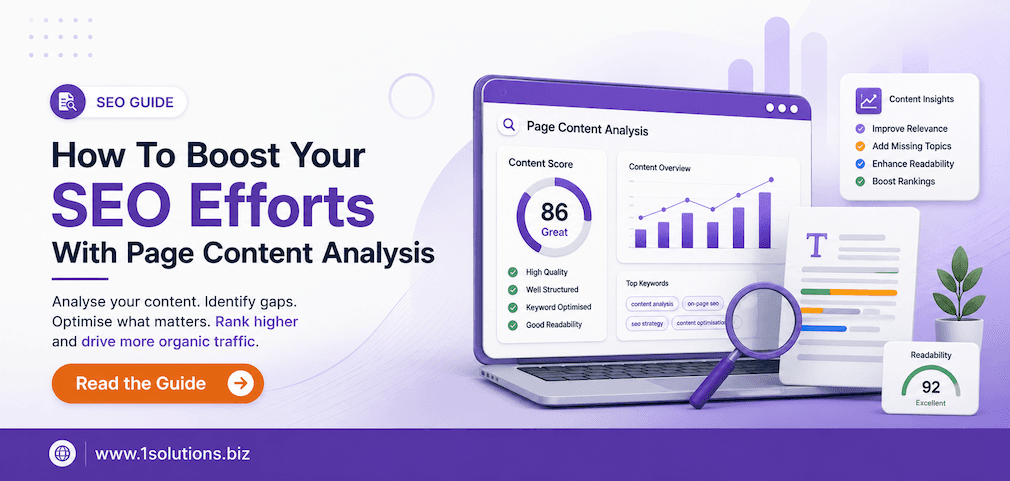
Choosing the right SEO audit tools can make the difference between a website that ranks on page one and one that sits invisible in search results. Whether you are running a small business site or managing an enterprise-level web property, regular audits help you identify technical issues, content gaps, and link problems before they quietly destroy your organic traffic. According to BrightEdge (2023), organic search drives 53% of all website traffic, making SEO one of the most valuable channels to protect and optimize. The tools listed below are trusted by professionals worldwide and cover every angle of a proper SEO audit. If you want to go deeper into content-level fixes, check out this guide on how to boost your SEO efforts with page content analysis.
Why SEO Audits Matter Before You Pick a Tool
An SEO audit is not a one-time event. It is an ongoing process that helps you keep your website healthy, competitive, and aligned with search engine guidelines. Moz (2023) reports that 61% of marketers say improving SEO and growing organic presence is their top inbound marketing priority. Without a structured audit, problems like broken links, slow page speed, duplicate content, and missing metadata can pile up silently. The tools below give you the diagnostic power to find those problems and act on them quickly.
The 12 Best SEO Audit Tools for Website Analysis and Optimization
1. Google Search Console
Google Search Console is the starting point for any serious SEO audit. It is a free tool provided directly by Google, which means the data you get here reflects exactly how Google sees your website. You can monitor indexing status, identify crawl errors, review Core Web Vitals performance, and see which search queries are driving impressions and clicks. The URL Inspection tool lets you check any individual page to understand whether it has been indexed and why it might be excluded. Search Console also sends manual action notifications, which alert you if your site has been penalized for violating Google’s quality guidelines. For teams that want to understand why certain pages are not showing up in results, this is the most authoritative source available. If you have been struggling with indexing issues, the article on why Google is not indexing your page pairs perfectly with what Search Console reveals. Best of all, there is no cost to use it, making it accessible to businesses at every budget level.
2. Screaming Frog SEO Spider
Screaming Frog SEO Spider is a desktop-based crawler that mimics how search engine bots move through your website. It collects data on every URL it finds, including title tags, meta descriptions, heading structure, response codes, canonical tags, and much more. The free version allows you to crawl up to 500 URLs, while the paid version removes that cap entirely. It is especially useful for identifying redirect chains, broken internal links, missing alt text on images, and pages with duplicate content. You can also connect it to Google Analytics and Search Console for enriched reporting. One of its most powerful features is the ability to generate an XML sitemap and visualize your site architecture. Technical SEO professionals rely on Screaming Frog heavily because it gives raw, unfiltered data about every element of your site’s crawlability. It runs locally on your machine, which means you are not relying on a cloud-based tool that might throttle your data or limit your crawl depth.
3. Semrush Site Audit
Semrush is one of the most comprehensive digital marketing platforms available, and its Site Audit feature is a standout among all SEO audit tools on the market. It checks your website across more than 140 technical and on-page SEO issues, organized into categories like crawlability, HTTPS implementation, site performance, internal linking, and markup quality. Each audit run produces a site health score, giving you a quick benchmark to track improvement over time. The tool highlights issues with clear severity labels, so you know what to prioritize. Semrush also integrates with its keyword research, backlink analysis, and competitor tracking modules, meaning you can move from an audit finding directly into a strategic action within the same platform. For startups building their SEO foundation, pairing Semrush audits with the advice in this guide on 10 SEO strategies that work best for startups creates a strong workflow for sustainable growth.
4. Ahrefs Site Audit
Ahrefs is widely respected for its backlink index, but its Site Audit module is equally capable. It crawls your entire website and produces a detailed health report covering over 100 pre-defined SEO issues. The visual crawl report helps you understand the internal link structure of your site and spot orphaned pages that receive no internal links at all. Ahrefs Site Audit also checks for issues like slow-loading pages, missing structured data, hreflang errors, and JavaScript rendering problems. One feature that sets it apart is its Page Explorer, which lets you filter and sort pages based on specific SEO properties such as word count, number of internal links, or HTTP status. The tool re-crawls your site on a scheduled basis, so you always have fresh data to work with. Ahrefs is particularly strong for agencies managing multiple client sites because of its project management features and exportable reports that make client communication straightforward.
5. Google PageSpeed Insights
Page speed is a confirmed ranking factor, and Google PageSpeed Insights gives you a direct window into how fast your pages load and how well they score against Core Web Vitals metrics. These metrics include Largest Contentful Paint (LCP), Interaction to Next Paint (INP), and Cumulative Layout Shift (CLS). The tool analyzes both mobile and desktop performance separately, which is critical because mobile users now account for the majority of web traffic globally. According to Google (2023), pages that load within two seconds have a significantly lower bounce rate than slower pages. PageSpeed Insights provides specific, actionable recommendations such as eliminating render-blocking resources, optimizing image formats, and leveraging browser caching. You do not need an account to use it, and it works on any publicly accessible URL. It is a simple but powerful addition to your audit workflow, especially when combined with a technical crawler like Screaming Frog.
6. Moz Pro Site Crawl
Moz Pro is a well-established SEO platform with a site crawl feature that identifies critical on-page and technical SEO issues across your entire domain. It checks for problems like missing title tags, duplicate page titles, low word count pages, broken links, and missing meta descriptions. What makes Moz Pro particularly accessible is its user interface, which is intuitive even for people who are not deeply technical. The platform assigns a Page Authority (PA) and Domain Authority (DA) score to every page and domain, giving you a quick competitive benchmark. Moz Pro’s crawl reports are organized by issue type and include recommendations for how to fix each problem. The Link Explorer feature within Moz also helps you audit your backlink profile alongside technical site health, giving you a holistic view of your SEO standing. For teams that want a well-rounded platform without an overwhelming learning curve, Moz Pro delivers solid value across both auditing and ongoing optimization tasks.
7. GTmetrix
GTmetrix is a performance-focused SEO audit tool that digs into page speed and load behavior with a level of detail that goes beyond what PageSpeed Insights offers. It generates a waterfall chart showing how every element of a page loads, including HTML, CSS, JavaScript, images, and third-party scripts. This makes it easy to identify which specific resources are slowing your pages down. GTmetrix grades your page using a performance score based on Google Lighthouse metrics and also provides a separate structure score based on legacy YSlow rules. You can test your pages from multiple server locations and simulate different connection speeds to see how your site performs for users on slower networks. GTmetrix also lets you set up scheduled monitoring and receive alerts when your page speed drops below a set threshold. For e-commerce sites where slow checkout pages directly impact conversions, GTmetrix is an indispensable part of any audit toolkit.
8. Ubersuggest
Ubersuggest, developed by Neil Patel, offers a beginner-friendly SEO audit experience that covers both site health and keyword opportunities. Its Site Audit feature scans your website for technical issues and provides a prioritized list of fixes, each accompanied by a plain-language explanation of why it matters. The tool checks for problems like slow page speed, missing meta tags, broken links, and thin content. What sets Ubersuggest apart from more expensive platforms is its accessibility. Many of its features are free or available at a significantly lower price point than enterprise tools. It also includes a keyword gap analysis and backlink checker, giving smaller teams a reasonably comprehensive view of their SEO performance without needing multiple subscriptions. For content creators and small business owners who want to understand their SEO health without a steep learning curve, Ubersuggest is a practical and honest starting point.
9. Sitebulb
Sitebulb is a desktop SEO crawler that goes beyond simple issue detection by providing visual representations of your site structure and prioritized audit hints. It is built for agencies and in-house SEO teams who need detailed technical audits at scale. Sitebulb’s hint system categorizes every issue by potential SEO impact, effort required, and whether it affects a small or large portion of your site. This makes it easier to build a practical action plan rather than a generic checklist. The visualizations, including crawl maps and link graphs, help you present complex site architecture issues to clients or stakeholders who may not be deeply technical. Sitebulb also checks JavaScript-rendered content, which is increasingly important as more websites rely on JavaScript frameworks. According to Ahrefs (2022), over 30% of web pages have issues related to JavaScript rendering that prevent proper indexing. Sitebulb is one of the most thorough tools available for addressing those kinds of problems head-on.
10. Woorank
Woorank is a straightforward, report-focused SEO audit tool that is particularly useful for generating client-ready audits quickly. It scans your website and produces a marketing checklist that covers SEO, mobile usability, social media presence, and basic security. Each item in the report includes a clear description of the issue and a recommended fix. Woorank also tracks your website’s rank for specific keywords and monitors changes over time, combining audit functionality with ongoing performance tracking. The tool is cloud-based, so there is nothing to install, and audits can be generated in minutes. For agencies that need to produce audit reports as part of a sales process or onboarding workflow, Woorank saves significant time. It does not go as deep as enterprise crawlers like Screaming Frog or Ahrefs, but for a high-level overview that communicates clearly with non-technical audiences, it performs very well.
11. Lumar (formerly Deepcrawl)
Lumar is an enterprise-grade website intelligence platform built for large-scale technical SEO audits. It is designed to handle websites with millions of pages and integrates with Google Search Console, Google Analytics, and data warehousing platforms like BigQuery. Lumar excels at monitoring technical SEO health over time, with scheduled crawls and automated alerts that notify your team when new issues are detected. Its custom extraction feature allows you to pull specific data points from pages using CSS selectors, XPath, or regex, which is invaluable for enterprise sites with complex structures. Lumar also analyzes JavaScript rendering, Core Web Vitals at scale, and structured data implementation across thousands of pages simultaneously. For e-commerce businesses managing large product catalogs, Lumar provides the depth of auditing that smaller tools simply cannot match. Its reporting dashboards are highly customizable and can be shared across teams to align developers, content managers, and SEO strategists around a common set of priorities.
12. Cognitive SEO
Cognitive SEO rounds out this list as a powerful platform focused heavily on backlink auditing, content optimization, and rank tracking alongside its site audit features. Its unnatural link detection feature is particularly valuable for websites that have experienced ranking drops and want to investigate whether toxic backlinks may be responsible. The platform analyzes your entire backlink profile and assigns risk scores to each link, helping you build a disavow file with confidence. Beyond links, Cognitive SEO includes a content audit tool that evaluates your pages for keyword relevance, content depth, and optimization against top-ranking competitors. This makes it one of the few SEO audit tools that bridges the gap between technical auditing and content strategy in a single interface. For businesses recovering from algorithm penalties or link-building mistakes, Cognitive SEO provides the diagnostic detail needed to understand what went wrong and chart a clear path to recovery. You can learn more about fixing link problems in this resource on how to fix a failed link building strategy.
How to Choose the Right SEO Audit Tool for Your Needs
Not every tool on this list is right for every situation. Small businesses and solo marketers will find free or low-cost tools like Google Search Console, Google PageSpeed Insights, and Ubersuggest sufficient for most needs. Growing teams that need more depth should consider Semrush, Ahrefs, or Moz Pro for their combination of auditing and research features. Agencies producing client reports will benefit from Woorank and Sitebulb. Enterprise teams managing large, complex sites should evaluate Lumar for its scalability. When selecting any tool, consider the size of your site, your technical SEO knowledge, your budget, and whether you need ongoing monitoring or one-time analysis. The best approach is to combine two or three complementary tools rather than relying on a single platform.
Conclusion
Using the right SEO audit tools gives you the visibility and control you need to keep your website performing at its best. From free options like Google Search Console to enterprise platforms like Lumar, each tool on this list serves a specific purpose and delivers real value when used consistently. Regular audits are not optional if you are serious about organic search performance. Identify your priorities, pick the tools that match your needs, and build a regular audit cadence into your SEO workflow. For a broader look at how AI is reshaping competitive SEO, explore this guide on 10 AI SEO tools to outrank your competitors.
Frequently Asked Questions
What is an SEO audit tool?
An SEO audit tool is software that scans your website and identifies technical, on-page, and off-page issues that may be harming your search engine rankings. These tools analyze factors like page speed, crawlability, metadata, backlinks, and content quality, then provide recommendations for improvement.
How often should I run an SEO audit?
Most SEO professionals recommend running a full technical audit at least once per quarter. However, high-traffic or frequently updated websites benefit from monthly or even weekly automated crawls. After major site changes such as redesigns, migrations, or large content updates, an immediate audit is strongly advised.
Are free SEO audit tools good enough?
Free tools like Google Search Console and Google PageSpeed Insights provide genuinely valuable data and are sufficient for basic auditing. For deeper analysis, competitor benchmarking, and large-scale crawls, paid tools offer significantly more capability. The best strategy is to combine free tools with at least one paid platform.
Can SEO audit tools fix issues automatically?
Most SEO audit tools identify and report issues rather than fix them automatically. Some platforms integrate with content management systems and can apply minor fixes like metadata updates, but significant technical problems typically require developer involvement. The tools surface the problems and provide guidance. Your team implements the solutions.
What is the most important thing to check in an SEO audit?
While every audit element matters, crawlability and indexability are the foundation. If search engines cannot access and index your pages, no amount of content optimization will help. Start with Google Search Console to confirm your pages are indexed, then move to page speed, on-page SEO, and backlink health for a complete picture.