
If you have ever wondered why some pages rank on the first page of Google despite having fewer backlinks than their competitors, the answer often comes down to one concept: link equity. Understanding link equity in SEO and why it’s important is one of the most practical things you can do to improve your site’s visibility. Link equity, sometimes called “link juice,” refers to the value or authority that passes from one page to another through hyperlinks. Not all links are created equal, and the difference between a powerful link and a weak one can be enormous.
Link equity is the SEO value passed from one page to another through hyperlinks. High-quality, relevant links from authoritative sources transfer more equity and help pages rank higher. To maximize link equity, you need a combination of smart internal linking, quality external backlinks, and proper technical hygiene.
⚡ Key Takeaways
- Link equity flows through both internal and external links, influencing how Google distributes authority across your site.
- The quality, relevance, and position of a linking page all affect how much equity is transferred.
- Nofollow links do not pass link equity, but dofollow links from authoritative domains do.
- Broken links and redirect chains waste link equity that could otherwise be powering your rankings.
- Internal linking is one of the most underused methods for redistributing link equity to priority pages.
- Toxic or low-quality backlinks can dilute your profile and require active management or disavowal.
- Consistent link building through guest posts, digital PR, and content marketing compounds equity over time.
What Is Link Equity and How Does It Work?
Link equity is the measure of value that a hyperlink transfers from one URL to another. When a high-authority website links to your page, it essentially vouches for your content. Google’s algorithm interprets this as a signal of trust, relevance, and quality. The original mechanism behind this was PageRank, a system developed by Larry Page and Sergey Brin, which rated pages based on the quantity and quality of links pointing to them.
The concept has evolved significantly since then. Today, Google uses hundreds of ranking signals, but link equity remains one of the most heavily weighted. According to Ahrefs (2023), backlinks are still among the top three ranking factors used by Google, influencing where pages appear in search results for competitive queries.
Think of link equity like water flowing through a network of pipes. A large reservoir (a high-authority domain) can push more water through its connections. The pipes represent links, and each page downstream receives a share of that flow. The more authoritative and relevant the source, the stronger the flow of equity.
Factors That Determine How Much Link Equity Passes
Not every link passes the same amount of equity. Several factors determine how much value a link transfers:
- Domain Authority of the Linking Site: A link from a well-established domain with thousands of quality backlinks passes significantly more equity than a link from a brand-new site with no history.
- Relevance of the Linking Page: A link from a page that covers the same topic as yours carries more weight than a link from an unrelated niche.
- Link Placement: Links embedded in the body content of a page pass more equity than links in footers, sidebars, or navigation menus.
- Number of Links on the Linking Page: Link equity is divided among all outgoing links on a page. A page with 200 outbound links passes less equity per link than one with only five.
- Follow vs. Nofollow Attribute: Dofollow links pass equity freely. Nofollow links, introduced by Google in 2005, signal to crawlers not to pass link equity. Sponsored and UGC (user-generated content) attributes serve similar purposes.
- Anchor Text: The clickable text of a link provides context about the destination page. Descriptive, relevant anchor text reinforces the topical relevance of the equity being passed.
💡 Pro Tip: When auditing your backlink profile, prioritize links from pages that are themselves well-linked. A link from a page with strong incoming links carries far more equity than one from an orphaned page with no backlinks of its own.
Internal Links vs. External Links: How Equity Flows Differently
Link equity does not only come from other websites. Internal links, the links you create between your own pages, are a powerful and often underutilized way to distribute equity throughout your site. When an authoritative external page links to your homepage or a popular blog post, that equity can be channeled to other pages through strategic internal linking.
For example, if your homepage receives dozens of strong backlinks, you can pass equity to your service pages or product pages by linking to them from the homepage. This is one of the most cost-effective SEO tactics available because it requires no outreach and no budget. Our guide on how to use internal links to boost backlink impact covers this strategy in detail.
External backlinks, on the other hand, bring fresh equity into your site from outside sources. Both types work together. External links build your overall domain authority, and internal links distribute that authority to the pages that need it most.
| Factor | Internal Links | External Backlinks |
|---|---|---|
| Control | Full control over placement and anchor text | Dependent on third-party decisions |
| Equity Source | Redistributes existing equity | Introduces new equity from outside domains |
| Cost | Free, done in-house | Requires outreach, time, or budget |
| Speed of Impact | Fast, once crawled | Variable, depends on crawl frequency of linking site |
| Risk | Low, if done naturally | Higher, if links are from low-quality or spammy sources |
| Scalability | Easily scalable across large sites | Limited by outreach capacity and domain availability |
Why Link Equity in SEO Is Important for Rankings
Link equity in SEO and why it’s important becomes very clear when you look at real ranking data. According to Moz (2023), pages with higher domain authority, which is largely driven by link equity, consistently outperform pages with lower authority on competitive search terms. Furthermore, a study by Backlinko (2022) found that the number one result in Google search has an average of 3.8 times more backlinks than pages ranked two through ten.
But raw link count is misleading. Quality matters far more than quantity. A single link from a high-authority editorial site can move a page more than 100 links from low-quality directories. This is why chasing volume without assessing quality is one of the most common link building mistakes.
Link equity also compounds over time. As your site earns more authoritative links, your domain becomes a stronger source of equity in its own right. Pages that once required heavy external link support can begin to rank based on the overall trust your domain has accumulated. This is why long-term investment in link building delivers better returns than short bursts of activity.
If your current link building strategy is not delivering results, it may be worth reviewing our article on how to fix a failed link building strategy before investing further resources.
Step-by-Step: How to Build and Maximize Link Equity
Building link equity is not a single action but an ongoing process. Here is a practical framework you can follow:
Step 1: Audit Your Current Link Profile
Before building new links, understand what you already have. Use tools like Ahrefs, SEMrush, or Google Search Console to identify your existing backlinks. Look for:
- High-authority links that are already passing strong equity
- Broken backlinks pointing to pages that no longer exist
- Toxic or spammy links that may be diluting your profile
- Nofollow links that are not passing equity
Fix broken backlinks by setting up 301 redirects to the most relevant live pages. This recovers lost equity immediately. Disavow toxic links using Google’s Disavow Tool if they pose a penalty risk.
Step 2: Strengthen Your Internal Link Architecture
Map out your most important pages, typically your service pages, product pages, or cornerstone content. Then ensure these pages receive internal links from other well-linked pages on your site. Use descriptive anchor text that reflects the topic of the destination page. Avoid generic anchors like “click here” or “read more.”
For large sites, a siloed structure works well. Group related content together and link within topic clusters. This concentrates equity around specific themes and helps Google understand your site’s topical depth.
Step 3: Earn High-Quality External Backlinks
There are several proven methods for acquiring external links that pass strong equity:
- Guest Posting: Contributing original content to relevant, authoritative websites is one of the most reliable ways to earn editorial links. Our guide on how to secure high-quality guest post placements walks through this process in detail.
- Digital PR: Creating data-driven content, original research, or newsworthy stories that journalists and bloggers want to reference naturally generates editorial links.
- Broken Link Building: Find broken external links on relevant pages and offer your content as a replacement. This provides value to the site owner while earning you a link.
- Resource Page Links: Many sites maintain resource pages that link out to useful tools, guides, and articles in their niche. Getting listed on these pages provides consistent, passive equity.
For a broader overview of techniques that still deliver results, see our article on 15 link building methods that continue to work.
Step 4: Manage Redirects and Technical Link Equity Leaks
Every unnecessary redirect in a chain reduces the equity that reaches the final destination. A 301 redirect passes approximately 99% of link equity, but when you chain multiple redirects together, that percentage drops with each hop. Audit your site for redirect chains and consolidate them into single redirects wherever possible.
Also check for canonicalization issues. If multiple URLs serve the same content, Google may split equity between them. Use canonical tags to direct equity to the preferred URL.
💡 Pro Tip: After a site migration or URL restructure, always set up 301 redirects from old URLs to new ones and update internal links to point directly to the new URLs. This prevents permanent equity loss that can take months to recover from.
Step 5: Monitor and Protect Your Link Profile Ongoing
Link equity is not a set-and-forget asset. New links appear, old ones disappear, and spammy sites may start linking to you without your knowledge. Set up monthly audits using your preferred SEO tool. Monitor for:
- Lost backlinks from high-authority sources that may need reclaiming
- New toxic links that need disavowal
- Changes in referring domain count that may signal a problem
Building links safely is just as important as building them effectively. Our guide on how to build links safely without triggering penalties covers the boundaries you should stay within.
Common Mistakes That Waste Link Equity
Even experienced SEOs waste link equity through avoidable errors. Here are the most common ones:
- Not redirecting deleted pages: When a page with backlinks is deleted, all equity pointing to it is lost unless a redirect is in place.
- Overlinking on a single page: Adding too many links from one page dilutes the equity passed by each one. Be selective about how many outbound links any single page contains.
- Ignoring orphan pages: Pages with no internal links receive no equity from the rest of your site, making them very difficult to rank regardless of their content quality.
- Using nofollow on all outbound links: Some site owners add nofollow to every external link out of caution. This does not actually preserve your equity but it can make your site look unnatural to Google.
- Building links to the homepage only: Deep page links to specific service or content pages are more valuable for ranking those pages than piling everything onto the homepage.
How to Use Content to Attract Natural Link Equity
One of the most sustainable ways to build link equity is through content that earns links naturally. Original research, comprehensive guides, free tools, and unique data sets consistently attract editorial links from other sites in your niche.
According to HubSpot (2023), long-form content generates an average of 77% more backlinks than short articles, reinforcing the value of investing in depth and original insight over thin content.
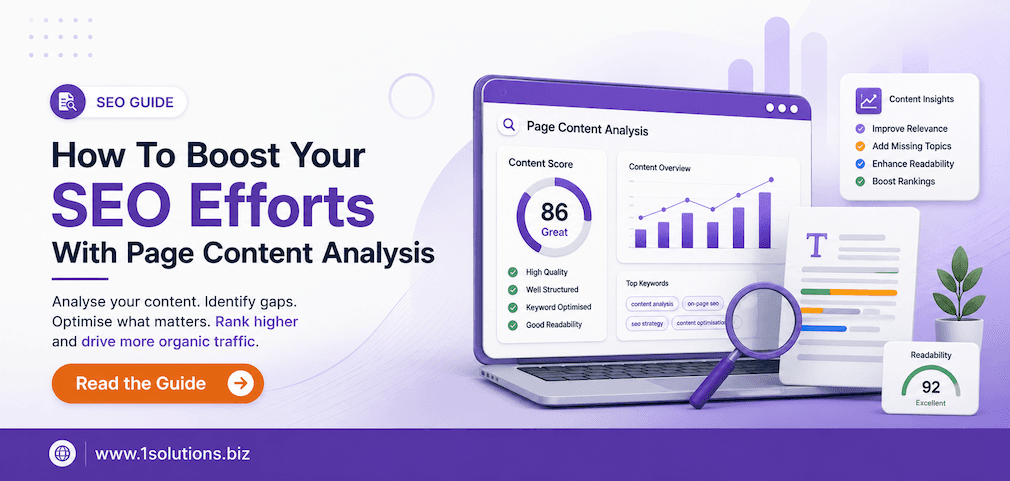
Strong content also benefits from proper on-page optimization. A page that ranks well for its own keywords naturally gains more visibility, which leads to more organic link acquisition over time. Improving your content quality using structured analysis techniques can accelerate this cycle. For practical guidance, see our article on how to boost your SEO efforts with page content analysis.
If you are working within a competitive niche and struggling to earn links organically, a structured approach to niche-specific outreach can help. Our guide on how to build backlinks in competitive and low-competition niches outlines strategies tailored to different levels of competition.
For businesses that need dedicated support, our professional SEO services include link equity auditing, internal link optimization, and ongoing backlink acquisition as part of a comprehensive strategy.
💡 Pro Tip: Create a “linkable asset” for your site: an original study, an interactive calculator, or a definitive guide on a topic your audience cares about. These assets continue earning links passively long after they are published, compounding your link equity without ongoing effort.
Link Equity in the Context of Modern SEO
As Google’s algorithm becomes more sophisticated, the context around links matters as much as the links themselves. Google increasingly evaluates topical authority, the degree to which a site covers a subject comprehensively, as part of its ranking signals. Link equity that flows between topically aligned pages carries more weight than equity from unrelated sources.
The rise of AI-powered search experiences is also shifting how links are evaluated. While traditional link equity still plays a central role in rankings, understanding how AI search features interact with authority signals is becoming relevant. Our article on how to improve website visibility in AI search engines explores how authority and trust signals translate into the AI search environment.
For businesses investing in comprehensive structured link building packages, combining technical equity management with content-driven link acquisition consistently produces the strongest long-term results.
Practical Action Plan: Prioritizing Your Link Equity Work
Not every link equity task deserves equal urgency. Here is how to prioritize your efforts:
- Do This Now: Audit for broken backlinks and set up 301 redirects. Every day a high-authority backlink points to a dead page, you are losing equity that could be ranking your content. This is a quick technical fix with immediate impact.
- Do This Now: Identify orphan pages on your site and add internal links from relevant, well-linked pages. This costs nothing and can produce ranking improvements within weeks of recrawling.
- Worth Doing: Develop a guest posting or digital PR outreach calendar targeting authoritative domains in your niche. This takes more time to set up but delivers compounding equity returns over months and years.
- Worth Doing: Create at least one linkable asset, such as original research or a comprehensive guide, that is specifically designed to earn editorial links without ongoing outreach.
- Worth Doing: Review and consolidate redirect chains across your site, particularly after any past site migrations or URL restructuring.
- Low Priority: Disavow low-quality links unless you have received a manual penalty notification or see a clear pattern of toxic link growth. Over-disavowing can remove equity rather than protect it.
- Low Priority: Pursue high-volume, low-authority link sources such as basic directories or comment links. These contribute minimal equity and are not worth significant time investment compared to editorial alternatives.
Conclusion
Understanding link equity in SEO and why it’s important is not just theoretical knowledge. It directly informs how you approach every aspect of your link strategy, from the way you structure internal links to the types of external links you pursue. Link equity is the mechanism by which authority moves through the web, and controlling how it flows through your site is one of the most powerful levers available to any SEO professional.
The core principles are straightforward: earn high-quality links from relevant, authoritative sources, distribute that equity strategically through internal links, fix technical leaks that waste value, and avoid shortcuts that put your domain at risk. Applying these principles consistently over time is what separates sites that dominate competitive search results from those that stagnate despite regular content production.
Whether you are managing SEO for a small business or an enterprise site, link equity management deserves a permanent place in your strategy. If you would like expert support with building and managing your link profile, our team offers comprehensive SEO solutions tailored to your industry and goals.
Frequently Asked Questions
What is the difference between link equity and PageRank?
PageRank is Google’s original algorithm for measuring the importance of web pages based on the quantity and quality of links pointing to them. Link equity is the broader concept of value being transferred through those links. PageRank is the specific computational model; link equity is the practical SEO term describing the same underlying idea in everyday strategy discussions. Google no longer publishes public PageRank scores, but the principles behind it still govern how link equity is calculated internally.
Do nofollow links pass any link equity at all?
Technically, nofollow links do not pass link equity in the traditional sense. Google’s original guidance was to treat nofollow as a directive to ignore the link for ranking purposes. In 2019, Google updated this to treat nofollow as a “hint” rather than a hard rule, meaning it may consider some nofollow links in certain contexts. For practical SEO strategy, treat nofollow links as not passing equity, but recognize they can still drive traffic and brand awareness.
How long does it take for new backlinks to pass link equity?
The time it takes for a new backlink to pass equity depends on how frequently Google crawls the linking page. High-authority sites with frequent crawl budgets may see their links recognized within days. Newer or less-frequently crawled sites may take weeks or even months. You can monitor this through Google Search Console by tracking changes in your page’s ranking position and referring domain count over time.
Can too many internal links on a page hurt link equity distribution?
Yes. Link equity on any page is divided among all the links it contains. If a page has dozens of internal links, each one receives a smaller share of the available equity. This is why siloing your content and being selective about internal linking is important. Focus on linking to the pages that most need equity rather than linking to everything indiscriminately. A well-structured internal link architecture should be deliberate, not exhaustive.
Is link equity the same for all types of websites?
The principles of link equity apply universally, but the practical impact varies by industry and competition level. In highly competitive niches, even small differences in link equity can determine whether a page ranks on page one or page three. In low-competition niches, strong content and basic on-page optimization may be sufficient without aggressive link building. The relative importance of link equity scales with the competitiveness of the search landscape you are operating in.