
10 Free Shopify Apps Every Store Owner Should Install
Running a successful Shopify store goes far beyond uploading products and hoping for the best. The apps you install shape your store’s speed, visibility, conversion rate, and customer experience. The good news is that some of the most powerful tools available in the Shopify App Store cost absolutely nothing. Knowing which free Shopify apps every store owner should install can be the difference between a store that struggles and one that scales. This guide walks you through ten proven, free options that cover SEO, reviews, email, upselling, and more, with honest notes on where each one has limits.
There are dozens of free Shopify apps available, but only a handful genuinely move the needle. This article covers the 10 best free Shopify apps for SEO, conversions, reviews, email marketing, and customer retention, with honest trade-offs for each so you can make informed decisions for your store.
⚡ Key Takeaways
- Free Shopify apps can meaningfully improve SEO, conversions, and customer retention without upfront cost.
- Apps like Judge.me, Klaviyo, and Plug in SEO address the most critical growth gaps for new and growing stores.
- Most free plans have usage limits, so plan for upgrades as your store scales.
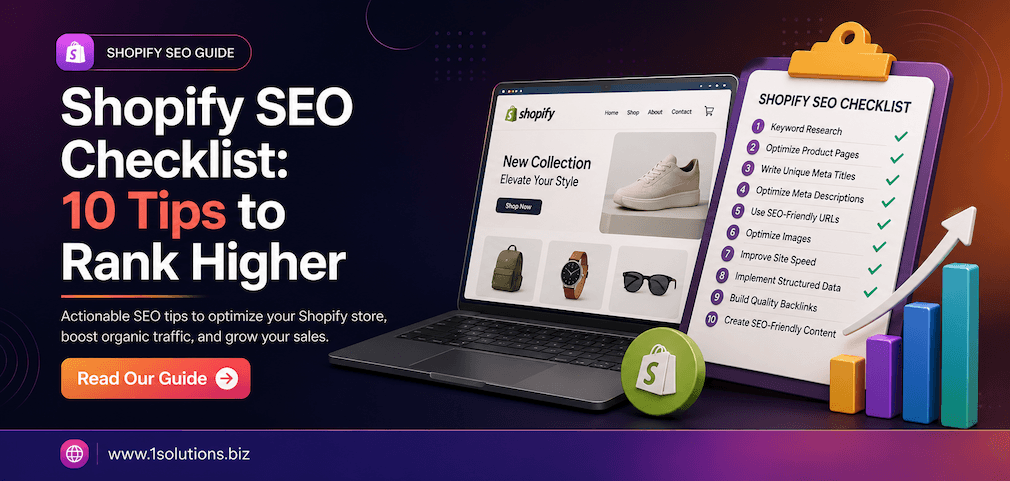
- Combining SEO apps with a solid Shopify SEO checklist gives the strongest organic growth foundation.
- Email marketing apps on Shopify can generate significant ROI even at the free tier.
- Review apps build trust signals that directly influence purchase decisions.
- App overload slows your store, so install purposefully and audit regularly.
Before diving into the list, it is worth noting that app quantity is not the goal. According to Shopify (2023), stores with too many installed apps often see page load times increase by 20 to 35 percent, which hurts both conversions and search rankings. Be selective, and use the ten options below as a curated shortlist rather than an invitation to install everything at once.
1. Plug In SEO
Search engine visibility is one of the biggest challenges for new Shopify store owners. Plug In SEO is a free app that audits your store for the most common SEO issues including missing meta titles, broken links, duplicate content, and slow page speed. It presents findings in a simple dashboard and offers step-by-step fix instructions even if you have no technical background.
The free plan covers essential checks across your homepage, product pages, and collection pages. It also monitors your store on a recurring basis and sends email alerts when new issues are found. For stores that are just getting started, this alone saves hours of manual auditing.
The honest trade-off is that Plug In SEO’s free tier does not fix issues automatically. It identifies them and points you in the right direction, but implementation still requires manual effort on your part. Deeper features like structured data schema and JSON-LD automation are gated behind the paid plan. Still, as a diagnostic starting point, it is one of the most valuable free Shopify apps every store owner should install.
If you want to go beyond app-level fixes, pairing Plug In SEO with a professional ecommerce SEO strategy gives you a more comprehensive long-term visibility plan. You can also strengthen your on-page work by reading about boosting SEO through page content analysis.
💡 Pro Tip: Run Plug In SEO immediately after launching any new product collection. Catching meta description gaps early prevents indexing issues from compounding over time.
2. Judge.me Product Reviews
Social proof is one of the strongest purchase triggers in ecommerce. According to BrightLocal (2023), 88 percent of consumers trust online reviews as much as personal recommendations. Judge.me is widely regarded as the best free review app on the Shopify App Store, and for good reason. It automates review request emails after purchase, displays star ratings on product pages, and supports photo and video reviews.
The free plan includes unlimited review requests, unlimited review displays, and basic review widgets. That is genuinely generous compared to many competitors that cap free usage at 50 or 100 reviews per month. Judge.me also injects review schema markup, which helps your star ratings appear in Google search results as rich snippets.
The trade-off is that some advanced features like cross-shop syndication, review import from other platforms, and custom Q&A widgets are reserved for the paid tier. However, for the majority of Shopify stores, the free plan handles everything needed to build visible social proof from day one.
3. Klaviyo Email Marketing
Email marketing consistently outperforms most other digital channels on ROI. Klaviyo’s own data (2023) shows that ecommerce brands using their platform average $45 return for every $1 spent on email. The free plan allows up to 500 contacts and 500 email sends per month, which is a meaningful starting point for new stores.
Klaviyo integrates deeply with Shopify, pulling in purchase history, browsing behavior, and cart data. This lets you build segmented flows like abandoned cart reminders, post-purchase thank-you sequences, and win-back campaigns without writing a single line of code. Pre-built Shopify templates make setup fast even for non-marketers.
The honest limitation is that 500 contacts fills up faster than you expect, especially during a promotional push. Upgrading is straightforward but does add a monthly cost. For stores with growing lists, it is worth planning that budget line from the beginning rather than being surprised by it later.
Klaviyo pairs well with a broader ecommerce marketing strategy that includes paid social, organic search, and content. If you are also running Facebook ads alongside your email flows, the guide on how to advertise on Facebook is worth bookmarking.
4. Privy: Pop-Ups, Email, and SMS
Privy is a conversion optimization app that helps you capture email and SMS subscribers through pop-ups, banners, spin-to-win wheels, and exit-intent overlays. For stores that rely on list building to fuel repeat purchases, Privy delivers real value at the free tier with unlimited pop-up displays and basic targeting rules.
The app comes with pre-designed templates that match common Shopify themes, making it relatively quick to set up a branded opt-in form. You can trigger pop-ups based on time on page, scroll depth, or exit intent, which means you are only interrupting visitors at the right moment rather than the moment they land.
The trade-off here is design flexibility. The free plan’s customization options are limited compared to paid pop-up tools, and the Privy branding appears on some widget types unless you upgrade. Additionally, the email sending capability within Privy’s free tier is capped, so most store owners use it primarily for lead capture and pipe those contacts into Klaviyo or another email tool for sending.
💡 Pro Tip: Use Privy’s exit-intent pop-up with a 10 percent discount offer on first purchase. This single tactic commonly lifts email capture rates by 15 to 25 percent for new stores.
5. Tidio Live Chat and Chatbot
Customer questions that go unanswered during the purchase decision process lead directly to cart abandonment. Tidio offers live chat, AI-powered chatbots, and a unified inbox for managing customer conversations across chat, email, and Messenger. The free plan covers three operator seats and includes a basic chatbot builder, which is more than enough for most small to mid-sized stores.
Tidio’s chatbot can be configured to answer FAQs automatically, handle order status queries, and route complex issues to a human agent. This means your store can respond to visitors around the clock without staffing a full support team. The live chat widget is lightweight and does not noticeably affect page speed, which is an important consideration since every second of load time affects conversion rates.
The limitation to acknowledge is that the free chatbot templates are somewhat generic. Building a truly customized conversation flow that matches your brand voice requires either the paid plan or significant time investment in the free builder. Still, even a basic chatbot that handles “Where is my order?” queries can meaningfully reduce support email volume.
6. DSers Product Sourcing (for Dropshippers)
If your Shopify store operates a dropshipping model, DSers is the go-to free app for managing supplier relationships and order fulfillment. It replaced Oberlo as Shopify’s recommended dropshipping solution and offers bulk order processing, supplier comparison, and AliExpress integration. The free plan supports up to 3,000 products, which covers the needs of most early-stage dropshipping stores.
DSers allows you to map products to multiple suppliers so that if one goes out of stock, fulfillment automatically switches to a backup. This kind of supply chain resilience is hard to build manually and makes a real operational difference as order volume grows.
The honest caveat is that DSers is primarily useful for AliExpress-based sourcing. Stores working with private label suppliers or domestic wholesalers will find limited utility here. Also, the free plan does not include advanced inventory syncing or dedicated support, which can become a bottleneck during high-volume sales periods like promotional events.
If you are weighing whether Shopify is the right platform for your business model in the first place, the detailed WooCommerce vs Shopify comparison breaks down the strengths of each platform across different use cases.
7. Smart SEO
Smart SEO takes a different approach to Shopify SEO than Plug In SEO. Instead of auditing and diagnosing, it focuses on automating the creation of meta tags, alt text, and JSON-LD structured data at scale. For stores with large product catalogs, manually writing meta descriptions for hundreds of products is simply not practical. Smart SEO generates them automatically using templates you define.
The free plan includes meta tag automation for products, collections, and blog posts, plus basic sitemap management and broken link detection. Structured data support for product, breadcrumb, and website schema is also included, which helps search engines better understand your store’s content hierarchy.
The limitation is that auto-generated meta tags are never as strong as hand-crafted ones. The templates pull from product titles and descriptions, so if your product copy is thin or repetitive, the resulting meta tags will reflect that. Smart SEO works best as an efficiency tool for large catalogs, not as a replacement for thoughtful keyword research and manual optimization on high-priority pages. Pairing this app with professional SEO services ensures your most important pages get the attention they deserve.
8. Free Shipping Bar by Hextom
One of the simplest ways to increase average order value is to show customers how close they are to earning free shipping. Hextom’s Free Shipping Bar does exactly this. It displays a dynamic progress bar at the top of your store that updates in real time as items are added to the cart. When a shopper sees “Add $12 more to get free shipping,” it creates a clear, low-friction incentive to add another item.
The free plan includes the core progress bar functionality, multiple display positions, basic customization, and scheduling for promotional periods. It is one of the highest-rated apps in its category because it does one thing and does it well without bloating your store with unnecessary code.
The trade-off is that the free version lacks advanced targeting, such as showing different thresholds to different customer segments or running geo-targeted free shipping offers. For most stores, especially those starting out, these advanced features are not an immediate priority, but they become relevant as your marketing strategy matures.
💡 Pro Tip: Set your free shipping threshold slightly above your current average order value. If your AOV is $45, set the threshold at $55. This nudges existing buyers to add one more item without feeling like a hard upsell.
9. Loox Product Reviews and Photos
Loox focuses specifically on visual social proof, collecting photo reviews from customers and displaying them in gallery-style widgets that make your store look credible and professionally merchandised. While Judge.me is the stronger all-around review app, Loox has a distinct advantage in visual appeal, particularly for fashion, beauty, and lifestyle brands where imagery drives purchase decisions.
The free trial gives you access to the full feature set, though Loox transitions to a paid model after the trial period. It is included here because many store owners use the trial strategically to collect an initial batch of photo reviews during a launch, then evaluate whether the paid plan justifies the cost based on the conversion lift they observe.
The limitation is clear: Loox is not permanently free. However, it earns its place on this list because the free trial period is genuinely useful, and the visual review widgets it generates often outlast the trial by remaining on the store even after downgrading. For stores where visual trust signals are a priority, this is worth exploring.
10. Google and YouTube App by Google
The official Google and YouTube app for Shopify connects your store to Google Merchant Center, enabling free product listings on Google Shopping, YouTube product tags, and Dynamic Remarketing. Setting this up used to require technical work across multiple platforms. This app consolidates the process into a guided setup flow directly inside Shopify admin.
According to Google (2023), free product listings on Google Shopping reach billions of searches per day, and merchants who opt in see an average increase of 30 percent in clicks compared to paid listings alone. For stores that are not yet running paid Shopping campaigns, this app unlocks free visibility in a high-intent search channel.
The trade-off is that free listings are less prominent than paid Shopping ads and your products compete against many others without the bid-based placement advantage. Still, the visibility cost is zero, and the setup time is under an hour. If you want to eventually layer paid ads on top of free listings, the guides on increasing sales with Google Shopping ads and optimizing Google Shopping campaigns provide a solid roadmap for doing so effectively.
Quick Comparison: What Each App Does Best
| App | Primary Function | Best For | Free Plan Limit |
|---|---|---|---|
| Plug In SEO | SEO auditing and diagnostics | All stores | Manual fixes only |
| Judge.me | Product reviews and ratings | All stores | Unlimited on free |
| Klaviyo | Email marketing automation | All stores | 500 contacts |
| Privy | Lead capture pop-ups | List building focus | Limited email sends |
| Tidio | Live chat and chatbot | Support-heavy stores | 3 operator seats |
| DSers | Dropshipping management | Dropshipping stores | 3,000 products |
| Smart SEO | Automated meta tags and schema | Large catalogs | Basic templates only |
| Free Shipping Bar | AOV optimization | All stores | No advanced targeting |
| Loox | Photo reviews and galleries | Visual product brands | Trial period only |
| Google and YouTube App | Free Shopping listings | All stores | No paid ad features |
Practical Action Plan: Where to Start
- Do This Now: Install Judge.me and the Google and YouTube App immediately. Reviews and free Shopping listings create compounding returns the sooner they are live. Judge.me starts collecting reviews from existing orders, and Google listings begin indexing your products within days of setup.
- Worth Doing: Set up Klaviyo with at least an abandoned cart flow and a welcome series. These two automated sequences alone recover revenue that would otherwise be lost. Connect Plug In SEO and Smart SEO to run your first SEO audit and automate meta tag coverage across your catalog.
- Low Priority: Add Tidio, Privy, and the Free Shipping Bar once you have baseline traffic and a clear sense of where visitors are dropping off. These apps optimize an existing flow rather than create one, so they deliver the most value when you have data to guide your setup decisions.
Final Thoughts on Free Shopify Apps Every Store Owner Should Install
The Shopify apps every store owner should install are not the flashiest tools in the App Store. They are the ones that address the most universal growth challenges: getting found in search, converting visitors who are on the fence, capturing leads before they leave, and building the trust signals that turn browsers into buyers. Every app on this list has a meaningful free tier that delivers real value, and each one has honest limitations you now know about before installing.
As your store grows, revisit this list through the lens of your analytics. If cart abandonment is high, prioritize Klaviyo flows. If product pages have no reviews, Judge.me is your first move. If organic traffic is flat, Plug In SEO and Smart SEO give you diagnostic clarity before you invest in paid channels. For stores ready to pair these tools with a professional strategy, exploring ecommerce marketing services can accelerate results significantly.
And if you are still evaluating whether Shopify is the right platform for your goals, the WooCommerce vs Shopify comparison guide offers an objective breakdown to help you decide with confidence.
Frequently Asked Questions
Are free Shopify apps really free, or do they have hidden costs?
Most free Shopify apps offer a genuinely usable free tier with defined limits. The costs typically appear when you exceed those limits, such as subscriber counts in email tools or product counts in dropshipping apps. There are no hidden fees, but upgrade prompts become frequent as you grow. Always review the pricing page before installing so you understand the upgrade path in advance.
How many apps should I install on my Shopify store?
There is no universal number, but fewer is generally better. Each app adds JavaScript and HTTP requests to your store’s frontend, which affects load time. A focused set of 5 to 8 high-quality apps will outperform a bloated library of 20. Audit your apps quarterly and remove anything you are not actively using.
Do Shopify apps affect my store’s SEO?
Yes, they can in both directions. SEO-focused apps like Plug In SEO and Smart SEO can improve your search visibility. However, poorly coded apps that slow your page speed or inject duplicate content can hurt rankings. Always check an app’s performance impact using Google PageSpeed Insights before and after installation.
What is the most important free Shopify app for a brand new store?
For most new stores, Judge.me and the Google and YouTube App deliver the most immediate impact. Judge.me builds social proof from your first sales, and the Google app gets your products into free Shopping listings right away. Both create assets that grow in value over time without ongoing effort.
Can I replace paid Shopify apps with free alternatives?
In many cases, yes. The apps on this list handle review collection, email marketing, SEO auditing, and conversion optimization at no cost. However, as your store scales, paid tools often offer meaningful advantages in automation, segmentation, and support. Think of free apps as a strong starting foundation, not a permanent ceiling on what your store can achieve.