
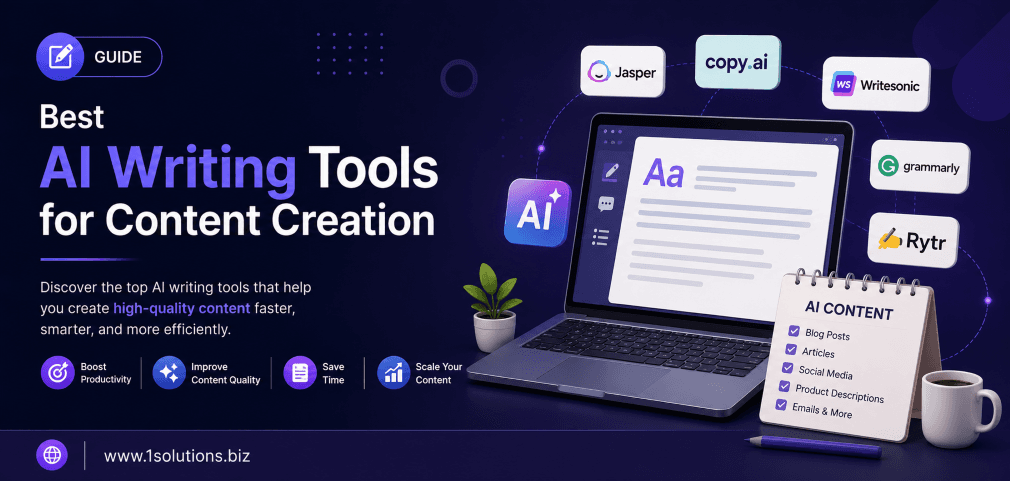
Finding the best AI writing tools for your content workflow is no longer a luxury. It is a competitive necessity. Whether you are producing blog posts, product descriptions, social media copy, or long-form guides, AI writing assistants can dramatically reduce production time while maintaining quality. But not every tool delivers on its promises, and choosing the wrong one can create more problems than it solves.
This article covers 10 of the best AI writing tools available for content creation in 2025, including their strengths, limitations, and ideal use cases. We also compare them in a quick-reference table and offer a practical action plan to help you integrate the right tool into your content strategy without wasting budget.
⚡ Key Takeaways
- The best AI writing tool depends on your specific use case, not just overall ratings.
- AI tools work best when paired with a clear content strategy and human editorial oversight.
- According to HubSpot (2024), 64% of marketers already use AI in some form for content tasks.
- Most top tools offer free trials, so testing before committing is always the smart move.
- SEO-focused content still needs human judgment, especially for E-E-A-T signals Google values.
- Combining AI output with strong internal linking and keyword strategy produces the best results.
- No AI tool replaces strategy: it accelerates execution of a plan you already have.
According to HubSpot (2024), 64% of marketers already use AI tools in their content workflows. Meanwhile, a McKinsey report (2023) found that generative AI could automate up to 70% of content-related tasks when used correctly. The challenge is knowing which tools earn their place in a professional stack and which ones only look impressive in demos.
This guide cuts through the noise. We have reviewed each tool honestly, including its trade-offs, so you can make an informed decision. If you are also looking to pair strong content with a solid search strategy, our professional content and copywriting services can complement whatever AI tools you choose.
Quick Comparison: Best AI Writing Tools at a Glance
| Tool | Best For | Free Plan | Starting Price | SEO Features |
|---|---|---|---|---|
| ChatGPT (GPT-4o) | Versatile long-form writing | Yes | $20/mo | Limited (plugin-based) |
| Jasper AI | Marketing copy and campaigns | No (trial) | $49/mo | Moderate |
| Copy.ai | Short-form and social copy | Yes | $36/mo | Limited |
| Surfer SEO + AI | SEO-optimized articles | No | $89/mo | Strong |
| Writesonic | Blog posts and ads | Yes | $16/mo | Moderate |
| Rytr | Budget-friendly short content | Yes | $9/mo | Basic |
| Notion AI | Team wikis and internal docs | Add-on | $10/mo add-on | None |
| Gemini Advanced | Research and multimodal tasks | Yes | $19.99/mo | Limited |
| Frase.io | Content briefs and research | No (trial) | $15/mo | Strong |
| Claude (Anthropic) | Long documents and nuanced tone | Yes | $20/mo | Limited |
The 10 Best AI Writing Tools for Content Creation
1. ChatGPT (GPT-4o) by OpenAI
ChatGPT remains the most widely used AI writing assistant on the market, and for good reason. Powered by GPT-4o, it handles everything from brainstorming and outlining to drafting full articles, email sequences, and scripts. Its conversational interface makes it accessible to beginners while its API and custom GPT capabilities satisfy advanced users and development teams.
What sets ChatGPT apart is its flexibility. You can feed it a rough outline and get a polished draft, or paste a competitor article and ask it to write something better. It supports system prompts, which means you can train it to consistently match your brand voice across all outputs. The free tier runs on GPT-3.5, which is noticeably less capable for nuanced writing tasks, so most professionals upgrade to Plus for GPT-4o access at $20 per month.
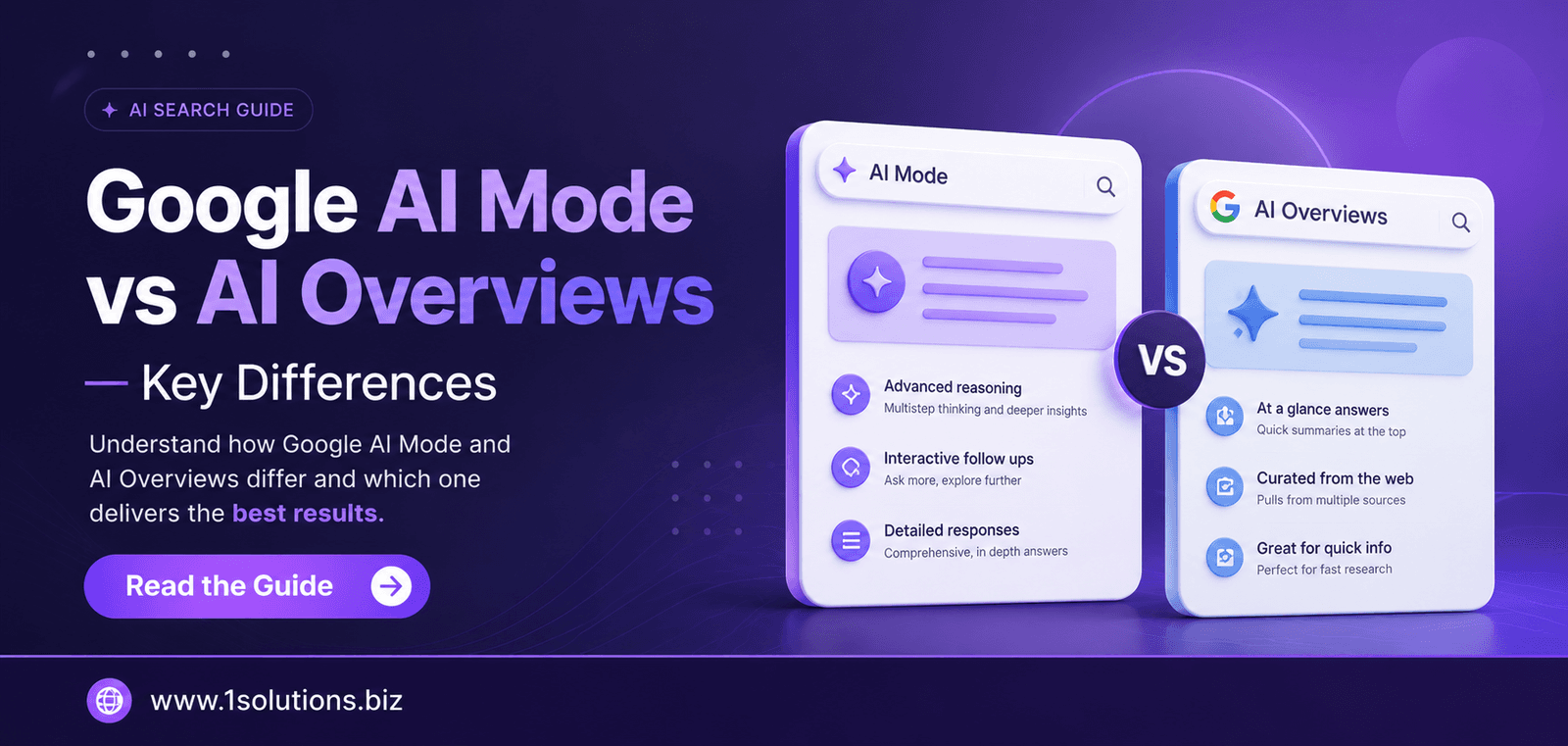
The trade-off: ChatGPT does not have built-in SEO scoring or keyword density tracking. You will need to pair it with a separate SEO tool if ranking content is your goal. It also has a knowledge cutoff, so real-time data requires web browsing mode. That said, for raw writing versatility and idea generation, no tool on this list comes close to matching its breadth. If you want to understand how AI outputs interact with search algorithms, check out this breakdown of Google AI Mode vs AI Overviews.
2. Jasper AI
Jasper AI was built specifically for marketing teams, and that focus shows throughout the product. It offers over 50 content templates covering everything from AIDA-style ad copy to product descriptions, blog intros, and press releases. Its Brand Voice feature allows teams to upload existing content so Jasper learns and replicates a consistent tone across all generated outputs.
One of Jasper’s strongest features is its campaign workflow tool, which lets you generate multiple content assets from a single brief. You can create a blog post, corresponding social captions, and an email teaser all from one input, which dramatically reduces the effort needed for content distribution. Jasper also integrates with Surfer SEO, making it a compelling option when SEO-optimized long-form content is a priority.
The downside is cost. At $49 per month for the Creator plan, Jasper is among the pricier options on this list. There is no free plan, only a short trial. For solopreneurs or small teams with tight budgets, that price point can be hard to justify unless the volume of content output is genuinely high. For teams already investing in strategic content and copywriting, Jasper can serve as a strong execution accelerator alongside human editors.
3. Copy.ai
Copy.ai started as a short-form copy generator but has evolved significantly into a more complete content platform. It excels at producing punchy, conversion-focused copy for ads, landing pages, product listings, and social media. Its free plan is genuinely useful, offering unlimited words per month, which is rare in this category and makes it a legitimate option for freelancers or small businesses testing AI tools for the first time.
Copy.ai also introduced workflow automation features that allow users to chain prompts together, building multi-step content pipelines. For example, you can automate the process of taking a product feature list and converting it into multiple ad variations and a Facebook post in a single workflow. This saves considerable time for teams managing multiple campaigns at once.
Where Copy.ai falls short is depth. Long-form articles often feel shallow without significant human editing, and its SEO capabilities are limited compared to dedicated tools like Surfer or Frase. It is best used as a complement to a broader content strategy rather than as a standalone content engine. If social media content is a major use case for your team, you might also find value in reviewing the top 100 social media sites to understand where your AI-generated content should be distributed.
💡 Pro Tip: Use Copy.ai for generating 5 to 10 variations of ad headlines or social captions quickly, then run the best performers through a human review before publishing. Speed and variety are its real strengths.
4. Surfer SEO with AI Writing
Surfer SEO is primarily known as an on-page optimization tool, but its integrated AI writing feature makes it one of the most powerful options for creating content that is designed to rank. When you start a new article in Surfer, it analyzes the top-ranking pages for your target keyword and generates a content brief that includes recommended word count, heading structure, NLP terms, and keyword frequency targets.
The AI writing feature then drafts content directly inside Surfer’s editor, which displays a real-time content score as you write or generate. This means you are not guessing whether your content is SEO-optimized. You can see it scored against competitors as you build the article. For teams producing high volumes of organic search content, this integration between research, structure, and writing is genuinely time-saving.
The limitation is that Surfer’s AI writing is not as creatively flexible as ChatGPT or Jasper. It optimizes for keyword signals, which can sometimes produce writing that reads mechanically without careful editing. Pricing also starts at $89 per month, making it a tool suited for established content teams rather than beginners. For more on building content that performs in search, our post on boosting SEO with page content analysis offers practical techniques that work alongside tools like Surfer.
5. Writesonic
Writesonic positions itself as an affordable alternative to Jasper with a surprisingly strong feature set. It offers a long-form article generator, a ChatSonic conversational interface with real-time web access, and over 100 writing templates. Its Chatsonic feature can generate content based on current events, which addresses one of the core limitations of static language models with fixed knowledge cutoffs.
Writesonic’s Article Writer 6.0 can produce a 2,000-word article in minutes, pulling from web sources and structuring the content around your keyword. While the output often needs editing, the starting point is usually solid enough to accelerate production significantly. For teams running content operations at scale, Writesonic’s team plans make collaboration straightforward.
The trade-off here is consistency. Writesonic’s output quality can vary depending on the complexity of the topic. Technical or highly specialized subjects sometimes produce vague or inaccurate content that requires more than light editing. Always fact-check outputs before publishing, particularly for anything touching health, finance, or legal topics. At $16 per month for the individual plan, it represents strong value for content marketers working within limited budgets.
6. Rytr
Rytr is the most budget-friendly tool on this list, with a free plan that includes 10,000 characters per month and a paid plan starting at just $9 per month. It supports over 40 use cases and 30 languages, making it a practical choice for teams or freelancers who need a simple, reliable tool for producing short to medium-length content quickly.
Rytr’s tone selector is one of its more useful features, allowing you to specify the emotional register of the output, such as professional, humorous, or empathetic, before generating content. This level of tonal control is helpful for brands that need to maintain a distinct voice across channels without investing in extensive prompt engineering.
Where Rytr shows its limitations is in long-form writing. Articles over 1,000 words often require significant restructuring, and the tool lacks the deeper SEO intelligence that Surfer or Frase provide. It is best suited as an entry-level tool for solopreneurs, small businesses, or teams that need quick content drafts without heavy AI investment. If you are a small business exploring affordable content tools, pairing Rytr with a smart SEO strategy for small businesses can maximize the return on your content efforts.
💡 Pro Tip: Rytr works particularly well for generating email subject line variations, product taglines, and short social posts. Think of it as a rapid ideation tool rather than a full content production platform.
7. Notion AI
Notion AI is not a standalone content creation tool, but for teams already using Notion as their workspace, it is a powerful and deeply integrated writing assistant. You can use it to summarize meeting notes, expand bullet points into full paragraphs, translate content, or generate first drafts of internal documents and SOPs directly inside your existing Notion pages.
The strength here is workflow integration. Rather than switching between a writing tool and your project management or documentation platform, Notion AI sits directly inside your content workspace. This reduces friction significantly for content teams that plan, draft, and review content within Notion’s environment. It is priced as an add-on at $10 per member per month on top of existing Notion plans.
The limitation is obvious: Notion AI is not designed for public-facing content creation. It lacks SEO features, keyword tracking, and the depth needed for long-form blog production. Think of it as a productivity amplifier for internal content rather than a tool for ranking articles. For external content that needs to perform in search, you will still need one of the more purpose-built tools on this list. That said, using Notion AI to build content briefs and editorial calendars before handing off to a specialist tool is a genuinely efficient workflow.
8. Gemini Advanced by Google
Gemini Advanced is Google’s flagship AI assistant, and for content creators who rely heavily on Google’s ecosystem, it offers some meaningful advantages. It integrates with Google Docs, Gmail, Drive, and Sheets, which means you can draft, summarize, and edit content without leaving the tools you already use. Its multimodal capabilities allow it to process images, PDFs, and other file types alongside text prompts.
For research-heavy content, Gemini’s deep integration with Google Search gives it a real-time information advantage. You can ask it to summarize the latest developments on a topic and it will pull from current web results rather than a static training dataset. This makes it particularly useful for news-adjacent content, trend reports, or topics where accuracy and currency matter.
The writing quality is strong but not consistently superior to GPT-4o for creative or long-form tasks. Gemini can occasionally produce content that reads more like a summary than a crafted article. At $19.99 per month as part of the Google One AI Premium plan, it is competitive with ChatGPT Plus. For anyone invested in understanding how AI is reshaping content discovery, our guide on improving visibility in AI search engines is a useful companion read alongside using Gemini.
9. Frase.io
Frase.io is built specifically for SEO content teams, and its workflow reflects that focus at every stage. When you enter a target keyword, Frase pulls the top-ranking pages from search results and automatically builds a content brief that includes key topics, common questions, and heading structures used by competitors. This research phase alone saves hours of manual SERP analysis.
Frase’s AI writer then drafts content within the context of that research, helping ensure topical coverage is comprehensive. Its answer engine feature is particularly useful for aligning content with the kind of question-based queries that appear in featured snippets and People Also Ask boxes. According to Semrush (2023), content that directly answers common user questions sees up to 30% higher click-through rates from search results pages.
The trade-off with Frase is that its AI writing quality, while functional, is less polished than ChatGPT or Jasper for creative content. It is best used as a research and structure tool with AI-assisted drafting, rather than as a creative writing engine. At $15 per month for the solo plan, it is one of the most affordable SEO-focused writing tools available. For teams also thinking about how to leverage AI tools to outrank competitors across multiple channels, our list of 10 AI SEO tools to outrank competitors is worth reading alongside this guide.
💡 Warning: Frase’s AI-generated content can sometimes over-optimize for keywords at the expense of readability. Always prioritize the reader experience over raw keyword scores. Google’s helpful content system rewards reader-first writing.
10. Claude by Anthropic
Claude, developed by Anthropic, is a strong contender for content creators who prioritize nuanced tone, long document handling, and safety-conscious outputs. Claude’s extended context window, which allows it to process and generate extremely long documents in a single session, makes it particularly useful for white papers, detailed guides, and comprehensive reports that exceed the context limits of other models.
Claude is notably good at matching human-like writing patterns and avoiding the stiff, formulaic outputs that plague some AI tools. Its instruction-following is precise, and it tends to push back or ask clarifying questions rather than hallucinate answers on topics it is uncertain about. This makes it more reliable for sensitive or complex topics where accuracy matters.
The limitation is that Claude lacks native SEO features, integrations with keyword tools, or real-time web access in its standard version. For purely SEO-driven content production, it needs to be paired with external research tools. At $20 per month for Claude Pro, it is price-comparable to ChatGPT Plus and represents a legitimate alternative rather than a backup option. Teams focused on content that needs to rank should also understand how LLM-based searches are evolving, and our post on LLM optimization and ranking in AI search covers that evolving landscape in detail.
How to Choose the Right AI Writing Tool for Your Needs
Choosing among the best AI writing tools comes down to your specific workflow, not general reputation. A solopreneur producing short social content has very different needs from an SEO agency producing 50 optimized articles per month. Consider the following factors before committing to a subscription.
- Volume: Higher content volume justifies tools with workflow automation like Jasper or Writesonic.
- SEO priority: If search ranking is the goal, Surfer SEO or Frase offer structural advantages no general-purpose tool can match.
- Budget: Rytr and Frase offer the strongest value at entry-level price points.
- Team size: Notion AI and Jasper have team collaboration features that solo tools like Claude lack.
- Creative flexibility: ChatGPT and Claude outperform template-based tools for nuanced, creative writing tasks.
It is also worth remembering that AI tools produce first drafts, not finished content. Human editing for accuracy, brand alignment, and E-E-A-T signals remains essential. Google’s helpful content guidance continues to emphasize demonstrable expertise and first-hand experience, which AI alone cannot simulate convincingly. Our comprehensive digital marketing services include content strategy and editorial oversight for teams that need both speed and quality assurance.
For content teams also investing in search visibility through SEO, combining AI writing tools with a proven professional SEO services partner ensures your content does not just read well, but ranks and converts. Understanding emerging formats like Google News article ranking strategies can also help you identify where AI-produced content fits into broader content distribution plans.
Practical Action Plan: Getting Started with AI Writing Tools
- Do This Now: Sign up for the free tier of ChatGPT or Claude and use it for your next three content drafts. Evaluate where it saves time and where editing is still required. This gives you real data before any financial commitment.
- Worth Doing: Trial Surfer SEO or Frase for one month if you produce SEO content regularly. Run your existing top-performing articles through their analysis to understand gaps and apply the insights to new content.
- Low Priority: Explore Notion AI or Rytr only after you have established a working AI content workflow. These tools add value at the margins but are not strong foundations for a content strategy on their own.
Frequently Asked Questions
Are AI writing tools good enough to replace human writers?
Not fully. AI writing tools are highly effective at producing first drafts, generating variations, and accelerating research, but they lack genuine expertise, experience, and the ability to reflect original insight. Google’s E-E-A-T framework specifically values first-hand experience and demonstrable authority, which human writers provide. The most effective approach is using AI to accelerate production while relying on human editors for quality control and strategic alignment.
Which AI writing tool is best for SEO content?
Surfer SEO and Frase.io are the strongest options for SEO-specific content creation because they integrate keyword research, competitor analysis, and content scoring directly into the writing process. If budget is a constraint, pairing ChatGPT with a separate keyword research tool produces solid results at a lower cost.
Do AI writing tools create duplicate content?
AI tools do not copy existing content directly, but outputs can sometimes be generic enough that they resemble content already indexed across the web. Running AI-generated content through an originality checker before publishing is good practice, particularly for high-stakes pages. Customizing outputs with brand-specific details, unique data points, and original analysis significantly reduces any duplication risk.
How much time can AI writing tools realistically save?
According to a Content Marketing Institute survey (2024), marketers using AI writing tools reported saving an average of 5 to 7 hours per week on content production. The actual saving depends on your editing standards and the complexity of topics. Highly technical or regulated content tends to require more post-generation editing, which reduces the time advantage.
Is it safe to publish AI-generated content without editing?
It is not recommended. AI outputs can contain factual errors, outdated information, or generic statements that undermine credibility. Publishing without editing also risks missing brand voice misalignments and SEO opportunities. A structured review process that includes fact-checking, tone alignment, and keyword validation should always sit between AI generation and publication.