
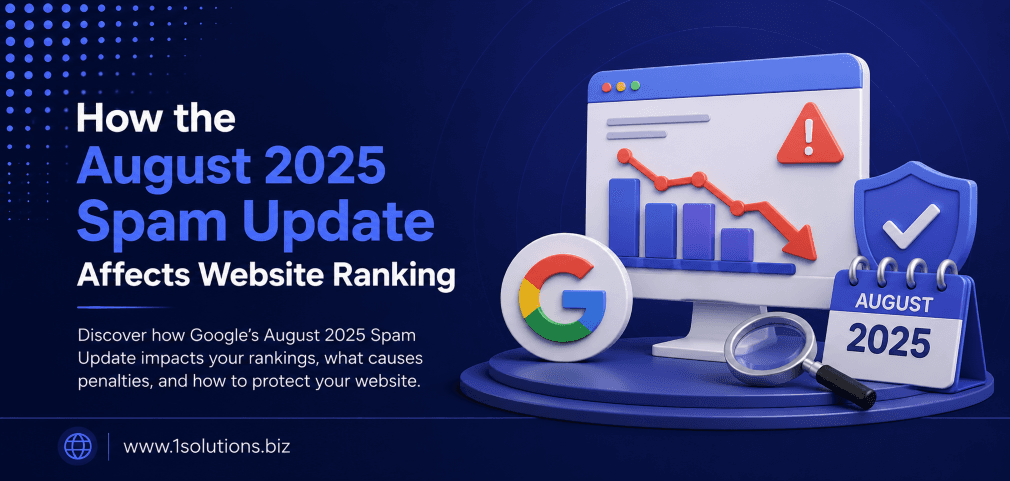
Google’s August 2025 Spam Update is one of the most consequential algorithm changes this year, and understanding exactly how this Spam Update affects website ranking is critical for every site owner, SEO professional, and digital marketer. Unlike broad core updates that shift quality signals across the board, spam updates are surgical: they target manipulative practices directly and penalize sites that violate Google’s spam policies. If your organic traffic dropped suddenly in August 2025, this guide will tell you why, and more importantly, what to do about it.
The August 2025 Spam Update targets scaled content abuse, manipulative link schemes, and site reputation exploitation. Sites hit by this update typically see sharp, sudden ranking drops. Recovery requires diagnosing the exact violation, cleaning up the problematic signals, and rebuilding trust signals through quality content and legitimate link acquisition practices.
⚡ Key Takeaways
- The August 2025 Spam Update focuses on three main violations: scaled content abuse, link spam, and site reputation abuse.
- Traffic drops from spam updates are typically sharper and faster than core update fluctuations.
- Recovery is possible but requires identifying the specific spam signal that triggered the penalty.
- AI-generated content is not inherently penalized, but mass-produced, unhelpful AI content is a primary target.
- Disavowing toxic backlinks alone is rarely enough: content quality and site structure must also be addressed.
- Google’s spam policies are enforced both algorithmically and through manual actions, requiring different recovery paths.
- Proactive spam policy compliance is always faster and cheaper than post-penalty recovery.
What Is the August 2025 Spam Update and Why Does It Matter
Google releases spam updates several times per year, each one refining its automated systems and manual review processes to better identify sites that violate its spam policies. The August 2025 rollout was notable for its scope and speed: Google confirmed the update began rolling out on August 5, 2025, and completed within approximately two weeks, affecting a significant percentage of sites that had relied on low-quality link networks, AI-generated content farms, or parasite SEO tactics.
According to data from Semrush Sensor (2025), volatility scores during the August 2025 update rollout peaked at 8.4 out of 10, placing it among the highest-volatility spam updates since the 2022 link spam update. Sites in the affiliate marketing, health, finance, and news aggregation niches saw the most significant fluctuations.
Understanding how this Spam Update affects website ranking means understanding Google’s enforcement priorities. The update specifically amplified signals around three core violation categories, each of which is covered in detail below.
Step 1: Identify Which Spam Signal Hit Your Site
Before you can fix anything, you need to determine whether your ranking drop was caused by a spam update at all, and if so, which category of violation triggered it. Do not assume all traffic drops in August 2025 were spam-related: Google also ran other updates during this period, so precise diagnosis is essential.
Check Google Search Console for Manual Actions
Navigate to Search Console and go to the Security and Manual Actions section. If Google’s manual review team flagged your site, you will see a specific notice describing the violation type. Manual actions and algorithmic demotions are handled differently, and your recovery path depends entirely on which one applies.
Cross-Reference Your Drop Date with the Update Timeline
If your traffic dropped between August 5 and August 20, 2025, and you see no manual action notice, the issue is likely algorithmic. Use Google Analytics or your rank tracking tool to identify which pages lost the most visibility. Pages that dropped across the board often signal a site-wide issue, while specific page losses can point to content or link problems on those individual URLs.
Audit Your Backlink Profile Immediately
Use tools like Ahrefs, Semrush, or Google Search Console’s Links report to identify any sudden influx of low-quality referring domains. According to Ahrefs (2025), sites that experienced ranking drops during spam updates had on average 3.4 times more low-quality referring domains than sites that remained stable. Spammy anchor text patterns, links from link farms, and links from irrelevant foreign-language directories are all red flags.
💡 Pro Tip: Export your full backlink profile and filter for domains with a Domain Rating below 10 combined with irrelevant topical categories. These are your highest-priority disavow candidates.
Step 2: Understand the Three Core Violation Categories
Scaled Content Abuse
This is the most commonly triggered violation in the August 2025 update. Scaled content abuse refers to generating large volumes of pages primarily to manipulate search rankings rather than to help users. This includes AI-generated article farms, automatically spun content, and programmatic pages that offer no unique value. Google’s Search Quality Rater Guidelines (2024) define this as content where the “primary purpose is to rank rather than to serve the reader.”
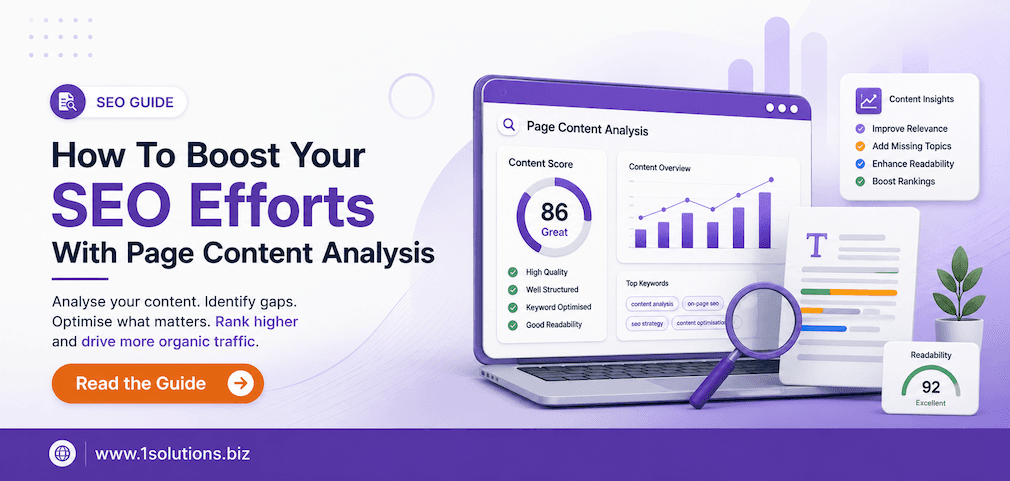
Importantly, AI-generated content is not banned. Google has repeatedly clarified that the origin of content is less important than its quality and helpfulness. The problem arises when AI is used to produce hundreds or thousands of shallow, repetitive pages at scale. If you used AI content tools this way, those pages are likely the source of your ranking losses. Our guide on how to boost your SEO efforts with page content analysis explains how to evaluate each page’s actual search value before deciding to keep, rewrite, or remove it.
Link Spam
Link spam includes buying links, participating in link exchanges that violate Google’s guidelines, and using private blog networks. The August 2025 update improved Google’s ability to identify unnatural anchor text patterns and detect coordinated link schemes even when they use aged or otherwise “safe-looking” domains.
If your site grew its backlink count rapidly in the 6 to 12 months before August 2025 without a corresponding increase in branded mentions, editorial citations, or traffic, that growth pattern is a signal. Understanding how to build links safely without triggering penalties is now more important than ever for any ongoing link acquisition strategy.
Site Reputation Abuse
Also called “parasite SEO,” site reputation abuse involves third parties publishing content on an authoritative host domain to exploit its ranking power, without that content being meaningfully supervised or editorially controlled by the host. This practice became extremely common between 2023 and 2025 as publishers sought to monetize their domain authority. The August 2025 update made site reputation abuse enforcement significantly more aggressive.
Step 3: Conduct a Full Content Audit
Once you know which violation category applies, a structured content audit is your next step. This is not a quick process, but skipping it guarantees that recovery will be incomplete.
- Crawl your entire site using Screaming Frog or a similar tool and export all URLs with their metadata.
- Segment pages by traffic and purpose. Separate money pages, supporting content, and thin or auto-generated pages into distinct groups.
- Evaluate each page for genuine helpfulness. Ask whether a knowledgeable person wrote this page with the intent to help a specific reader solve a specific problem. If the answer is no, the page is a candidate for rewrite or removal.
- Consolidate near-duplicate content. Multiple pages targeting slight keyword variations with nearly identical content is a spam signal. Merge them into single, comprehensive resources.
- Remove or noindex pages with no recovery potential. Some pages simply cannot be salvaged. Removing them and redirecting their URLs to relevant live pages is cleaner than attempting to rewrite content that has no unique angle.
For e-commerce sites specifically, thin product pages and auto-generated category pages are among the most common scaled content triggers. You can read more about platform-specific considerations in the Shopify SEO checklist if you are running a Shopify store.
Step 4: Clean Up Your Backlink Profile
Backlink cleanup after a spam update requires a careful, methodical approach. Moving too aggressively (disavowing high-quality links by mistake) can do additional damage. Moving too cautiously (failing to disavow clearly toxic links) will delay recovery.
How to Build a Disavow File
- Export your full backlink profile from both Google Search Console and a third-party tool.
- Filter for domains with spam indicators: low domain authority, thin or irrelevant content, foreign-language sites with no relevance to your niche, and links using exact-match commercial anchor text.
- Attempt to remove links manually by contacting webmasters first. Document all outreach attempts.
- For links you cannot remove, add them to a disavow file at the domain level (not individual URL level) and submit through Google Search Console.
Google’s John Mueller has consistently stated that disavow files are processed and can take weeks to impact ranking assessments. Do not expect overnight results. For sites that have suffered significant ranking losses from link-related spam signals, the path to recovery also involves building new, high-quality links to replace the void left by disavowed ones. Our resource on how to build backlinks in competitive and low-competition niches provides a structured approach for doing this safely.
💡 Pro Tip: Never disavow links from real businesses, news sites, or any domain that appears to have genuine editorial content, even if the link’s anchor text is awkward. Anchor text alone is not sufficient reason to disavow a link from a credible source.
Step 5: Rebuild Trust Signals Through Quality Content
Cleaning up spam signals stops the bleeding, but recovering lost rankings requires actively rebuilding Google’s trust in your site. This is a content and authority-building exercise that typically takes 3 to 6 months after the cleanup phase.
Prioritize E-E-A-T Signals
Experience, Expertise, Authoritativeness, and Trustworthiness (E-E-A-T) are the quality dimensions Google’s systems evaluate when assessing whether your site deserves to rank. According to Google’s Search Quality Evaluator Guidelines (2024), pages on YMYL (Your Money or Your Life) topics face the strictest E-E-A-T requirements. For these topics, anonymous content or content with no demonstrated author expertise is a persistent ranking barrier even after spam signals are resolved.
Practical steps to strengthen E-E-A-T include adding detailed author bios with verifiable credentials, citing primary sources and research in your content, earning editorial mentions from authoritative publications in your niche, and ensuring your about page, contact information, and privacy policy are complete and accurate.
Focus on Topical Depth, Not Volume
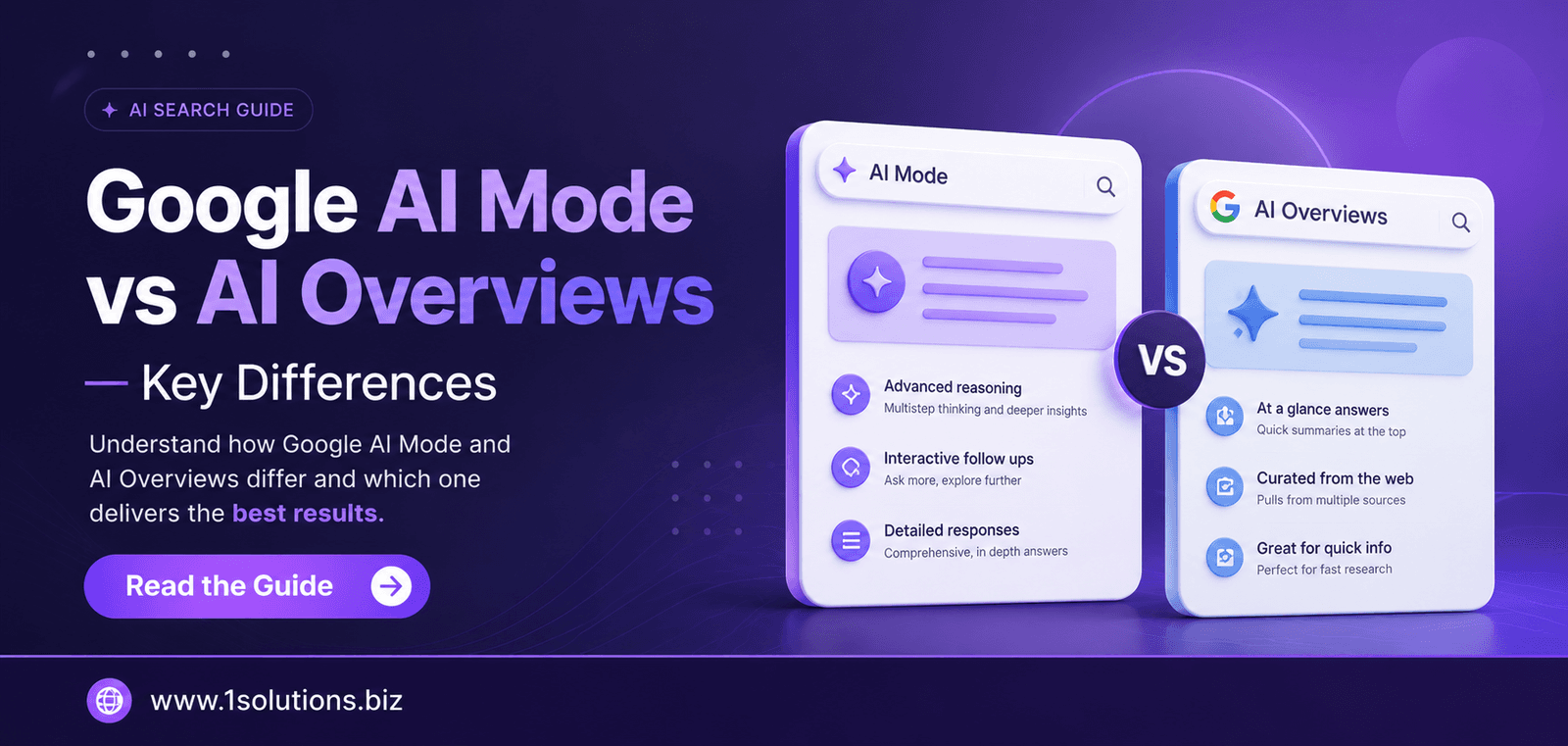
One of the clearest lessons from the August 2025 update is that publishing more content is not a recovery strategy. Publishing better, deeper, more useful content is. A single comprehensive guide that fully answers a reader’s question outperforms ten shallow articles targeting variations of the same keyword. This also means understanding how AI is changing search behavior: reading about Google AI Mode vs AI Overviews helps clarify what kind of content is now most likely to earn visibility in modern search results.
Before and After: How Spam Update Affects Website Ranking by Site Type
| Site Type | Primary Spam Risk | Typical Ranking Impact | Recovery Timeline |
|---|---|---|---|
| Content Farm / Affiliate Blog | Scaled content abuse | Severe (50-90% traffic loss) | 6-12 months with major cleanup |
| E-commerce Store | Thin product/category pages, link spam | Moderate (20-50% loss on affected pages) | 3-6 months |
| News / Publisher Site | Site reputation abuse (parasite content) | Moderate to severe on affected sections | 4-8 months after removing third-party content |
| Local Business Site | Spammy directory links, thin location pages | Mild to moderate | 2-4 months |
| SaaS / B2B Site | Link scheme participation | Variable, often limited to specific pages | 3-5 months |
Step 6: Request Reconsideration (If You Received a Manual Action)
If your site received a manual action from Google’s spam team, algorithmic recovery is not possible on its own. You must submit a reconsideration request through Google Search Console after fully resolving the violation.
A strong reconsideration request includes a clear explanation of what was found, what was done to fix it, and evidence of the remediation steps taken (link removal emails, disavow file documentation, screenshots of removed pages). Generic requests that do not demonstrate specific remediation are typically rejected. Google usually responds to reconsideration requests within a few weeks, though complex cases can take longer.
If you are dealing with a severe penalty and are uncertain where to start, working with specialists in Google penalty recovery can significantly reduce the time and risk involved in the process.
💡 Warning: Submitting a reconsideration request before fully resolving the violation is counterproductive. Google will reject it, and repeated premature submissions can make reviewers less receptive to your future requests.
Step 7: Put Preventive Systems in Place
Recovery from a spam update penalty is resource-intensive. Prevention is always the better investment. The following practices significantly reduce spam update exposure going forward.
Monitor Your Backlink Profile Continuously
Set up alerts in Ahrefs or Semrush to notify you when your site acquires links from new domains. Review new referring domains weekly. Catch and disavow toxic links before they accumulate into a pattern that triggers algorithmic action.
Implement Content Quality Gates
Before publishing any new content, run it through a checklist that evaluates: Does this answer a real question a real person would ask? Does it contain unique insights not available in the top-ranking results? Is there a named, credentialed author or verifiable source behind the claims? Pages that fail this gate should not be published.
Audit Third-Party Content on Your Domain
If you allow guest posts, sponsored content, or any third-party contributions to your site, implement editorial oversight processes. Every piece of content published on your domain is your responsibility under Google’s site reputation abuse policies. This is especially relevant for publishers who monetized their domains through content syndication partnerships in 2023 and 2024.
For sites that want structured, ongoing support with search optimization compliance, our professional SEO services include technical auditing, content quality review, and backlink monitoring to keep sites protected against future algorithm updates.
Practical Action Plan: Priority Tiers for Recovery
- Do This Now: Check Google Search Console for manual actions and export your backlink profile. These two steps tell you whether you have an algorithmic issue or a manual penalty, and they reveal the scale of your link spam exposure. Without this data, every other action is guesswork.
- Do This Now: Identify and remove or noindex your most severely thin or auto-generated pages. Even a 10% reduction in low-quality pages signals to Google that the site is improving, which can stabilize further drops.
- Worth Doing: Submit a disavow file for clearly toxic backlinks after manual outreach attempts. This is important but takes weeks to show impact, so begin the process early and update the file as you continue auditing.
- Worth Doing: Rewrite or substantially enhance your highest-traffic pages that survived the update. Strengthening these pages accelerates trust rebuilding and partially compensates for lost visibility from removed pages.
- Worth Doing: Implement E-E-A-T improvements across your site: author pages, citation practices, and transparent business information. These are medium-term trust signals that support sustained recovery.
- Low Priority: Redesign your site or change your CMS platform. Unless your technical setup is directly contributing to spam signals (for example, auto-generated URL structures producing thousands of duplicate pages), platform changes are a distraction during recovery.
- Low Priority: Pursue new link building aggressively during the first 60 days of recovery. Focus on cleanup first. Aggressive link acquisition during active penalty assessment can appear manipulative. Once cleanup is complete and rankings begin stabilizing, you can explore resources like proven link building methods to rebuild authority sustainably.
How the August 2025 Spam Update Affects Website Ranking Long-Term
The August 2025 update is not an isolated event. Google’s spam enforcement has become more frequent and more granular with each passing year. The underlying direction is clear: sites that earn rankings through manipulation rather than genuine value creation will face increasingly effective countermeasures, while sites that prioritize user helpfulness and editorial integrity benefit from each update cycle.
For sites operating in AI-influenced search environments, this matters even more. As Google continues integrating AI into search results (something worth understanding through resources like how to improve website visibility in AI search engines), the signals that determine which sites get cited in AI-generated answers overlap heavily with the signals that protect sites from spam penalties: authoritativeness, specificity, accuracy, and genuine helpfulness.
The sites that will thrive through the next several years of algorithm evolution are those that treat Google’s guidelines not as a constraint to work around, but as a description of what good content and ethical linking actually look like. That alignment between user value and ranking value is the only durable competitive advantage in SEO.
If your site has been affected and you need structured recovery support, our digital marketing services include comprehensive spam penalty diagnostics, content auditing, and link profile remediation designed specifically for sites recovering from algorithm-driven ranking losses.
Frequently Asked Questions
How long does it take to recover from the August 2025 Spam Update?
Recovery timelines vary significantly based on the severity of the violation and how completely it is resolved. Most sites that take immediate, comprehensive action see initial ranking improvements within 6 to 12 weeks. Full recovery to pre-update levels, if achievable, typically takes 4 to 9 months. Sites with manual actions face an additional review cycle on top of this timeline.
Will my rankings automatically recover when Google runs the next update?
Not reliably. Algorithmic spam demotions do not automatically reverse unless the underlying signals have genuinely changed. If you have cleaned up toxic backlinks, removed thin content, and improved overall site quality, then a subsequent spam update or core update may restore some or all of your lost rankings. But passive waiting without remediation is not a viable strategy.
Is all AI-generated content at risk from spam updates?
No. Google’s official position is that AI-generated content is acceptable when it is helpful, accurate, and created with users in mind. The spam risk comes specifically from using AI to produce large volumes of shallow, repetitive, or low-effort content primarily for ranking purposes. High-quality AI-assisted content that is edited and verified by subject matter experts does not violate Google’s spam policies.
What is the difference between a spam update and a core update?
Core updates recalibrate how Google’s systems assess overall page quality across its entire ranking infrastructure. They affect a broad range of sites and signal changes in how Google weights various quality factors. Spam updates, by contrast, specifically target sites that violate Google’s spam policies through manipulative tactics. A site can be affected by one, both, or neither in any given update cycle. Diagnosis matters because the recovery strategy is different for each.
Should I disavow all low-quality links pointing to my site?
No. Disavowing links indiscriminately can remove signals that are actually helping your rankings. Focus disavow efforts on links that have clear spam characteristics: links from link farms, private blog networks, irrelevant directories, or sites with no real content or audience. Links from real websites that simply have low domain authority are generally not worth disavowing and may contribute positively over time as those referring sites grow.