
If you want to build backlinks for your Shopify store and actually move the needle in search rankings, you need more than a list of tactics. You need a clear, repeatable process that fits how ecommerce sites actually work. Backlinks remain one of the strongest ranking signals Google uses, yet most Shopify store owners either ignore link building entirely or chase shortcuts that backfire. This guide breaks down exactly what to do, why it works, and what to avoid.
Building backlinks for a Shopify store requires a mix of content creation, strategic outreach, and relationship building. Focus on earning links from relevant, authoritative sites rather than volume. Consistency over months, not weeks, is what produces lasting ranking improvements.
⚡ Key Takeaways
- Backlinks from topically relevant sites carry far more weight than generic directory links.
- Guest posting, digital PR, and linkable asset creation are the highest-ROI tactics for Shopify stores.
- A single strong backlink from a niche authority site can outperform dozens of low-quality links.
- Internal linking amplifies the SEO value of every external backlink you earn.
- Broken link building and unlinked brand mentions are underused but highly effective for ecommerce.
- Avoid link schemes and paid link networks, as manual penalties can be difficult to reverse.
- Track your backlink profile monthly using tools like Ahrefs, Semrush, or Google Search Console.
Why Backlinks Still Matter for Shopify SEO in 2025
Backlinks act as votes of confidence from one website to another. When a respected blog about home decor links to your Shopify furniture store, Google interprets that as an endorsement of your site’s relevance and authority. According to Backlinko (2024), the number one result in Google has an average of 3.8 times more backlinks than positions two through ten. That gap is significant for any ecommerce competitor.
Shopify stores face a particular challenge: the platform generates clean, crawlable pages, but it does not automatically earn you authority. You can have perfect on-page SEO and still rank on page three because competing stores have stronger link profiles. Ahrefs (2023) found that 96.55% of all pages on the web get zero organic traffic from Google, and a major reason is the absence of backlinks.
If you are comparing platforms and wondering whether Shopify is even the right choice for SEO, our WooCommerce vs Shopify comparison guide covers the structural SEO differences in detail. But regardless of platform, the link building principles below apply universally to ecommerce.
💡 Pro Tip: Before building new links, audit your existing backlink profile in Google Search Console. You may already have unlinked brand mentions or broken inbound links that are easier wins than cold outreach.
Step 1: Build a Strong Linkable Foundation First
No outreach strategy works if your store gives journalists, bloggers, or partners nothing worth linking to. The first step is creating content and resources that people genuinely want to reference. This is called building linkable assets.
Types of Linkable Assets for Shopify Stores
- Original research or surveys: Data that does not exist elsewhere earns editorial links naturally. Survey your customers and publish the findings.
- Comprehensive buying guides: Long-form guides that answer every question a buyer has become reference material for bloggers and journalists.
- Free tools or calculators: A sizing calculator, cost estimator, or product compatibility checker gives other sites a reason to embed or link to your store.
- Infographics and visual data: Easily shareable visuals that simplify complex topics in your niche attract links from content aggregators and bloggers.
- Product comparison pages: Detailed, honest comparisons that help shoppers decide attract links from review sites and forums.
Content is the engine behind every link building strategy. If you need help producing high-quality resources at scale, a dedicated content and copywriting service can handle ideation, writing, and optimization while you focus on running your store.
Step 2: Guest Posting on Relevant Industry Blogs
Guest posting remains one of the most reliable ways to build backlinks for your Shopify store when done correctly. The key phrase is “done correctly.” Writing generic articles for low-traffic blogs purely for a link is a waste of time and a potential risk. The goal is to contribute genuinely useful content to authoritative blogs in your product niche.
How to Find Guest Post Opportunities
- Search Google for: your niche + “write for us” or your niche + “guest post”
- Use Ahrefs or Semrush to find where your competitors have earned guest post links
- Check which blogs already cover topics closely related to your products
- Look for blogs with a Domain Rating (DR) above 40 and real organic traffic
Once you have a target list, send personalized pitches that propose specific article ideas relevant to that blog’s audience. Avoid generic templates. Editors receive hundreds of pitches weekly, and personalization is what gets responses.
For a deeper dive into this process, our guide on how to secure high-quality guest post placements walks through pitch writing, follow-up sequences, and what to do when editors go silent.
Step 3: Use Digital PR to Earn Editorial Links
Digital PR is the process of getting your brand covered by online publications, news sites, and industry media. For Shopify stores, this can mean press coverage of a product launch, a charitable initiative, a viral campaign, or proprietary data you publish.
Tactics That Work for Ecommerce Brands
- HARO and journalist request platforms: Help A Reporter Out (HARO) and similar platforms connect journalists with expert sources. Responding with useful quotes can earn links from major publications.
- Newsjacking: When a trending topic intersects with your product category, publish a timely piece and pitch it to journalists covering that story.
- Product gifting to bloggers and reviewers: Sending your product to niche bloggers often results in honest reviews with a backlink to your store page.
- Cause-driven campaigns: Stores that donate a percentage of sales to a cause often get covered by industry press and nonprofit partners.
According to Moz (2023), editorial links from news and media sites carry some of the highest authority signals in Google’s algorithm. Even one placement in a well-read industry publication can produce measurable ranking improvements within weeks.
Step 4: Broken Link Building for Quick Wins
Broken link building is an underused tactic that works especially well for Shopify stores with solid content. The process involves finding broken links on other websites that point to resources similar to your own, then reaching out to suggest your content as a replacement.
Step-by-Step Process
- Use Ahrefs’ “Broken Links” report or the Check My Links Chrome extension to find dead links on relevant blogs and resource pages.
- Identify which broken links point to content that your store’s blog or guides could legitimately replace.
- Create or update your content to match or exceed what the original linked resource offered.
- Contact the webmaster, note the broken link, and suggest your page as a replacement. Keep the email short and helpful in tone.
The conversion rate on broken link outreach is typically higher than cold guest post pitches because you are solving an existing problem for the webmaster rather than asking for a favor.
💡 Pro Tip: Target resource pages and “best of” lists in your niche. These pages are maintained long-term, meaning a successful link placement stays active for years rather than being buried in an archive.
Step 5: Claim Unlinked Brand Mentions
Every time someone writes about your brand without linking to your store, you are leaving a backlink on the table. Unlinked mention recovery is one of the easiest forms of link building because the person already knows and likes your brand.
How to Find Unlinked Mentions
- Use Google Alerts set to your brand name and product names
- Use Ahrefs’ “Brand Mentions” feature to identify mentions without links
- Search Google for your brand name using the minus operator to exclude your own domain: yourbrand -site:yourstore.com
Once you find unlinked mentions, send a brief, friendly email thanking the author for the mention and politely asking if they would add a link to your store. Most writers are happy to do this since it improves their article’s usefulness for readers.
Step 6: Leverage Supplier, Partner, and Manufacturer Links
Many Shopify store owners overlook their existing business relationships as a source of backlinks. If you stock products from specific brands or manufacturers, check whether those companies maintain a “stockists” or “authorized retailers” page. Getting listed on a manufacturer’s website is a legitimate, highly relevant backlink that is also easy to secure.
Similarly, business partners, affiliate collaborators, and even suppliers you work with regularly may be willing to feature your store on their website. These links are often overlooked but are among the most topically relevant you can earn.
Step 7: Build Links Through Strategic Internal Linking
Internal links do not create new external backlinks, but they distribute the authority of the backlinks you have earned across your Shopify store. When an external site links to your blog post, that page gains authority. Internal links then pass a portion of that authority to your product pages, category pages, and other content.
A well-structured internal linking strategy means every new backlink you earn has a multiplied effect across your store. Our detailed guide on how to use internal links to boost backlink impact explains the architecture and anchor text principles involved.
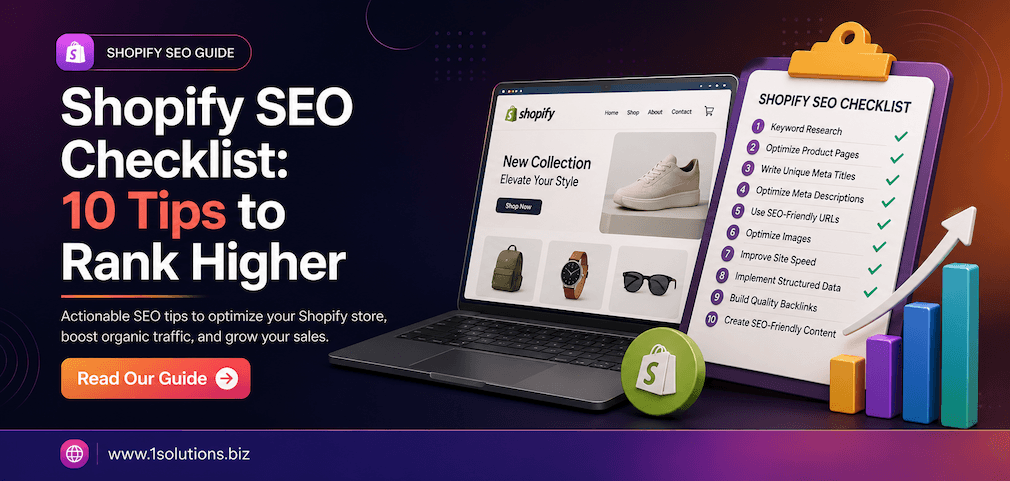
For a broader view of optimizing your Shopify store beyond link building, our Shopify SEO checklist covers technical setup, on-page optimization, and content strategy alongside link building.
Step 8: Avoid Tactics That Trigger Penalties
Not all link building methods are equal, and some can actively harm your Shopify store’s rankings. Google’s spam detection has become more sophisticated, and tactics that worked five years ago are now active risks.
Link Building Practices to Avoid
- Buying links from link farms or PBNs: Private blog networks are regularly deindexed by Google. Links from them can disappear overnight and trigger manual penalties.
- Mass directory submissions: Submitting to hundreds of low-quality directories for backlinks provides no SEO value and dilutes your link profile.
- Exact-match anchor text spam: Building dozens of links with identical keyword-rich anchor text looks manipulative and triggers algorithmic filters.
- Reciprocal link schemes: “I link to you, you link to me” arrangements at scale are considered link schemes under Google’s guidelines.
If your store has already been affected by a link-related penalty, the recovery process is documented step-by-step in our article on how to build links safely without triggering penalties. It is also worth reviewing the Google March 2026 Spam Update to understand what patterns are currently being targeted.
💡 Warning: A single manual penalty from Google can erase months of ranking progress. If you are unsure whether a link building service is legitimate, the safest default is to avoid it until you can verify their methods align with Google’s Webmaster Guidelines.
Comparing Backlink Building Methods for Shopify Stores
| Method | Effort Level | Link Quality | Time to Results | Risk Level |
|---|---|---|---|---|
| Guest Posting | High | High | 2 to 4 months | Low |
| Digital PR | High | Very High | 1 to 3 months | Low |
| Broken Link Building | Medium | High | 1 to 2 months | Low |
| Unlinked Mention Recovery | Low | High | Weeks | Very Low |
| Supplier or Partner Links | Low | Medium to High | Weeks | Very Low |
| Buying Links or PBNs | Low | Very Low | Short-term only | Very High |
Tracking and Measuring Your Backlink Progress
Building backlinks without tracking results is like running a store without looking at your sales data. You need to know which tactics are producing quality links and which are wasting your time. Key metrics to monitor monthly include: total referring domains (not just total backlinks), the Domain Rating or Authority of new linking sites, anchor text distribution, and the organic traffic trends for pages receiving new links.
Google Search Console shows you which pages are being linked to and how your impressions and clicks change over time. Pair this with Ahrefs or Semrush for a complete picture of your link profile health. According to Search Engine Journal (2024), stores that actively monitor and diversify their backlink profiles recover faster from algorithm updates than those that do not.
If you are running a broader ecommerce SEO strategy and want professional support, our ecommerce marketing services include link building audits, outreach campaigns, and ongoing link profile monitoring tailored to Shopify stores. For structured link building packages with clear deliverables, our link building packages are worth exploring.
Practical Action Plan: What to Do and When
- Do This Now: Audit your existing backlink profile in Google Search Console. Set up Google Alerts for your brand name. Identify three unlinked mentions and send recovery emails this week. These require no budget and deliver fast results.
- Worth Doing: Create one linkable asset (a detailed guide, original data piece, or free tool) within the next 30 days. Begin building a list of 20 to 30 guest post targets in your niche and start sending pitches. Submit your store to manufacturer or supplier stockist pages.
- Low Priority: Set up a HARO account and respond to relevant journalist queries. This produces excellent links but requires consistent effort over several months before results accumulate. Also consider investing in digital PR campaigns once your foundational link profile is established.
Frequently Asked Questions
How many backlinks does a Shopify store need to rank well?
There is no universal number. It depends entirely on your niche and the competition. A store selling handmade ceramics in a low-competition niche might rank with 50 strong backlinks. A store competing against major retailers in fashion might need hundreds. Focus on the quality and relevance of your links rather than a specific count.
How long does link building take to show results?
Most Shopify store owners see measurable ranking improvements within two to four months of consistent link building. Google needs time to crawl new links, assess their quality, and update rankings accordingly. Do not expect overnight results from white-hat strategies, but the improvements tend to be durable.
Is it worth paying for backlinks?
Paying for links that are not disclosed as sponsored content violates Google’s guidelines and can result in manual penalties. There is a difference between paying a guest post site for a placement (which is common) and buying links from a link farm. Always vet any paid placement opportunity carefully and ensure the site has real traffic and editorial standards.
Can I build backlinks without creating new content?
Yes, through tactics like unlinked mention recovery, broken link building (replacing existing resources), supplier links, and partner links. However, content creation significantly increases the volume and quality of links you can earn over time. Stores without a blog or resource section have fewer natural link building opportunities.
What is the difference between a do-follow and no-follow backlink?
A do-follow link passes SEO authority from the linking site to yours. A no-follow link includes a tag that tells search engines not to pass authority. While do-follow links are more valuable for rankings, no-follow links from high-traffic sites still drive referral visitors and contribute to a natural-looking link profile. A mix of both is healthier than only do-follow links.
Conclusion
To build backlinks for your Shopify store effectively, you need patience, genuine content, and a systematic outreach process. There are no shortcuts that work long-term. The stores that consistently rank well are the ones that invest in creating resources worth linking to, nurture real relationships with publishers and partners, and monitor their link profile as closely as they monitor their revenue. Start with the quick wins like unlinked mention recovery and supplier links, then layer in higher-effort tactics like guest posting and digital PR. Done consistently, this approach builds the kind of link profile that sustains rankings through algorithm updates and competitive pressure.