
If you want to grow organic traffic, you need backlinks. But knowing how to choose a link building package that actually delivers results, without burning your budget or triggering a Google penalty, is a skill most businesses never develop until something goes wrong. This guide walks you through every step of that decision, from understanding what packages include to matching the right tier to your specific goals.
Choosing the right link building package comes down to three things: the quality of the links being built, how well the package matches your current domain authority and goals, and whether the provider follows safe, white-hat practices. A cheap package that delivers spammy links will cost you far more in recovery time than it saves upfront.
⚡ Key Takeaways
- Always audit your current backlink profile before purchasing any package so you know your baseline.
- Domain Authority (DA) and Domain Rating (DR) matter, but link relevance and traffic on the referring site matter just as much.
- Packages that promise hundreds of links per month for a low price are almost always low-quality and risky.
- Match the package intensity to your competition level, not just your budget.
- Always ask providers for sample links and reporting formats before committing.
- A well-structured link building strategy works alongside your on-page SEO, not instead of it.
- Review your link profile monthly to catch toxic links early and disavow when necessary.
Why Link Building Still Matters in 2026
Despite the rapid evolution of search algorithms, backlinks remain one of the most powerful ranking signals Google uses. According to Ahrefs (2024), pages with more referring domains consistently rank higher across nearly every vertical they analyzed. Separately, a study by Backlinko (2023) found that the number-one result in Google has an average of 3.8 times more backlinks than positions two through ten. These are not small margins.
At the same time, the landscape has shifted. Google’s algorithms are increasingly good at detecting manipulative link schemes. The Google March 2026 Spam Update specifically targeted low-quality, scaled link building practices, which means the stakes for choosing a bad package have never been higher. Link building still works, but only when it is done correctly.
For businesses that want a structured, scalable approach, exploring professionally managed link building packages is a smart starting point, provided you know what to look for before you commit.
Step 1: Audit Your Existing Backlink Profile First
Before you spend a single dollar on a link building package, you need to understand where you currently stand. Open a tool like Ahrefs, Semrush, or Moz and run a full backlink audit. You are looking for three things:
- Your current Domain Rating or Domain Authority: This gives you a baseline and helps you identify what tier of links you actually need.
- Toxic or spammy links already pointing to your site: If you have a cluster of low-quality links, adding more links on top will not help and may compound the damage.
- Your top linked pages versus your pages that need the most traffic: This tells you where link equity needs to flow.
If you discover a significant volume of toxic links, consider addressing those before starting a new campaign. In some cases, a Penguin recovery process may be needed before any new link building makes sense.
💡 Pro Tip: Do not skip the audit step even if you are starting a brand-new site. Knowing your clean baseline makes it far easier to measure the actual impact of any package you purchase.
Step 2: Define Your Link Building Goals Clearly
Different goals require different types of packages. Before comparing options, write down what you are actually trying to achieve:
- Ranking for competitive head terms: You will need high-authority links from topically relevant sites, which typically costs more per link.
- Ranking for local searches: Local citation links and links from regionally relevant publications carry more weight than generic high-DA links.
- Improving overall domain authority: A mix of niche-relevant links across different page types works better than targeting one page repeatedly.
- Supporting a product launch or seasonal campaign: A time-boxed package with a defined number of placements may be more practical than an ongoing monthly retainer.
Being specific about your goal also helps you avoid being upsold on features you do not need. A local service business does not need the same package as an ecommerce site trying to rank nationally. For local-specific needs, reviewing local SEO packages alongside link building options is worth the time.
Step 3: Understand What Different Package Tiers Include
Link building packages vary enormously in what they actually deliver. Here is a breakdown of the most common components you will encounter:
| Package Component | What to Look For | Red Flags |
|---|---|---|
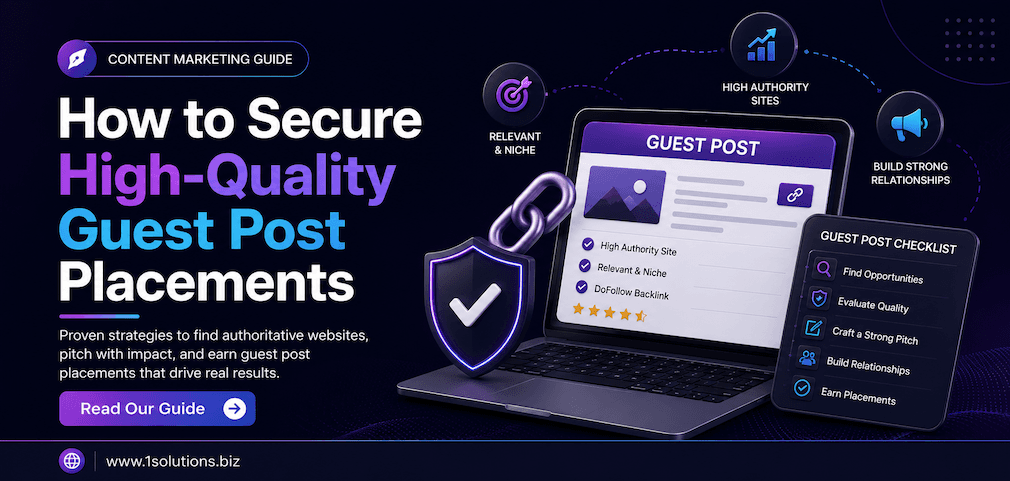
| Guest Posts | Real editorial sites with organic traffic | Sites with no traffic, duplicate content, or obvious link farms |
| Niche Edits | Links inserted into existing, indexed content | Mass-placement across unrelated or thin content pages |
| HARO / Digital PR | Earned mentions from journalists and publishers | Guaranteed placements on HARO, which is not how it works |
| Directory Links | Industry-specific, curated directories | Generic web directories with no editorial standards |
| Skyscraper Outreach | Links from sites already linking to competitor content | Automated outreach with no personalization |
| Anchor Text Strategy | Varied, natural anchor distribution | Over-optimized exact-match anchors on every link |
For a deeper look at which methods still produce results, the article on 15 link building methods that continue to work is a useful companion read before you evaluate any provider’s deliverables list.
Step 4: Evaluate Link Quality Metrics That Actually Matter
Not all metrics are created equal. Here is what to prioritize when evaluating the links a package promises to deliver:
Domain Rating and Domain Authority
DR (Ahrefs) and DA (Moz) are useful proxy metrics, but they are not the whole story. A DR 45 site that is highly relevant to your niche will often produce better results than a DR 70 site that covers unrelated topics. Relevance is not a nice-to-have, it is a core quality signal.
Organic Traffic on the Referring Site
Google can assess whether a site actually receives real visitors. A link from a site with zero organic traffic is a much weaker signal than one from a site that ranks for real search queries. Always ask providers to confirm the referring site’s organic traffic, and verify it yourself in Ahrefs or Semrush.
Indexability and Crawl Status
A link that lives on a page Google cannot or does not crawl passes no value. Make sure the pages where your links will appear are indexed. This connects directly to why some site owners struggle with pages not getting indexed by Google, which affects both their site and any links hosted on it.
Link Placement and Context
A link buried in a footer or sidebar carries less weight than a contextual link placed naturally within the body of a relevant article. The best packages prioritize contextual placements with surrounding text that is topically related to your target page.
💡 Pro Tip: Ask any link building provider to show you five to ten sample placements from recent campaigns. If they cannot or will not do this, treat it as a serious warning sign.
Step 5: Match Package Intensity to Your Competitive Landscape
One of the most common mistakes businesses make is choosing a package based on budget alone, without accounting for how competitive their target keywords actually are. According to Semrush (2023), the average top-ranking page for a competitive keyword has accumulated backlinks over a period of three or more years. This means you are not just competing on volume, you are competing on velocity, consistency, and quality over time.
Here is a practical framework for matching package intensity to competition level:
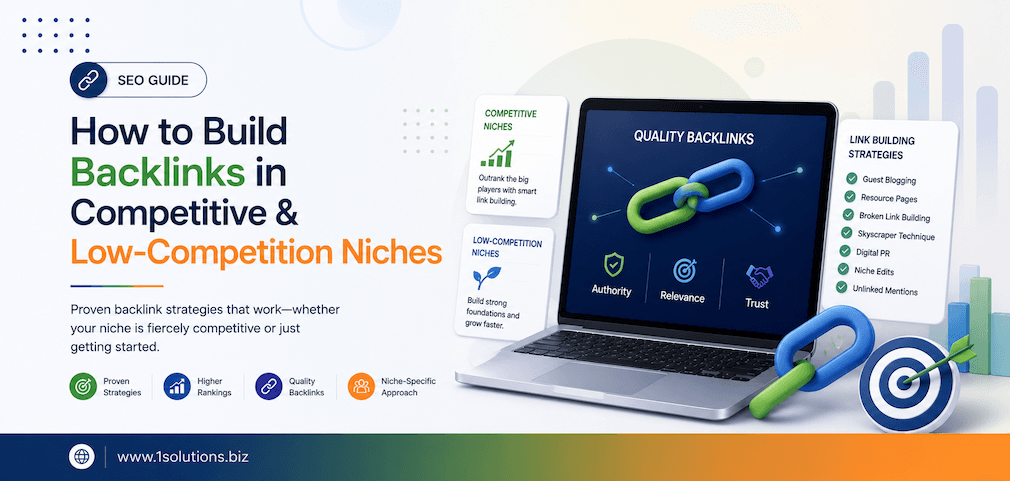
- Low competition niches: A starter package with five to ten high-quality links per month may be sufficient, especially if your on-page SEO is already solid. Read more about building backlinks in low-competition versus competitive niches to calibrate your expectations.
- Medium competition niches: A mid-tier package with a mix of guest posts, niche edits, and some digital PR typically works best here.
- High competition niches: You will need a robust package that combines multiple link types, consistent volume, and ideally a provider who understands your industry deeply.
For ecommerce businesses in particular, the competitive bar tends to be higher. Pairing link building with a broader ecommerce SEO strategy usually produces better results than treating link building as a standalone activity.
Step 6: Vet the Provider Thoroughly Before Committing
The link building industry has a large number of providers offering packages at every price point, and the variation in quality is enormous. Here is how to vet a provider properly:
Ask for Case Studies with Verifiable Results
A reputable provider should be able to share documented results from past clients, including starting metrics, the links built, and the ranking or traffic improvements that followed. Vague claims about “increased visibility” are not sufficient.
Review Their Link Building Process
Ask specifically how they prospect for link opportunities, how they handle outreach, and how they ensure link quality. Providers who use private blog networks (PBNs), automated outreach tools at scale, or link exchanges should be avoided. For a clear breakdown of what safe practices look like, the guide on building links safely without triggering penalties covers the key principles.
Check Their Reporting Format
You should receive a monthly report that includes the live URL of each link, the anchor text used, the referring domain’s metrics, and the target page for each placement. Anything less than this level of transparency is insufficient.
Understand Their Anchor Text Strategy
Over-optimized anchor text is one of the fastest ways to trigger a manual penalty. A good provider will use a natural mix of branded anchors, partial-match anchors, and generic anchors rather than loading every link with your exact target keyword.
Step 7: Understand the Risk of Cheap Packages
It is worth being direct about this: cheap link building packages almost always cut corners in ways that will hurt you. The economics simply do not allow for quality at very low prices. Real outreach, real content creation, and real editorial placements cost real money.
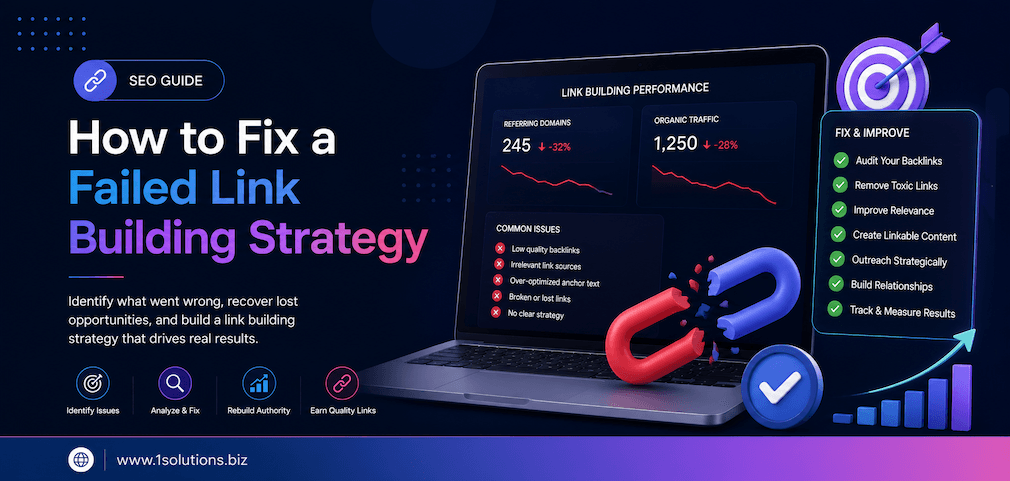
A package promising 100 links per month for a very low flat rate is almost certainly delivering links from link farms, automated platforms, or PBNs. Not only will these links fail to move rankings meaningfully, they create a toxic backlink profile that takes significant time and resources to clean up. If you have ever experienced a penalty situation, you already know how painful this recovery process is. The article on how to fix a failed link building strategy outlines what that cleanup typically involves.
According to a survey by Authority Hacker (2023), the average cost of a quality guest post placement from an outreach-based provider is between $150 and $500 per link, depending on the site’s authority and traffic. If a package is offering links well below that range, the quality difference will be apparent in the results.
😭 Warning: If a provider guarantees a specific number of placements on sites above a certain DA within a fixed timeframe, ask how they can guarantee this. Real editorial placements depend on third-party acceptance, and responsible providers will explain this rather than make unconditional promises.
Step 8: Integrate Link Building with Your Broader SEO Strategy
Link building works best when it is part of a cohesive SEO strategy rather than a standalone effort. There are several areas where integration matters most:
On-Page SEO Alignment
Links pointing to pages with thin content, poor page experience, or weak technical SEO will underperform. Before scaling link building, make sure the pages you are building links to are fully optimized. A consistent approach to page content analysis will help you identify which pages are ready for link equity and which need work first.
Internal Linking
Once you earn external backlinks, internal links help distribute that link equity to related pages across your site. Many businesses overlook this step and end up with link equity concentrated on a few pages. Understanding how to use internal links to amplify backlink impact is a high-return tactic that requires no additional budget.
Content Strategy
Linkable assets, whether data-driven posts, comprehensive guides, or original research, attract links more naturally and make outreach easier. If your content strategy is not producing material worth linking to, even the best outreach campaigns will struggle.
Businesses looking for a comprehensive approach that covers link building alongside technical and content SEO may find it useful to explore broader professional SEO services that integrate these disciplines rather than treating them separately.
Practical Action Plan: Choosing Your Package
Use this priority framework to move from evaluation to action:
- Do This Now: Run a backlink audit using Ahrefs, Semrush, or Moz to establish your current baseline. Identify any toxic links that need disavowal before new link building begins. Define one primary goal for the campaign (ranking improvement, authority building, or traffic growth) and write it down.
- Worth Doing: Request sample reports and sample link placements from at least two to three providers before comparing pricing. Check each provider’s own backlink profile and domain authority to assess whether they practice what they sell. Align your link building targets with your on-page SEO priorities so that link equity flows to pages that are ready to rank.
- Low Priority (but not ignorable): Set up a monthly review calendar to check new backlinks as they go live and confirm they meet the agreed quality standards. Build a small internal linking plan to distribute equity from newly linked pages to related content on your site. Keep a record of your anchor text distribution so it stays natural over time.
Conclusion
Knowing how to choose a link building package is not just about picking the right price tier. It is about understanding your baseline, defining your goals, vetting providers on substance rather than promises, and integrating link building into a broader strategy that includes content, on-page SEO, and technical health. The businesses that treat link building as a shortcut consistently end up paying for it. The ones that treat it as a long-term investment in their domain’s authority consistently see compounding returns over time. Take the steps outlined in this guide seriously, and you will be in a far better position to make a confident, informed choice.
Frequently Asked Questions
How many links per month do I actually need?
There is no universal number. The right volume depends on how competitive your target keywords are and how fast your top competitors are building links. For lower-competition niches, five to fifteen high-quality links per month is often sufficient. For highly competitive terms, you may need significantly more volume, but quality should never be sacrificed for quantity.
Is it better to buy a one-time package or a monthly retainer?
Monthly retainers typically produce better results because link building momentum compounds over time. One-time packages can work for specific campaigns, like a product launch or a push to rank a single page, but they rarely move the needle for overall domain authority the way a consistent monthly effort does.
How long before I see results from a link building package?
Most businesses start seeing measurable ranking improvements between three and six months after starting a quality link building campaign. Links take time to be discovered, crawled, and weighted by Google. Patience is not optional here, it is part of the process.
What types of links should I avoid regardless of package price?
Avoid links from private blog networks (PBNs), link exchange schemes, sites with no organic traffic or editorial standards, footer or sitewide links from unrelated sites, and any link built through fully automated outreach software. These link types create risk without delivering meaningful ranking benefit.
Can link building help my site recover from a Google penalty?
It depends on the type of penalty. If a previous link building campaign caused a manual or algorithmic penalty, you need to clean up the toxic links first before building new ones. New link building on top of an existing penalty will rarely resolve the issue and may deepen it. Review the smart link building tactics for penalty recovery to understand the correct sequence of steps if you are in this situation.