
Search behavior has shifted dramatically. More users now expect direct answers rather than a list of links to sift through. Whether it is Google’s AI Overviews, ChatGPT, Perplexity, or voice assistants, answer engines now sit between your content and your audience. This means optimizing content for Answer Engine Optimization is no longer optional for businesses that want to stay visible. This guide walks you through every step, from understanding what AEO is to a practical checklist you can act on today.
Answer Engine Optimization (AEO) is the practice of structuring content so AI-powered systems can extract and surface it as direct answers. To succeed, you need question-based content, structured data, authoritative sourcing, and technically sound pages. This guide gives you a step-by-step process and a full checklist to audit and improve your existing content.
⚡ Key Takeaways
- AEO focuses on getting your content selected as the answer, not just ranked on page one.
- Structured data markup (Schema.org) significantly increases your chances of appearing in AI-generated responses.
- Content formatted with clear questions, concise definitions, and bulleted steps performs best in answer engines.
- E-E-A-T signals (Experience, Expertise, Authoritativeness, Trustworthiness) are core to being cited by AI systems.
- Voice search optimization and AEO share most of the same tactics, so optimizing for one helps the other.
- Technical factors like page speed, crawlability, and clean HTML structure directly affect whether AI can parse your content.
- Regular content audits are essential because answer engine algorithms update frequently.
What Is Answer Engine Optimization and Why It Matters Now
Answer Engine Optimization is the practice of structuring, formatting, and positioning content so that AI-powered platforms can pull it directly into their responses. Unlike traditional SEO, where the goal is a high ranking, AEO aims for selection. Your content either becomes the answer or it does not appear at all.
According to SparkToro (2024), zero-click searches now account for more than 58% of all Google searches in the US and EU combined, meaning the majority of queries never result in a website click. Meanwhile, data from BrightEdge (2024) shows that 68% of online experiences still begin with a search engine, but the nature of those experiences is changing fast as AI intermediaries become the primary interface.
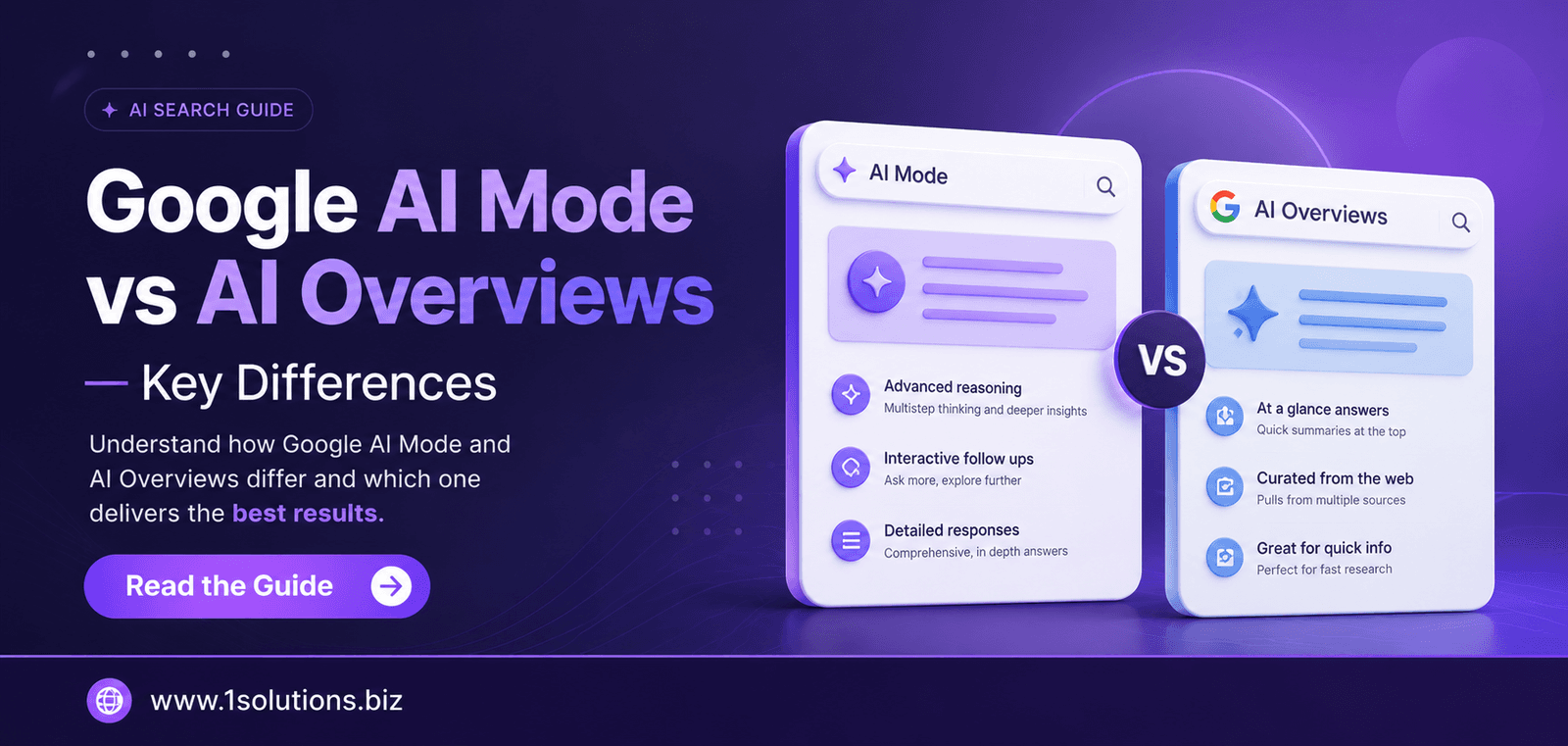
To understand how this fits into the broader AI search landscape, it helps to read about Google AI Mode vs AI Overviews and the key differences between them, since these two systems have distinct content preferences and selection logic.
Step 1: Research Answer-Focused Keywords and Questions
AEO starts with understanding what questions your audience is actually asking, not just what topics they search for. Traditional keyword research surfaces intent at a broad level. For AEO, you need granular, question-format queries.
How to Find the Right Questions
- Use Google’s “People Also Ask” boxes as a starting point. Screenshot and document every related question for your core topics.
- Run your seed keywords through tools like AlsoAsked.com or AnswerThePublic to generate question clusters.
- Check Reddit threads, Quora pages, and niche forums for the exact language your audience uses.
- Review your own site search logs if you have internal search enabled.
- Look at competitor FAQ sections and structured Q&A pages.
Group your questions by intent: definitional (what is X), procedural (how do I X), comparative (X vs Y), and situational (when should I X). Each type requires a slightly different content format for maximum AEO impact.
💡 Pro Tip: Prioritize long-tail questions with clear, factual answers. AI systems strongly prefer questions that have defensible, verifiable answers over opinion-based or highly nuanced ones.
Step 2: Structure Your Content for Direct Extraction
The biggest mistake content writers make for AEO is writing for human readers only. Answer engines are machines that parse HTML. Your content structure needs to serve both audiences simultaneously.
The Anatomy of an AEO-Optimized Page
- Open with the answer: Place a concise, direct answer to the primary question within the first 50 to 100 words of each section. Do not bury the lead.
- Use question-format H2 and H3 headings: “What is Answer Engine Optimization?” performs far better than “Overview of AEO” for extraction purposes.
- Write in short paragraphs: Aim for 2 to 4 sentences per paragraph. Long blocks of text are harder for AI parsers to isolate.
- Use numbered lists for processes: Step-by-step formats are highly favored for procedural queries.
- Use bullet lists for features, comparisons, and attributes: These translate cleanly into AI-generated answer formats.
- Define terms explicitly: Use the formula “X is [definition]” at least once per major concept on the page.
If you want a real-world example of this structure applied to local content, our post on how to build local pages that win in AI-powered search breaks down the same principles applied to location-specific content.
Step 3: Implement Structured Data Markup
Schema markup is the most direct technical signal you can send to answer engines. It tells AI systems exactly what type of content they are reading and how to interpret it.
Schema Types That Matter Most for AEO
| Schema Type | Best Used For | AEO Benefit |
|---|---|---|
| FAQPage | FAQ sections on any page | Directly populates Google’s FAQ rich results and AI Overviews |
| HowTo | Step-by-step process pages | Enables rich snippets for procedural queries |
| Article / BlogPosting | Blog posts and editorial content | Signals authorship and publication date to AI crawlers |
| QAPage | Community Q&A or support pages | Surfaces question-and-answer pairs directly in results |
| Organization | Your homepage and about page | Builds brand entity recognition for Knowledge Graph |
| BreadcrumbList | All site pages | Helps AI understand content hierarchy and context |
Implement Schema markup using JSON-LD, which is the format Google explicitly recommends. Validate every markup addition using Google’s Rich Results Test before publishing. Do not mark up content that does not appear visibly on the page, as this violates Google’s guidelines and can trigger penalties.
Step 4: Build E-E-A-T Signals Into Every Page
AI systems do not randomly select content to surface. They are trained to prefer content from sources that demonstrate Experience, Expertise, Authoritativeness, and Trustworthiness. According to Google’s Search Quality Evaluator Guidelines (2024), E-E-A-T is applied across all content types, but it carries extra weight for topics that affect users’ health, finances, safety, or major decisions.
Practical E-E-A-T Actions
- Add detailed author bios with credentials, professional links, and relevant experience to every article.
- Cite credible, named sources for every statistic or claim. AI systems cross-reference sourcing.
- Link to authoritative external references where appropriate.
- Display trust signals prominently: years in business, certifications, verified reviews, and media mentions.
- Keep content updated and include a visible “last updated” date on every page.
- Build topical authority by publishing clusters of content around your core subjects rather than isolated articles.
For businesses working on improving their visibility in AI-driven results specifically, our detailed guide on how to improve website visibility in AI search engines covers entity building and brand citation strategies in depth.
💡 Pro Tip: Link internally between related articles to signal topical depth. A cluster of five well-linked articles on one subject tells AI crawlers that you are an authoritative source, not a single-page resource. Read more about using internal links to boost your overall authority.
Step 5: Optimize for Conversational and Voice Queries
Voice assistants pull from the same answer engine infrastructure as text-based AI tools. Optimizing for voice search is therefore identical to optimizing for AEO in most respects. The key difference is language register: voice queries tend to be longer, more conversational, and phrased as complete sentences.
Voice and Conversational Optimization Tactics
- Write at a clear, accessible reading level. Aim for a Flesch-Kincaid grade of 8 or below for most content.
- Include natural-language question variants in your headings and body text. “How do I” phrasing outperforms keyword-stuffed headings.
- Create a dedicated FAQ section on every key page. Use verbatim question wording that mirrors how people actually speak.
- Keep your featured-snippet-target paragraphs between 40 and 60 words. This is the sweet spot for voice assistants reading answers aloud.
- Use local business schema if you serve a specific area, as voice searches are frequently location-intent driven.
Small businesses in particular stand to gain significantly from local AEO. Our resource on Local AEO best practices for small businesses details the exact tactics that work for location-based answer visibility.
Step 6: Address Technical Foundations That Affect AEO
Great content structure means nothing if AI crawlers cannot access, parse, and trust your pages. Technical SEO and AEO are tightly linked. According to Ahrefs (2023), 66.5% of pages receive zero organic traffic, and poor technical health is one of the primary reasons content never gets indexed or selected by answer engines.
Technical AEO Checklist Items
- Core Web Vitals: Pages must load quickly and provide a stable, responsive experience. Slow pages are deprioritized by both Google and AI systems.
- Clean, semantic HTML: Use proper heading hierarchy (H1, H2, H3) without skipping levels. AI parsers rely on HTML structure to understand content relationships.
- Mobile-first design: A majority of voice and AI-assisted searches happen on mobile devices.
- HTTPS everywhere: Secure pages are a baseline trust signal. If you need a refresher, our introduction to SSL security covers why this matters.
- Crawl budget management: Ensure your most important pages are not blocked by robots.txt or buried behind pagination.
- Canonical tags: Prevent duplicate content from diluting your answer authority across multiple URLs.
Step 7: Build Content That AI Systems Cite and Reference
Getting cited by AI systems like ChatGPT, Perplexity, or Google’s AI Overviews is not purely algorithmic. It also depends on how widely your content is referenced, linked to, and discussed across the web. This is where traditional link building and AEO intersect.
High-quality backlinks from authoritative sites signal to AI training pipelines that your content is a trusted source worth citing. A strong link profile also increases the probability that your content was included in AI model training data in the first place. For a comprehensive approach to earning those links, review our guide on building backlinks in both competitive and low-competition niches.
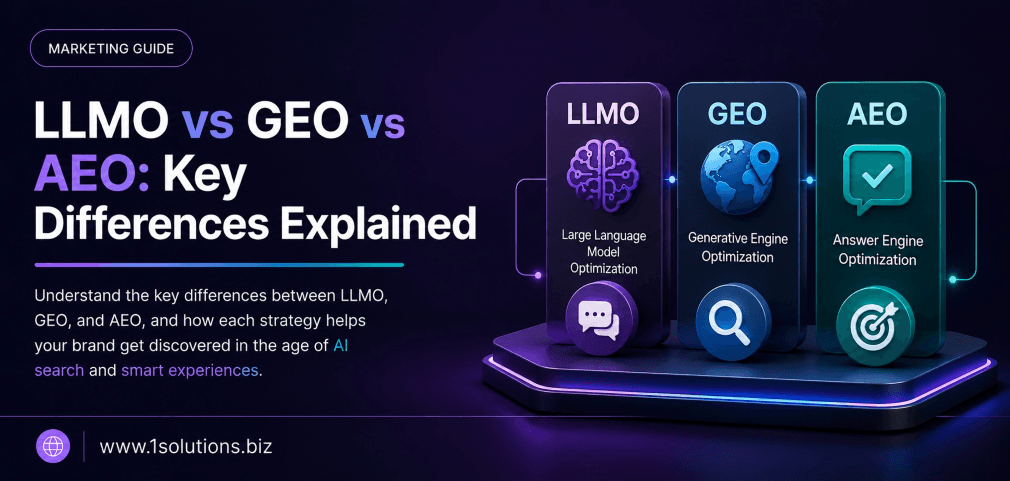
Additionally, understanding how large language models rank and select content is covered in our post on LLM Optimization and how to rank in AI search, which complements the AEO strategies here.
💡 Warning: Do not create thin, AI-generated content purely to fill question gaps. Answer engines are increasingly capable of identifying low-quality automated content, and surfacing it risks both ranking penalties and brand credibility damage.
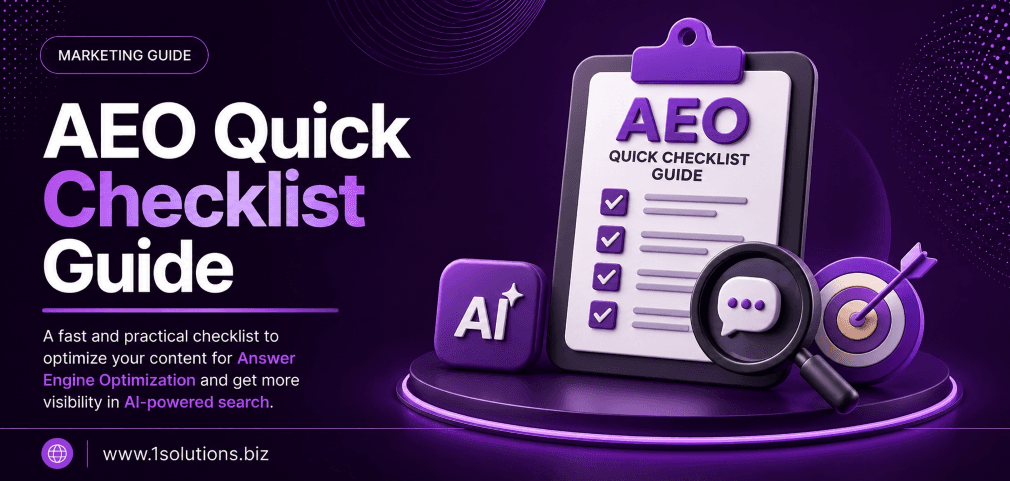
The Complete AEO Content Optimization Checklist
Use this checklist to audit existing pages and guide new content creation. Mark each item as complete before publishing or re-publishing any piece of content you want to compete in answer engines.
Content Structure
- Primary question answered in first paragraph of relevant section
- H2 and H3 headings phrased as questions where applicable
- Definition statements using “X is [definition]” format present
- Step-by-step numbered lists used for procedural content
- Bullet lists used for features, comparisons, and attribute groups
- Paragraphs kept to 2 to 4 sentences maximum
- Featured snippet target paragraphs 40 to 60 words long
- FAQ section with at least 5 questions included on the page
Schema and Technical
- FAQPage schema applied to FAQ sections
- HowTo schema applied to step-by-step sections
- Article or BlogPosting schema applied with author and date
- Organization schema present on homepage
- JSON-LD format used (not Microdata)
- Rich Results Test passed with no errors
- Page loads in under 3 seconds on mobile
- HTTPS active and no mixed-content warnings
- Proper heading hierarchy (no skipped levels)
- Images have descriptive alt text
E-E-A-T and Authority
- Author bio with credentials present
- All statistics cited with source name and year
- Content reviewed and updated within past 6 months
- Last-updated date visible on page
- Internal links to 3 to 5 related articles present
- Minimum 2 external links to authoritative sources present
- Topic cluster structure in place (related articles linked together)
Voice and Conversational
- Reading level at grade 8 or below
- Natural-language question variants used in headings
- FAQ questions mirror actual spoken-word queries
- Local schema applied if location-specific content
Practical Action Plan: Where to Start
Not every optimization can happen at once. Here is a prioritized action plan based on effort-to-impact ratio:
- Do This Now: Add an FAQ section with FAQPage schema to your five highest-traffic pages. This is the single highest-impact AEO action for most sites and can show results within weeks of Google recrawling those pages.
- Do This Now: Rewrite your top page introductions to open with a direct 50-word answer to the primary keyword question. Answer engines frequently pull from early page content.
- Worth Doing: Conduct a full question keyword audit for your top 10 content topics and create or update pages to answer those questions explicitly. This builds topical authority over one to three months.
- Worth Doing: Implement Article and Organization schema sitewide using a tag manager or your CMS plugin. This is a one-time setup with long-term AEO benefits.
- Worth Doing: Build 3 to 5 internal links from established high-authority pages to any new AEO-optimized content you publish, to accelerate crawling and trust transfer.
- Low Priority: Conduct a full technical audit of crawl budget and URL structure. This matters more at scale and can wait until the content-level improvements are in place.
- Low Priority: Test different featured-snippet paragraph lengths (40 words vs 60 words) using A/B testing tools to find what pulls best for your specific topics and audience queries.
If you want expert support implementing these changes, our team at 1Solutions provides dedicated search engine optimization services covering both traditional and AI-era optimization strategies. We also offer specialist content and copywriting services specifically designed to produce AEO-ready content that earns citations in AI-generated answers.
Conclusion: Optimizing Content for Answer Engine Optimization Is a Long Game
There is no single tweak that instantly lands your content in every AI-generated answer. Optimizing content for Answer Engine Optimization is a systematic, ongoing process that combines content structure, technical signals, genuine authority, and consistent updating. The businesses that invest in this now will hold structural advantages as AI intermediaries become the dominant interface between users and information.
Start with the checklist above. Apply the do-it-now actions to your top pages first. Then work through the rest methodically. The reward is not just higher rankings; it is becoming the source that AI systems trust and quote by default.
Frequently Asked Questions
What is the difference between SEO and Answer Engine Optimization?
Traditional SEO focuses on ranking a page highly in a list of search results. AEO focuses on having your content selected as the direct answer displayed by AI systems, voice assistants, or featured snippets, often without the user visiting your site at all. Both disciplines share technical foundations but require different content formatting strategies.
Does AEO replace traditional SEO?
No. AEO and SEO are complementary. Strong traditional SEO signals like domain authority, backlinks, crawlability, and Core Web Vitals all support AEO performance. Think of AEO as a layer you build on top of a solid SEO foundation, not a replacement for it.
How quickly can I see results from AEO optimization?
Changes like adding FAQ schema and restructuring introductions can produce results within two to six weeks once Google recrawls your pages. Building topical authority and earning AI citations is a longer process that typically takes three to six months of consistent effort.
Do I need technical expertise to implement Schema markup?
Basic FAQPage and Article schema can be added using WordPress plugins like Rank Math or Yoast without coding knowledge. More complex implementations, like HowTo or custom Organization schema, may require developer support. Always validate your markup using Google’s Rich Results Test after adding it.
Which types of businesses benefit most from AEO?
Any business that answers informational questions can benefit from AEO, but it is especially valuable for service businesses, e-commerce sites, healthcare providers, financial services, and B2B companies where users frequently ask comparison and how-to questions before making decisions. Local service businesses in particular see strong returns given the high volume of voice-based local queries.