
What is Google’s “People Also Ask” and Why Should You Care?
If you have searched anything on Google recently, you have almost certainly noticed a collapsible box somewhere on the results page labeled “People Also Ask.” It sits between organic results, sometimes above the fold, and contains a short list of related questions with expandable answers. But what is Google’s “People Also Ask” feature exactly, how does it decide which questions to show, and more importantly, how can your content earn a spot inside it?
This guide breaks down everything you need to know across exactly 10 detailed points, from the technical mechanics behind PAA to actionable optimization steps any website owner can take today.
Google’s “People Also Ask” (PAA) is a dynamic SERP feature that displays related questions and brief answers pulled from web pages. It appears in roughly 43% of all searches, expands infinitely as users click, and represents a high-visibility real estate opportunity for any brand investing in structured, question-based content. Optimizing for PAA overlaps heavily with featured snippet and voice search optimization strategies.
⚡ Key Takeaways
- PAA boxes appear in approximately 43% of Google searches, making them one of the most common SERP features (Semrush, 2023).
- Each PAA answer is pulled dynamically from a web page, similar to how featured snippets work.
- Clicking any PAA question loads new related questions, creating a theoretically infinite expansion.
- Structured, concise answers of 40-60 words tend to perform best for PAA inclusion.
- PAA and featured snippets often come from the same page, but they are separate placements.
- Schema markup and clear FAQ formatting significantly improve your chances of being selected.
- PAA visibility can drive clicks even when you rank outside the top three organic positions.
1. The Basic Definition: What PAA Actually Is
Google’s “People Also Ask” is a universal Search Engine Results Page (SERP) feature that groups a small set of user questions related to the original search query. Each question appears as a clickable accordion row. When expanded, it displays a brief answer pulled directly from a third-party web page, along with the source URL, page title, and domain name. The feature was first observed broadly around 2015 and has grown dramatically in presence since then.
Unlike paid ads or Knowledge Panels, PAA placement is entirely organic. Google algorithmically selects both the questions and the answers it surfaces. The questions shown are not random: they are derived from patterns Google detects across millions of similar searches, representing the most common follow-up curiosities people have after typing a given query.
PAA is distinct from the “Related Searches” section at the bottom of the page. Related Searches are plain text links to new queries. PAA, by contrast, includes actual answer content and source attribution, giving it substantially more informational value and user engagement potential. Understanding this distinction matters because the optimization strategies for each are quite different. PAA is about providing clear, structured answers. Related Searches optimization is more about topical clustering and internal link architecture.
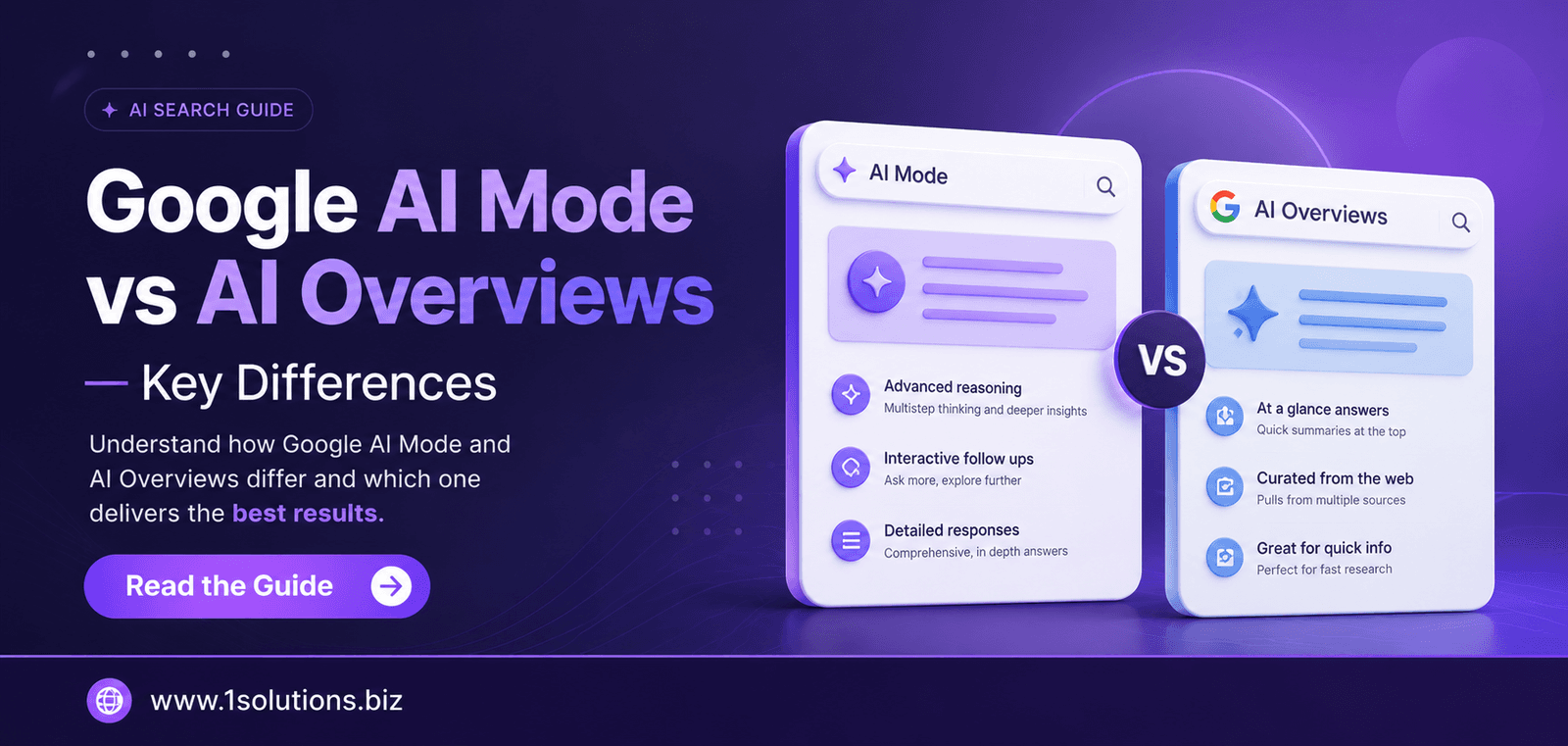
For a broader look at how Google is evolving its answer-based features, it helps to also understand the difference between Google AI Overviews and AI Mode, two newer SERP features that share some DNA with PAA but operate very differently.
2. How Widespread PAA Has Become
PAA is not a niche SERP feature confined to specific query types. According to Semrush (2023), PAA boxes appear in approximately 43% of all Google searches. A separate analysis by Advanced Web Ranking (2022) found that PAA presence had grown by over 1,500% between 2016 and 2022, making it one of the fastest-expanding SERP features in Google’s history.
The feature is especially prevalent on informational queries, the “what,” “why,” “how,” and “when” style searches. But PAA also appears on commercial and transactional queries with surprising frequency. For example, a search for “best project management software” will often trigger a PAA box asking “What is the most used project management software?” or “Is project management software worth it?” This means even product-focused pages have legitimate PAA opportunities.
Interestingly, PAA placement does not always correlate with first-page organic ranking. Studies have shown PAA answers are pulled from pages ranking anywhere from position 1 to position 75 in organic results. This makes PAA one of the few SERP features where a page with moderate authority can still achieve significant visibility. For businesses running SEO for small businesses, this represents a meaningful shortcut to Google’s first page without needing domain authority comparable to industry giants.
3. The Mechanics: How Google Selects PAA Questions
Google uses Natural Language Processing (NLP) to identify patterns in search behavior and determine which follow-up questions are most commonly associated with a seed query. The system draws on aggregated data from billions of searches to build a map of related questions. When a user types a query, Google cross-references this map and selects the questions that statistically appear most relevant to the user’s likely next information need.
The initial set of questions is typically three to four items. However, the system is designed to expand. When a user clicks any question, Google dynamically loads two to four additional related questions below it. This cascade effect means that a single seed query can theoretically surface hundreds of distinct questions through progressive interaction. Researchers at Moz have documented PAA trees with over 1,000 unique questions branching from a single starting query.
The questions shown also vary somewhat by device, location signals, and previous search history, though the core set tends to remain consistent for a given query. Google’s selection algorithm favors questions where a high-quality, concise answer exists on a credible web page. Pages that use structured data, clear headers, and direct question-and-answer formatting are consistently overrepresented in PAA boxes.
💡 Pro Tip: Use tools like AlsoAsked.com or AnswerThePublic to map out full PAA question trees before writing content. Building one comprehensive page that answers a cluster of related questions dramatically increases your chances of appearing in multiple PAA positions for the same topic.
4. How PAA Answers Are Pulled from Web Pages
The mechanism Google uses to extract PAA answers is closely related to the featured snippet algorithm. Google’s crawler identifies passages within a page that directly answer a question. It looks for signals like a question phrased in a heading followed immediately by a concise paragraph, a definition sentence at the start of a paragraph, a short numbered or bulleted list, or a table that summarizes key data.
The extracted answer is typically between 40 and 80 words. Longer explanations tend not to be selected unless they are broken into very clear sentence structures. Images can sometimes accompany a PAA answer, particularly for “how to” queries where a visual step is helpful. Videos are occasionally featured in PAA for tutorial-style queries.
Importantly, Google attributes the answer to its source page. Users see the title of the page, the domain name, and can click through to read the full content. This attribution means PAA placement can drive real referral traffic, not just brand impressions. However, it is worth noting that some users read the expanded answer and do not click through, which is the same zero-click concern associated with featured snippets. Acknowledging this trade-off honestly is important when setting expectations around PAA as a traffic strategy.
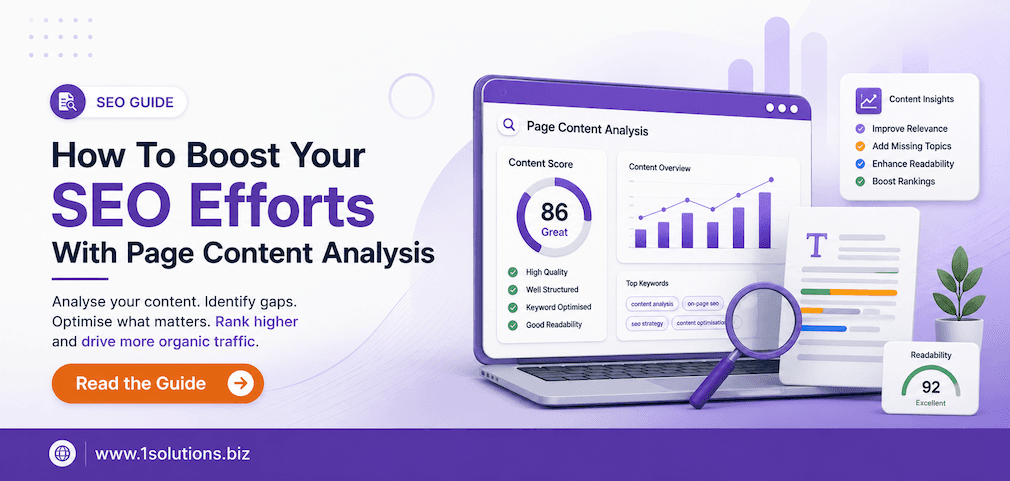
If you are thinking about how to strengthen the content signals on your pages, our guide on boosting SEO with page content analysis walks through the specific on-page factors that improve your chances of being selected for answer-based features.
5. PAA vs. Featured Snippets: Understanding the Difference
Many people conflate PAA with featured snippets, and while they share similarities, they are distinct placements with different characteristics. The table below summarizes the key differences:
| Feature | People Also Ask (PAA) | Featured Snippet |
|---|---|---|
| Position on page | Variable, often mid-page | Position 0, top of results |
| Number of results | Multiple (expandable) | Single result per query |
| Query match | Related questions, not exact | Direct match to user query |
| Can a page hold both? | Yes | Yes |
| Answer format | Paragraph, list, table | Paragraph, list, table |
| Click-through impact | Moderate, varies by answer length | Lower due to zero-click risk |
| Schema markup helps? | Yes, especially FAQ schema | Yes, especially HowTo schema |
One significant advantage of PAA over featured snippets is that a single page can appear in PAA multiple times for different questions within the same results page, something featured snippets cannot do. This multiplies the brand visibility opportunity for comprehensive content pages.
6. The Role of Schema Markup in PAA Optimization
While Google does not require structured data to select a PAA answer, implementing the right schema markup meaningfully improves your odds. FAQ schema (schema.org/FAQPage) is the most directly relevant markup type. When you add FAQ schema to a page, you explicitly signal to Google that the page contains structured question-and-answer pairs, which aligns perfectly with what PAA is designed to surface.
HowTo schema is useful for process-based queries. QAPage schema is relevant for community forum-style content. Even if you do not implement schema, ensuring your HTML structure is clean, that questions appear in H2 or H3 tags and are immediately followed by direct answers, provides Google’s crawler with functional equivalents of structured data signals.
One caution worth noting: Google has occasionally reduced rich results for pages over-relying on FAQ schema, particularly pages that add FAQ markup to commercial or promotional content rather than genuinely informational content. Use schema where it reflects the actual structure of the page, not as a blanket overlay on every page of your site.
For deeper context on how evolving Google protocols affect content discoverability, the breakdown of WebMCP and its impact on SEO is worth reading alongside PAA strategy planning.
💡 Pro Tip: Test your FAQ schema implementation using Google’s Rich Results Test tool before publishing. Broken or incomplete markup will not generate errors in Search Console but it will silently prevent your structured data from being processed correctly.
7. How PAA Connects to Voice Search and AEO
Answer Engine Optimization (AEO) is the practice of structuring content so it is selected as a direct answer by Google, voice assistants, and AI-based search tools. PAA sits at the heart of AEO strategy because the questions Google surfaces in PAA closely mirror the natural language queries people use in voice search. According to a Backlinko analysis (2022), 40.7% of voice search answers came from featured snippets, with PAA-adjacent content following closely behind.
When someone asks a smart speaker or uses Google’s voice search on mobile, the spoken answer is almost always drawn from the same content pool that feeds PAA boxes. This means optimizing for PAA and optimizing for voice search are effectively the same task: write clear, concise, conversational answers to specific questions.
The convergence of PAA, voice search, and AI-generated overviews is creating a new content imperative. Pages that answer questions well in plain language are being selected across multiple answer surfaces simultaneously. Our detailed resource on local AEO best practices for small businesses covers how this applies specifically to location-based queries, which are among the most voice-search-heavy query types.
8. Keyword and Content Strategy for PAA Targeting
Targeting PAA requires a different mindset than traditional keyword optimization. Instead of building pages around head terms with high search volume, PAA strategy starts with question-based long-tail keywords. Tools like AlsoAsked, AnswerThePublic, Semrush’s Keyword Magic Tool, and Google’s own autocomplete feature are all useful for identifying the specific questions that appear in PAA for your target topics.
Once you have a list of target questions, the content structure matters enormously. Each question should have its own heading. The answer should begin in the very first sentence after the heading, not three paragraphs in. The answer should be self-contained, meaning someone reading only that section should get a complete, useful response. Avoid burying the answer in qualifications and caveats before delivering it.
Content depth also matters. A page that answers one question in isolation is less likely to be selected than a page that answers a question within a broader, authoritative piece of content on the topic. Google’s quality signals still apply: thin pages with only a few hundred words rarely earn PAA placement regardless of how well the question is structured. Aim for genuinely comprehensive coverage. For startup teams building their SEO content from scratch, the 10 SEO strategies that work for startups resource provides a useful framework for prioritizing which content types to build first.
9. Monitoring PAA Performance and Measuring Impact
One of the persistent challenges with PAA optimization is measurement. Google Search Console does not provide a dedicated report for PAA appearances or clicks. PAA impressions are rolled into general query data, making it difficult to isolate their contribution to overall performance. Third-party tools like Semrush, Ahrefs, and Moz Pro do track PAA appearances at the keyword level, allowing you to see which queries trigger PAA boxes where your domain appears.
To track PAA effectiveness practically, compare click-through rates (CTR) on keywords where you hold a PAA answer versus comparable keywords where you do not. If PAA-featured queries show higher CTR despite similar average positions, that is a reasonable signal that PAA placement is adding incremental value. Monitor rankings for the specific PAA questions you are targeting over time, since PAA answers cycle in and out more frequently than organic rankings.
One important nuance: appearing in PAA for a question does not guarantee that you are also ranking on page one for that question organically. The two placements are determined by different algorithms. It is entirely possible to hold a PAA answer from page three of organic results, which underscores both the opportunity and the complexity of PAA as a standalone metric. Working with a team experienced in comprehensive SEO services can help structure tracking and reporting that accounts for PAA as part of a full SERP visibility picture.
💡 Warning: Do not treat PAA appearances as equivalent to organic ranking gains. PAA can inflate brand visibility numbers without necessarily improving page-level authority or driving consistent traffic. Always track PAA alongside organic ranking, CTR, and actual session data to get an accurate picture.
10. The Future of PAA in an AI-First Search Environment
Google’s rollout of AI Overviews (formerly Search Generative Experience) has raised questions about whether PAA will diminish in importance as AI-generated summaries take over more answer real estate at the top of the SERP. The evidence so far suggests PAA is adapting rather than disappearing. According to a BrightEdge study (2023), PAA continued to appear in a significant percentage of queries even when AI Overviews were also present on the same page, often positioned below the AI summary.
The relationship between PAA and AI Overviews is evolving in an interesting direction. AI Overviews are increasingly drawing from the same content sources that feed PAA boxes. This means that pages optimized for PAA are simultaneously improving their chances of being cited within AI Overviews. The underlying content requirement is identical: clear, accurate, concise answers to specific questions from credible, well-structured pages.
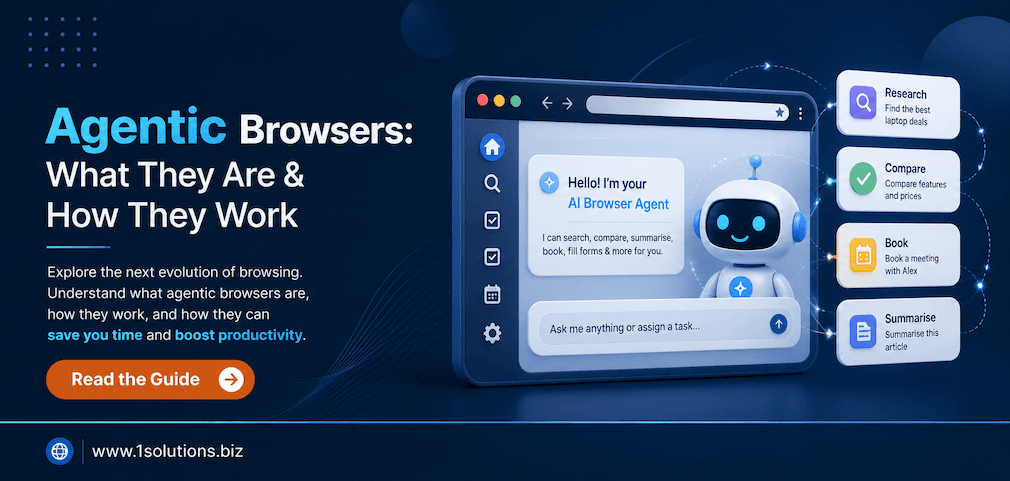
As agentic AI tools and autonomous browsers begin performing search tasks on behalf of users, the ability of your content to answer questions directly will matter even more. Our analysis of agentic browsers and how they work explores this trajectory. Similarly, understanding LLM optimization and how to rank in AI search is becoming a natural extension of PAA strategy for forward-thinking content teams.
For businesses that want to stay ahead of these shifts, investing now in question-focused, answer-optimized content is the single best hedge against SERP volatility. The content formats that win PAA today are the same formats that will feed AI answer engines tomorrow. Teams looking to build this kind of content systematically should explore professional content and copywriting services that understand both the technical and editorial requirements of answer-first content strategy.
Practical Action Plan: What to Do With This Information
- Do This Now: Audit your top five traffic-driving pages and restructure any FAQ or informational sections so each question has its own H2 or H3 tag followed immediately by a direct, 40-60 word answer. Add FAQ schema to these pages and validate with Google’s Rich Results Test. This is the highest-impact, lowest-effort PAA optimization you can perform.
- Worth Doing: Use AlsoAsked or Semrush’s PAA tracking to identify the question clusters your target keywords trigger. Build new content pieces specifically designed to answer those question clusters comprehensively. Cross-link related question pages using descriptive anchor text to reinforce topical authority signals. Review our post on using internal links to boost backlink impact for internal linking guidance that supports this approach.
- Low Priority: Track PAA appearances using third-party rank tracking tools and build a monthly PAA visibility report. This data is useful for demonstrating the broader value of content investment to stakeholders, but the measurement overhead is not worth the effort until your core PAA optimization work is already in place and generating results.
Conclusion: What is Google’s “People Also Ask” and Where Does It Fit in Your Strategy?
What is Google’s “People Also Ask” at its core? It is a dynamic, algorithmically driven SERP feature that surfaces related questions and brief answers to help users explore topics more deeply. It appears in nearly half of all searches, draws content from pages across a wide ranking range, and represents a genuine opportunity for brands at any authority level to claim visible real estate on Google’s results pages.
The optimization path is clear: structure your content around specific questions, deliver direct answers in the first sentence after each heading, use FAQ schema to reinforce your signals, and build comprehensive topical coverage rather than thin standalone pages. The same content practices that earn PAA placement also improve featured snippet eligibility, voice search visibility, and AI Overview citations, making PAA optimization one of the highest-leverage content investments available to SEO practitioners right now.
FAQ: People Also Ask on Google
Does appearing in PAA mean I am ranking on page one of Google?
No. Google can pull PAA answers from pages ranking as low as position 75 in organic results. PAA placement and organic ranking are determined by separate algorithms. You can hold a PAA answer without ranking in the top ten organically for the same query.
How long should a PAA answer be?
The optimal length for a PAA answer is typically between 40 and 80 words. The answer should be self-contained and direct, beginning in the first sentence after the relevant heading. Avoid lengthy preambles before delivering the actual answer.
Can I appear in PAA for a query where I do not currently rank?
Yes, though it is uncommon. PAA questions are often adjacent to the seed query, so a page optimized for a related question can surface in PAA for a query it does not directly target organically. However, having at least some topical relevance to the seed query is generally necessary.
Does PAA hurt my click-through rate by giving away my answer?
It can, and this is a legitimate trade-off. Some users read the PAA answer and do not click through to the source page. However, studies suggest that PAA placement also drives brand awareness and some incremental clicks, particularly for users who want more detail than the brief answer provides. Net impact on traffic varies by query type and answer completeness.
Is FAQ schema required to appear in PAA?
No, FAQ schema is not required. Google can extract PAA answers from any page where a question is clearly formatted in a heading and followed by a direct, concise answer. However, implementing FAQ schema where appropriate does improve your chances and helps Google process your content more efficiently.