
10 Must-Try AI Content Creators To Boost Your Productivity
The pressure to produce high-quality content at scale has never been greater. Marketers, bloggers, agency teams, and solo creators are all looking for smarter ways to work, and the right AI content creators to boost your productivity can make a measurable difference. According to McKinsey (2023), generative AI could add between $2.6 trillion and $4.4 trillion in value annually across industries, with marketing and sales among the top beneficiaries. But not every tool delivers on its promise, and choosing the wrong one wastes time instead of saving it.
This guide cuts through the noise. Below, you will find exactly 10 AI content creation tools worth your attention, along with honest assessments of what each one does well and where it falls short.
AI content creation tools can dramatically speed up writing, design, video production, and SEO workflows. This article covers 10 of the most useful platforms available right now, comparing features, trade-offs, and best use cases so you can choose tools that actually fit your process, not just the ones with the biggest marketing budgets.
⚡ Key Takeaways
- AI content tools are most effective when paired with human editing and brand oversight, not used as a fully autonomous replacement.
- Different tools specialize in different formats: long-form writing, short-form copy, video scripts, visuals, and social media content each have dedicated solutions.
- According to HubSpot (2024), 64% of marketers who use AI tools report higher overall productivity.
- Cost and learning curve vary significantly across platforms, so matching the tool to your team size and output volume matters.
- SEO-focused teams should integrate AI writing tools with proper professional content strategy services to maintain quality and ranking potential.
- Free plans exist for most tools but come with meaningful limitations that affect output quality and volume.
- AI-generated content still requires human review to catch factual errors, maintain brand voice, and meet search quality standards.
Why AI Content Creators Matter for Modern Workflows
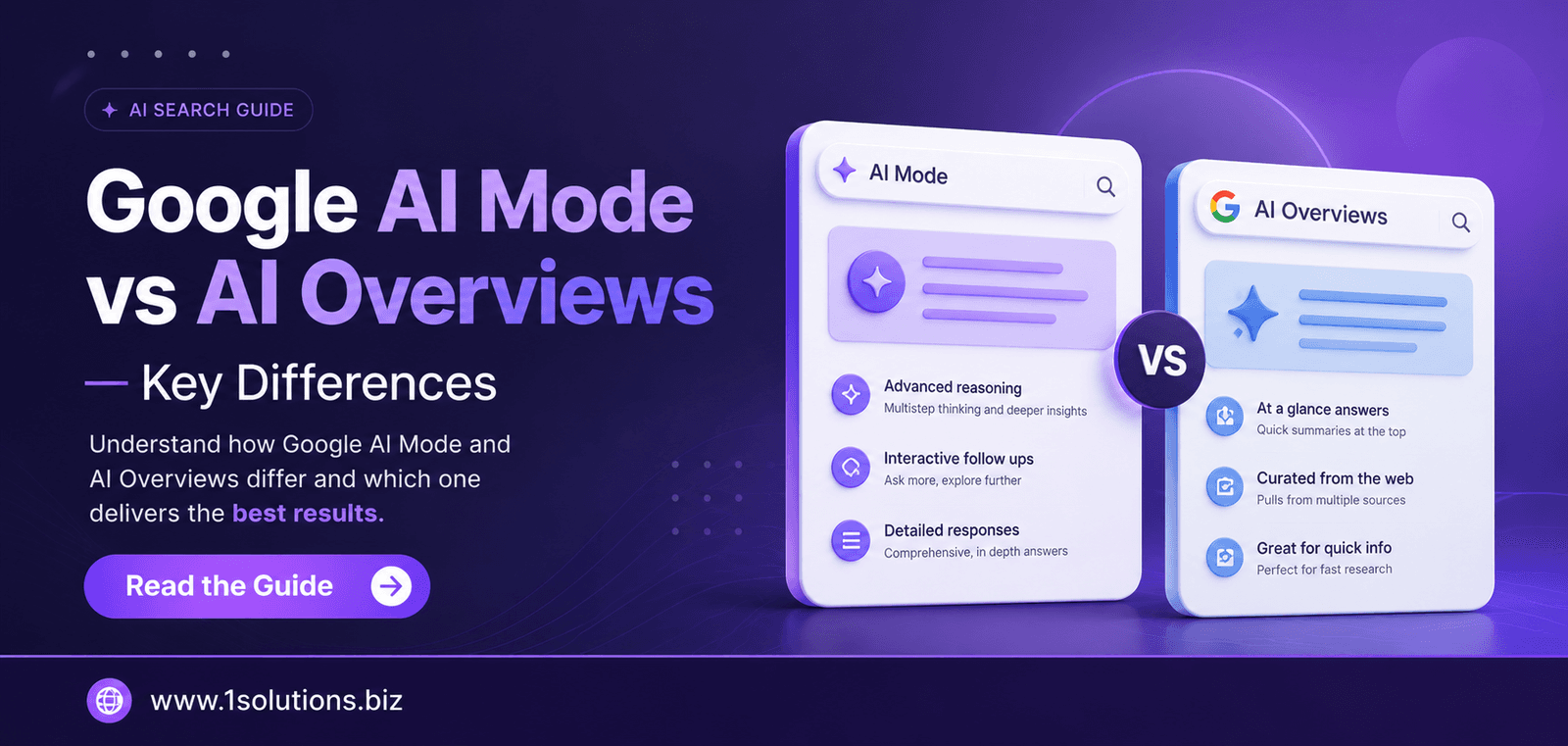
Content demand has grown faster than most teams can staff for it. A single brand might need blog posts, product descriptions, social captions, email sequences, video scripts, and ad copy, often on tight deadlines. AI content tools do not replace strategic thinking, but they dramatically reduce the time spent on first drafts, ideation, and formatting. Understanding how these tools interact with search is also worth your attention. If you want to understand how AI is reshaping search itself, this breakdown of Google AI Mode vs AI Overviews is a useful read before diving deeper into content creation workflows.
Now, let us get into the 10 tools themselves.
The 10 Best AI Content Creators To Boost Your Productivity
1. ChatGPT (OpenAI)
ChatGPT remains the most widely adopted AI writing assistant on the market. Powered by OpenAI’s GPT-4 and GPT-4o models, it handles a broad range of content tasks: blog drafts, email copy, product descriptions, brainstorming, summarization, and even basic code. Its conversational interface makes it approachable for beginners while still offering enough depth for advanced users who write detailed system prompts.
The free tier is available but limits access to the faster models. ChatGPT Plus at $20 per month unlocks GPT-4o, browsing, image generation via DALL-E, and custom GPTs. One real trade-off: it does not have native SEO tools built in. You need to layer it with keyword data manually or via plugins. It also has a tendency to produce confident-sounding but inaccurate information, which means every output needs a human fact-check pass. For teams producing large volumes of content, it works best as a drafting assistant rather than a finished-copy machine. It integrates well with other tools through its API, making it flexible for custom workflows.
💡 Pro Tip: Write a detailed system prompt that includes your brand voice guidelines, target audience, and content goals. This dramatically improves consistency across outputs and reduces editing time.
2. Jasper AI
Jasper was built specifically for marketing teams and content creators who need brand-consistent output at scale. It offers over 50 content templates covering blog posts, ad copy, social media content, email sequences, and more. Its Brand Voice feature allows you to upload existing content so Jasper learns your tone and mirrors it across new outputs, which is a genuine differentiator for agencies managing multiple clients.
Pricing starts at around $49 per month for the Creator plan, making it one of the pricier options on this list. That cost is justified if your team produces high volumes of marketing content regularly. If you are a solo blogger or a small business testing the waters, the price-to-value ratio is less compelling. Jasper also integrates with Surfer SEO, which helps bridge the gap between content creation and search optimization. The trade-off is that Jasper’s outputs, while polished, can sometimes feel formulaic and require a heavier editing pass to inject genuine insight or originality. It shines brightest when used for repeatable content formats rather than deeply researched thought leadership pieces.
3. Copy.ai
Copy.ai targets marketers who need fast, short-form content without a steep learning curve. It excels at ad copy, product descriptions, email subject lines, social media captions, and sales page sections. The platform recently expanded into longer-form content with its Workflows feature, which chains multiple AI steps together to produce more complete content pieces automatically.
A free plan with limited credits is available, and paid plans start at $49 per month. Copy.ai’s interface is clean and fast, making it a good choice for teams that need to generate many small content pieces quickly. The main limitation is depth. For content that requires nuance, research integration, or a distinctive editorial voice, Copy.ai often produces output that feels generic. It is best used as a starting point, not a finishing line. Pair it with a strong human editor and a clear style guide to get consistent, publishable results. Teams running ecommerce stores will find it especially useful for generating product listing variations at scale, which pairs well with a broader ecommerce marketing strategy.
4. Writesonic
Writesonic positions itself as an all-in-one AI writer with strong SEO capabilities. It includes tools for blog writing, landing pages, ad copy, and a built-in AI article writer that can pull from real-time web data. Its Chatsonic feature functions similarly to ChatGPT but with live web browsing enabled, which is useful for content that needs current information.
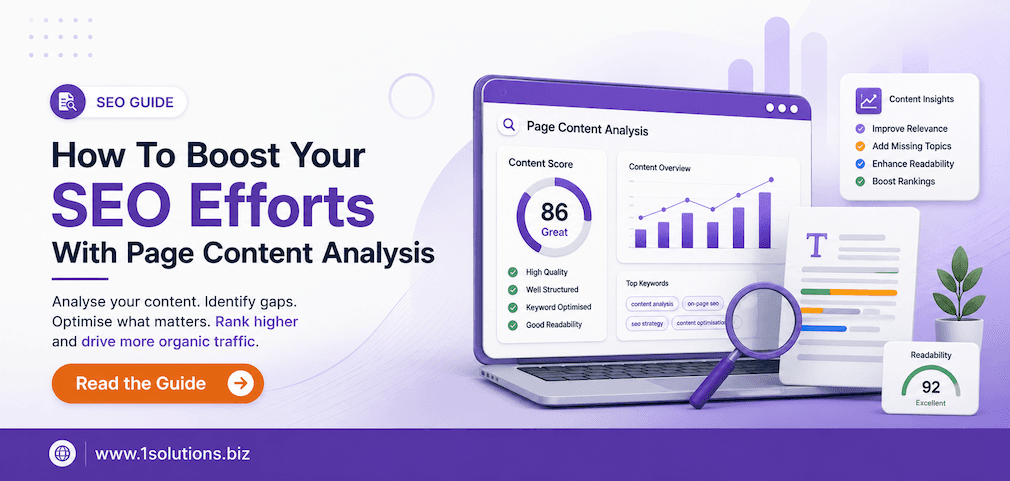
According to Writesonic’s own published data (2024), users report saving an average of 10 hours per week on content production when using the platform consistently. Pricing is tiered, with a free plan offering limited credits and paid plans starting at around $16 per month. One honest trade-off: Writesonic’s output quality varies depending on which model you select within the platform. The cheaper models produce noticeably lower-quality text. Investing in the premium model outputs is worth it if accuracy and readability matter to you. The SEO integration is a genuine strength, making it a practical choice for content teams that need to align writing with search performance from the start. For deeper SEO strategy insights, check out this guide on boosting SEO through page content analysis.
5. Surfer SEO with AI
Surfer SEO is primarily an on-page optimization tool, but its AI writing features have made it a serious content creation option for SEO-focused teams. It analyzes top-ranking pages for your target keyword and generates content briefs or full drafts that are statistically aligned with what Google is already rewarding. This approach reduces guesswork significantly.
The content editor gives you a real-time content score as you write, showing which keywords to include, optimal word count, heading structure, and more. Surfer integrates directly with Jasper and Google Docs, fitting into existing workflows without disruption. Pricing starts at $99 per month, making it one of the more expensive tools here, but for teams where search visibility is a core metric, the investment tends to pay off. The trade-off is that Surfer’s AI-generated drafts can feel mechanical if you follow the optimization guidelines too rigidly. Great content still requires a human to add real insights, examples, and editorial judgment on top of the framework Surfer provides. It pairs naturally with comprehensive professional SEO services for best results.
💡 Pro Tip: Use Surfer SEO to build your content brief and structural framework, then write the actual prose in a separate tool or manually. This gives you the SEO foundation without letting the optimization score override readability.
6. Canva Magic Studio
Canva’s Magic Studio brings AI content generation into the visual design space. For content teams that need graphics, social media assets, presentations, and video clips alongside written content, Canva’s AI features are a practical all-in-one solution. Magic Write generates text for designs, Magic Design creates full layouts from a prompt, and Magic Media generates images and short video clips from text descriptions.
Canva Pro, which includes full access to Magic Studio features, costs $15 per month per person. For non-designers who need to produce professional-looking visual content consistently, this is excellent value. The trade-off is quality ceiling: Canva’s AI-generated images and videos do not match the output of dedicated tools like Midjourney or Runway ML. For social media, blog headers, and presentation slides, it is more than sufficient. For high-end visual campaigns, you will want a dedicated design tool. Canva’s strength is reducing the friction between written and visual content creation for generalist teams. According to Canva’s usage data (2023), over 135 million users rely on the platform monthly, making it one of the most widely adopted creative tools available.
7. Notion AI
Notion AI is built directly into the Notion workspace, which makes it uniquely powerful for teams already using Notion for project management, documentation, and knowledge bases. Rather than switching between tools, you can generate content, summarize meeting notes, rewrite paragraphs, translate text, and create action items directly inside your existing workflow.
Notion AI costs $10 per member per month as an add-on to any Notion plan. For teams already invested in the Notion ecosystem, this is an easy add-on that genuinely saves time on internal documentation and content planning. The honest limitation is that Notion AI is not a specialist writing tool. It is weaker than Jasper or Writesonic for marketing copy, and it lacks SEO-specific features. Where it excels is reducing friction on content planning, briefing, and internal communication. If your team spends significant time writing internal documents, SOPs, or content briefs, Notion AI pays for itself quickly. For content-heavy marketing operations, it works best as a planning layer rather than a primary content production tool.
8. Runway ML
Runway ML focuses on AI-powered video creation and editing, filling a gap that most text-focused AI tools leave open. Its Gen-2 model can generate short video clips from text prompts or images, and its video editing suite includes background removal, motion tracking, and AI-powered inpainting. For content teams producing video for social media, YouTube, or training materials, Runway ML significantly speeds up production.
Pricing starts at $15 per month for the Standard plan, with higher tiers for more credits and longer video generation. The trade-off is that AI-generated video quality, while improving rapidly, still requires significant post-production work to look polished. Runway ML is better understood as a production accelerator than a fully automated video factory. It removes the most time-consuming parts of video editing while leaving creative direction and quality control in human hands. For understanding how AI tools are evolving in their ability to take autonomous action, this piece on agentic browsers and how they work is worth reading alongside your exploration of video AI tools.
9. GrammarlyGO
Grammarly has long been the standard for AI-assisted proofreading and grammar correction. GrammarlyGO, its generative AI layer, extends these capabilities into content drafting, rewriting, and tone adjustment. Unlike standalone writing tools, GrammarlyGO integrates across the apps you already use: Gmail, Google Docs, Microsoft Word, Slack, and more. This ubiquity is its biggest competitive advantage.
GrammarlyGO is included in Grammarly Premium at $12 per month. For writers who need to improve the quality and consistency of their existing writing rather than generate entirely new content from scratch, it is an excellent investment. The honest limitation is output volume. GrammarlyGO is not designed to produce large quantities of content quickly in the way that Jasper or Writesonic are. It shines in editing, improving, and polishing rather than generating from zero. For content professionals who already write but want to work faster and with fewer errors, it is a practical daily tool. According to Grammarly (2024), business teams using its platform report a 20% improvement in writing productivity on average.
💡 Pro Tip: Use GrammarlyGO’s tone detector to audit AI-generated content from other tools before publishing. It catches awkward phrasing and tonal inconsistencies that standard proofreading misses.
10. HubSpot AI Content Assistant
HubSpot’s AI Content Assistant is embedded directly within HubSpot’s marketing, CRM, and CMS platforms. It can draft blog posts, landing page copy, email campaigns, and social media content without leaving your marketing stack. For teams already using HubSpot as their primary platform, this integration eliminates the need for a separate writing tool entirely.
The AI Content Assistant is available within HubSpot’s paid tiers, which start at $800 per month for the Marketing Hub Professional plan. This pricing reflects HubSpot’s positioning as an enterprise-grade platform rather than a standalone AI writing tool. For organizations that need tight integration between content creation, lead management, and campaign analytics, the all-in-one value proposition is compelling. For smaller teams or individuals, the cost is prohibitive. The AI writing features themselves are solid but not dramatically ahead of standalone tools like Jasper or Writesonic. HubSpot’s real advantage is context: the AI can reference your CRM data, contact segments, and campaign history to produce more targeted content. That contextual intelligence is genuinely useful for personalized marketing campaigns and aligns well with a broader integrated digital marketing approach.
Comparing the 10 AI Content Tools at a Glance
| Tool | Best For | Starting Price | SEO Features | Free Plan |
|---|---|---|---|---|
| ChatGPT | General writing, brainstorming | $20/mo (Plus) | No (manual) | Yes |
| Jasper AI | Marketing copy, brand voice | $49/mo | Via Surfer integration | No |
| Copy.ai | Short-form, ad copy | $49/mo | Limited | Yes |
| Writesonic | Blog writing, SEO content | $16/mo | Yes (built-in) | Yes |
| Surfer SEO | SEO-optimized content | $99/mo | Yes (core feature) | No |
| Canva Magic Studio | Visual and design content | $15/mo | No | Yes (limited) |
| Notion AI | Internal docs, planning | $10/mo add-on | No | No |
| Runway ML | AI video generation | $15/mo | No | Yes (limited) |
| GrammarlyGO | Editing, tone improvement | $12/mo | No | Yes (limited) |
| HubSpot AI | CRM-integrated marketing | $800/mo (platform) | Yes (CRM context) | No |
How AI Content Tools Interact With SEO
AI-generated content and search engine optimization are not automatically a good match. Google’s quality guidelines focus on experience, expertise, authoritativeness, and trustworthiness, none of which AI can manufacture independently. The tools listed here accelerate production, but they do not replace strategic SEO work. For content teams looking to understand how AI-generated content ranks in modern search, this guide on LLM optimization and ranking in AI search is essential reading. Similarly, understanding the evolving landscape of agentic SEO will help you position your AI content strategy for where search is heading, not just where it is today.
AI content tools are also only as effective as the strategy behind them. Teams that see the best results use these tools to scale production of content that has already been strategically planned and properly briefed by humans. For those looking to improve visibility in AI-driven search environments specifically, this article on improving website visibility in AI search engines offers practical steps alongside your content tool selection.
Practical Action: How To Start Using AI Content Tools Effectively
- Do This Now: Pick one tool from the list above that matches your most frequent content task, whether that is blog writing, ad copy, or visual design, and run a two-week trial. Measure time saved per piece against your current baseline.
- Worth Doing: Create a prompt library with your brand voice guidelines, key messaging, audience definitions, and content goals. A well-built prompt library multiplies the quality of every AI output you produce.
- Low Priority: Explore integrations between multiple tools (for example, Surfer SEO with Jasper, or ChatGPT with Notion). Multi-tool workflows add complexity and should only be set up once you have a single tool working smoothly in your process.
Frequently Asked Questions About AI Content Creators
Are AI content creators suitable for SEO content?
Yes, with conditions. AI tools speed up first drafts and can incorporate keyword guidance, but they do not automatically produce SEO-ready content. Human editing, factual accuracy checks, and strategic keyword integration are still necessary. Tools like Surfer SEO and Writesonic have the strongest built-in SEO capabilities. Pairing any AI tool with genuine expertise, including working with a team that offers professional content and copywriting services, produces the best long-term results.
Will Google penalize AI-generated content?
Google has stated it evaluates content on quality, not on how it was produced. However, low-quality, spammy, or unhelpful AI-generated content does risk penalties. Review the Google March 2026 Spam Update for the latest guidance on what triggers quality issues. Human oversight and editorial review remain essential.
Which AI content tool is best for beginners?
ChatGPT and Copy.ai are the most accessible entry points. Both have free tiers, intuitive interfaces, and broad use case coverage. ChatGPT’s conversational format makes it easy to iterate quickly without learning a complex platform.
How much time can AI content tools realistically save?
According to HubSpot (2024), 64% of marketers using AI tools report higher productivity, and Writesonic’s internal data (2024) suggests users save an average of 10 hours per week. Results vary significantly depending on content type, editing requirements, and how well-configured the tool is for your specific needs.
Should small businesses invest in premium AI content tools?
It depends on volume. If your business publishes content regularly, a mid-tier tool like Writesonic at $16 per month pays for itself quickly in time saved. If you publish occasionally, free tiers may be sufficient. Small businesses focused on local visibility should also consider how their content strategy connects to local search, which this guide on local AEO best practices covers in detail.
Conclusion
Finding the right AI content creators to boost your productivity is not about choosing the most popular tool or the one with the longest feature list. It is about matching the right tool to your specific content needs, team size, and publishing volume. Each of the 10 tools above has genuine strengths and real limitations. The best approach is to start with one, test it rigorously, and build your workflow before adding complexity.
AI accelerates content creation, but it does not remove the need for strategy, editorial judgment, or SEO expertise. The teams that get the most from these tools are those that treat AI as a capable assistant, not an autonomous replacement for skilled human work.