
Why the 10 SEO Myths You Should Ignore Are Costing You Rankings
The internet is full of SEO advice. Some of it is solid. A large portion of it is outdated, oversimplified, or flat-out wrong. Believing the wrong things about SEO does not just waste your time, it actively pulls your rankings down. This guide breaks down the 10 SEO myths you should ignore, explains why they persist, and shows you exactly what to do instead. Whether you are managing your own site or working with an agency, separating fact from fiction is the first step to building a strategy that actually moves the needle.
Many widely repeated SEO beliefs, from keyword stuffing to ignoring technical health, are myths that waste effort and damage rankings. This guide walks through 10 of the most harmful misconceptions, backed by data, and gives you a clear action plan to follow instead. Understanding what SEO is not will help you focus on what it actually is.
⚡ Key Takeaways
- Keyword density is not a ranking factor. Context, intent, and topical authority matter far more.
- More pages do not equal better rankings. Quality and relevance beat volume every time.
- Backlinks still matter in 2026, but link quality and relevance outweigh raw quantity.
- Social media signals are not a direct Google ranking factor, but they influence visibility indirectly.
- SEO is not a one-time task. Ongoing optimization, technical audits, and content updates are required.
- Google does not penalize HTTPS sites or penalize you simply for having duplicate content across different URLs.
- Paid ads do not boost organic rankings. PPC and SEO are separate channels that do not cross-pollinate rankings.
Myth 1: Keyword Density Is a Ranking Signal
This myth refuses to die. The idea that repeating your target keyword a specific percentage of times, say 2% or 3% of total word count, will push you up the rankings is a holdover from early 2000s SEO. Google’s algorithms have evolved far beyond simple keyword matching.
Modern search uses natural language processing, semantic understanding, and entity recognition. Google looks at the full context of a page, not how many times a phrase appears. Overusing keywords can actually trigger spam filters and hurt your rankings. According to Google’s own documentation, stuffing keywords into content unnaturally is considered a spam practice.
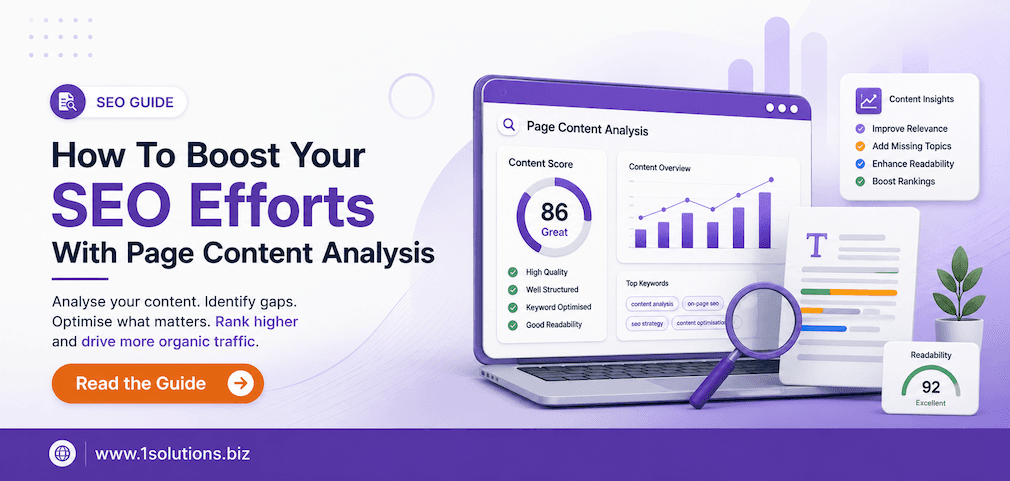
What works instead: Write content that fully covers a topic. Use related terms, answer likely follow-up questions, and make the content genuinely useful. If you want a practical framework for evaluating your existing pages, read this guide on how to boost your SEO efforts with page content analysis.
Myth 2: More Pages Means More Traffic
Some site owners churn out dozens of thin, repetitive pages hoping to capture every possible keyword variation. This strategy backfires. Google’s Helpful Content system, rolled out in 2022 and refined continuously since, specifically targets sites that produce large volumes of low-quality content designed to rank rather than to help users.
A 2023 study by Semrush found that long-form content of 3,000 words or more gets three times more traffic and four times more shares than content under 1,000 words. The point is not length for its own sake, it is depth and genuine value.
What works instead: Audit your existing content. Consolidate thin pages, improve underperforming posts, and focus on creating fewer but more comprehensive resources. If you are unsure why certain pages are not getting indexed at all, this breakdown of why Google is not indexing your page is a good starting point.
💡 Pro Tip: Before publishing a new page, ask yourself: does this page answer a specific question better than any existing page on your site? If not, improve an existing page instead of creating a new one.
Myth 3: Backlinks Are Dead
Every few years, someone declares that backlinks no longer matter. This is not true. Links remain one of Google’s core ranking signals. What has changed is how quality is evaluated. A handful of authoritative, relevant links from trusted sources is worth far more than hundreds of spammy directory links.
According to Ahrefs (2023), 96.55% of all pages on the internet get zero organic search traffic, and a lack of backlinks is one of the primary causes. The link is not dead. Low-quality link building is what gets sites penalized.
If your link profile has been hurt by past practices, professional Google penalty recovery can help you identify and clean up toxic links while rebuilding with a sustainable strategy. For those building links from scratch, the guide on how to build links safely without triggering penalties is worth bookmarking.
Myth 4: SEO Is a One-Time Setup
This is one of the most expensive myths a business owner can believe. SEO is not like painting a fence. You do not do it once and walk away. Google releases hundreds of algorithm updates per year. Competitors are constantly publishing new content and earning new links. Search behavior shifts as new technologies like AI search emerge.
A site that ranked well in 2023 on the strength of good on-page optimization alone may have slipped significantly by 2025 if it was not maintained. Technical issues accumulate: broken links, crawl errors, slow Core Web Vitals, outdated schema markup.
What works instead: Treat SEO as an ongoing program, not a project. Monthly audits, content refreshes, and link monitoring are standard practice. If you are just starting out or want to see results before committing to a long-term contract, consider a free 45-day SEO trial to evaluate what consistent effort actually produces.
Myth 5: Social Signals Directly Boost Rankings
The belief that getting lots of likes, shares, and followers will directly improve your Google rankings is misleading. Google has stated multiple times that social signals, such as Facebook likes or Twitter shares, are not direct ranking factors. The reasoning is straightforward: social signals are too easy to manipulate.
That said, social media absolutely influences SEO indirectly. Content that spreads on social platforms gets seen by more people, earns more natural backlinks, and drives brand searches, all of which do influence rankings.
What works instead: Use social media to amplify great content and build brand awareness. If you need structured guidance on doing that effectively, this step-by-step guide to advertising on Facebook shows how paid and organic social can work together to grow your audience.
💡 Pro Tip: Track branded search volume alongside your social activity. If your social campaigns are generating genuine interest, you should see an uptick in people searching directly for your brand name, which is a positive signal Google does register.
Myth 6: PPC Ads Improve Organic Rankings
This is a persistent and understandable myth because it seems logical: if you spend money with Google, surely they reward you in organic results. They do not. Google keeps its paid and organic systems entirely separate for obvious commercial and ethical reasons.
Running Google Ads will not boost your position in the natural search results. What it will do is give you valuable data about which keywords convert, how users behave on your landing pages, and which ad copy resonates with your audience. That data can then inform your organic SEO strategy.
What works instead: Use paid search data as intelligence for your SEO. High-converting keywords from PPC campaigns are strong candidates for organic content investment. This is where a joined-up digital marketing strategy pays off, where SEO and PPC teams share data and align on goals.
Myth 7: Duplicate Content Always Gets You Penalized
The duplicate content penalty is widely misunderstood. Google does not issue a manual penalty simply because similar content exists in multiple places on the internet. What Google does is try to determine which version of a piece of content to show in search results, and if your site has duplicate pages competing with each other, it may struggle to index the right one.
Common causes of duplicate content, like product pages with URL parameters, HTTP vs HTTPS versions, or www vs non-www versions of a site, are technical issues that affect crawl efficiency more than they trigger penalties.
What works instead: Use canonical tags to signal the preferred version of a page. Ensure your site redirects properly from all non-canonical URL variants. If your site has been hit by a broader algorithmic action related to content quality, the Google Panda recovery process addresses content quality issues systematically.
Myth 8: Local SEO Is Only for Brick-and-Mortar Businesses
Some service-area businesses, consultants, and online-first brands dismiss local SEO because they do not have a physical storefront. This is a missed opportunity. If you serve customers in a specific area or if people in a location are likely to search for what you offer, local SEO applies to you.
According to Google (2022), 46% of all searches have local intent. That is nearly half of all Google queries showing some geographic relevance. Even businesses without a physical address can optimize for local search through service-area settings in Google Business Profile, locally relevant content, and structured data.
For small businesses especially, local search is often the fastest path to qualified traffic. Understanding how to avoid common pitfalls is important: this guide on Google My Business mistakes that hurt local visibility covers the most damaging errors in detail. You can also explore structured local SEO packages designed specifically for businesses targeting geographic audiences.
Myth 9: AI and New Search Formats Have Made Traditional SEO Obsolete
With Google’s AI Overviews, AI Mode, and large language model search gaining traction, there is a growing narrative that traditional SEO, keywords, backlinks, technical optimization, is obsolete. This is an overstatement.
What is accurate is that search is evolving rapidly. According to BrightEdge (2024), AI-generated answers in search results are now influencing click-through rates on traditional blue-link results. But the foundation of what makes content trustworthy, authoritative, and rankable has not changed. Structured data, strong E-E-A-T signals, fast page speed, and genuinely helpful content all remain critical.
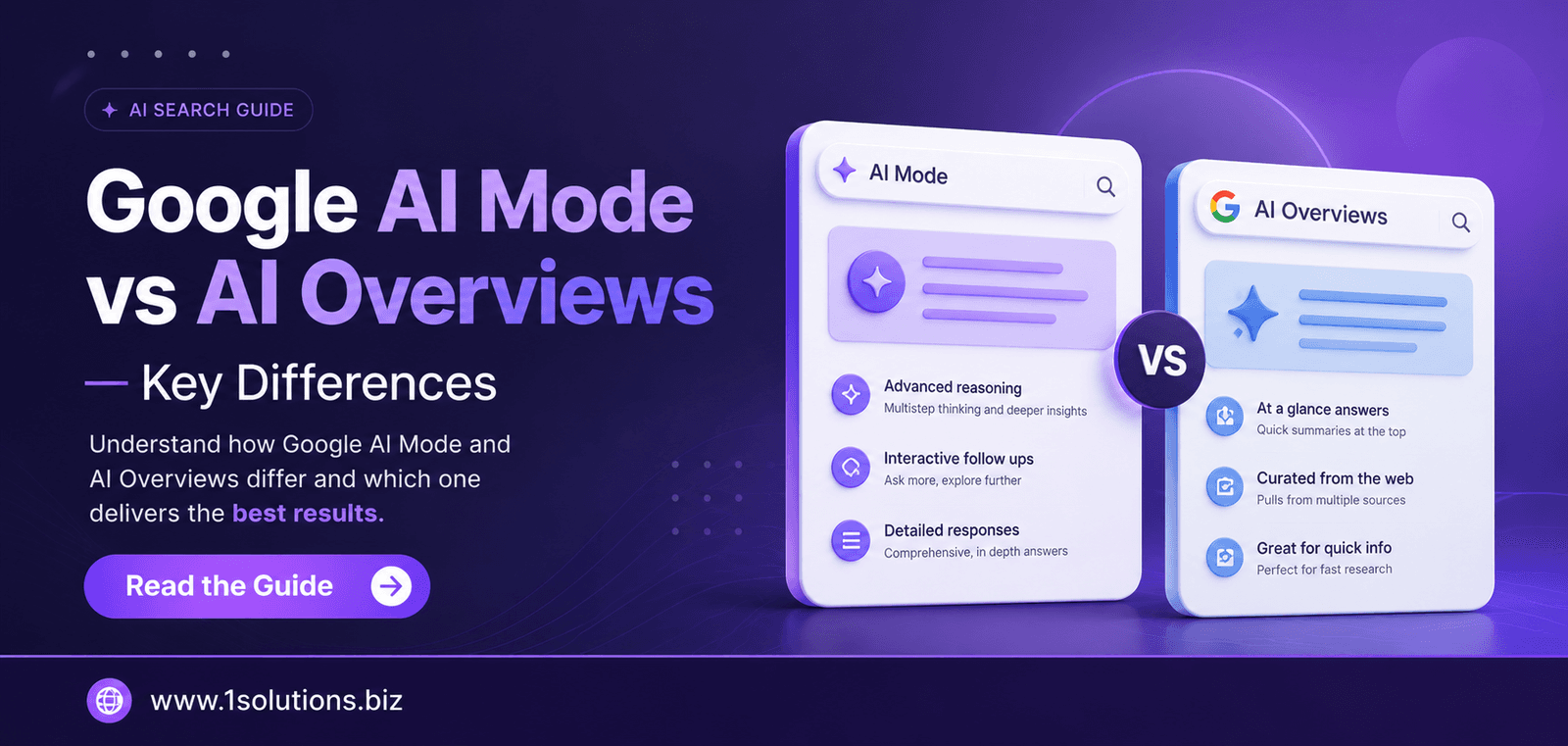
Understanding how new search formats work helps you adapt without abandoning proven fundamentals. The comparison of Google AI Overviews vs AI Mode is a useful read for understanding how these systems differ and what they mean for your visibility. For those thinking beyond traditional SEO, the guide to LLM optimization and ranking in AI search covers emerging best practices.
💡 Warning: Do not pivot your entire SEO strategy toward AI search optimization at the expense of technical fundamentals. Core Web Vitals, crawlability, and content quality still determine whether your pages get indexed and ranked, regardless of which search interface a user sees them through.
Myth 10: Meta Keywords Still Matter
Google officially stopped using the meta keywords tag as a ranking signal back in 2009. Yet to this day, some tools and guides still recommend adding them. This is harmless in terms of penalties, but it is wasted effort that gives a false sense of optimization completion.
The meta tags that do matter are your meta title and meta description. These influence click-through rates from search results, which in turn send behavioral signals to Google. A poorly written meta description will not hurt your rankings directly, but it will reduce clicks, which does affect performance over time.
What works instead: Invest time in writing compelling, accurate meta titles and descriptions for every important page. Treat them as micro-copywriting exercises, because they are the first thing a user sees before deciding whether to click.
SEO Myths vs. SEO Reality: A Quick Comparison
| The Myth | The Reality | What to Do Instead |
|---|---|---|
| Keyword density drives rankings | Context and topical depth matter more | Write semantically rich, comprehensive content |
| More pages means more traffic | Thin content dilutes site quality | Consolidate and improve existing content |
| Backlinks are dead | Quality links remain a top ranking factor | Earn relevant, authoritative backlinks |
| SEO is a one-time task | Ongoing maintenance is required | Schedule monthly audits and content updates |
| Social shares boost rankings directly | Social is an indirect signal only | Use social to amplify content and earn links |
| PPC improves organic rankings | Paid and organic are entirely separate | Use PPC data to inform SEO keyword targeting |
| Duplicate content always = penalty | It is a crawl efficiency and indexing issue | Use canonical tags and proper redirects |
| Local SEO is only for storefronts | Any geographically relevant business benefits | Optimize Google Business Profile and local content |
| AI search has made SEO obsolete | Fundamentals still underpin AI ranking | Maintain technical health while adapting to AI |
| Meta keywords still matter | Google ignored them since 2009 | Focus on compelling meta titles and descriptions |
Practical Action Plan: Fixing Your SEO After Falling for These Myths
Now that you know what to stop believing, here is a prioritized action plan to reset your strategy.
- Do This Now: Run a technical audit of your site. Check for crawl errors, broken links, slow pages, and missing canonical tags. These issues directly limit how well Google can index and rank your content. Tools like Screaming Frog or Google Search Console are your starting points.
- Do This Now: Review your top 10 pages and assess whether they fully answer the search intent behind their target keywords. If they do not, update and expand them rather than creating new competing pages.
- Worth Doing: Audit your backlink profile. Identify any spammy or irrelevant links pointing to your site and use Google’s Disavow tool if necessary. Then begin a structured outreach campaign to earn relevant links. The guide on building backlinks in competitive and low-competition niches gives a practical framework for both scenarios.
- Worth Doing: Set up a recurring content review calendar. Every quarter, identify your lowest-performing pages by organic traffic and engagement, then decide whether to improve, consolidate, or remove them.
- Low Priority: Remove meta keywords tags from your pages. This will not improve rankings, but it cleans up your code and removes any illusion that these tags are doing work for you.
- Low Priority: Explore how AI search formats are evolving and what they mean for your specific industry. This is forward-looking work that matters, but only after your foundational SEO is solid. The guide on improving website visibility in AI search engines is a good resource when you are ready to go deeper.
Building an SEO Strategy That Actually Works
Avoiding myths is step one. Building a durable, effective SEO strategy requires understanding what Google is actually rewarding: expertise, authority, trustworthiness, technical accessibility, and content that genuinely serves user intent. These principles have remained consistent even as the specific mechanics of ranking have evolved.
If you are a small business owner working with a limited budget, focusing on SEO for small businesses that prioritizes local visibility, content quality, and a clean technical foundation will deliver better returns than chasing tactics based on myths. For businesses with more complex needs, a full-service professional SEO strategy built around your specific goals and competitive landscape is the most efficient path forward.
The SEO landscape in 2026 rewards clarity, consistency, and genuine helpfulness. None of the 10 SEO myths you should ignore have a place in that kind of strategy.
Frequently Asked Questions
Does changing your website platform affect your SEO rankings?
Yes, platform migrations can significantly affect rankings if not handled carefully. URL structures, redirect chains, page speed, and structured data all need to be preserved or improved during a migration. If you are considering a platform change, the comparison of WooCommerce vs Shopify covers the SEO implications of each option in detail.
How long does it take for SEO changes to show results?
Most SEO changes take between three and six months to show measurable impact in rankings, and longer to produce traffic gains at scale. Technical fixes like resolving crawl errors can show faster results, sometimes within weeks, while content and link-building efforts typically take longer to compound.
Is it true that longer content always ranks better?
Not always. Longer content tends to rank better when the topic genuinely requires depth, because comprehensive coverage signals topical authority. But length alone is not a ranking factor. A 500-word page that perfectly answers a simple query will outperform a bloated 3,000-word page that buries the answer. Match content length to the complexity of the user’s intent.
Can you recover from a Google penalty caused by bad link building?
Yes, recovery is possible but it requires a systematic approach. You need to identify the toxic links pointing to your site, attempt outreach to have them removed, and file a disavow request for those that cannot be removed. The Penguin recovery process is designed specifically for link-related penalties. Full recovery can take several months depending on the severity of the original issue.
Do I need to keep publishing new content to maintain my rankings?
For most sites, regularly updating existing content is more valuable than constantly publishing new pages. Search engines do value freshness for certain query types, particularly news and trending topics. But for evergreen content, a well-maintained, accurate, and comprehensive existing page will generally outrank a brand new page on the same topic. Focus on quality over publishing frequency.