
The landscape of website creation has shifted dramatically. Free AI website builders now let anyone go from a blank screen to a published site in under an hour, without writing a single line of code. But not every platform delivers on its promises, and the “free” label almost always comes with strings attached.
This guide walks you through the seven best options available in 2026, what they actually offer at no cost, where they fall short, and how to choose the right one based on your real goals.
Free AI website builders like Wix ADI, Hostinger Zyro, Framer, and others can generate a functional site in minutes using AI prompts. Most free plans include limited storage, platform branding, and no custom domain. They work well for prototypes, portfolios, and small projects, but serious businesses will eventually need to upgrade or pair their site with professional SEO and marketing support.
⚡ Key Takeaways
- All major free AI builders use prompt-based generation, meaning the quality of your input directly affects the quality of your output.
- Free plans almost universally restrict custom domains, remove ad-free browsing, and limit storage below 1GB.
- Wix ADI and Framer lead for design quality; Hostinger Zyro and SITE123 lead for simplicity.
- AI-generated sites still need manual SEO work, keyword targeting, and structured content to rank in search.
- Ecommerce features on free plans are severely restricted across all platforms reviewed here.
- Combining a free builder with a professional search engine optimisation strategy dramatically improves visibility outcomes.
- Upgrading to a paid plan is almost always necessary if you expect consistent traffic or want to monetise the site.
Why Free AI Website Builders Matter in 2026
According to Statista (2025), over 1.98 billion websites exist on the internet, yet only around 200 million are actively maintained. The barrier to entry has never been lower, and AI is the reason. Rather than spending weeks with a developer, business owners and creators can describe their vision in plain language and receive a fully structured site in minutes.
A 2024 report by HubSpot found that 61% of small business owners cite cost as the primary barrier to building a professional web presence. Free AI website builders directly address that friction. However, there is an important nuance: a free site is not automatically a visible site. Without intentional SEO work, even a beautifully generated site will sit invisible in search results.
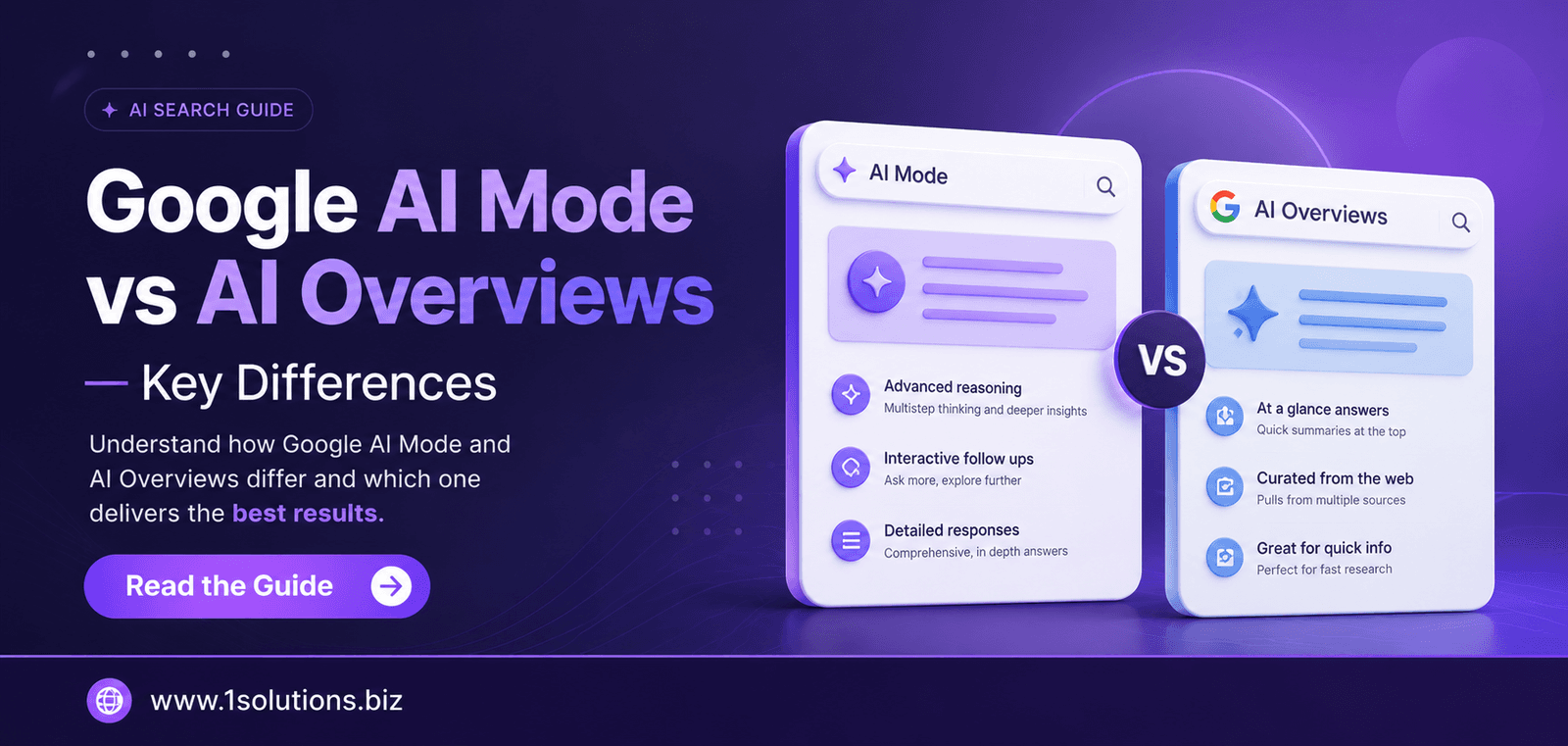
This is also why understanding how AI is reshaping search matters. If you are curious how AI-generated content and AI tools interact with modern search behaviour, the article on Google AI Mode vs AI Overviews provides useful context before you start publishing.
How to Evaluate a Free AI Website Builder: What to Look For
Before jumping to the list, here is a quick framework to apply when comparing any platform:
- AI generation quality: Does the builder produce relevant layouts and copy based on your prompt, or does it output generic filler text?
- Free plan limitations: Storage cap, subdomain vs custom domain, ads placed on your site, and export restrictions.
- SEO controls: Can you edit meta titles, descriptions, alt text, and URL slugs on the free plan?
- Ecommerce readiness: Is any form of product listing or checkout available for free?
- Scalability: How smooth and affordable is the path to a paid plan when your needs grow?
💡 Pro Tip: Always test the AI builder with your actual business description before committing. Copy that is generic or off-topic at the generation stage rarely improves without significant manual editing later.
The 7 Best Free AI Website Builders in 2026
1. Wix ADI (Artificial Design Intelligence)
Wix ADI remains one of the most mature free AI website builders available. After answering a short questionnaire about your business type, goals, and preferences, the AI assembles a complete multi-page site with relevant sections, imagery suggestions, and placeholder copy.
What the free plan includes: 500MB storage, Wix-branded subdomain (yourname.wixsite.com), access to the drag-and-drop editor post-generation, basic SEO settings, and the ability to publish immediately.
Trade-offs: Wix places its own ads on your free site. You cannot connect a custom domain without upgrading. The AI generation is a one-time starting point; subsequent edits are manual. Storage fills up quickly if you use high-resolution images.
Best for: Creatives, small local businesses, and anyone who wants the widest template and app ecosystem at the free tier.
2. Hostinger Zyro AI Builder
Hostinger’s Zyro platform integrates AI tools directly into the website builder, including an AI writer, AI heatmap, and AI logo creator. The AI writer generates section copy based on short prompts, while the heatmap predicts where visitors will focus their attention on the page.
What the free plan includes: A limited trial version with access to core AI tools. Note that Zyro’s fully featured AI builder requires a paid plan, though the trial lets you build and preview before committing.
Trade-offs: The free access is more of an extended preview than a permanently free plan. It is less generous than Wix at the zero-cost tier. However, Hostinger’s paid plans are among the most affordable in the market, making the upgrade barrier low.
Best for: Users who already plan to host with Hostinger and want a seamless all-in-one setup.
3. Framer
Framer has become the preferred AI website builder for designers and developers who want polished, animation-rich sites without writing code. Its AI feature generates a complete landing page from a text prompt, and the visual output is consistently impressive compared to other free options.
What the free plan includes: One published site on a Framer subdomain, basic analytics, CMS collections (up to 50 items), and full access to the visual editor.
Trade-offs: Framer’s free plan does not allow a custom domain. The platform has a steeper learning curve than Wix or SITE123 for non-designers. It is not well-suited for ecommerce at the free tier.
Best for: Designers, SaaS startups, and portfolio creators who prioritise visual quality over simplicity.
4. SITE123
SITE123 positions itself as the simplest AI-assisted website builder on the market. Its setup wizard walks users through the process step by step, with AI suggesting layouts and content blocks based on the site type selected.
What the free plan includes: 250MB storage, 250MB bandwidth per month, a SITE123 subdomain, and access to most design features.
Trade-offs: The bandwidth limit is extremely low and will cause your site to go offline temporarily if it receives even modest traffic. The AI-generated content is basic compared to Framer or Wix. Design flexibility is limited.
Best for: Absolute beginners building a first site with no technical background whatsoever.
5. Dorik AI
Dorik is a newer entrant that has gained traction for its AI page builder, which can generate a full website from a single paragraph of text input. It supports white-label builds, making it popular with agencies offering low-cost site packages to clients.
What the free plan includes: Unlimited pages, 1GB storage, Dorik subdomain, and access to the AI generation tool with limited monthly credits.
Trade-offs: AI generation credits are capped on the free plan, meaning you cannot regenerate sections indefinitely. Customer support on the free tier is limited to community forums.
Best for: Freelancers and small agencies building client sites on a tight budget.
6. Weebly (by Square)
Weebly’s free plan is one of the longest-standing in the website builder space. While Weebly itself is not a pure AI builder, Square has been integrating AI-assisted features into the platform, including AI-generated product descriptions and layout suggestions for ecommerce stores.
What the free plan includes: Unlimited pages, 500MB storage, a Weebly subdomain, basic SEO settings, and a functional free ecommerce store with no transaction fees from Weebly (though payment processor fees still apply).
Trade-offs: The AI features are far less sophisticated than competitors. The platform feels dated compared to Framer or Dorik. Design customisation is restrictive.
Best for: Anyone who wants a basic free ecommerce presence without paying a monthly platform fee.
7. Jimdo Dolphin
Jimdo Dolphin uses an AI interview process to build a personalised website in minutes. It asks about your business, style preferences, and contact information, then assembles a complete site automatically, including legal pages in some regions.
What the free plan includes: Jimdo subdomain, 500MB storage, 2GB monthly bandwidth, and the Dolphin AI setup process.
Trade-offs: Once the AI builds the site, editing is constrained to the blocks it generated. It does not offer the open-canvas editing that Wix or Framer provides. SEO features on the free plan are minimal.
Best for: Service-based small businesses that want a quick, presentable online presence with minimal ongoing maintenance.
Side-by-Side Comparison of Free Plans
| Builder | Free Storage | Custom Domain | AI Generation | Free Ecommerce | SEO Controls |
|---|---|---|---|---|---|
| Wix ADI | 500MB | No | Full site | No | Basic |
| Hostinger Zyro | Trial only | No | Full site + tools | No | Limited |
| Framer | Unlimited (1 site) | No | Full site | No | Moderate |
| SITE123 | 250MB | No | Layout suggestions | No | Basic |
| Dorik AI | 1GB | No | Full site (credit cap) | No | Moderate |
| Weebly | 500MB | No | AI descriptions only | Yes (basic) | Basic |
| Jimdo Dolphin | 500MB | No | Full site (interview) | No | Minimal |
The SEO Gap in AI-Generated Sites
This is the part most builder reviews skip over. Generating a site with AI is the easy part. Getting that site to rank in search is an entirely different challenge.
According to BrightEdge (2024), organic search drives 53% of all website traffic, meaning a site that ranks nowhere is effectively invisible to more than half its potential audience. AI builders generate structure and visual appeal, but they do not do your keyword research, build your backlinks, or ensure your content satisfies search intent.
Several specific issues arise with AI-generated sites and SEO:
- AI copy often lacks keyword focus and semantic depth.
- Meta titles and descriptions are generated generically and need manual refinement.
- Image alt text is frequently left empty or auto-filled with file names.
- Internal linking structure is minimal on single-session AI builds.
- Free subdomains (yoursite.wixsite.com) carry no domain authority of their own.
If you are building a site for a small business, the guide on local AEO best practices for small businesses is worth reading before you finalise your content. And if you want to understand the deeper technical side of why pages fail to appear in search, the breakdown on why Google might not be indexing your page covers the most common culprits.
💡 Pro Tip: After generating your site with any AI builder, audit every page’s meta title, meta description, and H1 tag manually. These three elements alone have an outsized impact on whether search engines understand what your page is about.
When a Free AI Builder Is Not Enough
Free AI website builders are genuine tools for genuine use cases. But there are clear signals that indicate it is time to move beyond a free plan or a self-built site entirely:
- You are running an ecommerce store with more than a handful of products. For a detailed comparison of platforms suited to that task, the WooCommerce vs Shopify guide outlines the trade-offs well.
- You need consistent organic traffic and cannot afford to start from zero domain authority.
- Your business depends on local search visibility and you need to appear in map results.
- You need custom functionality, integrations, or a unique design that templates cannot provide.
At that stage, working with an experienced WordPress website development team gives you full control over your platform, SEO configuration, and long-term scalability, none of which free AI builders can fully replicate.
Similarly, if you have already built a site but your traffic is flat, pairing your site with professional search engine optimisation services closes the gap between a site that exists and one that actually earns visitors.
How AI Website Builders Interact With Modern Search Behaviour
It is worth noting that the rise of AI search tools, including Google’s AI Mode, is changing how websites get discovered. AI-generated summaries and conversational search results are surfacing answers directly in the search interface, meaning sites that rank must do more than appear on page one. They need to be structured in ways that AI systems can parse, cite, and recommend.
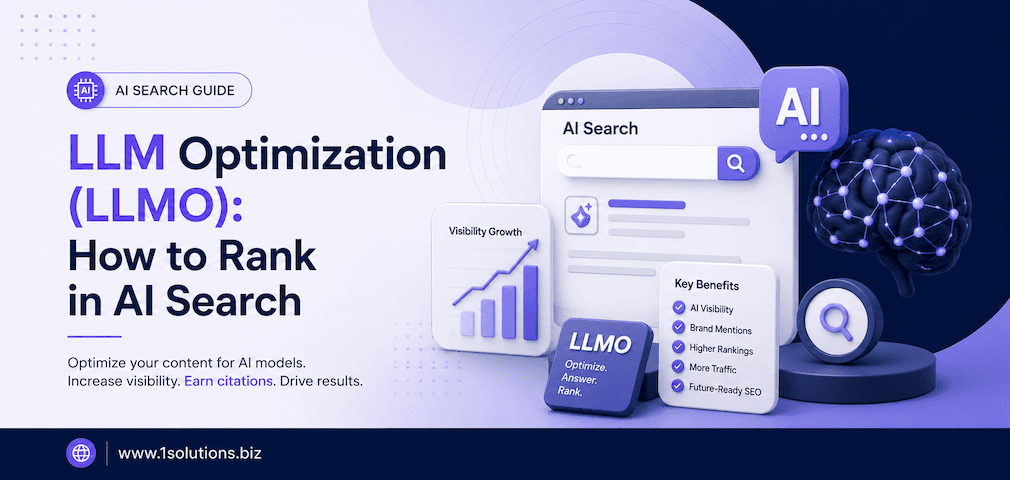
The article on improving website visibility in AI search engines covers this shift in detail. And for those thinking about long-term content strategy, understanding LLM optimisation and how to rank in AI search provides a practical framework that applies regardless of which builder you use.
💡 Warning: AI-generated websites that use thin, generic content are increasingly at risk under Google’s spam detection systems. The Google March 2026 Spam Update specifically targeted low-quality AI content. Always edit and personalise AI-generated copy before publishing.
Step-by-Step: How to Build a Site With a Free AI Builder
- Define your goal first. Write one sentence describing what the site needs to do: sell products, generate leads, showcase work, or provide information. This becomes your AI prompt.
- Choose the right builder for your use case. Use the comparison table above. Framer for design quality, Wix ADI for flexibility, SITE123 for simplicity.
- Run the AI generation with your prepared description. Be specific about your industry, tone, and target audience. Vague prompts produce vague results.
- Audit the generated content immediately. Replace placeholder text, update meta titles and descriptions, add real images, and verify that headings match your actual content.
- Set up basic SEO before publishing. Add your primary keyword to the page title, the first paragraph, and at least one H2. Fill in alt text for every image.
- Connect Google Search Console. Most free builders allow you to verify ownership and submit a sitemap. Do this on day one, not six months later.
- Plan your upgrade path. Decide at what point you will move to a custom domain. The sooner you establish domain authority on your own URL, the better your long-term SEO position.
Practical Action Plan: Your Next Steps
- Do This Now: Pick one platform from the list and run the AI generation with your real business description. You need actual output to evaluate, not just specs on a comparison page. Also, read up on AI SEO tools that can complement your new site from day one.
- Worth Doing: Manually audit every AI-generated page for SEO fundamentals before publishing. Use a free tool like Google Search Console to monitor indexing status from launch. Review how page content analysis boosts SEO to understand what to check.
- Low Priority: Explore app marketplaces and third-party integrations. These are worth knowing about but are largely locked behind paid plans anyway. Focus on getting your core site right before adding complexity.
Frequently Asked Questions About Free AI Website Builders
Are free AI website builders actually free forever?
Most platforms offer a permanently free tier, but with significant restrictions: branded subdomains, platform ads on your site, limited storage, and no ecommerce features. Wix, Weebly, SITE123, and Jimdo all maintain free plans indefinitely. Hostinger Zyro operates more as a free trial than a permanent free tier.
Can I rank on Google with a site built on a free AI builder?
Yes, technically. But it is harder for two reasons. First, free plans use subdomains (e.g., yoursite.wixsite.com), which carry no domain authority of their own. Second, AI-generated content is often generic and lacks the keyword depth that search engines reward. You can rank, but you need to invest significantly in editing the content and building links to the site.
Which free AI website builder is best for a portfolio?
Framer is the strongest choice for portfolio sites. Its AI generates visually polished layouts, supports custom animations, and the free plan allows one published site with a clean subdomain. Designers and developers consistently rate it above competitors for aesthetic output.
Do these builders support ecommerce on the free plan?
Weebly is the only platform in this list that offers a functional free ecommerce store. However, the features are basic: no abandoned cart recovery, limited product listings, and no advanced analytics. For a serious ecommerce operation, you will need a paid plan on any platform, or you might want to explore what a purpose-built solution offers. The WooCommerce vs Shopify comparison is a useful starting point.
How do AI website builders compare to hiring a developer?
For simple, informational sites or portfolios, free AI builders are a cost-effective starting point. For anything requiring custom functionality, deep SEO architecture, or unique branding, a professional developer or agency will deliver significantly better results. The hidden cost of a free builder is often the hours spent working around its limitations. According to Clutch (2024), 46% of small businesses that used DIY website tools later hired a professional to rebuild or optimise their site.
Conclusion
Free AI website builders have matured into genuinely useful tools in 2026. Whether you choose Wix ADI for its ecosystem, Framer for its design quality, or SITE123 for its simplicity, each platform can get you online without spending a cent. But the honest truth is that the site you generate is a starting point, not a finished product.
The gap between a site that exists and a site that performs comes down to SEO, content quality, and strategic thinking. Free AI website builders close the technical gap. Filling the strategic gap requires either dedicated learning or professional support. If you are serious about growth, pairing any of these platforms with expert search engine optimisation services or a full digital marketing strategy is what moves the needle from visible to competitive.
Start with the free builder that fits your immediate need. Then build from there with intention.