
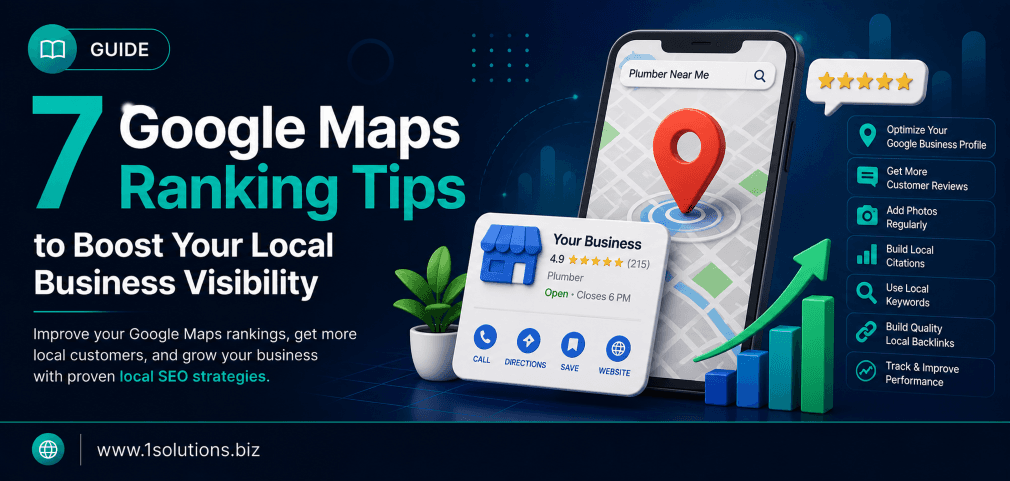
7 Google Maps Ranking Tips to Boost Your Local Business Visibility
If your business is not showing up in Google Maps results, you are handing customers directly to your competitors. Applying the right Google Maps ranking tips can be the difference between a full appointment book and a quiet phone. Local search has become the primary discovery channel for businesses of all sizes, and Google Maps sits at the center of that ecosystem. Understanding what drives rankings in the Map Pack is no longer optional. It is a core part of running a visible, competitive local business.
Ranking higher on Google Maps requires a combination of a fully optimized Google Business Profile, consistent NAP data, strong reviews, local citations, and a website that supports your local signals. This article breaks down 7 actionable Google Maps ranking tips with practical steps you can start using immediately to improve your local search visibility.
⚡ Key Takeaways
- Complete and accurate Google Business Profiles consistently outrank incomplete listings in the local 3-pack.
- Review quantity, recency, and your response rate all influence your Maps ranking directly.
- NAP consistency across directories is a foundational local SEO signal that many businesses overlook.
- On-page local SEO on your website reinforces your Maps ranking, not just your organic ranking.
- Google Business Profile posts and Q&A sections are underused features that send strong engagement signals.
- Proximity, relevance, and prominence are the three pillars Google uses to rank local listings.
- Local link building and citations from authoritative sources amplify your prominence score significantly.
Why Google Maps Rankings Matter More Than Ever
According to Google, searches with local intent have grown significantly year over year, with “near me” searches increasing by more than 500% over the past several years (Google, 2022). A separate study by BrightLocal found that 98% of consumers used the internet to find information about local businesses in 2022, up from 90% in 2019 (BrightLocal, 2022). These numbers make one thing clear: if your Google Maps listing is buried, your business is effectively invisible to a massive portion of your potential customer base.
Google ranks local listings based on three core factors: relevance (how well your listing matches the search query), distance (how close your business is to the searcher), and prominence (how well-known and authoritative your business appears online). You cannot control distance, but you can heavily influence relevance and prominence. The seven tips below target exactly those two factors.
If you want to understand how evolving search behaviors are reshaping local discovery, our post on Local AEO best practices for small businesses provides a useful companion read to this guide.
7 Google Maps Ranking Tips That Actually Work
1. Claim, Verify, and Fully Complete Your Google Business Profile
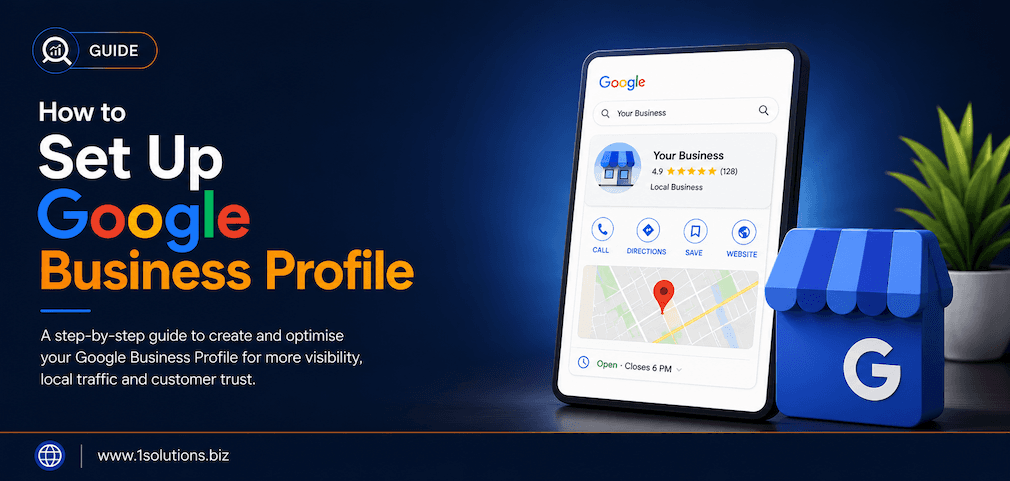
This is the single highest-impact action you can take. A Google Business Profile (GBP) that is incomplete or unverified will almost never appear in competitive local searches. Google uses the information in your profile to determine relevance, and every blank field is a missed opportunity to match a customer’s query.
Start by claiming your listing at business.google.com and completing the verification process. Verification typically happens via postcard, phone, or email depending on your business type. Once verified, fill out every available field: business name, address, phone number, website, hours of operation, business category, service areas, and attributes such as “wheelchair accessible” or “free Wi-Fi.” These attributes matter more than most people realize because they surface your listing in filtered searches.
Your primary business category is particularly critical. It carries more weight than any other category field. Choose the most specific and accurate category available, not just the broadest one. If you run a dental practice, “Dentist” is stronger than “Healthcare.” You can add secondary categories too, but do not add categories that do not apply to your actual services.
According to Google’s own data, businesses with complete profiles are 70% more likely to attract location visits and 50% more likely to lead to a purchase (Google, 2020). That is a compelling case for spending an hour getting every field right. Also make sure your business description includes your primary keywords naturally, describes your services clearly, and avoids keyword stuffing, which can trigger spam filters in the GBP system.
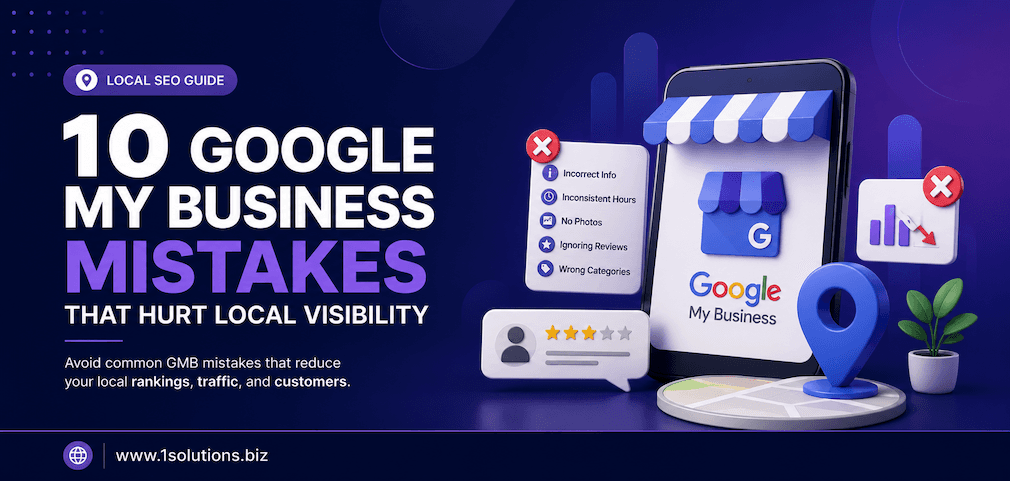
One common mistake that undermines this effort is listed in our post on 10 Google My Business mistakes that hurt local visibility. Reviewing that list alongside this tip will help you avoid undoing your own work.
💡 Pro Tip: Add your products or services directly inside your Google Business Profile. This gives Google more context about what you offer and can help your listing appear for more specific, high-intent searches.
2. Build NAP Consistency Across All Online Directories
NAP stands for Name, Address, and Phone Number. Google cross-references your business information across the web to verify that your listing is legitimate and trustworthy. When your NAP details are inconsistent across directories, such as a slightly different address format on Yelp versus your website, Google’s confidence in your listing decreases and your ranking suffers.
Audit your current citations using a tool like Moz Local, BrightLocal, or Whitespark. Look for any variations in how your business name, address, or phone number appears. Common issues include abbreviated street names in some places but not others (e.g., “St.” vs. “Street”), outdated phone numbers from a previous location, or slight misspellings of your business name.
Once you identify the inconsistencies, correct them methodically. Prioritize high-authority directories first: Google Business Profile, Bing Places, Apple Maps, Yelp, Facebook, and any industry-specific directories relevant to your niche. After those, move on to secondary directories. This process takes time but the payoff in local ranking stability is significant.
NAP consistency also feeds into your overall prominence score. The more authoritative, consistent citations you have, the stronger your local authority appears to Google. Think of each consistent citation as a vote of confidence in your business’s legitimacy. If you are actively building citations as part of a broader local strategy, our local SEO packages include structured citation building and cleanup as a core deliverable.
3. Generate and Manage Reviews Strategically
Reviews are one of the most powerful ranking signals in the Google Maps algorithm, and they also directly influence whether a searcher clicks on your listing. BrightLocal’s 2023 Local Consumer Review Survey found that 49% of consumers trust online reviews as much as personal recommendations (BrightLocal, 2023). That is a staggering number that underscores why review management cannot be treated as an afterthought.
Google evaluates several aspects of your reviews: total volume, average star rating, recency, and the frequency with which you respond to reviews. Businesses that consistently respond to reviews, both positive and negative, signal active engagement to Google. A business with 200 reviews that stopped getting new ones six months ago is at a disadvantage compared to a competitor with 80 reviews that gets three new ones every week.
Build a review acquisition process into your operations. After completing a service, send a follow-up email or text with a direct link to your Google review page. Make it as frictionless as possible. Avoid incentivizing reviews with discounts or gifts as this violates Google’s policies and can result in penalties. Instead, simply ask at the right moment, such as right after a positive interaction when the customer’s satisfaction is fresh.
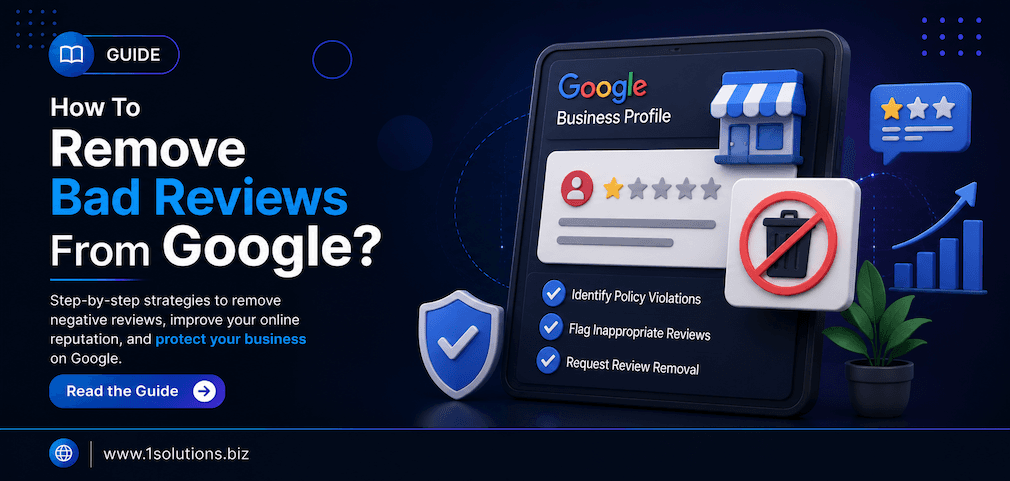
When responding to negative reviews, stay professional and avoid being defensive. Acknowledge the issue, offer to resolve it offline, and demonstrate accountability. How you handle criticism publicly says a great deal about your business to prospective customers reading those exchanges. If reputation management feels overwhelming, our online reputation management services can help you build a system for consistent, policy-compliant review growth.
💡 Pro Tip: Include keywords naturally in your responses to reviews. For example, “Thank you for visiting our plumbing service in [your city]” can reinforce local relevance without appearing forced.
4. Optimize Your Website for Local SEO Signals
Your Google Business Profile does not operate in isolation. Google considers your website as supporting evidence for your local relevance and authority. A website that is poorly optimized for local SEO can hold back an otherwise strong GBP listing.
At minimum, your website should have a dedicated contact page with your full NAP details matching your GBP exactly. Include your city and service area in your page titles, meta descriptions, and H1 tags where it makes contextual sense. Create dedicated service pages for each major service you offer, and if you serve multiple neighborhoods or cities, consider building location-specific landing pages that address the unique needs of each area.
Structured data markup (schema.org/LocalBusiness) is another often-overlooked on-page element. Adding LocalBusiness schema to your website gives Google a machine-readable confirmation of your business details, which strengthens the connection between your website and your GBP listing. Most content management systems support schema either natively or through plugins.
Page speed and mobile optimization also play a role. The majority of local searches happen on mobile devices, so a slow or poorly formatted mobile experience will hurt both your organic and local rankings. Our post on how to boost your SEO efforts with page content analysis provides a practical framework for identifying and fixing the content gaps that weaken your on-page local signals. If you need hands-on support optimizing your site, our professional SEO services cover both technical and on-page local optimization.
5. Post Regularly and Use Google Business Profile Features Actively
Many businesses claim their GBP listing and then leave it completely static. This is a missed opportunity. Google Business Profile includes several dynamic features that reward active usage with better visibility. Regular activity signals to Google that your business is open, operating, and engaged with customers.
GBP Posts are similar to social media updates and appear directly on your listing in search results. You can use them to promote offers, announce events, share updates, or highlight new products or services. Posts expire after seven days (except event posts), so a consistent posting schedule is necessary. Aim for at least one post per week. Include a relevant image, a clear call to action, and naturally incorporate your target keywords.
The Questions and Answers section is another underutilized feature. You can pre-populate it with common questions your customers ask, which serves dual purposes: it improves user experience and gives Google more keyword-rich content to associate with your listing. Monitor this section regularly because anyone can post a question, and unanswered questions reflect poorly on your engagement.
GBP also allows you to add photos and videos. Listings with photos receive 42% more requests for directions and 35% more clicks through to websites than listings without photos (Google, 2020). Upload high-quality images of your storefront, team, products, and work. Update them periodically so the listing looks current. Short videos of your work or premises can also add a layer of trust that static images cannot match.
6. Earn Local Links and Citations from Authoritative Sources
In traditional SEO, backlinks are a primary ranking signal. In local SEO, the equivalent is a combination of local citations and locally relevant backlinks. Both tell Google that your business is a legitimate, established presence in your area.
Local citations are mentions of your business name, address, and phone number on other websites, whether or not they include a hyperlink. Being listed in your local Chamber of Commerce directory, your city’s business association, or local news websites all count as citations. Each one reinforces your prominence in Google’s local algorithm.
Locally relevant backlinks go a step further. A link from a local newspaper, a community blog, a local event sponsor page, or a regional industry association carries significant weight. Sponsoring a local event, contributing a guest article to a local publication, or partnering with complementary businesses for cross-promotion can all generate these links organically.
Be careful about chasing low-quality directory links at scale. Hundreds of links from irrelevant, spammy directories can do more harm than good. If you have concerns about past link-building practices, our post on how to build links safely without triggering penalties is worth reading before you scale up any outreach. Also see our guide on 15 link building methods that continue to work for ideas that are both effective and sustainable for local businesses.
💡 Warning: Never purchase fake citations or pay for bulk directory submissions from low-quality services. Google’s spam detection for local listings has become increasingly sophisticated, and violations can result in your listing being suspended entirely.
7. Track Your Rankings and Iterate Based on Data
Implementing changes without tracking results is essentially guessing. Google Maps rankings are dynamic: they shift based on competitor activity, algorithm updates, your own profile changes, and seasonal search behavior. Without measurement, you cannot know what is working or where to focus your next round of effort.
Use a combination of tools to track your local performance. Google Business Profile Insights shows you how many people found your listing via direct search, discovery search, or branded search, as well as actions taken such as calls, direction requests, and website visits. This data alone can reveal whether your optimization efforts are generating real engagement or just impressions.
For rank tracking specifically, tools like BrightLocal’s Rank Tracker, Whitespark, or Local Falcon allow you to track your Map Pack position across different keywords and geographic locations. This is especially valuable for service-area businesses where your ranking may vary significantly by neighborhood or zip code.
Also pay attention to algorithm updates. Google regularly updates its local search algorithm, and some updates specifically target GBP spam or adjust how proximity and prominence are weighted. Staying informed about these changes allows you to adapt quickly rather than spend months wondering why your rankings shifted. Our post on the Google March 2026 Spam Update is a good example of the kind of update that directly affects local listings. Similarly, understanding changes in how AI is being integrated into search, as explained in our post on Google AI Mode vs AI Overviews, can help you anticipate how local results might change in the near future.
Set a monthly review cadence. Look at your GBP Insights, check your ranking positions, review your recent reviews and responses, and assess whether you published posts consistently that month. This habit of regular review and adjustment is what separates businesses that steadily climb the local rankings from those that remain stuck.
Comparing the 7 Google Maps Ranking Tips by Impact and Effort
| Ranking Tip | Ranking Impact | Implementation Effort | Time to See Results |
|---|---|---|---|
| Complete Your Google Business Profile | Very High | Low | 1 to 2 weeks |
| NAP Consistency Across Directories | High | Medium | 4 to 8 weeks |
| Generate and Manage Reviews | Very High | Medium | Ongoing |
| On-Page Local SEO for Your Website | High | Medium to High | 4 to 12 weeks |
| Active GBP Posts and Features | Medium | Low | 2 to 4 weeks |
| Local Links and Citations | High | High | 8 to 16 weeks |
| Track Rankings and Iterate | Long-term High | Low | Ongoing |
Practical Action Plan: Where to Start
- Do This Now: Claim and fully complete your Google Business Profile if you have not already. Verify it, fill in every field, add photos, and write a keyword-informed business description. This is the highest-leverage action and takes only a few hours. Also audit your NAP on your top five directory listings and correct any discrepancies immediately.
- Worth Doing: Build a review request process into your customer journey. Set up a template email or text that goes out after each completed service with a direct link to your Google review page. Simultaneously, begin an on-page local SEO audit of your website using the page content analysis framework and add LocalBusiness schema markup.
- Low Priority: Begin researching local link-building opportunities such as sponsorships, local events, and community organizations. This takes more time and relationship-building to execute well, but the cumulative impact on your prominence score is substantial over the long term. Set this up as a three to six month initiative rather than a one-week sprint.
Final Thoughts on Google Maps Ranking Tips
Improving your position on Google Maps is not a single-action fix. It is a compounding system where each of these Google Maps ranking tips reinforces the others. A complete GBP profile backed by consistent citations, supported by a well-optimized website, amplified by strong reviews, and sustained through regular engagement is an exceptionally difficult combination for competitors to displace.
The trade-off to be honest about is time. Most of these optimizations take weeks or months to fully register in rankings. The businesses that win local search are the ones that treat it as a long-term infrastructure investment rather than a quick fix. If you want support with the technical and strategic side of local visibility, explore our SEO solutions for small businesses designed specifically for businesses competing in local markets.
For businesses that want to test the impact of professional SEO before committing long-term, our free 45-day SEO trial is a practical starting point with zero financial risk.
Frequently Asked Questions
How long does it take to rank higher on Google Maps?
Results vary depending on your current profile completeness, competition in your area, and how aggressively you implement these tips. Most businesses see measurable improvement within four to eight weeks of completing their profile and fixing NAP issues. More competitive markets may require three to six months of consistent effort across all seven areas covered in this guide.
Does my website affect my Google Maps ranking?
Yes, directly. Google uses your website as corroborating evidence for the information in your Google Business Profile. A website with consistent NAP data, local schema markup, and relevant local content strengthens your Maps ranking. Conversely, a poorly optimized or slow website can suppress your local visibility even if your GBP is well-maintained.
How many reviews do I need to rank in the Google Maps 3-pack?
There is no fixed number. What matters more is the combination of volume, recency, rating, and your response rate. In a low-competition local market, ten to twenty strong reviews may be sufficient. In a competitive niche, you may need hundreds. Focus on building a steady stream of authentic reviews rather than trying to hit a specific number quickly.
Can I rank on Google Maps without a physical address?
Yes. Service-area businesses that operate without a storefront can still rank on Google Maps. In your GBP settings, you can hide your address and specify the service areas you cover. These listings do tend to rank slightly less strongly than those with a verified physical address, but consistent NAP data, strong reviews, and an optimized website can offset much of that gap.
What is the biggest mistake businesses make with Google Maps optimization?
The most damaging mistake is inconsistency: creating a GBP listing, filling it in partially, and then never updating it. This includes letting your photos become outdated, failing to respond to reviews, not correcting NAP discrepancies, and ignoring GBP Posts. Google rewards active, well-maintained listings. A listing that looks neglected signals low relevance and engagement, both of which hurt your ranking directly.