
The rules of search are changing faster than most marketers expected. If you want to rank in ChatGPT search results, you need to understand that ChatGPT does not work like Google. It does not simply match keywords to pages. It synthesizes information from trusted sources, draws on indexed web content via its browsing capability, and surfaces brands that demonstrate clear authority and credibility. This guide breaks down exactly how to position your content so ChatGPT references and recommends your brand.
Ranking in ChatGPT search results requires building topical authority, earning citations from high-trust sources, structuring content for AI comprehension, and maintaining a strong brand presence across the web. It is less about keyword stuffing and more about becoming a genuinely citable, trustworthy source. The steps in this guide give you a practical roadmap to get there.
⚡ Key Takeaways
- ChatGPT pulls from indexed web content and prioritizes sources with strong topical authority and third-party citations.
- Structured, factual, and well-organized content is far more likely to be referenced by AI models than thin or promotional copy.
- Building brand mentions and backlinks from authoritative domains directly improves your chances of being cited.
- Schema markup and clear information architecture help AI systems parse and understand your content accurately.
- Your brand’s reputation across review platforms, forums, and social media influences how AI models perceive your authority.
- Consistent publishing on a focused topic signals depth of expertise that AI systems reward.
- Optimizing for ChatGPT and optimizing for traditional SEO share a large common foundation, so improvements compound over time.
Why ChatGPT Search Is a Different Beast
ChatGPT’s search capability, powered by real-time web browsing and its underlying language model, does not return a ranked list of ten blue links. Instead, it synthesizes an answer and cites a handful of sources it deems most authoritative and relevant. According to data from Similarweb (2024), ChatGPT surpassed 100 million weekly active users, making it one of the fastest-growing information retrieval tools ever built. That scale means a citation from ChatGPT can drive meaningful referral traffic and brand awareness.
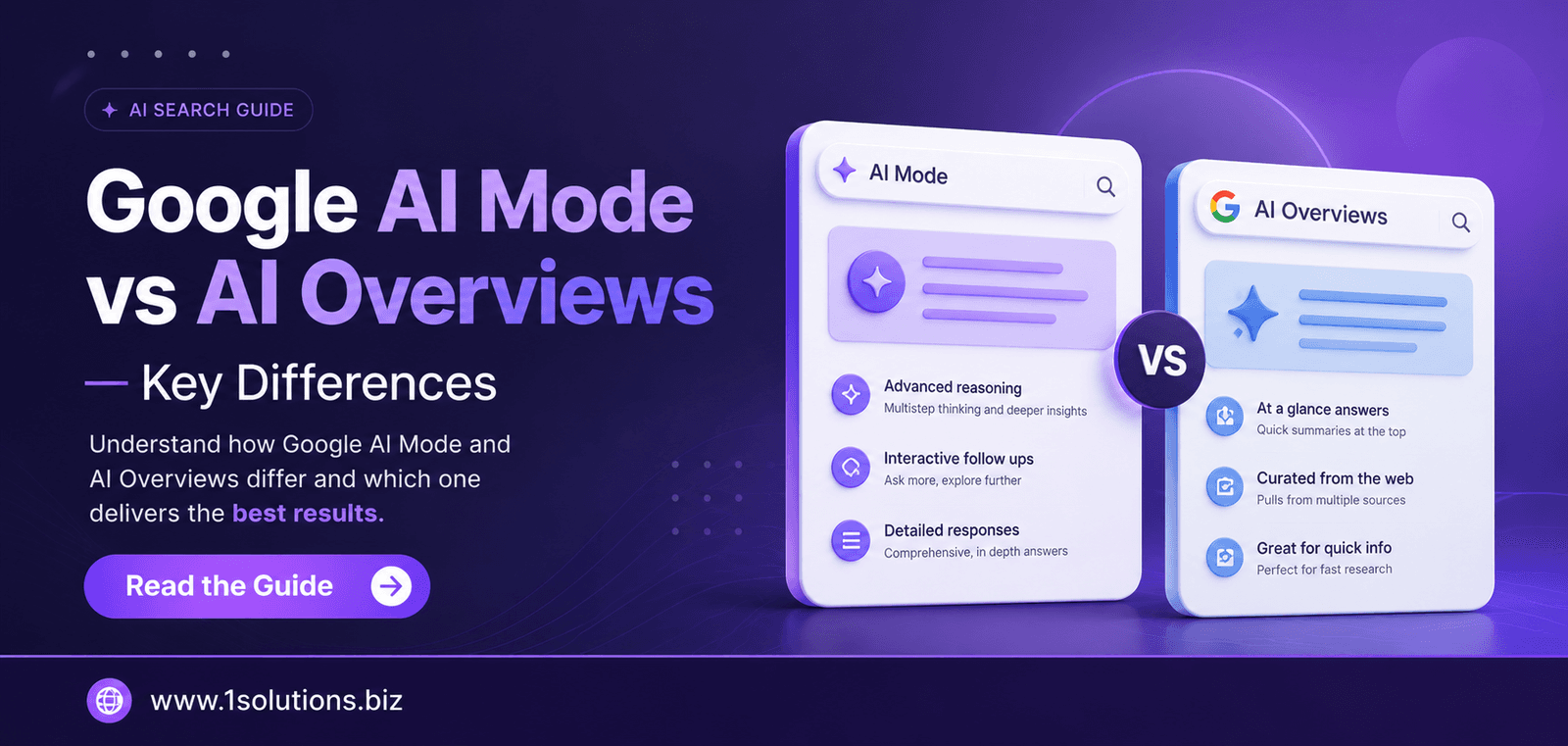
Traditional SEO focuses heavily on crawlability, keyword density, and backlink quantity. AI search layers in an additional dimension: the model’s learned sense of which sources are genuinely trustworthy. Understanding that distinction is the first step toward visibility. For a deeper look at how AI search differs from standard search features, our article on Google AI Mode vs AI Overviews provides helpful context on how these systems diverge in practice.
Step 1: Build Deep Topical Authority on Your Core Subject
ChatGPT’s model is trained to recognize sources that cover a subject comprehensively rather than superficially. If your website publishes one or two articles on a topic, it is unlikely to register as an authority. If you publish thirty well-researched, interlinked pieces that cover every meaningful angle of a subject, the model and its retrieval layer begin to associate your domain with that topic.
A study by Semrush (2023) found that websites with deep topical clusters ranked significantly higher across AI-generated answer features than those relying on isolated high-volume keyword pages. The lesson: build a content ecosystem, not isolated articles.
Practical steps to establish topical authority:
- Identify the five to ten subtopics within your niche that users ask about most frequently.
- Create a pillar page for each subtopic and support it with multiple detailed supporting articles.
- Use internal linking to connect related content, reinforcing thematic depth for both users and AI systems. Our guide on how to use internal links to boost backlink impact is a useful companion resource here.
- Update existing content regularly so AI systems retrieve fresh, accurate information.
💡 Pro Tip: When mapping your content clusters, ask yourself what a thorough encyclopedia entry on your niche would cover. If your website cannot answer all of those sub-questions, you have gaps that a competitor or Wikipedia will fill instead.
Step 2: Optimize Content Structure for AI Comprehension
AI language models parse and retrieve information more reliably when content is logically structured. Walls of dense paragraph text are harder for both users and AI systems to extract value from. Structured content with clear headings, bullet points, numbered steps, tables, and concise definitions is far more likely to be cited accurately.
Key structural optimizations to apply:
- Use descriptive H2 and H3 headings that clearly state what each section covers. Avoid clever but vague headings.
- Answer the question early in each section, then provide supporting detail. AI systems often extract the first direct answer to a query.
- Use definition blocks and FAQs since these formats align with how ChatGPT retrieves and summarizes information.
- Keep paragraphs short, ideally two to four sentences, so the model can isolate specific facts cleanly.
- Add schema markup including FAQ schema, HowTo schema, and Article schema to help AI systems understand your content’s type and intent.
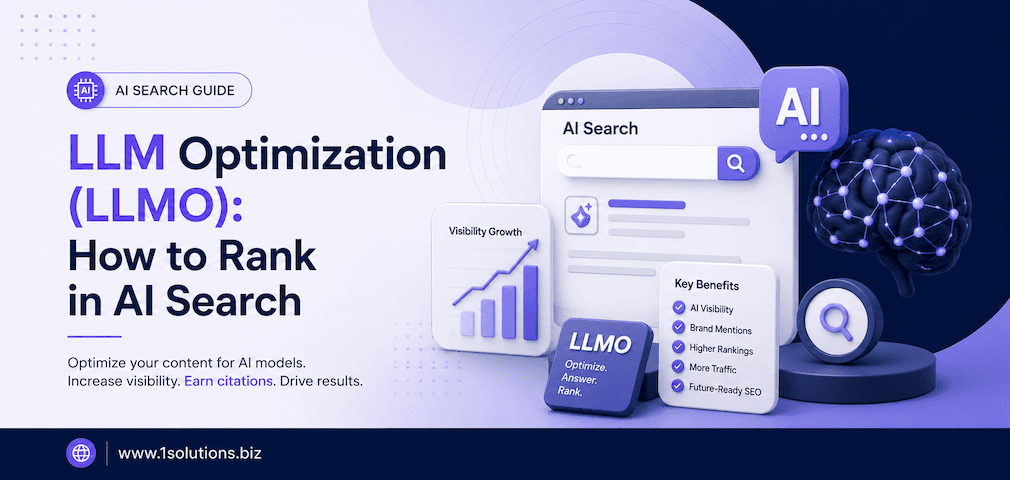
This approach overlaps significantly with what we cover in our piece on LLM Optimization (LLMO): How to Rank in AI Search, which goes deeper into the technical side of preparing content for large language model retrieval.
Step 3: Earn High-Authority Citations and Backlinks
One of the strongest signals that influences whether ChatGPT references your brand is the volume and quality of external sites that mention and link to you. When authoritative domains, industry publications, news outlets, and recognized directories consistently reference your brand, the AI model’s retrieval layer interprets that as a strong signal of credibility.
According to Ahrefs (2024), pages in the top position of AI-generated answers had on average 3.8 times more referring domains than pages that were not cited. Backlinks remain foundational even in the AI search era.
To build the kind of link profile that supports AI visibility:
- Pursue guest posts on genuinely authoritative sites within your industry rather than generic link farms. Our article on how to secure high-quality guest post placements walks through this process in detail.
- Create original research, surveys, or data reports that journalists and bloggers are motivated to cite.
- Earn mentions in industry roundups, tool comparisons, and expert commentary pieces.
- List your brand in reputable directories and data aggregators relevant to your niche.
If your current link building approach has not delivered results, it may be worth reviewing the fundamentals. Our guide on how to fix a failed link building strategy addresses common mistakes and how to correct them.
💡 Pro Tip: Brand mentions without a hyperlink, sometimes called unlinked mentions, still carry weight in AI model training and retrieval signals. Use tools like Google Alerts or Mention to track these and reach out to convert them into linked citations where possible.
Step 4: Strengthen Your Brand’s Digital Footprint
ChatGPT does not only pull from your website. It synthesizes information from across the web, including review platforms, social media, forums, Wikipedia, podcasts, and news articles. A brand that appears consistently and positively across multiple channels is far more likely to be recommended.
This is closely related to the concept of Answer Engine Optimization (AEO), which focuses on making your brand the answer rather than just a result. Our article on Local AEO best practices for small businesses covers the foundational principles of this approach.
Steps to expand your digital footprint effectively:
- Create and fully optimize profiles on LinkedIn, YouTube, and relevant industry platforms.
- Encourage satisfied customers to leave detailed reviews on Google, Trustpilot, and niche-specific review sites.
- Participate in forums, Reddit threads, and Quora discussions where your target audience asks questions.
- Publish thought leadership content such as opinion pieces, podcast appearances, and webinar recordings.
- Ensure your brand name, description, and core messaging are consistent across every platform.
For businesses that need structured help with how their brand is perceived online, a professional online reputation management service can ensure your brand signals are positive, consistent, and credible across the channels that AI models draw from.
Step 5: Publish Original, Factual, and Citable Content
ChatGPT’s retrieval system favors content that contains verifiable facts, specific data points, and original insights. Generic content that restates common knowledge without adding unique value is far less likely to be cited. Think of your content as trying to earn a reference in an academic or journalistic context: it needs to say something worth quoting.
What makes content citable to an AI system:
- Original statistics, survey results, or case study findings with clear methodology.
- Expert quotes or attributed statements from recognized professionals in your field.
- Clear definitions of industry terms that search engines and AI models can pull as direct answers.
- Step-by-step how-to content with concrete, actionable instructions rather than vague guidance.
- Fact-checked information with cited sources, which models learn to associate with trustworthiness.
To make the most of the content you publish, ensure your on-page optimization is equally strong. Our resource on how to boost your SEO efforts with page content analysis provides a practical framework for auditing and improving existing pages.
Step 6: Ensure Technical Accessibility and Indexability
If your pages cannot be indexed, they cannot be referenced. This sounds obvious, but many websites have technical issues that silently block search engines and AI browsing tools from accessing their most valuable content. ChatGPT’s browsing feature relies on the same fundamental web infrastructure as traditional crawlers.
Technical checklist for AI search accessibility:
- Confirm all important pages are included in your XML sitemap and submitted to search engines.
- Check that your robots.txt file does not accidentally block AI crawlers or search engine bots.
- Ensure page load speed is strong, since slow pages reduce crawl efficiency and user trust signals.
- Fix broken links and redirect chains that fragment authority across your site.
- Use HTTPS and ensure your site has no mixed content errors.
If you have noticed content disappearing from search indexes without explanation, the detailed breakdown in why Google is not indexing your page covers the most common technical culprits and their fixes.
Step 7: Align Your Strategy with How AI Agents Retrieve Information
The evolution of AI-powered search extends beyond ChatGPT answering a single question. Agentic AI systems, which complete multi-step tasks autonomously, are beginning to use web search as part of their workflow. These systems retrieve, evaluate, and act on web content in ways that are increasingly similar to how a human researcher might. Understanding this trajectory matters for how you structure and present information now.
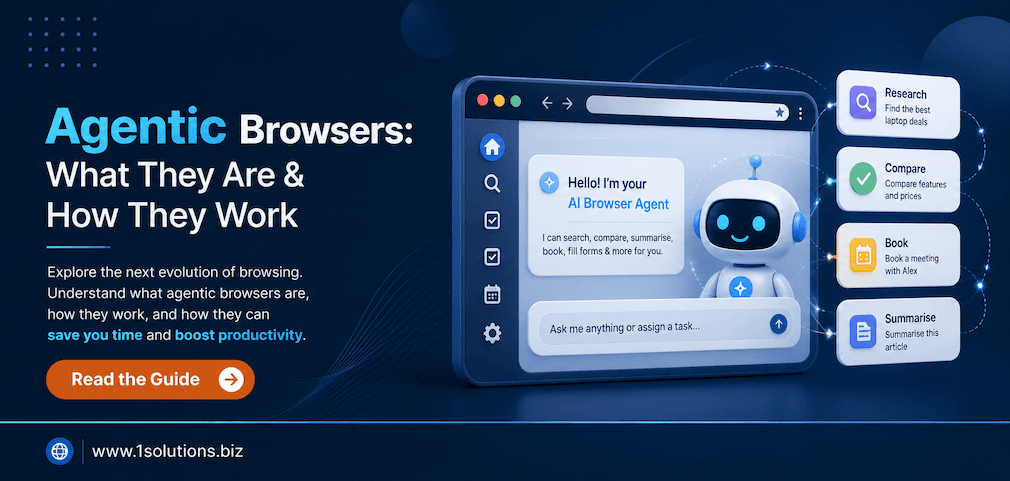
For a thorough breakdown of this emerging area, our article on What Is Agentic SEO (AAIO) and our explainer on Agentic Browsers: What They Are and How They Work are worth reading alongside this guide.
To prepare for agentic AI retrieval:
- Structure your content so it answers not just a single question but a logical sequence of related questions.
- Provide clear calls to action, contact information, pricing data, and other decision-relevant details that an AI agent might need to complete a task on a user’s behalf.
- Ensure your site’s API or structured data feeds are accessible if relevant to your business type.
💡 Pro Tip: Think of your website as a document an AI agent might read before making a recommendation to a user. If a knowledgeable human research assistant would find your page vague, incomplete, or hard to navigate, an AI agent will too.
ChatGPT Ranking Factors vs. Traditional SEO: A Comparison
| Factor | Traditional Google SEO | ChatGPT Search Visibility |
|---|---|---|
| Keyword Optimization | High importance | Moderate, context matters more than density |
| Backlink Profile | Critical ranking signal | Critical for credibility signals |
| Content Freshness | Important for news and trending topics | Important, especially for factual accuracy |
| Schema Markup | Helpful for rich results | Helpful for AI content parsing |
| Brand Mentions Across Web | Indirect signal | Strong direct influence |
| Content Depth and Topical Coverage | Important for authority | Highly important for citation likelihood |
| Technical Indexability | Essential | Essential |
| User Reviews and Reputation | Indirect trust signal | Direct influence on brand recommendation |
Step 8: Monitor, Measure, and Iterate
Unlike traditional search where rank tracking tools give you a precise position for each keyword, tracking your visibility in ChatGPT results requires a different approach. You cannot plug into a ChatGPT rank tracker the same way you use Search Console. Instead, measure indirect signals and test your visibility manually and systematically.
Measurement approaches that work:
- Manually query ChatGPT with questions your target audience would ask and note whether your brand, content, or URL is cited.
- Monitor referral traffic in your analytics platform for visits originating from ChatGPT or openai.com.
- Track branded search volume growth over time as a proxy for growing AI-driven awareness.
- Use tools like Semrush, Ahrefs, or BrightEdge to monitor how your content performs in AI Overviews and similar AI-generated answer features across search engines, since the signals overlap significantly.
- Set up alerts for brand mentions so you can track where your brand is appearing organically across the web.
If you are investing in broader digital marketing and want everything working together toward AI visibility, our professional SEO services integrate traditional and AI search optimization into a cohesive strategy. For businesses that want to take a comprehensive approach across channels, our full-service digital marketing solutions provide the breadth needed to build the kind of cross-channel authority that AI systems reward.
Practical Action Plan: Where to Focus Your Effort
Not everything on this list carries equal weight or urgency. Here is how to prioritize:
- Do This Now: Audit your existing content for structural quality. Add clear headings, short paragraphs, FAQ sections, and schema markup to your top ten most important pages. This has the fastest potential impact on AI comprehension and retrieval.
- Do This Now: Run a technical crawl of your website to identify and fix indexability issues. If search engines and AI crawlers cannot access your pages, nothing else on this list matters.
- Worth Doing: Launch a topical content cluster around your primary subject area. Identify gaps in your current content coverage and create supporting articles that establish genuine depth over the next two to three months.
- Worth Doing: Build a proactive outreach strategy for earning backlinks and brand mentions from authoritative industry sources. Focus on quality over quantity and prioritize placements that your target audience actually reads.
- Worth Doing: Audit your brand’s presence across review platforms, forums, and social channels. Ensure your profiles are complete, consistent, and actively maintained.
- Low Priority: Deep dives into agentic AI and API-level optimization. This area is evolving rapidly and the foundational steps above will carry you much further in the near term. Revisit this once your core content and authority signals are strong.
- Low Priority: Obsessing over specific ChatGPT citation tracking. Measure directional signals and focus your energy on the content and authority-building activities that create citations rather than just counting them.
Frequently Asked Questions
Does ChatGPT use the same ranking factors as Google?
Not exactly. While there is significant overlap, especially around backlinks, content quality, and technical indexability, ChatGPT’s retrieval places additional weight on brand reputation across the broader web, content that provides direct and factual answers, and sources that are consistently cited by other authoritative domains. It is less about keyword matching and more about holistic credibility.
How long does it take to start appearing in ChatGPT search results?
There is no fixed timeline. Brands with strong existing authority and well-structured content can see mentions relatively quickly after making targeted improvements. For newer or less-established sites, building the required topical depth and link profile typically takes three to six months of consistent effort before reliable citations begin to appear.
Can small businesses realistically rank in ChatGPT results?
Yes, particularly for niche and local queries where the competition for AI citations is lower. A small business that publishes genuinely helpful, well-structured content and earns mentions from a handful of quality local or industry sources can outperform larger brands that have not optimized for AI retrieval. Our guide on how to improve website visibility in AI search engines covers tactics that work well regardless of business size.
Does social media activity influence ChatGPT citations?
Indirectly, yes. Social media content itself is not always indexed in ways that directly feed ChatGPT’s retrieval. However, a strong social media presence contributes to brand awareness, drives people to your website, and can generate the kind of third-party discussion and mentions that AI models do pick up. It is one piece of a larger brand authority puzzle rather than a direct ranking lever.
Is optimizing for ChatGPT the same as optimizing for AI Overviews in Google?
They share most of the same principles but are not identical. Google’s AI Overviews draw more heavily from Google’s own index and ranking signals. ChatGPT’s search function has its own browsing mechanism and training data. The good news is that optimizing for one generally improves your standing in the other. For a detailed breakdown of the differences, see our analysis of Google AI Mode vs AI Overviews.
Conclusion
Learning how to rank in ChatGPT search results is not about gaming a new algorithm. It is about becoming genuinely worth citing. The brands and websites that will earn consistent AI-driven visibility are those that build real topical authority, structure their content so AI systems can parse and extract value from it, earn trust signals from credible sources across the web, and maintain a coherent, positive brand presence everywhere their audience looks. The foundational work is real and it takes time, but it compounds. Every improvement you make to your content depth, your link profile, and your brand reputation works simultaneously for traditional search and AI-powered retrieval. Start with the highest-priority actions in this guide, measure your results honestly, and build from there.