
If you run a local business, you have probably wondered whether link building is still worth your time. With Google constantly updating its algorithm and AI-driven search features reshaping how results are displayed, the question is fair. The short answer is yes, link building still matters for Local SEO, but the way you approach it has changed significantly. Spray-and-pray tactics that once inflated rankings now trigger penalties. What works today is deliberate, locally relevant, and built around genuine authority.
Link building remains a core ranking factor for Local SEO, but quality and local relevance now outweigh raw volume. Earning links from locally authoritative sources, citation sites, community organizations, and niche publications drives map pack visibility and organic rankings far better than generic directory spam. Follow the step-by-step process in this guide to build a sustainable local link profile.
⚡ Key Takeaways
- Links are still among the top three ranking factors for local organic results, according to Whitespark’s Local Search Ranking Factors report (2023).
- Local relevance of a linking domain matters more than its global domain authority for map pack rankings.
- Citations and unstructured mentions from local news or community sites both contribute to local link equity.
- Over-optimized anchor text in local link building is a common penalty trigger, especially after the Google March 2026 Spam Update.
- A diverse link profile combining citations, editorial mentions, guest posts, and sponsorships outperforms any single tactic.
- Tracking local-specific metrics like map pack ranking and citation consistency is essential to measuring ROI.
- Small businesses can compete with larger brands by targeting hyper-local linking opportunities that big brands overlook.
Why Link Building Still Matters for Local SEO in 2025
Google’s local algorithm evaluates three core pillars: relevance, distance, and prominence. Links feed directly into prominence. When authoritative local sources point to your website, they signal to Google that your business is a recognized entity in its community. According to Whitespark’s Local Search Ranking Factors survey (2023), link signals account for roughly 17% of local pack ranking factors and around 16% of localized organic ranking factors. That is not a number you can afford to ignore.
The landscape has also grown more competitive. BrightLocal’s Local Consumer Review Survey (2024) found that 98% of consumers used the internet to find information about local businesses in the past year. More searches mean more competition for the same map pack positions, and businesses with stronger link profiles consistently hold the top spots.
It is also worth addressing a common misconception: Google Business Profile optimization alone is not enough. Your GBP signals proximity and relevance, but without external link authority, you will struggle to outrank competitors in dense markets. For a deeper look at common GBP errors that quietly drain your visibility, read 10 Google My Business Mistakes That Hurt Local Visibility.
Understanding the Difference Between Local and General Link Building
General link building focuses on earning links from high-authority domains regardless of their geographic or topical connection to your business. Local link building adds two additional filters: geographic relevance and community trust. A link from a local newspaper, a regional business association, or a neighborhood blog carries more weight for Local SEO than a generic directory link from a domain with a high authority score but zero local connection.
| Factor | General Link Building | Local Link Building |
|---|---|---|
| Primary Goal | Domain authority, national rankings | Map pack visibility, local organic rankings |
| Ideal Link Source | High-DA blogs, news sites, industry publications | Local news, chambers of commerce, community organizations |
| Anchor Text Strategy | Branded and partial match keywords | Branded, city-specific, and service-specific terms |
| Citation Importance | Low | High |
| Volume vs. Quality | Balance of both | Quality and local relevance above all |
| Risk of Penalty | High if manipulative | High if irrelevant or over-optimized |
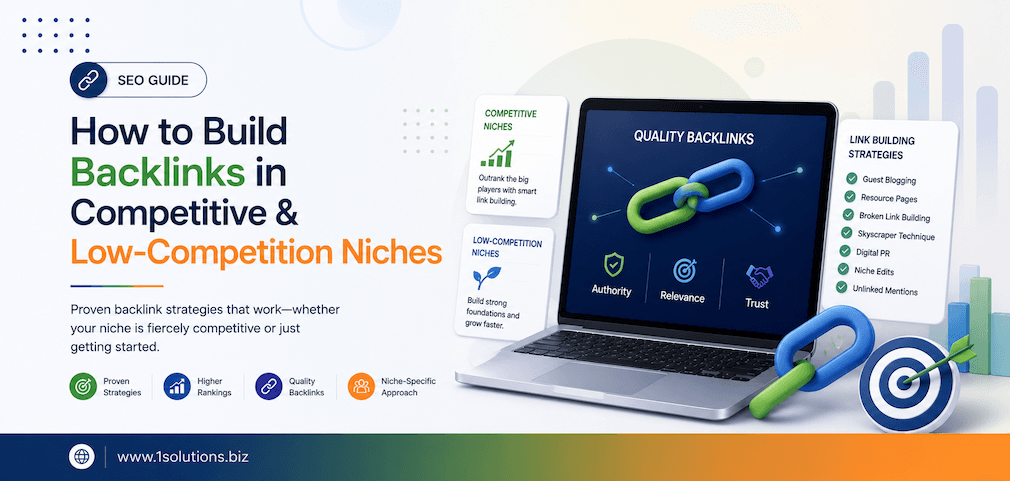
If you want to understand how to approach both competitive and niche scenarios, the guide on How to Build Backlinks in Competitive and Low-Competition Niches offers a useful framework you can adapt for local campaigns.
Step 1: Audit Your Current Local Link Profile
Before you build a single new link, understand what you already have. A link audit reveals gaps, toxic links, and opportunities you may have missed. Use tools like Ahrefs, Semrush, or Moz to pull your current backlink data. Then apply a local lens:
- Filter links by geographic relevance. How many point from locally focused domains?
- Check citation consistency. Are your business name, address, and phone number (NAP) identical across all listing sites?
- Identify toxic links. Look for links from irrelevant foreign directories, private blog networks, or sites with no organic traffic.
- Benchmark against competitors. Pull the link profiles of your top three local competitors and note the sources you are missing.
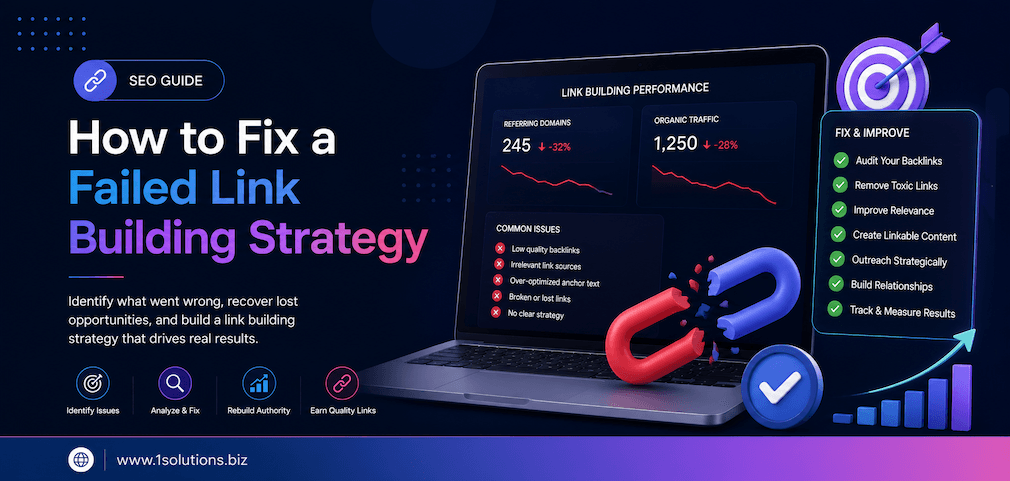
If your audit reveals a messy link profile with spammy links dragging down your rankings, address that before moving forward. Our How to Fix a Failed Link Building Strategy guide walks through the recovery process in detail.
💡 Pro Tip: When auditing citations, inconsistencies in your NAP data hurt Local SEO more than most businesses realize. Even a missing suite number or a slight variation in your business name can dilute your local authority signals across aggregators like Data Axle and Foursquare.
Step 2: Build a Strong Citation Foundation
Citations are mentions of your business name, address, and phone number on external websites. They are the baseline of any Local SEO link building strategy. Structured citations appear in business directories with a formal listing. Unstructured citations appear in articles, blog posts, and local event pages without a formal structure.
Start with the major aggregators and tier-one directories, then move to industry-specific and locally focused directories:
- Claim and verify your Google Business Profile, Apple Maps, Bing Places, and Yelp listings.
- Submit to data aggregators. These push your NAP data to hundreds of downstream directories automatically.
- Target industry-specific directories relevant to your business type, whether that is healthcare, hospitality, legal, or home services.
- Find locally focused directories operated by your city government, local chamber of commerce, or regional business associations.
- Audit all listings quarterly for NAP consistency and remove or correct duplicates.
BrightLocal’s 2024 Local Citations Trust Report found that 68% of consumers would stop using a local business if they found incorrect information online. Citation accuracy is not just an SEO issue. It is a trust issue.
Step 3: Earn Editorial Links from Local Sources
Editorial links are the most powerful type for Local SEO because they are earned through genuine recognition. Here is how to systematically pursue them:
Pitch Local News and Online Publications
Local journalists are always looking for stories. Think about angles that tie your expertise to community events, trends, or issues. A plumber commenting on aging infrastructure, a restaurant owner discussing supply chain changes, or a fitness studio partnering with a local charity all make for viable pitches. When your business is quoted or featured, you earn a citation or a direct link from a trusted local domain.
Sponsor Local Events and Organizations
Event sponsorships frequently include a link back to your website from the organizer’s page. Charitable donations, school sponsorships, local sports teams, and community festivals are all reliable sources of locally relevant links. These also build brand awareness and goodwill that complements your digital presence.
Partner with Complementary Local Businesses
Non-competing local businesses that serve the same audience as yours are natural link partners. A wedding photographer might earn links from florists, caterers, and venues. An HVAC company might partner with home builders or real estate agents. These links are editorially relevant and geographic by default.
For businesses in the home services space, our HVAC SEO services page outlines how industry-specific link building integrates with a broader Local SEO strategy.
Step 4: Use Guest Posting with Local Relevance
Guest posting for Local SEO is not about blasting generic articles to high-DA blogs. It is about contributing valuable content to locally or topically relevant websites that your potential customers actually read. Prioritize:
- Regional business magazines and online publications.
- Industry association blogs that serve your geographic market.
- Local lifestyle blogs, community portals, or neighborhood news sites.
- Podcasts or video channels run by local influencers who repurpose content online.
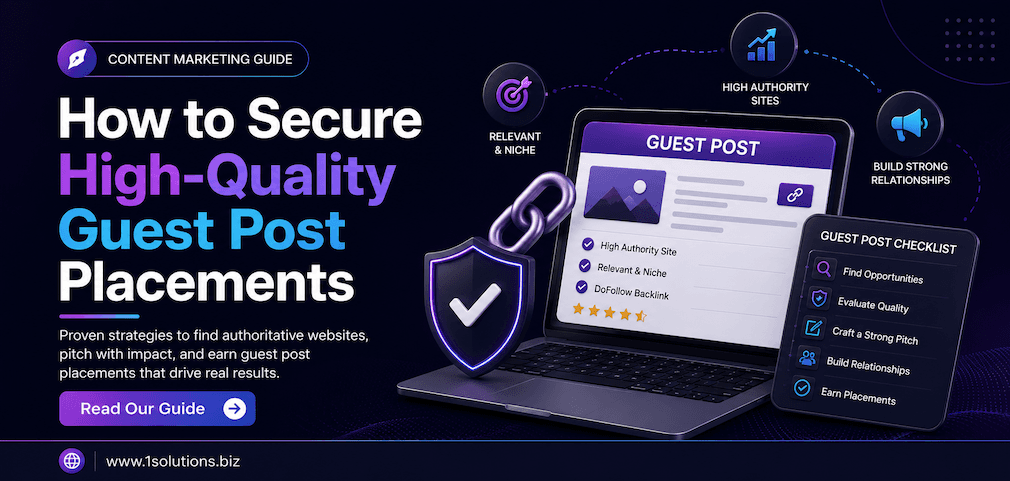
When crafting your guest post pitches, lead with the value you bring to their audience, not the link you want. For a tactical breakdown of landing these placements consistently, see How to Secure High-Quality Guest Post Placements.
💡 Pro Tip: Over-optimized anchor text is one of the fastest ways to attract a Google penalty in local link campaigns. Use your brand name as the anchor in most guest posts and reserve keyword-rich anchors for only a small percentage of your link profile. The Google March 2026 Spam Update specifically targeted manipulative anchor text patterns.
Step 5: Leverage Internal Linking to Amplify Your Local Pages
External links earn authority for your domain. Internal links distribute that authority to the pages that need it most, typically your location pages, service area pages, and locally targeted landing pages. If you earn a strong editorial link to your homepage but your local service pages are buried in your site architecture, you are leaving ranking potential on the table.
Best practices for local-focused internal linking:
- Link from high-traffic blog posts to your city-specific service pages using descriptive anchor text.
- Create a clear hierarchy: homepage links to main service pages, which link to individual location pages.
- Add contextual links within locally focused content that point back to your core conversion pages.
- Audit internal links alongside external links, as both form part of your overall link equity distribution.
The guide on How to Use Internal Links to Boost Backlink Impact offers a structured approach to maximizing the value of every external link you earn.
Step 6: Build Links Safely and Avoid Penalty Triggers
Link building at any level carries risk if done carelessly. For local businesses, the stakes are high because a manual penalty can wipe out years of ranking progress and directly impact revenue. The most common penalty triggers in local link campaigns include:
- Purchasing links from private blog networks or link farms.
- Using exact-match keyword anchors across a high percentage of your link profile.
- Submitting to low-quality, irrelevant directories solely for link volume.
- Reciprocal link exchanges arranged purely for SEO benefit with no editorial value.
- Thin or AI-spun guest post content placed on sites with no organic traffic.
For a detailed safety checklist, How to Build Links Safely Without Triggering Penalties covers the full spectrum of risks and mitigation strategies. If you have already been hit by a penalty, our Google penalty recovery services can help you diagnose and resolve the issue systematically.
Step 7: Track Local SEO Link Building Performance
You cannot improve what you do not measure. Tracking local link building requires a different set of metrics than general SEO campaigns. Focus on these indicators:
- Map pack ranking position: Track your ranking for primary keywords in your target city or service area weekly.
- Local organic ranking: Monitor your position in the localized organic results below the map pack.
- Referring domain growth: Track the number of unique referring domains over time, with a filter for locally relevant sources.
- Citation consistency score: Use tools like BrightLocal or Yext to monitor NAP accuracy across directories.
- GBP insights: Track direction requests, phone calls, and website clicks from your Google Business Profile.
- Conversion data: Attribute leads and sales to local organic and map pack traffic in Google Analytics.
Understanding how AI is reshaping local search results is also increasingly important for interpreting your performance data. For context on where search is heading, Local AEO Best Practices for Small Businesses explores how answer engine optimization complements traditional link building for local visibility.
💡 Warning: Ranking fluctuations after a new link building campaign are normal. However, a sudden drop across multiple local keywords within days of a new link batch often signals a quality issue. Pause the campaign, audit the new links immediately, and disavow any suspicious domains before the issue compounds.
Practical Action Plan: Priority Tiers for Local Link Building
Not every tactic deserves equal attention. Use this prioritized framework to allocate your time and budget effectively:
- Do This Now: Audit your existing citations for NAP consistency and fix all inaccuracies. Claim and verify all major directory listings. This is the foundation everything else builds on. Inconsistent citations actively suppress your local rankings regardless of how many links you earn.
- Do This Now: Identify and outreach to your local chamber of commerce, business associations, and any community organizations relevant to your industry. These links are low-cost, high-trust, and geographically targeted. They are the fastest wins in local link building.
- Worth Doing: Develop a local content strategy that creates linkable assets: neighborhood guides, local research reports, resource pages for your community. These attract editorial links organically over time and compound in value. Pair this with the insights from How To Boost Your SEO Efforts With Page Content Analysis to ensure your content is optimized before you promote it.
- Worth Doing: Build a guest posting pipeline targeting locally relevant publications and industry blogs. Aim for consistency, one to two quality placements per month, rather than bursts of activity. Review the 15 Link Building Methods That Continue to Work for additional tactics to layer into your campaign.
- Low Priority: Pursue generic high-DA guest posts on national blogs with no local relevance. These can support overall domain authority but do little for map pack rankings specifically. Treat them as supplementary, not core to your local strategy.
- Low Priority: Social media link sharing. While social signals are not direct ranking factors, consistent social presence supports brand search volume and can generate organic editorial mentions over time. Our local SEO packages integrate social and link signals for a more complete approach.
Conclusion: Local SEO Link Building Is Not Dead, It Just Grew Up
Link building for Local SEO is not the same game it was five years ago. Volume no longer wins. Relevance, trust, and community authority do. The businesses that dominate their local markets are the ones that treat link building as a long-term investment in digital reputation rather than a quick ranking shortcut.
The good news is that local link opportunities are genuinely abundant for any business willing to engage with its community, create useful content, and build real relationships with other local entities. You do not need hundreds of links to move the needle. You need the right links from the right sources, built consistently over time.
If you are ready to build a local link profile that drives real map pack visibility and sustainable organic growth, explore our professional SEO services or browse our link building packages designed for businesses that want results without shortcuts.
Frequently Asked Questions
How many links do I need to rank in the local map pack?
There is no fixed number. The quantity you need depends entirely on your competition. In a small market with low competition, five to ten high-quality local links can be enough to rank. In a dense urban market with dozens of established competitors, you may need significantly more. Focus on relevance and quality first, then scale volume once you have a clean foundation.
Do citations count as links for Local SEO purposes?
Structured citations on major directories often include a live link back to your website, making them both a citation and a backlink. Unstructured citations that mention your business without a link still contribute to local prominence signals. Both types matter for Local SEO, but editorially earned links from locally authoritative domains carry more weight than directory citations alone.
Is link building risky for small local businesses?
Any link building carries risk if done manipulatively. For small businesses, the risk is compounded because you have fewer total links, meaning a handful of toxic links represents a larger percentage of your overall profile. Stick to white-hat tactics, avoid buying links, and monitor your profile regularly. The reward far outweighs the risk when approached correctly.
How long does it take for local links to impact rankings?
Most businesses see measurable ranking movement within four to twelve weeks of earning new locally relevant links, assuming the rest of their on-page and GBP optimization is solid. Citations and directory links tend to impact rankings faster because Google crawls these sources frequently. Editorial links from local news sites can show an effect within days if Google crawls and indexes them quickly.
Can I do local link building myself or do I need an agency?
Many of the highest-value local link opportunities, such as chamber memberships, event sponsorships, and community partnerships, are things a business owner can pursue directly. The more technical elements, such as competitive link analysis, outreach at scale, and penalty risk management, benefit from experienced support. Starting with the tactics you can handle in-house and layering in professional help as you scale is a practical approach for most small businesses.