

What Is Pomelli by Google Labs? 10 Things You Need to Know
Pomelli by Google Labs is one of the newer experimental projects emerging from Google’s innovation sandbox, and it is already generating curiosity among developers, marketers, and SEO professionals. As Google continues to push the boundaries of AI-assisted browsing, content discovery, and search interaction, understanding what Pomelli is and how it might affect your digital presence is increasingly important. This article breaks down exactly what the tool is, how it works, and what it could mean for your website, your search rankings, and your broader marketing strategy.
Pomelli by Google Labs is an experimental AI-powered tool designed to help users interact with and extract information from web content in smarter, more contextual ways. It sits at the intersection of agentic browsing and AI-assisted research. For marketers and SEO professionals, it signals a shift in how Google surfaces and interprets content, making content quality and structured data more critical than ever.
⚡ Key Takeaways
- Pomelli is a Google Labs experiment, meaning it is in active development and not yet a fully released product.
- It uses AI to help users interact with web content more intelligently, similar to agentic browsing tools.
- The tool raises important questions about how content is consumed, attributed, and ranked in AI-first search environments.
- Websites with well-structured, high-quality content are better positioned to benefit from tools like Pomelli.
- SEO professionals should monitor how Google Labs experiments eventually influence core search updates.
- Structured data, E-E-A-T signals, and clear content hierarchy matter more as AI tools mediate content consumption.
- Pomelli is part of a broader ecosystem of Google AI innovations that includes AI Overviews, AI Mode, and WebMCP.
1. Pomelli by Google Labs Is an AI-Powered Content Interaction Experiment
At its core, Pomelli by Google Labs is an experimental feature developed within Google’s innovation incubator, Google Labs. Google Labs has historically been the birthplace of projects that later evolve into mainstream products or inform major product decisions, so even early-stage experiments deserve attention. Pomelli is designed to help users engage with web content in a more intelligent, contextual way, going beyond passive reading to enable active querying, summarization, and exploration of information found across web pages.
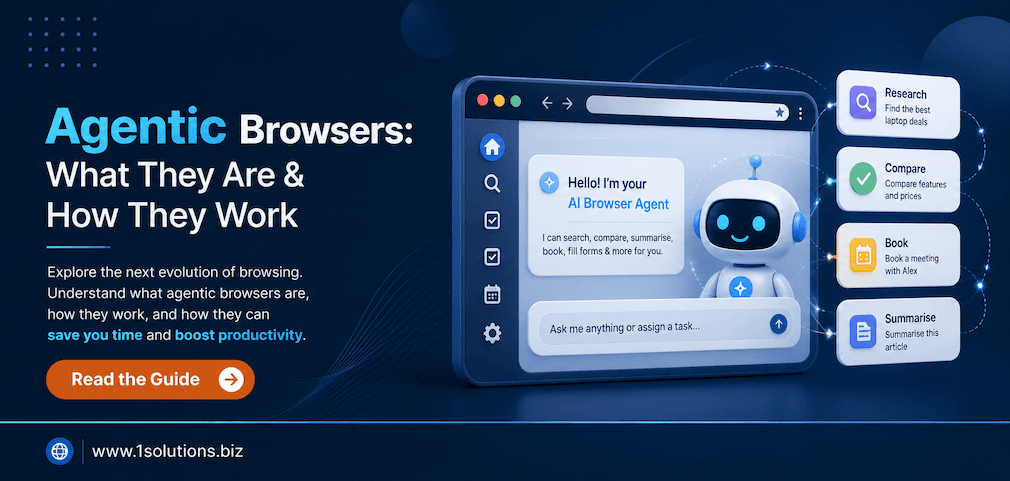
Think of it as a smart layer placed on top of existing web content. Rather than simply displaying a page, Pomelli allows users to ask questions about that content, extract specific data points, and receive synthesized answers derived from the material they are viewing. This type of functionality aligns closely with what we have seen emerging in agentic browser behavior. If you want to understand the broader context of tools operating this way, the article on agentic browsers and how they work provides excellent background. Pomelli fits squarely within this emerging category of AI tools that do not just retrieve content but actively interpret and interact with it on the user’s behalf.
2. It Lives Within the Google Labs Experimental Ecosystem
Google Labs is not a single product. It is an umbrella environment where Google tests ideas before deciding whether to integrate them into core products like Search, Chrome, or Google Workspace. Projects that originate in Google Labs often go through multiple iterations, get public feedback through limited rollouts, and may be discontinued or absorbed into larger product lines. According to Google’s own communications, the Labs environment is explicitly designed for “bold experiments that may not always work” but inform product direction significantly.
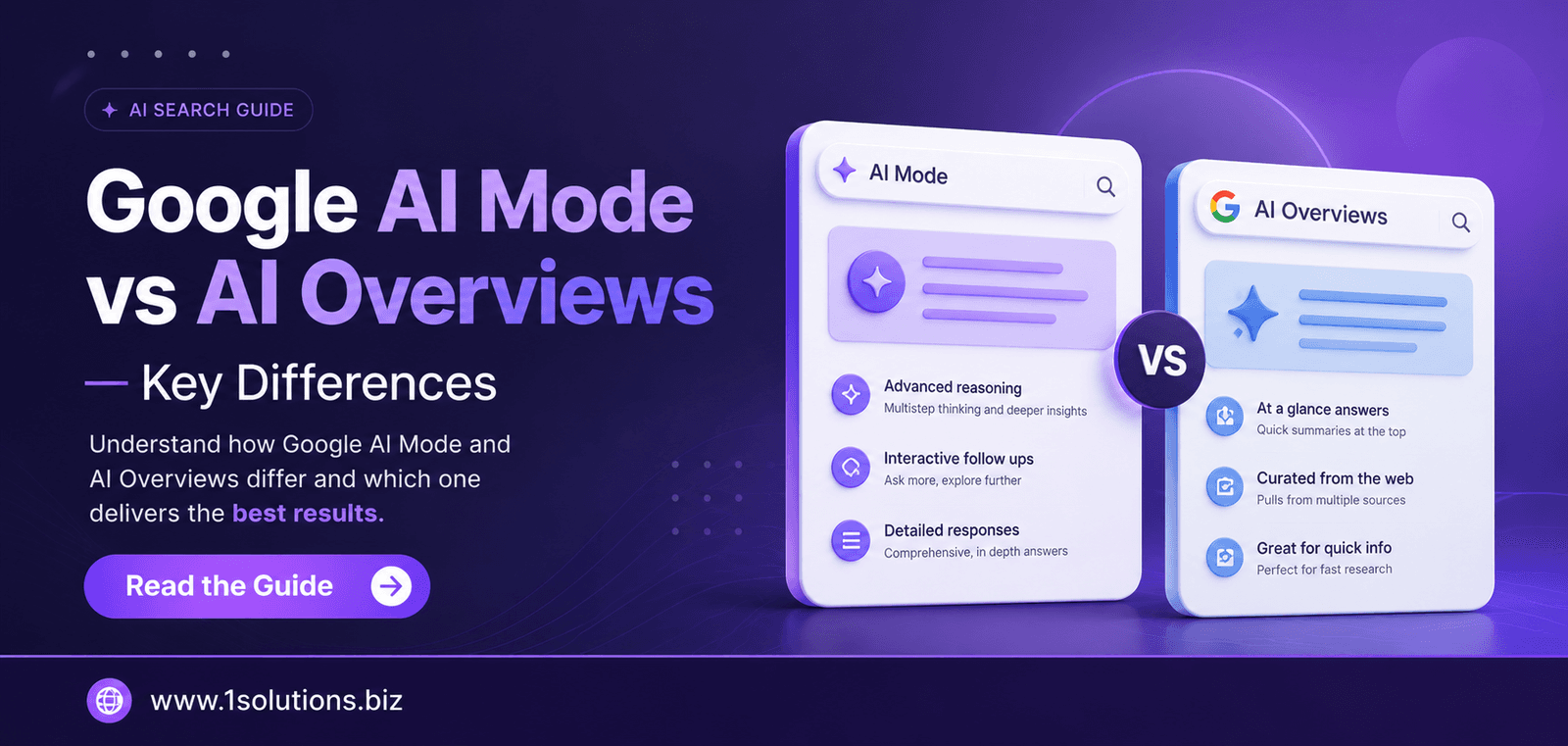
Pomelli’s placement within Google Labs tells us something important: it is a signal of Google’s experimental intent around content interaction, not a finished product commitment. This is similar to how Google AI Overviews and AI Mode started as experimental features before becoming widely visible in Search. Understanding the difference between these AI tools matters for anyone planning their content strategy. The comparison between Google AI Mode and AI Overviews is a useful reference for understanding how Google evolves these experimental capabilities into mainstream features over time.
3. Pomelli Reflects Google’s Shift Toward Agentic Search Behavior
One of the most significant things Pomelli signals is Google’s accelerating investment in agentic search, where AI doesn’t just answer questions but takes multi-step actions on behalf of users. This is a meaningful shift from the traditional search model where users retrieve a list of links and click through to find answers. Agentic search tools interpret user intent, navigate content, extract relevant data, and synthesize responses without requiring the user to do the page-by-page reading themselves.
According to a 2024 report by McKinsey Digital, AI-assisted search tools and agentic interfaces are expected to handle up to 40% of routine information retrieval tasks by 2026, reducing the need for direct human navigation of search results pages. This trend has direct implications for website owners and digital marketers. If Pomelli or similar tools become mainstream, the way users consume your content will change fundamentally. Your site will need to be readable and interpretable not just by human visitors but by AI agents acting on their behalf. This is precisely why Agentic SEO (AAIO) is becoming a core discipline for forward-thinking digital marketers.
💡 Pro Tip: Structure your web pages with clear headings, concise paragraphs, and explicit answers to common questions. AI tools like Pomelli are more likely to extract and surface content that is well-organized and semantically clear.
4. The Tool Has Implications for How Content Gets Attributed and Credited
One of the honest trade-offs that tools like Pomelli introduce is a potential reduction in direct traffic to source websites. When an AI layer summarizes content and delivers synthesized answers, users may get what they need without ever visiting your page. This is not a theoretical concern. A 2023 study by SparkToro and Datos found that approximately 59% of Google searches in the United States and European Union already end without a click to any website, a phenomenon commonly called zero-click search. As AI tools become more capable at extracting and presenting content, this number could increase further.
For content creators and website owners, this means the attribution question is increasingly important. How does Pomelli credit the sources it draws from? Does it link back to the original content? These details are still emerging as the tool is experimental, but they mirror concerns already raised about Google’s AI Overviews, which have faced criticism for surfacing content without always driving meaningful referral traffic. Understanding this environment is critical if you rely on organic search for revenue, and it is one reason why investing in robust search engine optimization services that go beyond traditional ranking factors is essential right now.
5. Pomelli Uses Structured Understanding of Web Content
For Pomelli to work effectively as a content interaction tool, it needs to understand the structure and meaning of web content at a deeper level than simple keyword matching. This means it likely relies on or benefits from schema markup, semantic HTML, clear heading hierarchies, and well-defined content sections. Pages that are semantically structured are easier for AI tools to parse, extract relevant sections from, and present accurately to users.
This reinforces a principle that has been gaining momentum in SEO for several years: technical content quality matters as much as keyword optimization. According to a 2024 Semrush State of Content Marketing report, pages with proper schema markup received 20-30% more visibility in AI-assisted features compared to pages without structured data. For websites looking to remain visible as AI content tools proliferate, this is not optional. If you want to understand how content analysis supports this kind of technical SEO, the guide on boosting SEO through page content analysis walks through actionable steps. Similarly, tools like WebMCP are changing how AI agents interact with web content, and the article on WebMCP and its SEO impact is worth reading alongside this one.
6. It Could Affect How Small Businesses Compete for Visibility
Small businesses often depend heavily on local search and organic visibility to compete with larger brands. If AI tools like Pomelli begin to mediate more of the content discovery experience, the competitive dynamics shift. Large brands with extensive content libraries and strong domain authority may benefit disproportionately if AI tools preferentially extract from high-authority sources. Smaller businesses with niche expertise but lower domain authority could find their content underrepresented in AI-synthesized answers.
This makes it more important than ever for small businesses to pursue strategies that build genuine authority and local relevance. According to BrightLocal’s 2024 Local Consumer Review Survey, 98% of consumers used the internet to find information about local businesses, and AI-mediated discovery is increasingly part of that journey. If you are running a small business and want to stay ahead of these shifts, the resource on local AEO best practices for small businesses is directly applicable. Pairing that with strong SEO for small businesses ensures you are building the kind of authoritative, well-structured content that AI tools are more likely to surface and credit.
💡 Pro Tip: Small businesses should focus on answering very specific, local questions in their content. AI tools tend to surface highly specific, accurate answers, so niche content precision can outperform generic content volume.
7. Pomelli Sits Alongside a Growing Suite of Google AI Tools
Pomelli does not exist in isolation. It is part of an expanding ecosystem of Google AI tools and experiments that collectively represent a fundamental rethinking of how search and content interaction work. Within this ecosystem you have Google AI Overviews, which surface synthesized answers directly in search results; Google AI Mode, which enables more conversational search experiences; NotebookLM, which allows users to interact with documents they upload; and Project Mariner, which represents Google’s agentic browser ambitions. Pomelli appears to occupy a space somewhere between direct search augmentation and document-level interaction assistance.
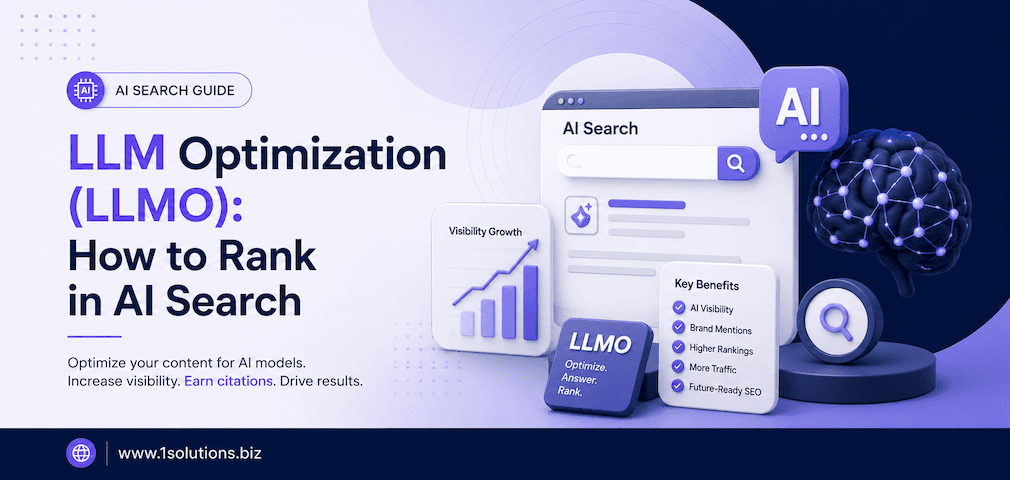
Understanding how these tools relate to each other is important for anyone trying to forecast how search and digital marketing will evolve. They are not competing products so much as complementary experiments exploring different facets of AI-assisted information access. For SEO professionals, this means that optimizing for one type of AI visibility is not sufficient. You need a holistic approach that accounts for how content gets consumed across multiple AI surfaces. This is also why LLM optimization is becoming its own discipline. The guide on LLM optimization and ranking in AI search covers the strategic frameworks needed to stay visible across this evolving landscape.
8. How Pomelli Compares to Similar AI Content Tools
To better understand where Pomelli fits, it helps to compare it with similar tools already available or in development. The table below provides a simplified comparison of AI content interaction tools and their primary functions:
| Tool | Primary Function | Access Level | SEO Implication |
|---|---|---|---|
| Pomelli (Google Labs) | AI-assisted web content interaction | Experimental | May reduce direct click-through; rewards structured content |
| Google AI Overviews | Synthesized answers in search results | Live in Search | Zero-click risk; benefits E-E-A-T content |
| Google AI Mode | Conversational search interface | Rolling out | Shifts query patterns; rewards conversational content |
| Perplexity AI | AI-native search with citations | Live | Alternative discovery channel; citation-based attribution |
| NotebookLM | Document interaction and analysis | Live | Primarily internal use; less direct SEO impact |
This comparison illustrates that Pomelli, while experimental, fits into a broader trend where AI intermediaries are increasingly positioned between users and the raw content on your website. Each tool carries its own set of implications for how content gets discovered, consumed, and credited.
9. What Pomelli Means for Digital Marketing Strategy
From a digital marketing perspective, Pomelli and tools like it are an early warning signal, not a current emergency. The time to adapt your strategy is now, while the tool is still experimental and while you still have room to get ahead of competitors who are waiting to see how things develop. The most resilient digital marketing strategies will be ones that build genuine authority, produce content that answers specific questions clearly, and ensure that technical foundations like schema markup and page structure are solid.
This also applies to how you think about content creation at scale. AI-generated content that lacks depth or originality is particularly vulnerable in a world where AI tools like Pomelli are evaluating and synthesizing content based on quality signals. Investing in professional digital marketing services that take an integrated, quality-first approach is more valuable now than chasing short-term ranking tricks. Additionally, if you want your content to be well-positioned for AI visibility improvement, the guide on improving website visibility in AI search engines provides a practical roadmap.
💡 Warning: Thin content, scraped articles, and keyword-stuffed pages are especially at risk as AI tools become more sophisticated at identifying genuine informational value. If your content strategy relies on volume over quality, now is the time to course-correct.
10. Practical Steps to Prepare Your Website for Pomelli-Era Search
Whether Pomelli becomes a mainstream Google product or remains a niche experiment, the content and technical standards it demands are the same ones that improve performance across all AI-influenced search surfaces. Preparing for Pomelli means preparing for the future of search more broadly. This involves auditing your existing content for clarity and specificity, implementing proper schema markup across key page types, ensuring your site loads quickly and is accessible, and building genuine topical authority rather than scattering thin content across too many subjects.
It also means revisiting your indexability. Pages that Google cannot reliably crawl and index cannot be surfaced by any AI tool. The resource on why Google is not indexing your pages addresses this common but often overlooked issue. Taking a systematic approach to content quality, technical health, and authority building positions your site well regardless of which specific Google experiments eventually graduate to mainstream products.
Practical Action Plan
- Do This Now: Audit your top 20 pages for semantic structure. Add or improve schema markup, ensure H1-H3 hierarchies are logical, and check that each page answers a specific question clearly and completely. This makes your content interpretable by both AI tools and human readers.
- Worth Doing: Develop a content authority strategy focused on 3-5 core topics your business genuinely owns expertise in. Depth and specificity outperform breadth in AI-mediated content environments. Consider whether your current content approach reflects real expertise or just keyword targeting.
- Low Priority: Trying to directly “optimize for Pomelli” as if it were a ranking system is premature. Since the tool is experimental, focus on foundational quality signals that benefit visibility across all AI search surfaces rather than chasing experiment-specific tactics.
Frequently Asked Questions About Pomelli by Google Labs
What exactly does Pomelli by Google Labs do?
Pomelli by Google Labs is an experimental AI tool that allows users to interact with web content in a more intelligent and contextual way. Rather than passively reading a page, users can query the content, extract specific information, and receive synthesized answers derived from what is on the page. It is still in the experimental phase and has not been released as a full public product.
Is Pomelli available to the public right now?
As of the time of writing, Pomelli remains an experimental project within Google Labs. Google Labs experiments are typically available to a limited set of users or testers before any broader rollout decision is made. Some Labs experiments are discontinued, while others eventually graduate into mainstream Google products. Its current availability is limited.
How does Pomelli affect my website’s SEO?
Pomelli could affect SEO in several ways. If it becomes mainstream, it may reduce direct click-through traffic to websites by surfacing synthesized answers without requiring users to visit source pages. On the other hand, well-structured, authoritative content is more likely to be extracted and surfaced by the tool, rewarding quality-focused SEO practices. The overall direction reinforces the importance of E-E-A-T signals and technical content quality.
How is Pomelli different from Google AI Overviews?
Google AI Overviews appear directly in search results pages and provide synthesized answers to search queries before a user visits any website. Pomelli, by contrast, appears to be designed for interaction with content the user is already viewing or exploring, functioning more as an in-context content assistant. Both tools share the characteristic of AI mediating content consumption, but they operate at different points in the user journey.
Should I change my digital marketing strategy because of Pomelli?
You do not need to make dramatic immediate changes specifically because of Pomelli, since it is still experimental. However, Pomelli is a useful indicator of where Google’s AI product direction is heading. The smartest response is to invest now in content quality, structured data, topical authority, and technical SEO foundations that serve well across all AI search surfaces. These are durable investments regardless of which specific experiments Google eventually brings to scale.