
The Best and Worst Times to Post on Social Media
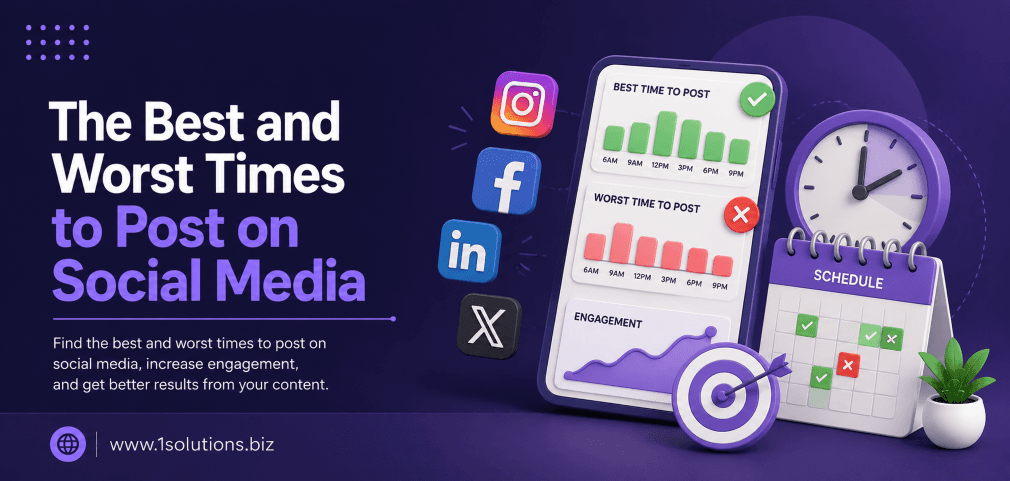
Understanding the best and worst times to post on social media is one of the most underrated levers in any content strategy. You can spend hours crafting the perfect post, but if you publish it when your audience is asleep or distracted, the algorithm buries it before it ever gets a chance. Timing affects initial engagement velocity, and that velocity signals the platform to either push your content further or suppress it.
According to Sprout Social (2024), posts published at optimal times can generate up to 30% more engagement than the same content posted at off-peak hours. That is not a trivial difference. It compounds over time as your account builds or loses algorithmic favor.
This guide walks you through every major platform, explains what the data actually says, and gives you a repeatable framework for finding your own best windows rather than blindly copying a generic schedule.
Posting times significantly affect social media reach and engagement because algorithms prioritize content that gets quick interaction. Each platform has different peak windows, but your own audience data always overrides general benchmarks. This guide gives you platform-by-platform timing data plus a step-by-step system to discover and test your personal best posting schedule.
⚡ Key Takeaways
- Facebook engagement peaks on Tuesdays through Thursdays between 9 AM and 1 PM, with Sundays being consistently the weakest day.
- Instagram’s strongest windows are Monday through Friday between 9 AM and 11 AM, with late-night posting generally underperforming.
- LinkedIn rewards Tuesday through Thursday posting between 8 AM and 10 AM, especially for B2B content.
- TikTok’s algorithm is less time-sensitive than other platforms, but early mornings (6 AM to 9 AM) and evenings (7 PM to 9 PM) still outperform midday.
- The worst times to post on any platform include Friday afternoons, Saturday mornings, and any time between midnight and 5 AM.
- Native platform analytics should always be your primary source of truth over general industry benchmarks.
- Consistency and posting frequency matter alongside timing. An inconsistent posting schedule undermines algorithmic trust regardless of when you post.
Step 1: Understand How Social Algorithms Use Engagement Timing
Before looking at platform-specific windows, you need to understand why timing matters mechanically. Every major social platform uses some version of an engagement-based feed algorithm. When you publish a post, the platform shows it to a small test segment of your followers first. If that segment engages quickly through likes, comments, shares, or saves, the algorithm interprets the content as valuable and expands its reach. If it does not get traction, the post is effectively abandoned.
This means your content has a narrow window of opportunity immediately after publishing. Publishing when your audience is active dramatically increases the odds of that initial test segment engaging. According to HubSpot (2023), the first hour after posting accounts for roughly 50% of the total engagement a post will ever receive on Instagram. The same principle applies with varying timelines across other platforms.
This is also why scheduling tools are so valuable. Manually posting at 8:47 AM every Tuesday is not realistic, but a scheduler makes it automatic. Tools like Buffer, Later, and Hootsuite all offer scheduling plus native analytics that inform timing decisions over time.
💡 Pro Tip: Do not just schedule posts at peak hours and walk away. Plan to be available for the first 30 to 60 minutes after publishing so you can respond to early comments. Early engagement from the account owner signals activity to algorithms and amplifies initial reach.
Step 2: Know the Best and Worst Times by Platform
Here is a breakdown of timing benchmarks by platform, based on aggregated research from Sprout Social (2024) and Hootsuite (2024). These are starting points, not absolute rules.
| Platform | Best Days | Best Times | Worst Days | Worst Times |
|---|---|---|---|---|
| Tue, Wed, Thu | 9 AM to 1 PM | Sunday | After 5 PM, before 7 AM | |
| Mon to Fri | 9 AM to 11 AM | Sunday | 11 PM to 5 AM | |
| Tue, Wed, Thu | 8 AM to 10 AM | Sat, Sun | Late evening, weekends | |
| TikTok | Tue to Fri | 6 AM to 9 AM, 7 PM to 9 PM | Sunday | 1 PM to 4 PM |
| X (Twitter) | Mon to Wed | 8 AM to 10 AM, 12 PM | Saturday | After 10 PM |
| Fri, Sat, Sun | 8 PM to 11 PM | Monday | During work hours |
Notice that Pinterest is actually the opposite of most platforms. Its audience tends to browse in the evenings and on weekends, which makes it unique among major networks. If you manage multiple platforms, this variation is one reason a one-size-fits-all schedule does not work.
For a broader picture of which platforms deserve your attention in the first place, check out this comprehensive guide to the top 100 social media sites to understand where your audience is most likely spending time.
Step 3: Identify the Worst Times to Post (And Why They Hurt)
Most guides focus on when to post. Fewer talk about when not to post, and that gap is costly. Publishing at the wrong time does not just mean your post gets ignored temporarily. It can actively train the algorithm to treat your account as one that generates low engagement, which suppresses future posts even when you do publish at the right time.
Here are the consistently poor windows across most platforms:
- Friday afternoons (3 PM to 6 PM): Audiences shift into weekend mode. Attention drops, and many professionals mentally disconnect from feeds.
- Saturday mornings: Engagement tends to be low early on Saturdays because people are running errands or sleeping in. Pinterest is the exception.
- Late nights (10 PM to 5 AM): Unless you are targeting a very specific night-owl audience, posting during these hours wastes your content window.
- Major holidays: Engagement can spike for holiday-themed content, but generic posts published on major holidays often get buried because platforms also see higher volumes of competing content from brands.
- Right before a breaking news event: You cannot predict this, but if something major happens after you schedule a post, it can look tone-deaf and will likely receive no engagement regardless of timing.
💡 Pro Tip: If you accidentally post at a bad time and notice zero engagement in the first 30 minutes, consider deleting and reposting at a better window. This is a judgment call, but it is often worth it for high-effort content rather than letting it die quietly.
Step 4: Use Native Analytics to Find Your Actual Best Times
General benchmarks are useful for brand new accounts that have no data yet. But once you have been posting consistently for 30 to 60 days, your own analytics should take over as the primary guide. Here is how to pull that data from the most common platforms:
Facebook and Instagram (Meta Business Suite)
Navigate to Meta Business Suite, select Insights, and then look at the Audience tab. You will see a chart showing when your specific followers are most active by day and by hour. Cross-reference this with your post performance data to find where engagement peaks align with follower activity windows.
LinkedIn’s Creator Analytics shows you impressions, engagement rate, and follower demographics. Go to your profile, click on Analytics, and then Post Impressions. Filter by date range and look for patterns in which days and times your top-performing posts went live.
TikTok
In TikTok’s Creator Tools, navigate to Analytics and then Followers. You will find a section called Follower Activity showing when your audience is online by hour. This is one of the most reliable native analytics tools available for timing decisions.
X (formerly Twitter)
X Analytics shows impressions and engagement by tweet. Export your data as a CSV and sort by engagement rate. Look at the time stamps of your top 20 performing tweets to identify a pattern.
If you are running paid campaigns alongside your organic efforts, timing matters there too. For a practical walkthrough of Facebook’s ad system, this step-by-step Facebook advertising guide covers scheduling options that align with your organic timing strategy.
Step 5: Build a Platform-Specific Posting Schedule
Once you have both benchmark data and your own analytics, it is time to build a schedule that is actually sustainable. Here is a practical framework:
- Prioritize your top one or two platforms. Trying to optimize timing on six platforms simultaneously leads to burnout and inconsistency. Pick the channels where your audience is most active and focus there first.
- Create a weekly template. Map out which content types go on which days. For example, educational content on Tuesdays, behind-the-scenes on Thursdays, and promotional posts on Wednesdays when engagement tends to be high.
- Schedule two to three weeks in advance. Use a scheduling tool to fill in your calendar so you are not scrambling for content at 8:45 AM. Consistency in both frequency and timing improves algorithmic favor over time.
- Block off posting windows for live engagement. Even if you schedule posts, plan to check in during the first hour after each post goes live to respond to comments and boost early engagement signals.
- Review and adjust monthly. Pull your monthly analytics and compare your top five and bottom five posts by engagement. Look for timing patterns and adjust your schedule accordingly.
One thing that trips up many brands is the shadow ban effect on Instagram, where engagement mysteriously drops despite posting at good times. If that happens to you, read this guide on Instagram shadowbans and how to remove them before assuming your timing is the problem.
Step 6: Factor in Content Type and Format
Timing is not uniform across all content formats, even on the same platform. Reels and short video content on Instagram, for example, have a different shelf life than static image posts. According to Socialinsider (2023), Reels can continue accumulating views for three to seven days after posting, which makes them somewhat less sensitive to the exact minute of publication compared to a static post. Stories, on the other hand, disappear after 24 hours, making timing far more critical for them.
Here is how to think about format and timing together:
- Short video (Reels, TikTok, YouTube Shorts): Post at peak times to maximize early algorithmic push, but do not stress if you are off by an hour. These formats have longer discovery windows.
- Stories and ephemeral content: Time these precisely. Post during your audience’s active hours since you only have 24 hours of visibility.
- LinkedIn articles and long-form posts: Tuesday and Wednesday mornings are ideal. Professionals tend to read longer content during their mid-week morning routine.
- Promotional or sale posts: Time these for peak engagement windows but also consider the buyer’s mindset. A promotional post at 8 AM Monday might get seen, but conversion intent is often higher mid-week.
Step 7: Test, Measure, and Iterate Your Timing Strategy
No static schedule stays optimal forever. Audience behavior shifts with seasons, platform algorithm changes, and broader cultural events. A schedule that works well in Q1 may underperform in Q3. Build a quarterly review into your content planning process.
A simple A/B timing test looks like this: take two similar pieces of content and post one at your current peak time and one at a time you have not tested before. Run this test over four to six weeks across multiple content types. Track engagement rate (not just raw likes) as your primary metric since raw numbers are influenced by your follower count growth during the test period.
Also pay attention to platform-level changes. When Instagram shifted toward Reels-first distribution, optimal timing windows shifted too. Staying on top of platform updates is part of any solid social media strategy. For a broader view of how digital discovery is changing, this piece on local AEO best practices shows how answer-engine optimization is reshaping how content gets found, which has downstream effects on social strategy as well.
If you want ongoing support managing your Facebook presence with a data-driven timing strategy built in, explore our professional Facebook management services that include scheduling, analytics, and audience growth planning.
💡 Pro Tip: Do not overlook time zone issues if your audience is spread across multiple regions. Scheduling tools like Hootsuite and Sprout Social let you schedule posts relative to your audience’s local time zones, which is essential if you have a geographically diverse following.
Step 8: Avoid These Common Timing Mistakes
Even brands with solid content strategies make avoidable timing errors. Here are the most common ones:
- Posting everything at once: Bulk-scheduling all your content for one specific time slot on Monday and hoping for the best. Spread posts throughout the week for consistent algorithmic activity.
- Ignoring your analytics in favor of generic advice: If your audience data shows Thursday at 7 PM is your peak, trust that over a blog post that says Tuesday at 10 AM is universally best.
- Treating all platforms identically: Copy-pasting the same post to every platform at the same time ignores that each platform has different peak windows and different content format preferences.
- Posting too frequently at off-peak times: Posting five times a day at poor hours signals low engagement to the algorithm and can actually hurt your account’s overall reach.
- Failing to account for algorithm changes: When platforms roll out major updates, timing benchmarks can shift. Stay informed through platform official blogs and reputable industry sources.
For a broader look at how SEO and content visibility intersect with social timing, this guide on boosting SEO with page content analysis offers techniques that complement your social media strategy by ensuring the content you are linking to from social posts is also optimized for search.
And if you are running an ecommerce brand and using social media to drive product sales, our ecommerce marketing services can help you align your social posting schedule with product launch cycles and seasonal demand spikes.
Practical Action Plan: What to Do First
Here is a prioritized action plan based on impact and effort:
- Do This Now: Log into your top platform’s native analytics and pull your follower activity data. Identify the three highest-activity time windows per week. Reschedule your next five posts to fall within those windows. This takes under an hour and will produce measurable results within two weeks.
- Do This Now: Stop posting during confirmed low-engagement windows. Specifically, eliminate any scheduled posts that land on Friday afternoons or Sunday mornings unless your data says otherwise.
- Worth Doing: Set up a scheduling tool with queue features (Buffer, Later, or Hootsuite) and build a two-week content calendar with platform-specific timing baked in. This takes a few hours upfront but saves time every week going forward.
- Worth Doing: Start a simple spreadsheet tracking each post’s publish time, content type, platform, and engagement rate. After 30 days, sort by engagement rate and look for timing patterns. This becomes your custom benchmark.
- Low Priority: Run formal A/B timing experiments with matched content pairs. This is valuable but requires enough posting volume and a large enough audience to generate statistically meaningful results. Save it for after you have established a baseline schedule.
- Low Priority: Investigate third-party analytics platforms like Sprout Social or Socialinsider for deeper timing insights. These tools are worth it at scale, but native analytics are sufficient for most accounts under 50,000 followers.
You can also pair your social strategy with a stronger overall digital presence by working with a team that understands how search and social intersect. Our comprehensive digital marketing services cover everything from content timing to organic search growth, helping you build a cohesive visibility strategy across channels.
Conclusion: The Best and Worst Times to Post on Social Media Are Unique to You
The benchmarks in this guide are a starting point, not the destination. Understanding the best and worst times to post on social media ultimately comes down to your specific audience, your content formats, and your platform mix. General data from Sprout Social (2024) and Hootsuite (2024) tells you where to start, but your own analytics tell you where to stay.
What matters most is building a repeatable process: pull your data, test your timing, measure the results, and adjust every quarter. Consistent execution at the right time will outperform occasional viral-attempt content published at random hours every single time.
Start with your top platform today. Check your follower activity chart. Reschedule your next post. That one small action, taken consistently, compounds into meaningfully better reach over the next 90 days.
Frequently Asked Questions
Does posting time really make a significant difference in reach?
Yes, but it is one of several factors. Sprout Social (2024) reports that posts published at optimal times can see up to 30% more engagement than identical content posted at off-peak hours. However, content quality, posting frequency, and audience relevance all play roles too. Timing amplifies good content but cannot rescue poor content.
Should I use the same posting schedule for every social platform?
No. Each platform has a different user behavior pattern. LinkedIn audiences are most active during business hours, while Pinterest users tend to browse evenings and weekends. Using a single schedule across all platforms ignores these behavioral differences and will cost you reach on multiple channels.
How do I find the best posting time for a brand new account with no data?
Start with the general benchmarks in this guide based on Sprout Social and Hootsuite research. Post consistently for 30 to 60 days and collect your native platform analytics. After that initial period, you will have enough real data to start customizing your schedule based on your actual audience behavior rather than industry averages.
Can posting too often at bad times hurt my account?
It can. When posts consistently receive low engagement, some platforms interpret this as a signal that your content is not resonating with your audience. Over time, this can reduce how often your posts are distributed to your existing followers. It is generally better to post less frequently at optimal times than frequently at poor ones.
Do scheduled posts perform differently than manually published posts?
This is a common concern, but current evidence suggests that using official scheduling tools (such as Meta’s native scheduler, Later, or Buffer) does not negatively impact reach. What matters is the timing, content quality, and early engagement after publishing, not whether a human or a tool hit the publish button. Third-party tools that do not use official platform APIs may carry some risk, so stick to tools with official platform partnerships when possible.