
Picking the right SEO package for your business goals is one of those decisions that looks simple from the outside but gets complicated fast once you start comparing options. You will find packages ranging from a few hundred dollars a month to tens of thousands, and the deliverables listed can look nearly identical at every price point. The confusion is real, and the cost of choosing wrong is significant.
This guide breaks the process into clear, sequential steps so you can evaluate SEO packages with confidence, ask the right questions, and match your investment to what your business actually needs right now.
Choosing the right SEO package means aligning the scope of work to your current business stage, specific goals, and realistic budget. Not every business needs a full-service enterprise plan. Start by auditing your existing position, define measurable goals, then compare packages against those needs rather than against each other.
⚡ Key Takeaways
- Define your primary business goal first: traffic, leads, sales, or brand visibility. The goal determines the package type.
- SEO is a long-term investment. According to Ahrefs (2023), over 90% of pages get zero organic traffic, largely because they lack backlinks and content depth.
- Local businesses, ecommerce stores, and national brands each need fundamentally different SEO structures.
- Cheap packages often omit technical SEO and link building, which are the two highest-impact activities.
- Ask every provider for a sample report and a clear deliverable list before signing anything.
- Your website platform matters. An SEO package built for a custom CMS will not map well to a WordPress or Shopify site.
- Trial options exist. Test before committing to a long-term contract wherever possible.
Step 1: Understand What SEO Packages Actually Include
Before comparing prices, you need to understand what the components of an SEO package are, because providers do not always define them the same way. Most packages bundle some combination of the following services:
- Technical SEO: Site speed optimization, crawlability, indexation fixes, schema markup, and mobile performance.
- On-page optimization: Title tags, meta descriptions, header structure, internal linking, and keyword placement.
- Content creation: Blog posts, landing pages, and supporting copy designed to target specific queries.
- Link building: Acquiring backlinks from authoritative external websites through outreach, guest posts, and editorial placements.
- Local SEO: Google Business Profile optimization, local citations, and geo-targeted content.
- Reporting and analytics: Monthly rank tracking, traffic reports, and performance reviews.
A common mistake businesses make is assuming a low-cost package covers all of these. Often it covers two or three. Understanding this gap is the foundation of making a smart choice. If you want a broader overview of what professional optimization looks like end to end, reviewing a comprehensive search engine optimization service breakdown is a useful starting point.
💡 Pro Tip: Ask any provider to give you a line-item breakdown of what each deliverable means operationally. “Content creation” should specify word count, topic research process, and publishing frequency. Vague language in a proposal almost always means vague execution.
Step 2: Audit Your Current SEO Position Before Buying Anything
You cannot choose the right package without knowing where you stand today. An honest audit gives you a baseline and tells you which part of the SEO funnel is most broken.
Run through these four areas before speaking to any provider:
- Indexation status: Are your key pages actually being indexed by Google? A surprising number of businesses have indexation problems they are unaware of. Check Google Search Console or read through the common causes explained in why Google might not be indexing your pages.
- Organic traffic baseline: What is your current monthly organic traffic? Where does it come from, and which pages drive it?
- Backlink profile: How many referring domains point to your site, and are they relevant and authoritative?
- Technical health: Are there crawl errors, broken links, slow load times, or mobile usability issues?
This audit does not need to be exhaustive. Even a 30-minute review in Google Search Console and a free tool like Ahrefs Webmaster Tools will reveal the biggest gaps. The results will tell you whether you need a package weighted toward technical work, content, links, or all three.
Step 3: Map Your Business Goal to the Right Package Type
This is where most businesses make the critical error. They compare packages by price or by deliverable count rather than by fit to their specific goal. Here is a practical mapping:
| Business Goal | Primary SEO Need | Recommended Package Type |
|---|---|---|
| Drive foot traffic or local calls | Local SEO, GMB optimization, local citations | Local SEO packages |
| Grow online product sales | Category page optimization, product schema, ecommerce content | Ecommerce SEO packages |
| Generate B2B leads | Long-form content, technical SEO, authority link building | Full-service or content-focused plan |
| Build domain authority | Link acquisition from relevant, high-DA sites | Link building packages |
| Recover from a Google penalty | Audit, disavow, and penalty-specific remediation | Penalty recovery specialist services |
| Small business visibility | Foundational SEO, local presence, content basics | Entry-level or SMB-focused plan |
Notice that goal-to-package alignment changes everything. A local restaurant does not need a link building campaign targeting national publications. An ecommerce store selling 500 products does not need a local citation strategy. Buying the wrong type wastes budget and produces results that look good in a report but do not move your actual business metrics.
Step 4: Set a Realistic Budget and Understand What It Buys
According to a survey by Backlinko (2023), the average monthly retainer for SEO services ranges from $500 to $5,000 for small and medium businesses, with enterprise campaigns running significantly higher. Knowing this range helps you calibrate expectations.
Here is an honest breakdown of what different budget levels typically deliver:
- Under $500/month: Usually covers basic on-page audits and minor optimizations. Rarely includes consistent content creation or real link building. Suitable for very early-stage businesses building a foundation.
- $500 to $1,500/month: Entry-level packages that can deliver local SEO, some content production, and light link outreach. Results take 6 to 12 months to materialize.
- $1,500 to $5,000/month: Mid-tier packages covering technical SEO, regular content, and active link building. This range is where most competitive small businesses see meaningful results.
- Above $5,000/month: Full-service or enterprise programs with dedicated teams, aggressive content calendars, and high-authority link acquisition.
The trade-off is real: lower budgets require longer timelines and narrower targeting. There is no shortcut around this. Any provider promising page-one rankings in 30 days at $300 a month is describing something that either will not last or was not ethical to begin with.
💡 Pro Tip: If your budget is tight, prioritize packages that include technical SEO and content over packages that only promise link building. A technically clean, well-structured site with good content earns links more naturally over time, even with limited outreach.
Step 5: Evaluate the Provider, Not Just the Package
Two packages with identical deliverables can produce wildly different outcomes depending on who executes them. According to BrightEdge (2022), organic search drives over 53% of all website traffic, which means your SEO provider has enormous influence over your business growth. Vetting them properly is non-negotiable.
Ask these questions before signing:
- Can you show case studies or anonymized results from clients in a similar industry or business size?
- Who specifically will work on my account? Will I have a dedicated point of contact?
- What tools do you use for keyword research, technical audits, and rank tracking?
- How do you approach link building, and can you describe your outreach process?
- What happens if rankings drop? What is your protocol?
- What does your monthly report include, and how do you define success?
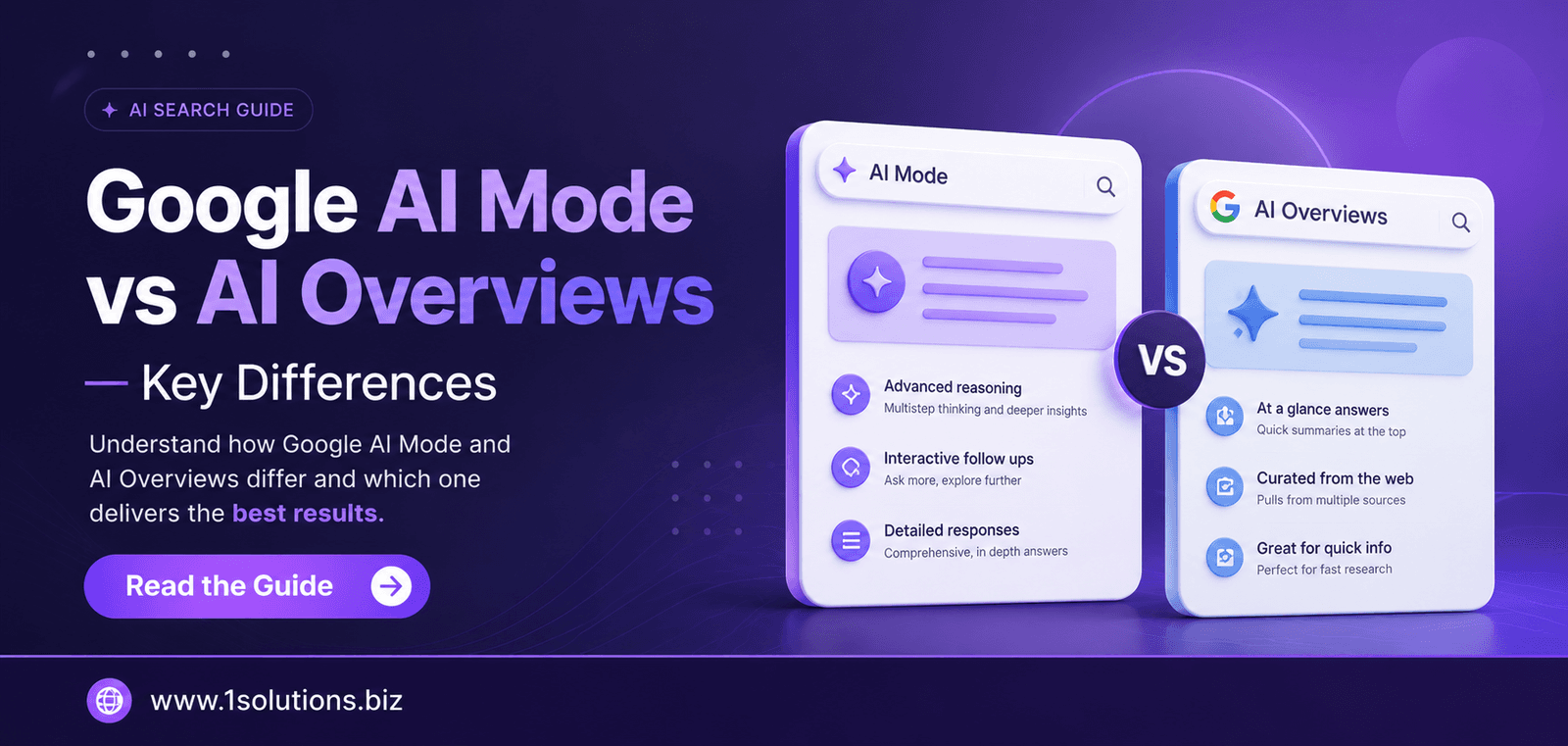
It is also worth checking whether the provider understands the current search landscape. Google’s algorithm is evolving rapidly, with AI-driven changes reshaping how content is discovered and ranked. Understanding how tools like Google’s AI Overviews differ from AI Mode matters for an SEO strategy built for 2025 and beyond.
Step 6: Consider Your Website Platform and Its SEO Implications
Your CMS or ecommerce platform directly affects how SEO work is executed and what is possible within a given package. A WordPress site has different technical requirements and opportunities than a Shopify store or a custom-built platform.
For example, if you are running an ecommerce operation and deciding between platforms, understanding the SEO trade-offs is critical. The comparison of WooCommerce vs Shopify covers this in detail and can help you understand which environment gives your SEO package the best foundation to work from.
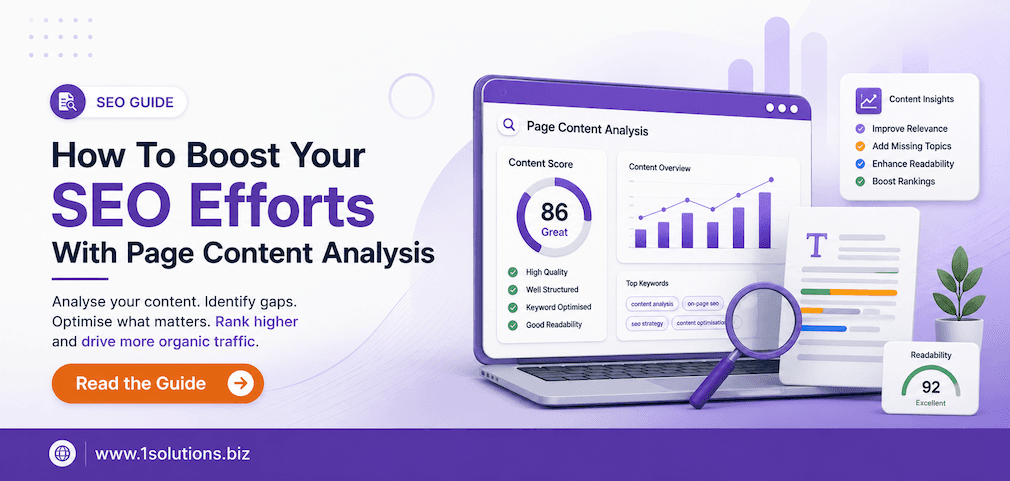
Similarly, if your site has content or structural gaps, a package that includes page content analysis and optimization will deliver more leverage than one focused purely on link acquisition. Learn how a methodical page content analysis process can identify quick wins that faster-moving SEO tactics often miss.
Step 7: Assess the Role of Link Building in Your Package
Link building remains one of the highest-impact SEO activities, but it is also one of the most misunderstood and most easily abused. According to Moz (2023), links continue to be among the top three ranking factors in Google’s algorithm.
When evaluating a package’s link building component, look for:
- Transparency about the types of links being built (editorial, guest post, niche directory, etc.)
- A focus on relevance, not just domain authority scores
- A clear process for outreach rather than bulk submission to link networks
- Avoidance of practices that could trigger a Google penalty
If you want to understand what ethical, effective link building looks like in practice, the detailed guide on building links safely without triggering penalties is worth reviewing before you evaluate any provider’s link strategy. And if a past SEO effort has left you with a toxic backlink profile, that issue needs to be resolved before a new package can be effective.
💡 Warning: Packages that promise a specific number of links per month without explaining quality criteria are a red flag. Twenty low-quality links can do more harm than zero links. Always prioritize quality and relevance over volume.
Step 8: Look for Packages That Evolve with Algorithm Changes
SEO is not static. Google releases hundreds of updates per year, with major core updates occurring several times annually. A package that was well-designed in 2022 may be misaligned with current best practices. When evaluating providers, ask specifically how they adapt their strategies when significant algorithm changes occur.
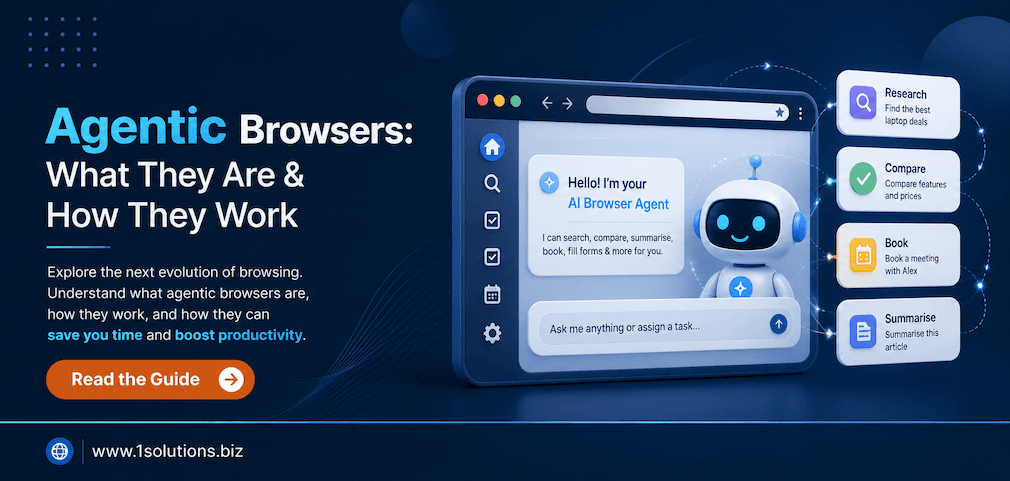
The SEO landscape is also being shaped by the rise of AI-driven search features and agentic browsing. Understanding what Answer Engine Optimization means for local businesses is increasingly relevant, as is understanding how visibility in AI search engines differs from traditional ranking. A good SEO provider builds packages that account for where search is going, not just where it has been.
Step 9: Decide Between a Packaged Plan and a Custom Engagement
Pre-built packages offer predictability. You know the price, the deliverables, and the timeline. Custom engagements offer flexibility but require more trust in the provider and more internal clarity about your goals.
For most small and mid-sized businesses, a well-designed packaged plan is the right starting point. It removes decision fatigue, sets clear expectations, and gives you a structured baseline to measure against. Custom engagements make more sense when:
- Your business is in a highly competitive niche with specific technical requirements.
- You have already run SEO campaigns and have performance data to guide a more targeted strategy.
- You need to combine SEO with broader digital marketing services like paid search, social, and content in a unified strategy.
If you are not yet sure where you fall on this spectrum, a free trial period is a low-risk way to evaluate a provider’s work quality and communication before making a longer commitment.
Practical Action: What to Do Based on Where You Are Now
- Do This Now: Run a basic audit of your site using Google Search Console. Identify any indexation issues, manual actions, or significant traffic drops. These must be addressed before any package can deliver results. If you are a small business just starting out, explore entry-level options designed specifically for smaller budgets and local reach.
- Worth Doing: Request proposals from two or three providers using the question framework in Step 5. Compare them on deliverable specificity, reporting transparency, and how well they listen to your actual goals rather than pitching a generic solution.
- Low Priority: Comparing keyword ranking tools, debating platform choices, or reading about advanced SEO tactics before you have a package in place. Strategy refinement happens after execution begins. Over-researching before committing is a form of delay that costs you ranking time.
Conclusion: Choosing the Right SEO Package for Your Business Goals Comes Down to Fit
The right SEO package for your business goals is not the most expensive one, the most popular one, or the one with the longest deliverable list. It is the one that matches your current position, your specific goal, your platform, and your realistic budget with a provider who executes transparently and adapts over time.
Take the steps in this guide sequentially. Audit first. Define your goal second. Then evaluate packages against that goal, not against each other. Ask hard questions, request documentation, and choose a provider whose process you understand rather than one whose pitch you simply liked.
SEO done right is one of the highest-ROI activities available to any business. Done wrong or with the wrong package, it drains budget and produces nothing measurable. The difference is almost always in how carefully the selection decision was made at the start.
Frequently Asked Questions
How long does it take to see results from an SEO package?
Most businesses begin to see measurable organic traffic improvements between four and six months after a package begins, with more significant results emerging at the nine to twelve month mark. Timelines vary based on competition level, domain authority, and how much technical work was needed upfront.
Is a cheaper SEO package ever worth it?
Yes, in specific circumstances. If your site has strong technical foundations and good content, a lighter package focused on link building or local optimization can produce results efficiently. The problem is when cheap packages are used as a replacement for foundational work that has not been done yet.
What is the difference between local SEO and general SEO packages?
Local SEO packages prioritize ranking in geographically relevant searches, Google Maps results, and local directories. They include Google Business Profile optimization and local citation building, which general packages may not. If your customers are primarily local, a local-focused package will deliver faster and more relevant results.
Should I choose a package or a custom SEO engagement?
Packages work well for most small and mid-sized businesses because they provide structured deliverables and predictable costs. Custom engagements are better suited for businesses with complex needs, significant existing SEO data, or requirements that span multiple digital channels simultaneously.
What questions should I always ask an SEO provider before buying a package?
Ask for a line-item deliverable list, sample monthly reports, case studies from comparable clients, a description of their link building process, and their protocol for responding to algorithm changes. Any provider who cannot answer these questions clearly is not ready to manage your SEO investment responsibly.