
If you have been sitting on the fence about committing budget to search engine optimization, you are not alone. Many business owners understand that SEO matters, but struggle to justify the spend when results take time to appear. Understanding why you should invest in SEO goes beyond chasing rankings. It is about building a sustainable channel that works for you around the clock, attracts qualified buyers, and compounds in value over time. This article breaks down 10 concrete, honest reasons why SEO deserves a permanent place in your growth strategy, along with the trade-offs you should know before diving in.
SEO is one of the highest-ROI marketing channels available, driving compounding organic traffic, qualified leads, and brand authority over time. While it requires patience and consistent effort, the long-term benefits far outweigh the upfront investment. This article covers 10 data-backed reasons every business should prioritize SEO.
⚡ Key Takeaways
- Organic search drives more than half of all website traffic globally, making SEO the single largest traffic channel available.
- SEO builds trust signals that paid ads simply cannot replicate, including backlinks, reviews, and content authority.
- The ROI of SEO compounds over time: pages you optimize today can generate traffic for years without additional spend.
- Local SEO is a high-converting channel for businesses that serve a specific geographic area or community.
- SEO and content work together. Weak content means weak rankings, so both deserve investment simultaneously.
- AI-driven search changes are reshaping SEO, but the fundamentals of relevance, authority, and helpfulness remain constant.
- Starting with a structured plan, even a small one, beats waiting for the “perfect” time to begin.
A Quick Look at SEO vs. Other Marketing Channels
Before we get into the 10 reasons, it helps to see how SEO stacks up against common alternatives at a glance.
| Channel | Average Time to See Results | Cost Over Time | Traffic When You Stop Paying | Trust Factor |
|---|---|---|---|---|
| SEO | 3 to 6 months | Decreases as authority builds | Traffic continues | High |
| Google Ads (PPC) | Immediate | Increases as competition rises | Traffic stops instantly | Moderate |
| Social Media Ads | Immediate | Ongoing spend required | Traffic stops instantly | Low to Moderate |
| Email Marketing | Immediate to short-term | Low, but list-building takes time | Depends on list health | High (permission-based) |
| Content Marketing + SEO | 3 to 12 months | Front-loaded, then reduces | Traffic continues and grows | Very High |
10 Reasons Why You Should Invest in SEO for Your Business
1. Organic Search Is Still the Dominant Traffic Source
Despite the rise of social media, video platforms, and paid advertising, organic search remains the largest single source of website traffic for most businesses. According to BrightEdge (2023), organic search drives 53% of all website traffic across industries, dwarfing every other channel. That number alone makes a compelling case for why SEO deserves serious budget allocation.
When someone types a query into Google and clicks your listing, the intent behind that click is far more deliberate than a casual scroll through a social feed. They are actively looking for something, which means the conversion potential is substantially higher. You are meeting the customer at the exact moment they need you, not interrupting them with an ad they did not ask for.
The trade-off here is timing. SEO does not deliver traffic overnight. It typically takes three to six months before meaningful results appear, sometimes longer in competitive niches. But once you have earned those rankings, the traffic flowing in does not switch off the moment you pause your spend. That persistence is what makes organic search uniquely valuable as a long-term business asset. If you are serious about capturing this channel, working with a dedicated search engine optimization partner gives you a structured path to getting there faster and more reliably.
2. SEO Delivers a Superior Long-Term Return on Investment
Paid advertising produces fast results, but it functions like a tap. The moment you stop paying, the flow stops. SEO works more like a well. You invest effort and resources upfront to dig it, and once it is producing, it keeps giving with far less ongoing input. According to a study by Terakeet (2023), SEO delivers a cost-per-acquisition that is 87% lower than paid search over a three-year period. That gap widens the longer you maintain your optimization efforts.
The compounding nature of SEO is what makes it so financially attractive. A blog post you optimize today can rank for a target keyword and generate consistent traffic for three, five, or even ten years, depending on the topic. Each new piece of quality content adds to your authority, which in turn lifts other pages. Over time, your entire site benefits from the reputation you have built.
It is worth being honest about the upfront cost, though. You will not see immediate revenue from SEO. The investment phase requires patience and trust in the process. Businesses that abandon SEO after three months rarely see the return, because they exit just before the compounding begins. Those that commit for 12 to 18 months consistently report it becoming their most cost-efficient acquisition channel. For smaller operations, exploring tailored SEO solutions for small businesses can help you start lean and scale intelligently.
3. It Builds Genuine Credibility and Brand Trust
Ranking on the first page of Google is an implicit endorsement. Users trust Google’s algorithm to surface the most relevant and authoritative results. When your business appears in the top positions for a competitive query, it signals to searchers that you are a credible, established player in your space. That perception is extremely difficult to buy and almost impossible to fake at scale.
Trust is built through several SEO-linked signals: the quality and depth of your content, the number and authority of websites linking to you, your site’s technical health, and even your reviews and reputation signals. Each of these is a meaningful indicator that your business delivers genuine value. According to Edelman’s Trust Barometer (2023), 81% of consumers say they need to trust a brand before they will buy from it. SEO helps you earn that trust before a prospect ever lands on your site.
For local businesses, this trust factor is especially important. Appearing prominently in local search results, maintaining a healthy Google Business Profile, and earning positive reviews all feed into the same credibility ecosystem. Reading about common Google My Business mistakes that hurt local visibility can help you avoid the pitfalls that quietly erode that trust over time.
💡 Pro Tip: Your Google Business Profile is a ranking factor for local SEO. Treat it like a second homepage: keep it updated, respond to reviews, and post regularly to signal activity to the algorithm.
4. SEO Targets Users With High Purchase Intent
Not all website traffic is created equal. A visitor who arrives on your page after searching “best HVAC repair service near me” is significantly more likely to convert than someone who stumbled across your page from a generic display ad. This is the power of intent-based marketing, and it is one of the most compelling reasons why you should invest in SEO rather than relying entirely on interruption-based channels.
Keyword research allows you to identify exactly what your potential customers are searching for at each stage of the buying journey: awareness, consideration, and decision. By creating content that matches these search intents, you attract visitors who are already partway through the buying process. They arrive pre-educated, pre-interested, and far more open to converting.
The specificity of long-tail keywords makes this even more powerful. Someone searching “compare WooCommerce and Shopify for small ecommerce stores” is almost certainly evaluating platforms to make a purchase decision. A resource like this WooCommerce vs Shopify comparison guide directly serves that intent, building trust while guiding the user toward action. When your SEO strategy is built around intent, every piece of content you create has a clear commercial purpose.
5. It Supports Every Other Marketing Channel You Use
SEO does not exist in isolation. A strong SEO foundation actively makes every other marketing channel more effective. When you run a paid search campaign, your Quality Score improves if your landing page is optimized. When you share content on social media, posts from a site with strong domain authority tend to generate more engagement. When you send an email campaign, linking to well-optimized resource pages builds more trust than sending people to a thin, poorly structured page.
Content created for SEO purposes can also be repurposed across channels. A long-form blog post can become a series of social media posts, a video script, an email newsletter, and a lead magnet. This multiplier effect means your SEO investment does not just pay dividends in organic traffic; it fuels the rest of your marketing engine as well.
Understanding how to squeeze maximum value from your content is a skill in itself. Resources like this guide on boosting SEO efforts through page content analysis can help you identify underperforming content and turn it into a genuine asset. The synergy between SEO, content, social, and paid advertising is one of the most overlooked advantages of building a proper organic foundation.
6. Local SEO Drives Foot Traffic and Calls, Not Just Clicks
For businesses that serve customers within a specific area, local SEO is arguably the highest-converting marketing activity available. According to Google (2023), 76% of people who search for something nearby on a smartphone visit a related business within 24 hours, and 28% of those searches result in a purchase. Those are extraordinary conversion rates that most paid channels cannot match.
Local SEO involves optimizing your website and online presence to appear in geographically relevant searches. This includes building consistent local citations, earning location-specific reviews, optimizing your Google Business Profile, and creating locally relevant content. The results show up in the Google Map Pack, a highly visible cluster of three local listings that appears above the standard organic results for many local queries.
For businesses in service industries, this channel can be transformational. Reviewing local AEO best practices for small businesses is a practical next step for any company that relies on nearby customers. And if you are ready to get started with a structured approach, exploring available local SEO packages can help you move quickly without reinventing the wheel.
💡 Pro Tip: Consistency is king in local SEO. Your business name, address, and phone number must be identical across every directory, social profile, and website listing. Even minor discrepancies can confuse search engines and suppress your local rankings.
7. SEO Provides Measurable, Actionable Data
One of the strongest arguments for SEO investment is the richness of the data it generates. Unlike a billboard or a radio spot, every aspect of your SEO performance can be tracked, measured, and analyzed. You can see exactly which keywords are driving traffic, which pages are converting visitors into leads, how long users are spending on your content, and where they are dropping off in the funnel.
Tools like Google Search Console and Google Analytics give you detailed visibility into your organic performance at no cost. This data is not just useful for SEO: it reveals what your audience genuinely cares about, which products or services attract the most interest, and what questions they are asking before they buy. That intelligence has value across your entire business strategy.
The measurability of SEO also means you can course-correct quickly. If a page is ranking on page two but not converting, you can analyze the content, improve it, and monitor whether rankings and conversions improve. This iterative approach is far more efficient than spending money on campaigns that give you limited feedback. Understanding why Google might not be indexing certain pages is one example of the diagnostic work that keeps your SEO data clean and your strategy on track.
8. SEO Helps Future-Proof Your Business Against Algorithm and AI Changes
Search is evolving rapidly. AI-generated answers, voice search, and new search interfaces are reshaping how users find information. Some business owners use this as a reason to delay SEO investment, arguing that the rules keep changing. In reality, the opposite is true: businesses with a strong SEO foundation are far better positioned to adapt to these changes than those starting from scratch.
Google’s core ranking principles, relevance, authority, and helpfulness, have remained consistent even as its technology evolves. Sites with deep topical expertise, strong backlink profiles, and technically sound architectures consistently outperform competitors regardless of which algorithm update rolls out. The companies that suffer most from major updates are typically those that relied on shortcuts rather than substance.
Staying informed about developments like Google AI Mode vs AI Overviews and understanding how to improve visibility in AI-driven search engines are now part of modern SEO practice. Businesses that invest in understanding these shifts maintain a competitive edge, while those who ignore them risk losing rankings they have worked years to earn.
9. Strong Backlink Profiles Build Authority That Compounds Over Years
Backlinks remain one of Google’s most important ranking factors. When authoritative websites link to your content, they pass trust and authority to your domain. This accumulated authority makes it progressively easier to rank for new keywords and content over time. According to Ahrefs (2022), 96.55% of all pages get zero organic traffic from Google, and a significant contributing factor is the absence of quality backlinks.
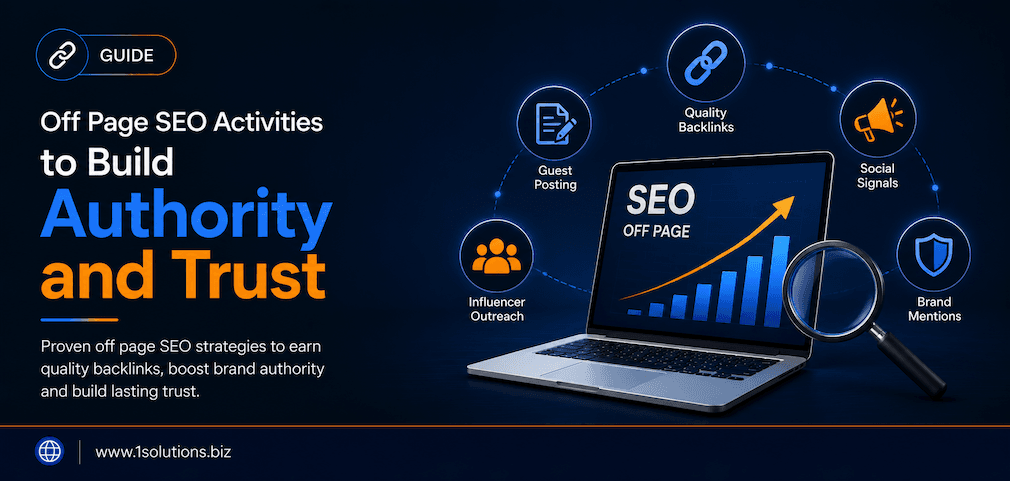
Building a strong backlink profile is a long game. It requires creating content worth linking to, building relationships with other publishers, earning placements through guest posting, and occasionally conducting outreach to promote your best resources. Each quality link you earn is a vote of confidence that search engines factor into every ranking decision you are involved in.
The value here is genuinely compounding. A link earned today continues to pass authority for years. Practical guides like this one on building backlinks in competitive and low-competition niches offer proven frameworks for earning links systematically. Pairing this with a reliable link building strategy ensures you are building authority safely and sustainably rather than risking penalties from low-quality tactics.
💡 Warning: Not all links are created equal. A handful of links from highly relevant, authoritative domains will outperform hundreds of links from low-quality directories. Prioritize quality over quantity, and always build links in a way that follows Google’s guidelines to avoid penalties.
10. SEO Scales With Your Business Without Proportional Cost Increases
One of the most underappreciated qualities of SEO is its scalability. With paid advertising, reaching twice as many people typically costs twice as much. SEO does not work that way. Once you have built domain authority and a library of optimized content, adding new pages and targeting new keywords becomes progressively cheaper and faster because you are building on an existing foundation rather than starting from zero each time.
A business with strong domain authority can publish a new piece of content and see it rank within days or weeks rather than months. That acceleration means the marginal cost of acquiring new organic traffic decreases as your SEO investment matures. This scalability is particularly valuable for ecommerce businesses with large product catalogs, where optimizing at scale can deliver massive traffic gains without proportional budget increases. Exploring dedicated ecommerce SEO packages is a practical way to approach this kind of structured, scalable growth.
The scalability also applies to content strategy. As search evolves and new queries emerge in your industry, an established site with existing authority can move quickly to target those queries. Keeping pace with emerging topics, such as understanding what Agentic SEO means for modern businesses, allows mature SEO programs to stay ahead of the curve rather than playing catch-up. The compounding, scalable nature of SEO is ultimately the most powerful reason to start investing in it now rather than later.
Practical Action: Where to Start With Your SEO Investment
Knowing why SEO matters is only useful if you translate it into action. Here is a prioritized framework for getting started efficiently.
- Do This Now: Conduct a technical SEO audit of your current website to identify indexing issues, slow page speeds, broken links, and missing metadata. Fix these foundational problems before building anything on top of them. Even a basic audit can reveal quick wins that improve rankings within weeks.
- Do This Now: Claim and optimize your Google Business Profile if you serve local customers. This is one of the fastest ways to improve local visibility and costs nothing but time.
- Worth Doing: Develop a content calendar based on keyword research aligned with your buyer’s journey. Prioritize topics that address real purchase decisions and frequently asked questions in your industry. Consistently publishing quality content builds topical authority over time.
- Worth Doing: Begin a structured link building outreach program, focusing on guest posts, resource page placements, and digital PR. Even two to four quality links per month will accumulate meaningful authority within 12 months.
- Low Priority (for now): Advanced technical optimizations like schema markup, Core Web Vitals refinements beyond basic thresholds, and international SEO structures are worth addressing eventually, but they should come after your foundational work is solid and your content library is growing.
Why You Should Invest in SEO: The Honest Summary
SEO is not a magic button, and anyone promising overnight results is selling something you do not want to buy. It requires consistent effort, patience, and a willingness to invest before you see the full return. But the businesses that commit to it, do it properly, and stay the course consistently report it becoming their most valuable and cost-efficient marketing channel over time.
The 10 reasons outlined above are not theoretical. They are grounded in real data, real business outcomes, and the compounding logic of building an asset rather than renting one. If you want traffic that does not disappear when your budget dries up, trust that no ad impression can manufacture, and a scalable growth engine that becomes more powerful with time, then understanding why you should invest in SEO is just the beginning. Acting on it is what separates growing businesses from stagnant ones.
If you are ready to take a structured approach, exploring professional digital marketing services can give you the strategic foundation and execution support to make your SEO investment work efficiently from day one.
Frequently Asked Questions
How long does it take to see results from SEO?
Most businesses begin to see measurable improvements in organic traffic and rankings within three to six months of consistent SEO work. Highly competitive industries or new websites may take nine to twelve months before significant gains appear. The key variable is the consistency and quality of effort applied during that period.
Is SEO worth it for small businesses with limited budgets?
Yes, especially for local businesses. Local SEO in particular delivers strong returns at relatively modest investment levels. Focusing on a Google Business Profile, local citations, and a small number of well-optimized service pages can generate meaningful visibility without requiring a large monthly budget. Starting small and reinvesting as results grow is a practical approach.
How is SEO different from paid search advertising?
Paid search delivers immediate traffic but stops the moment you stop paying. SEO builds organic rankings that persist over time without ongoing per-click costs. The two channels are complementary: paid search can cover you while SEO builds, and SEO can sustain you if your paid budget is reduced. Most mature digital marketing strategies use both in combination.
Does SEO still matter with the rise of AI search?
Yes. While AI-driven search features are changing how results are presented, the underlying signals Google uses to determine authority and relevance remain consistent. Businesses with strong SEO foundations are better positioned to appear in AI-generated answers because those answers are drawn from authoritative, well-structured content. Adapting to AI search is an extension of good SEO practice, not a replacement for it.
What is the biggest mistake businesses make with SEO?
The most common and costly mistake is expecting fast results and abandoning the strategy before the compounding effects kick in. The second most common mistake is treating SEO as a one-time project rather than an ongoing practice. Search is a competitive, dynamic environment. Businesses that maintain consistent optimization, content creation, and link building over time are the ones that dominate their categories.