

About Magento eCommerce
n nnMagento is one of the leading eCommerce development solution, used by over 250,000 merchants across the world. It’s estimated that Magento software is used on more than 30 percent of all e-commerce sites online.nnMagento created by Varien emerges as one of the fast and most popular eCommerce scripts, an open source CMS that uses MySQL and Zend PHP databases. It also offers complete control over the appearance and functionality of your eCommerce portal.nnMagento is one of the most popular choices of open-source e-commerce solutions to explore and flourish for any of the businesses in the world. Its feature-rich platform gives unprecedented power to its owners to control the look, content as well as functionality of the eCommerce site they own.nnMagento is much more than just a platform or product. With this powerful CMS, you will be able to log in to an administration interface and manage your site like a professional Integrated statistical analysis to build strategies regarding the merchandise you sell as well as develop search engine optimization tactics to improve your success.nnIt facilitates powerful marketing as well as catalog management tools so that online merchants have the extraordinary power to make or edit sites that best suit their business needs that are unique from one another.nnMoreover, developers can implement the core files and allow users to integrate several different domains into one control panel and while managing multiple stores at a time from a single admin panel.nnMagento website designers offer Magento web design, which is dynamic, database-driven sites managed by the most popular Content Management System on the market.nnRead More: How to Open a Store on Amazon and Start Sellingn
Why Choose Magento?
n nnThe world’s top brands love Magento for its flexibility because today’s consumers and their buying patterns are changing by the minute.nnScalabilitynn
 nnMagento is suitable for small e-commerce companies serving just one town or a state as well as MNCs, Magento can scale to accommodate. Considering the future progress and growth of the business in mind, Magento is built to scale from 1 to a million users.nnSEO friendlynn
 nnIt comes preloaded with SEO-friendly features such as search engine-friendly URLs, sitemaps, URL rewrites, Meta tags, and many more. We also know the trouble involved in optimizing each page on the site for SEO. This can easily move on for large into hundreds or thousands of pages.nnThus, ‘Magento SEO’ is the solution for multiple issues by facilitating better optimization of an e-commerce sites.nnEasy Third Party Integrationnn
 nnEvery Business owner seeks uniqueness which derives from customization. Magento’s extensible API allows you to connect easily to any kind of app or plug-in you want.nnWith other e-commerce platforms, Integration with several third parties like Payment gateways, Merchant APIs, logistics & Shipping APIs, etc is seamless so that your business can have leverage and easy implementation.nnFlexibilitynn
 nnMagento is the most flexible and customizable eCommerce platform by keeping your costs down and simultaneously offering the flexibility of switching hosting services while running into problems with your existing one.nnMagento Developers can customize and extend your platform to create unique, differentiated branded experiences by adapting fast and ahead of changing customer buying patterns.nnMultiple Store Managementnn
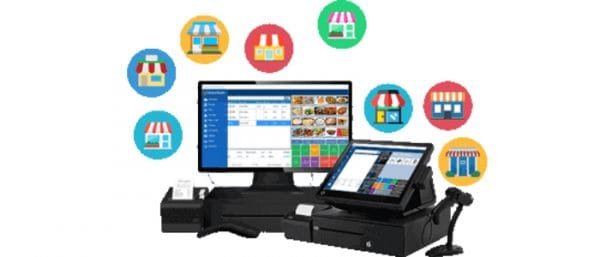 nnThe capability of running multiple websites or stores on the same common backend system with its unique product catalogs an easy and stress-free process makes Magento is superior to other existing platforms. You can even control multiplenndomains for each site simultaneously through a single unified admin panel using Magento.nnMobile Friendlynn
 nnIn the mobile era, Magento, eCommerce software has great capability to create mobile-friendly, responsive eCommerce website design. Magento provides audio-visual as well as drag and drop capabilities, and gesture-based controls with an image scaling option for varying screen sizes to mobile sites.nnThus, now the mobile optimized site has become more pressing than earlier.nnHuge community support:nn
 nnMagento has lots of community support in the world, which is completely one of the largest open source and most active developer communities for e-commerce platforms on the internet.nnDevelopers Friendlynn
 nnMagento is the free and easily available troubleshooting that comes up with ready to use modules and plug in like inventory management, customer segmentation, chart, dashboard, advance supplier and shipping options and lot more.nnThus, with the constantly updating web world, magento makes easier to update content, add pages to the website and link pages to the sub or main navigation.nnSecurenn
 nnPresently when hacking being done throughout the world, security is at the top of every store owner’s list. Fortunately, Magento is equipped to meet PCI (Peripheral Component Interconnect) Compliance standards to keep your customers’ data safe.nnMagento- FAQsnnIs Magento Safe to Use?nn
 nnMagento is a product of eBay’s Enterprise department, so there’s a trusted name and a competent team behind the service. You can expect updates that help to create better features, squash bugs and improve security, which is good news for your customs who want to be able to trust your brand.nnDoes Magento Require a Special Host?nn
 nnWhile you can install Magento on any host, larger stores require more resources and a staff that’s well versed in the software. At 1solutions, we offer everything you need to start and grow your site with Magento without lag or downtime and with plenty of answers to your questions.nnRead More: 5 Useful Magento Extensions For Your eCommerce StorennDoes Magento Marketplace support encrypted extensions?nn
 nnYes. Providers must first submit a non-encrypted version of the extension for Technical Review. If the extension passes Technical Review, the provider can choose to list and sell an encrypted version of the extension. The extension can include notation to indicate that it contains encrypted code.nnHow is revenue payments to developers processed for the sale of extensions or services?nn
 nnMagento pays 70% of the revenue, minus any amount that is required to be withheld by the U.S. government Internal Revenue Service (IRS). Payment terms and processing fees are clearly stated and agreed upon at the time the extension and/or service is submitted to Magento Marketplace.nnIs there a fee to list an extension on Magento Marketplace?nn
 nnNo. There is no fee to submit or list products or services on Magento Marketplace.nnCan providers define their own pricing structure for subscriptions and renewals?nn
 nnMagento Marketplace does not currently offer a choice of pricing for separate service packages. Providers can set pricing for an extension or extension/service bundle within the single available pricing structure.nnWe are working on new pricing options for the future, to give providers the flexibility of custom pricing for subscriptions and renewals, as well as tiered pricingnnAlso Read: How to Choose The Perfect Magento Development Company?nnHow can I migrate my M1 extension(s) from Connect to Marketplace?nn
 nnTo migrate your M1 extensions and submit them for review, see: Migrating Magento 1. x Extensions.nnYour extension will be submitted for Business, Technical, and Marketing Review. At the end of the review process, the Marketplace team will determine if your extension is ready to go live in Magento Marketplace.nnWill Magento Marketplace include all Magento 1.x and 2.x extensions?nn
 nnBecause Magento Marketplace is a curate extension store, not all extensions that are currently on Connect, nor all of those submitted, receive a Marketplace listing. Only those extensions that pass business, technical, and marketing reviews are released to Marketplace.nnMagento 1.x extensions are currently available on Magento Marketplace.nnHow do I choose a Magento eCommerce partner?nn
 nnCooperation between the client and the development team can make or break a Magento eCommerce implementation project. Engaging with the right partner can mean the difference between success and disaster.nnThis will not only save you time and money, but in the end you will have the online store you dreamed of having.nnWhat steps can I take to make sure my Magento eCommerce site is secure?nn
 nnWith large-scale hacking incidents in the news and the risk of having your identity stolen seemingly around every corner of the internet, security is at the top of every store owner’s list. Luckily, Magento is equipped to meet PCI Compliance standards to keep your customers’ data safe.nnHow can I improve the product search function on my Magento eCommerce site?nn
 nnWhat could be more frustrating as a customer than wanting to purchase something but being unable to find it? If your search functions leave something to be desired, you are missing out on valuable conversions.nnIt can be tempting to install third-party search functions, but, if you know how to leverage them correctly, Magento’s search tools can be incredibly helpful for your customers.nnAlso Read: Things to Consider Before Hiring A Shopify Development CompanynnHow can my Magento eCommerce site keep up with the growing popularity of mobile activity?nn
 nnMobile, responsive design and device-agnostic applications have been the catalysts of a great deal of change over the past few years. With Magento’s latest version including a responsive template, it does an excellent job meeting the needs of a mobile world, whether for a B2B or B2C business.nnMagento Vs Opencart Vs Prestashop Vs Woocommercenn
 nnThere are several free open source PHP- MySql-based shopping carts (e-Commerce systems) so if someone wants a webshop then he has the freedom to choose between many options.nnMagento is the most popular open-source CMS, most likely due to its huge feature set and the extent to which it can be customized. PrestaCart is considered the most popular, after OpenCart and WooCommerce, and last is VirtueMart.nnThe most common are OpenCart, PrestaShop, Magento, and woocommerce and I wanted to figure it out which one of these is the best to use, obviously the decision will be yours for your online store.nnOpenCartnn
 nnAmong all OpenCart is the easiest webshop to set up. It also gets simply installed to set up your templates, and add products and you’re ready to start accepting orders.nnThough It doesn’t have the flexibility feature like Magento (possibly a good thing), it does have a large library of plugins and themes also, enough to start to rival that of Magento. Apparently, it continuously gaining popularity and consistently emerging as an optimal pick for small businesses.nnThe big disadvantage is you cannot add new custom information pages so easily whenever you want a contact form for example. It also lacks page management functions like CMS.nnPrestaShopnn
 nnPrestaShop is the second most popular, it uses the SMARTY templating system, which makes sense for developers who don’t know or follow the well-accepted and simple model-view-controller (MVC) application structure.nnSince all five of the subject carts are built on top of the PHP language, which itself is a templating language, it doesn’t make sense to use a second templating language on top of a pre-existing templating language, unless you are using SMARTY for the way it separates template files from the rest of the application.nnMagentonn
 nnMagento is supremely suited for companies that need a professional online shop presence. It is significantly an intelligent and smart platform for designing online stores with powerful functionality. Magento is an open-source eCommerce platform similar to Prestashop. The administration interface features powerful marketing, search engine optimization, and catalog-management tools to give merchants the power to create sites that are personalized to their distinctive business needs.nnThe best suggestion is to test its free edition to get familiar with the basics. Magento provides its users with all kinds of modules, features, and extensions with expert technical support which has also gained much praise.nnMagento is best for big businesses or those looking to grow their business quickly with proper eCommerce store marketing.nnWoocommercenn
 nnWooCommerce is very easy to use because the users are already knowledgeable about the WordPress ecosystem that it is a part of. It works very well with WordPress and offers a flawless interface to users who are already using that platform.nnThough basic themes and plug-ins might be free or inexpensive, the premium ones might cost very high.nnIt is not a standalone CMS but a solution that works within WordPress and cannot be used without it. It can be considered the best choice for serious content management and is highly recommendable for those companies who cannot afford Prestashop and Magento.nnFrom a technology point of view, WooCommerce is certainly the best fit for a small business with little to no IT staff who wants to sell a few thousand products.n
Hire Magento Developer
n nnAt 1Solutions, we can customize Magento extensions as per your requirements. Your existing sites developed on other platforms can also be converted to Magento without much effort. Upgradeable with extensions, Magento is next to any eCommerce application you need it to be for your customers.nnThus, Magento is an all-in-one solution for e-commerce, offering a ton of features with basically nothing missing from the platform. Magento is efficient to work with thousands of products, tons of traffic, and a large number of sales, thus, it is for the bigger e-commerce stores out there. It is actually friendly to work with on a daily basis.nnThat being said, it’s a fairly advanced piece of software engineering. It is difficult to use if you don’t have web development experience or don’t employ anyone who does.nnOur Magento Developers expertise in Magneto’s latest versions, fulfilling all needs of the businesses such as inventory management, promotions, shipping, merchandising and payments, etc. ensuring growth and expansion of the online store.nnThus, Magento offers a complete check over the appearance and functionality of your eCommerce portal. We certainly become the most favorite offshore platform to meet all requirements of Magento development projects.nnOur proficient team of e-Commerce developers is experienced in developing large e-Commerce portals with easy navigation and usable Product filters. In 2011, eBay Incorporation owned Magento completely for building powerful e-commerce websites.nnMagneto features international support offering online merchants through multilingual options and support for multiple currencies.

