
How to Sell More With Google Shopping Ads: 10 Proven Strategies
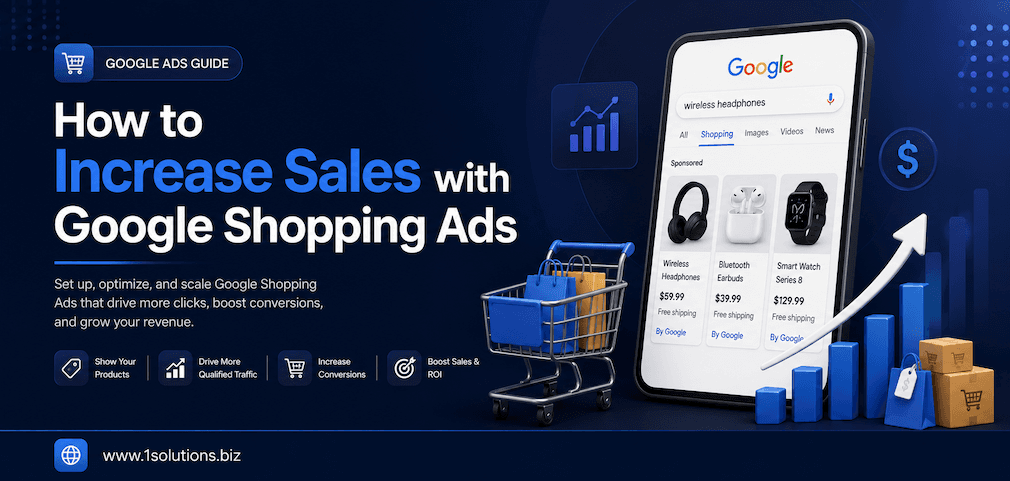
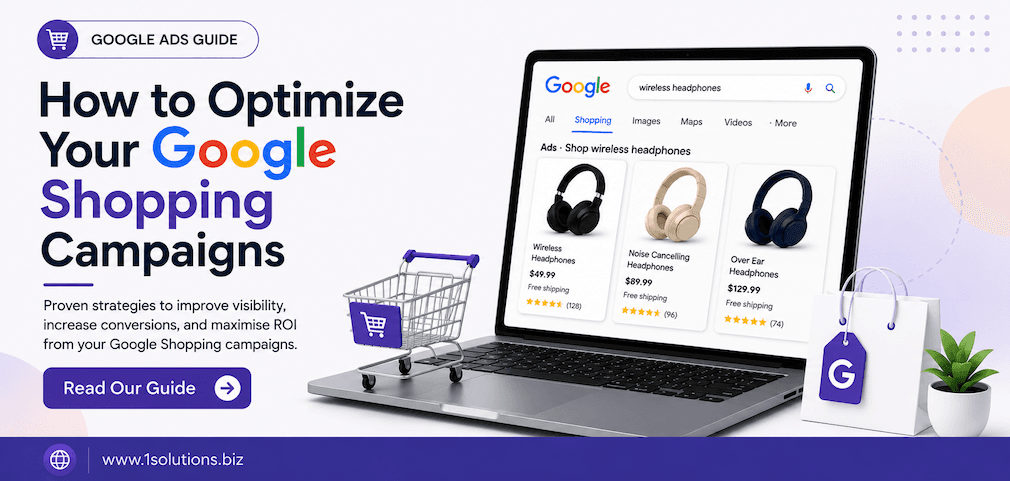
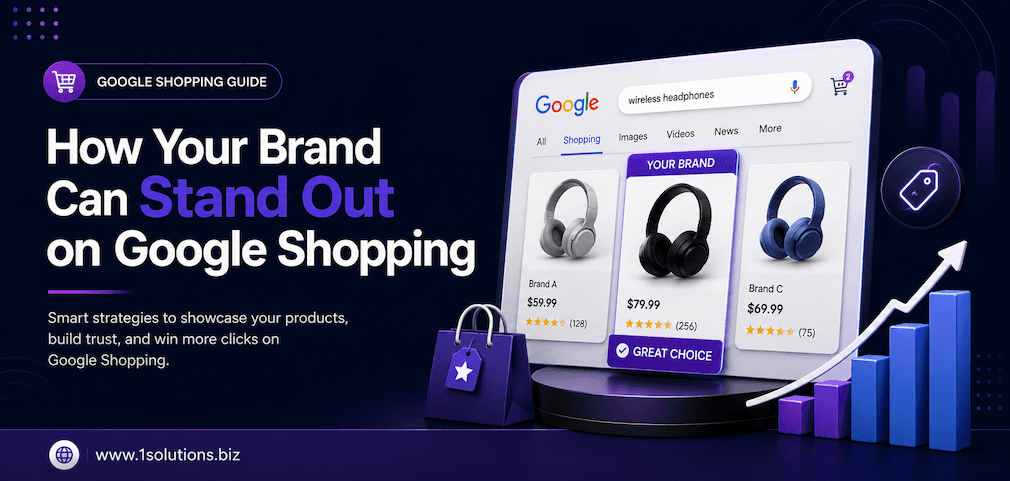
If you run an online store, Google Shopping Ads are one of the most powerful tools available to drive qualified traffic and increase revenue. Unlike text-based search ads, Shopping Ads display your product image, title, price, and store name directly in search results, giving shoppers exactly what they need to make a buying decision before they even click. That visual edge translates directly into better click-through rates and stronger purchase intent.
According to Statista (2023), Google holds over 91% of the global search engine market share, making it the single most important platform for product discovery. For e-commerce businesses of all sizes, showing up in Shopping results is no longer optional. It is a competitive necessity. But simply running ads is not enough. The difference between campaigns that break even and campaigns that generate real profit often comes down to strategy, structure, and optimization.
This guide walks you through 10 actionable strategies to help you get more out of every dollar you spend on Google Shopping Ads, from feed optimization to smart bidding and beyond.
10 Strategies to Sell More With Google Shopping Ads
1. Build a Clean, Optimized Product Feed
Your product feed is the foundation of every Google Shopping campaign. Google uses the data in your Merchant Center feed to match your products to relevant search queries, so if your feed is incomplete, inaccurate, or poorly structured, your ads will underperform no matter how much you spend on bids.
Start by ensuring every required attribute is filled in correctly: product title, description, price, availability, GTIN (Global Trade Item Number), brand, and product category. Do not leave optional fields empty either. Attributes like color, size, material, and age group help Google match your products to more specific and relevant searches.
Product titles deserve special attention. According to Google’s own guidance, product titles are one of the most significant factors in Shopping ad matching. Lead with the most important information, typically brand, product type, and key attributes. For example, instead of writing “Running Shoe Model X,” write “Nike Men’s Air Zoom Running Shoe, Size 10, Blue.” The more descriptive and keyword-rich your title, the more search queries your product can match.
Product descriptions should be written for both Google’s algorithm and human readers. Use relevant keywords naturally, describe the product’s key features and benefits, and avoid keyword stuffing. Regularly audit your feed for disapproved products, pricing mismatches, and missing data. A clean feed directly leads to better ad placement and lower cost-per-click.
2. Use High-Quality Product Images
Google Shopping Ads are visual by nature. Your product image is often the first thing a potential buyer sees, and it can make or break a click. Low-resolution, cluttered, or unappealing images will suppress your click-through rate even if your price is competitive.
Google requires images to be at least 100×100 pixels for non-apparel products and 250×250 pixels for apparel, but best practice is to use images of at least 800×800 pixels. Use a clean white or light background for the main product image, which aligns with Google’s guidelines and creates a professional, consistent appearance in Shopping results.
Show the product clearly, without excessive props or text overlays. For products where context matters, such as furniture or outdoor gear, lifestyle images can also be effective as supplemental images. Google allows multiple images per product listing, so take advantage of that to show different angles and use cases.
A/B testing different images is a practical way to identify which visual drives more engagement. Some advertisers have reported double-digit improvements in click-through rates simply by upgrading product photos. Image quality signals product quality to the buyer, and that perception directly influences conversion rates.
3. Segment Your Campaigns Strategically
One of the most common mistakes advertisers make with Google Shopping Ads is lumping all products into a single campaign with a single bid. This approach makes it nearly impossible to allocate budget efficiently because different products have different margins, competition levels, and conversion rates.
Segment your campaigns by product category, brand, best sellers, margin level, or performance tier. A common advanced structure involves three campaign tiers: a high-priority campaign for your top-selling or highest-margin products with competitive bids, a mid-priority campaign for the general catalog, and a low-priority campaign to catch broad traffic at lower bids.
Within each campaign, use ad groups to further break down products. This allows you to assign more relevant bids and apply more targeted negative keyword lists to each group. For example, if you sell both luxury and budget versions of the same product type, keeping them in separate ad groups prevents your budget from being wasted on mismatched queries.
Strategic segmentation also makes performance analysis easier. When you can see exactly which product groups are driving revenue and which are draining budget, you can make smarter decisions about where to scale and where to cut. If you also manage a WooCommerce store, refer to this WooCommerce store maintenance checklist to keep your product data accurate and feed-ready.
4. Master Negative Keywords
Unlike traditional search ads, Google Shopping Ads do not use keywords for targeting in the traditional sense. Instead, Google’s algorithm decides which searches trigger your ads based on your product feed data. However, negative keywords remain one of the most powerful levers you have for controlling where your ads appear and eliminating wasted spend.
Without negative keywords, your Shopping ads can appear for irrelevant searches, for example, a search for “free running shoes” triggering your premium sneaker ad, or “how to clean shoes” triggering your product listing. These clicks cost money and rarely convert.
Build your negative keyword list by regularly reviewing your Search Terms report in Google Ads. Look for queries that generated clicks but no conversions, queries that are clearly informational rather than transactional, and irrelevant brand names or product categories. Add these as negative keywords at the campaign or ad group level.
Negative keyword hygiene is not a one-time task. Schedule a weekly or bi-weekly review of your search terms data, especially after launching new products or during high-traffic seasonal periods. According to WordStream (2022), advertisers who actively manage negative keywords see up to 20% improvement in campaign efficiency, meaning more of their budget goes toward clicks that actually convert.
5. Leverage Smart Bidding Strategies
Manual bidding can give you precise control, but it requires constant monitoring and adjustment. Smart Bidding uses Google’s machine learning to optimize your bids in real time based on a wide range of signals, including device, time of day, user location, search query, and browsing history. For most advertisers, Smart Bidding outperforms manual bidding once the algorithm has enough conversion data to work with.
The most effective Smart Bidding strategies for Shopping campaigns include Target ROAS (Return on Ad Spend) and Maximize Conversion Value. Target ROAS is ideal if you have clear profitability targets. You set a desired return, and Google adjusts bids accordingly. Maximize Conversion Value is better for campaigns that are still building conversion history, as it focuses on driving the highest value purchases within your budget.
To get the most from Smart Bidding, your conversion tracking must be set up correctly and completely. Track not just purchases but also micro-conversions like add-to-cart events and checkout initiations. This gives the algorithm richer data to optimize toward.
Start Smart Bidding with a learning period of at least two to four weeks before evaluating performance. Avoid making major changes during this window, as disruptions reset the learning phase. Patience during the learning phase typically pays off with significantly better long-term results.
6. Optimize Your Landing Pages for Conversions
Getting the click is only half the battle. If the landing page a shopper arrives at after clicking your Shopping Ad is slow, confusing, or untrustworthy, they will leave without buying. Your product pages must be optimized for both user experience and conversion.
Speed is critical. According to Google (2023), 53% of mobile users abandon a site that takes longer than three seconds to load. Compress images, use a content delivery network, and minimize render-blocking scripts to keep load times fast. A fast page is not just a user experience improvement. It also reduces your effective cost per acquisition.
On the page itself, make sure the product shown in the ad matches exactly what the shopper sees. Any mismatch in price, color, or product variant creates friction and increases bounce rates. Display clear pricing, prominent add-to-cart buttons, trust signals such as reviews and security badges, and a straightforward checkout path.
Product descriptions on the landing page should expand on what is in the feed. Highlight key features, answer common questions, and address potential objections. Video demonstrations, size guides, and user-generated photos all contribute to higher conversion rates. Strong landing pages multiply the return on every dollar spent on Google Shopping Ads.
7. Take Advantage of Promotions and Price Competitiveness
Price is one of the most visible elements in a Shopping Ad. Shoppers can compare prices across multiple retailers without clicking a single ad. If your price is significantly higher than competitors for the same or a similar product, your click-through rate and conversion rate will suffer regardless of how well-optimized everything else is.
Use Google’s Merchant Center Promotions feature to display special offers, discount codes, and limited-time deals directly on your Shopping Ads. A “10% Off” or “Free Shipping” badge on your ad can dramatically increase click-through rates, particularly when competing against similarly priced alternatives. Google Merchant Center also shows a “Sale Price” annotation when you submit a discounted price alongside the original price, which adds visual urgency.
Regularly monitor competitor pricing using tools like Google’s Price Competitiveness report in Merchant Center. This report shows you how your prices compare to other advertisers for the same products, helping you identify where you may be losing clicks to cheaper alternatives.
Competitive pricing does not always mean being the cheapest. If you offer superior customer service, faster shipping, or a stronger return policy, make those advantages clear in your product feed descriptions and on your landing pages. Value beyond price can justify a premium and still convert well-informed shoppers.
8. Use Remarketing Lists for Shopping Ads (RLSA)
Remarketing Lists for Search Ads, applied to Shopping campaigns, allow you to adjust your bids or target your ads specifically to users who have previously visited your website or interacted with your products. This is one of the highest-return tactics available in Google Shopping because you are targeting people who already have demonstrated interest in what you sell.
Common RLSA strategies include bidding higher for cart abandoners, past purchasers who might buy again, or visitors who spent significant time on product pages without converting. These audiences are far more likely to convert than cold traffic, so investing more of your budget in reaching them makes strong financial sense.
You can create remarketing audiences directly in Google Ads and then apply them to your Shopping campaigns as bid adjustments or as targeting criteria. For example, you might increase bids by 30% for users who visited a product page in the last seven days, or create a separate campaign that only targets people who added items to their cart but did not check out.
According to Think with Google (2022), remarketing campaigns can drive conversion rates up to three times higher than campaigns targeting cold audiences. RLSA is particularly powerful during seasonal sales events when previous visitors are already primed to buy and may be actively comparing options.
9. Monitor Performance Data and Optimize Regularly
Google Shopping Ads require ongoing attention to perform at their best. Launching a campaign and walking away is a reliable path to wasted budget. Regular analysis of performance data allows you to identify what is working, what is not, and where your next optimization opportunity lies.
Key metrics to monitor include click-through rate (CTR), conversion rate, cost per conversion, return on ad spend (ROAS), and impression share. Low CTR often points to image or pricing issues. Low conversion rate points to landing page problems. Low impression share may indicate budget constraints or bid levels that are too low for competitive products.
Use Google Ads’ built-in reporting alongside Google Analytics 4 to get a complete picture of the customer journey from ad click to purchase. Segment your data by device, time of day, and product category to find granular insights that aggregate data might hide.
Set a regular optimization cadence. Weekly reviews work well for active campaigns, with deeper monthly audits to assess overall strategy. Consistent optimization compounds over time. Small weekly improvements in bid efficiency, feed quality, and landing page experience add up to significant performance gains over a quarter or a year. For broader SEO and content performance insights, see how page content analysis can boost your overall SEO efforts.
10. Expand With Performance Max Campaigns
Performance Max (PMax) is Google’s newest campaign type that replaces Smart Shopping and extends your reach across all of Google’s channels, including Search, Display, YouTube, Gmail, and Maps, from a single campaign. For advertisers who have already established a baseline of Shopping performance, PMax offers a powerful way to scale.
PMax campaigns are powered by Google’s AI and require strong creative assets including product images, headlines, descriptions, logos, and videos. The more high-quality assets you provide, the better Google’s algorithm can assemble combinations that resonate with different audiences across different placements.
One important consideration with PMax is that it gives Google significant control over targeting and budget allocation. This means your feed quality, conversion tracking accuracy, and asset quality all become even more important. Garbage in, garbage out applies here more than anywhere else in the Google Ads ecosystem.
Start with a well-defined audience signal to help the algorithm find the right buyers faster. Use your existing customer lists, website visitors, and high-converting audience segments as signals. Monitor asset group performance and replace underperforming creative regularly. If you are running an e-commerce business that is also exploring other fulfillment models, understanding how dropshipping works can help you diversify your product catalog and expand what you advertise through PMax campaigns. Combined with a well-optimized standard Shopping campaign structure, Performance Max can significantly increase your reach and revenue ceiling.
Conclusion
Google Shopping Ads represent one of the highest-intent advertising channels available to e-commerce businesses. When managed strategically, they connect your products with shoppers who are actively ready to buy, at the exact moment they are searching. The ten strategies covered in this guide, from feed optimization and image quality to smart bidding, RLSA, and Performance Max, give you a complete framework for turning your Shopping campaigns into a reliable, scalable revenue engine.
The key is to treat your campaigns as living systems that require consistent attention, testing, and refinement. No single tactic will transform your results overnight, but layering these strategies together and optimizing continuously will compound into meaningful sales growth over time. Start with your product feed, get your tracking right, and build from there. The results will follow.
Frequently Asked Questions
What is the difference between Google Shopping Ads and regular search ads?
Google Shopping Ads display your product image, title, price, and store name directly in search results, making them visual and product-specific. Regular search ads are text-based and appear based on keyword targeting. Shopping Ads are driven by your product feed data rather than manually selected keywords, which is why feed optimization is so important.
How much should I spend on Google Shopping Ads?
There is no universal answer, as the right budget depends on your product margins, competition level, and sales goals. A practical approach is to start with a modest daily budget, establish baseline performance data over two to four weeks, and then scale spend in line with profitable return on ad spend. Use Target ROAS bidding once you have enough conversion data to guide the algorithm.
Why are my Google Shopping Ads not getting impressions?
Low or zero impressions can result from several issues including Merchant Center feed disapprovals, billing problems, bids that are too low for the competition, a very narrow product catalog, or campaigns that are paused or limited by budget. Start by checking your Merchant Center for feed errors and your Google Ads dashboard for any policy or billing alerts. Also review your indexing and visibility issues to ensure your product pages are accessible to Google.
Do I need a website to run Google Shopping Ads?
Yes. Google Shopping Ads require a working e-commerce website where customers can complete a purchase. You also need a Google Merchant Center account linked to your Google Ads account, accurate product feed data, and a secure checkout process. Without a properly functioning product page and checkout flow, your ads will either be disapproved or deliver poor conversion results.
How long does it take to see results from Google Shopping Ads?
Initial data starts coming in within days of launching a campaign, but meaningful optimization typically requires at least two to four weeks of data. Smart Bidding strategies need this learning period to calibrate effectively. Most advertisers begin seeing consistent, scalable results within the first four to eight weeks, provided the feed is well-optimized, conversion tracking is accurate, and budget is sufficient to generate enough daily data points.