
10 Tips for Optimizing Online Press Releases That Actually Get Read
Optimizing online press releases is one of the most underrated tactics in a digital marketer’s toolkit. A well-crafted press release does more than announce news. It builds authority, earns backlinks, drives referral traffic, and signals relevance to search engines. Yet most press releases get buried within hours of publication because they lack basic SEO fundamentals and strategic distribution.
According to Cision’s State of the Media Report (2023), 74% of journalists use search engines to research story ideas, which means your press release needs to rank, not just exist. If you are putting effort into writing press releases but not optimizing them for search, you are leaving a significant opportunity on the table.
This guide breaks down exactly 10 actionable tips to help you get more visibility, more clicks, and more conversions from every press release you publish.
The 10 Best Tips for Optimizing Online Press Releases
1. Start With Keyword Research Before You Write a Single Word
The biggest mistake most PR teams make is writing the press release first and thinking about keywords second. Keyword research should drive the structure of your release from the headline down to the boilerplate. Before you begin writing, identify the primary keyword phrase that reflects what your announcement is about and what your audience is searching for.
Use tools like Google Keyword Planner, Ahrefs, or Semrush to find phrases with a solid balance of search volume and manageable competition. Think about the questions your audience would type into a search engine when looking for the kind of news you are announcing. Then map those phrases to different sections of your release.
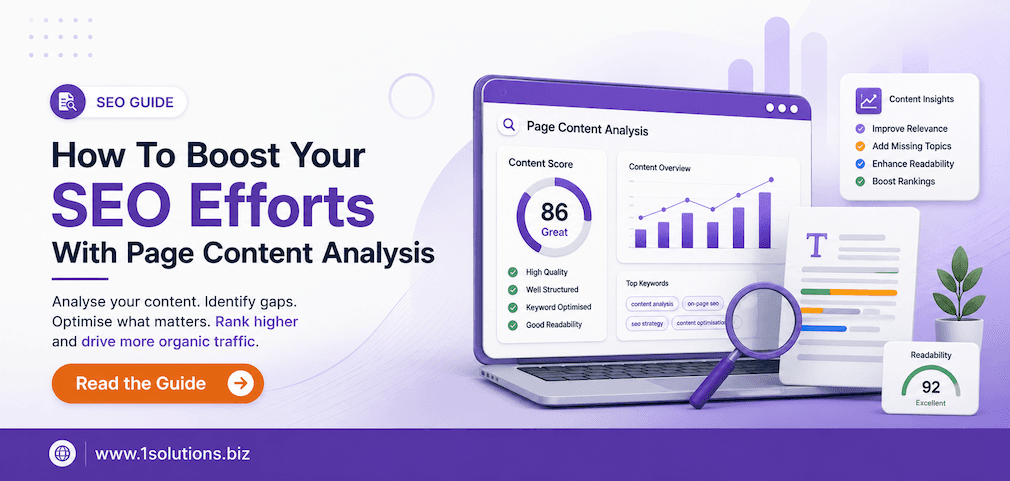
Place your primary keyword in the headline, the first paragraph, and at least one subheading. Distribute secondary keywords naturally throughout the body. Avoid stuffing, which harms readability and can trigger spam filters on distribution platforms. The goal is to write for humans first and optimize for search engines second. If you want to understand how page-level content affects keyword performance, read this guide on how to boost your SEO efforts with page content analysis. Keyword alignment from the very beginning ensures your press release has a fighting chance of appearing in both news and organic search results.
2. Write a Headline That Balances Newsworthiness and SEO
Your headline is the single most important element of your press release. It determines whether a journalist clicks through, whether a reader shares it, and whether a search engine indexes it prominently. A headline that is purely click-bait will fail with journalists. A headline that is purely SEO-focused will fail with human readers. The goal is to find a balance between the two.
Keep your headline under 110 characters so it displays fully in search engine results pages. Lead with the most important information. Include your primary keyword as close to the beginning as possible. Avoid vague phrases that could apply to anything. Specificity signals credibility.
For example, instead of “Company Announces New Product,” write “Company Launches AI-Powered Analytics Tool for Mid-Size Retailers.” The second version includes specific details that both search engines and journalists find useful. According to a CoSchedule Headline Analyzer study (2022), headlines that include numbers and specific benefits receive 36% more clicks than generic alternatives. Spend as much time crafting the headline as you do writing the first paragraph of your release. It is that important.
3. Use the Inverted Pyramid Structure to Front-Load Key Information
The inverted pyramid is the journalism standard for a reason. It places the most critical information at the top and progressively moves toward supporting details and background. This structure works exceptionally well for SEO because search engines crawl the beginning of your content first and assign more weight to early text.
Your opening paragraph should answer the five W’s: Who, What, When, Where, and Why. Everything that follows should expand on and support those core facts. This approach also improves user engagement metrics. When a reader finds the most important information immediately, they are more likely to continue reading and less likely to bounce.
Many press releases bury the key announcement three or four paragraphs in, behind lengthy context and background. This frustrates journalists and confuses search engines. Structure your release so that even someone reading only the first two sentences understands exactly what the announcement is and why it matters. Supporting details, quotes, and data should follow in descending order of importance. This approach also makes it easier for distribution platforms to generate accurate previews and meta snippets, which directly affects your click-through rates.
4. Optimize Your Meta Title and Meta Description for Distribution Platforms
When you submit a press release to distribution platforms like PR Newswire, Business Wire, or GlobeNewswire, those platforms generate individual web pages for your release. These pages are indexed by search engines and can rank independently for your target keywords. This means your meta title and meta description matter just as much as they do on your own website.
Most distribution platforms allow you to customize or influence the meta title and description. Treat this with the same attention you would give to any piece of web content. Your meta title should include the primary keyword and stay under 60 characters. Your meta description should summarize the announcement, include the keyword, and contain a subtle call to action that encourages clicks, all within 155 characters.
If you want a deeper understanding of how metadata affects discoverability across different content types, the article on Dublin Core meta tags and their SEO impact offers useful context. Treating your press release distribution pages as standalone SEO assets, rather than just syndication channels, significantly expands your visibility in organic search.
5. Include Strategic Hyperlinks to Maximize SEO Value
Hyperlinks inside a press release serve two purposes. First, they provide search engines with crawlable paths to your website, potentially passing link equity depending on the platform’s link attributes. Second, they give readers an easy path to learn more, which increases both engagement and qualified referral traffic.
Most SEO professionals recommend including two to three hyperlinks per press release. One should point to your homepage or a relevant landing page. One should point to a specific product, service, or content page directly related to the announcement. A third can point to a related resource that adds value for the reader.
Use descriptive, keyword-rich anchor text rather than generic phrases like “click here.” For example, anchor text like “our new digital marketing services” is far more valuable than “read more.” Be selective about the platforms you use. Some press release platforms use nofollow or sponsored link attributes, which limits direct link equity. Even so, the referral traffic and brand visibility from a well-placed link are worth including. Check that every link points to a live, relevant page before submitting your release.
6. Incorporate Multimedia Elements to Improve Engagement Signals
Press releases that include images, videos, or infographics consistently outperform text-only releases in terms of views, shares, and time on page. According to PR Newswire’s annual Visibility Report (2023), press releases with multimedia content receive up to 9.7 times more views than those without any visual elements. These engagement signals matter because search engines use behavioral data like bounce rate and time on page as indirect ranking factors.
When adding images, use descriptive, keyword-relevant file names and include alt text that accurately describes the visual. This helps search engines index your images and can generate additional visibility through image search. If you include a video, host it on a platform like YouTube and embed it within the release to capture search visibility on both platforms simultaneously.
Multimedia also increases the likelihood that journalists and bloggers will republish or link to your release, which generates additional backlinks. Think of each image or video as a content asset that can independently attract traffic. Even a simple branded graphic with key statistics from your announcement adds visual variety, improves readability, and gives distribution platforms richer content to display in their previews. Always ensure multimedia files are optimized for fast loading so they do not negatively affect page speed on the distribution platform’s page.
7. Distribute Through Platforms That Index Well in Google News
Not all press release distribution platforms are created equal from an SEO perspective. Some have strong domain authority and are trusted sources for Google News, which means press releases published on them have a higher probability of appearing in news carousels and search results. Selecting the right platform is a strategic decision, not just an administrative one.
Platforms with high domain authority and consistent Google News inclusion include PR Newswire, Business Wire, GlobeNewswire, and PRWeb. Each has different pricing structures and syndication networks, so evaluate them based on your goals. If Google News ranking is a priority for your release, review our breakdown of 5 key SEO strategies for Google News article ranking to understand what qualifies content for that placement.
Beyond the major platforms, consider industry-specific wire services and niche PR aggregators that reach your exact audience. A specialized platform in your vertical may deliver more qualified traffic than a generic high-volume service. Also, always publish the press release on your own website’s newsroom or blog section. This creates a permanent, crawlable version that you fully control and can optimize with additional schema markup, internal links, and on-page SEO elements that third-party platforms may not support.
8. Use Structured Data Markup to Help Search Engines Understand Your Release
Structured data, specifically Schema.org markup, gives search engines explicit context about the content on a page. For press releases published on your own website, adding Article or NewsArticle schema markup can improve how your content is displayed in search results. Rich results, including publication dates, author names, and article summaries, make your listing stand out in SERPs and increase click-through rates.
The most relevant schema types for press releases are NewsArticle, which signals that the content is a news-type publication, and Organization, which connects the announcement to your brand entity. Including datePublished and dateModified properties helps search engines determine the freshness of your content, which is especially important for news-related queries where recency is a ranking factor.
If you manage press releases through a CMS like WordPress, plugins such as Yoast SEO or Rank Math can automate structured data insertion. For custom-built sites, work with your development team to implement JSON-LD structured data directly in the page’s head section. While adding schema to third-party distribution platforms is not always possible, controlling it on your own newsroom page gives you a meaningful SEO advantage. Search engines are increasingly relying on structured data to understand content context, and press releases that leverage this signal gain incremental visibility over those that do not.
9. Build an Internal Linking Strategy Around Each Release
When you publish a press release on your own website, it becomes part of your site’s content architecture. That means it should not exist as an isolated page. Build internal links from the press release to relevant product pages, service pages, or blog posts. Equally important, add links from existing high-authority pages on your site back to the press release.
Internal linking distributes page authority across your site, helps search engines discover and index new content faster, and keeps visitors engaged by guiding them toward related resources. A press release announcing a new feature, for example, should link to the feature’s dedicated landing page, a related case study, and a relevant blog post. In return, the blog post and landing page should link back to the announcement where contextually relevant.
This strategy also reduces the risk of your press release being treated as a standalone, orphaned page by search engine crawlers. Orphaned pages, those with no internal links pointing to them, are crawled less frequently and rank less effectively. Understanding why certain pages get missed by Google’s crawler is essential for any content strategy. For a deeper look at crawling and indexation issues, review this resource on why Google is not indexing your page. A well-connected press release amplifies both its own visibility and the authority of the pages it links to.
10. Track Performance and Refine Your PR SEO Strategy Over Time
Publishing a press release is not the end of the process. Measuring performance and using that data to refine future releases is what separates brands that consistently grow their PR-driven traffic from those that see only occasional spikes. Set up tracking before you distribute each release so you can attribute results accurately.
Use UTM parameters in every link inside your press release. This allows Google Analytics to identify exactly how much traffic each release drives, which landing pages receive that traffic, and what actions visitors take after arriving. Track keyword rankings for the terms you targeted in the release using tools like Ahrefs or Semrush. Monitor backlinks generated by each release using the same tools to understand which publications picked up your story.
According to HubSpot’s Marketing Statistics Report (2023), companies that measure content performance and iterate based on data are 6 times more likely to achieve their marketing goals than those that do not. Review performance metrics two weeks and six weeks after each release. Look for patterns. Which headlines generated the most clicks? Which topics earned the most backlinks? Which distribution platforms delivered the best-qualified traffic? Use these insights to sharpen your keyword selection, headline formula, and distribution strategy for future releases. Over time, this feedback loop transforms press release publishing from a one-time announcement tactic into a compounding SEO asset.
Conclusion
Optimizing online press releases requires the same level of strategic thinking you apply to any SEO content campaign. From keyword research and headline crafting to structured data and performance tracking, each element plays a role in determining whether your release gets seen or gets ignored. The ten tips outlined in this article provide a clear, actionable framework you can apply to your very next release.
Press releases are not just for generating media coverage. They are SEO assets, link-building opportunities, and brand authority signals all rolled into one format. When you treat them that way, the results compound over time. Start with one or two of these optimizations on your next release and build from there. The investment in getting this right pays dividends long after the news cycle moves on.
Frequently Asked Questions
How many keywords should I include in an online press release?
Focus on one primary keyword and two to four secondary keywords per press release. Prioritize natural placement over keyword density. Your primary keyword should appear in the headline, the opening paragraph, and at least one subheading. Secondary keywords should appear where they fit contextually throughout the body of the release.
Do press release links actually help with SEO?
Links from high-authority press release distribution platforms can contribute to your backlink profile, though many platforms use nofollow attributes. The indirect SEO benefits, including referral traffic, brand mentions, and journalist discovery, are consistently valuable regardless of link attribute status. Always include links to relevant pages on your site within each release.
How long should an optimized press release be?
An effective press release is typically between 400 and 600 words. This length is enough to cover the essential details, include target keywords naturally, and maintain reader attention. Releases that exceed 800 words without strong justification tend to lose reader engagement and may be trimmed by distribution platforms during syndication.
Should I publish press releases on my own website?
Yes, always publish press releases on your own website’s newsroom or blog section in addition to third-party distribution platforms. Your own site gives you full control over on-page SEO elements, structured data, internal linking, and performance tracking. It also creates a permanent, authoritative version of the release that search engines can index and rank independently.
How often should a business publish press releases for SEO benefit?
There is no fixed frequency, but consistency matters more than volume. Publishing one well-optimized press release per significant announcement is more effective than publishing frequent low-quality releases. From a search engine perspective, a cadence of one to two meaningful press releases per month maintains a steady signal of activity and relevance without diluting the authority of each individual release.