













































































What is WordPress?
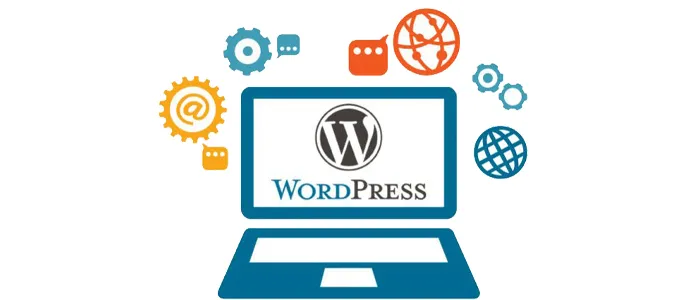
WordPress is a content management system (CMS) that enables you to create a website or blog from scratch or to improve an existing website. It’s a free and open-source platform that is used by millions of people around the world.
WordPress was started in 2003 by Matt Mullenweg and Mike Little as a simple blogging platform. Since then, it has evolved into a powerful CMS that is used by millions of websites and businesses around the world.
WordPress is free and open-source, which means anyone can use it and contribute to its development.
WordPress is easy to use and has a ton of features and plugins that make it even more powerful. You can get started with WordPress in just a few minutes, and you don’t need any technical skills or experience.
Why Use WordPress?

WordPress is used by millions of people around the world for a variety of reasons:
1. WordPress is free and open-source- You can use WordPress for free and access its source code. This makes it a great platform for learning and experimenting.
2. WordPress is easy to use- You can get started with WordPress in just a few minutes, even if you don’t have any technical skills or experience.
3. WordPress is powerful and flexible- WordPress is used by millions of websites and businesses around the world. It’s a powerful platform that can be customized to suit any need.
4. WordPress is supported by a large community- WordPress has a large community of users and developers who contribute to its development and support.
5. WordPress is always improving- WordPress is constantly being updated with new features and security enhancements.
If you’re looking for a powerful and easy-to-use website or blog platform, WordPress is a great choice.
Also Read: How to Fix ‘Upload: Failed to Write File to Disk Error in WordPress’
Top 10 WordPress Security Plugins
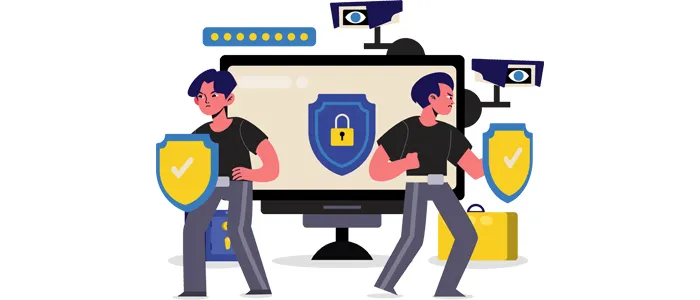
WordPress is a popular content management system (CMS) that helps you easily create and manage your website. Unfortunately, WordPress is also a popular target for hackers.
That’s why it’s important to make sure your WordPress site is as secure as possible. One way to do this is to use a security plugin.
Fortunately, there are a number of security plugins available and some of them are really good in securing WordPress from getting hacked.
In this article, we’ll share the top 10 WordPress security plugins that you can use to secure your website.
1. Wordfence Security:

When it comes to security for your WordPress site, Wordfence is the gold standard. Wordfence Security is a plugin that provides an unparalleled level of protection, making it the most comprehensive security solution available for WordPress.
With Wordfence Security, you get:
-Real-time malware scanning and anti-virus protection
-One-click malware removal
-A firewall that blocks malicious traffic
-Brute force protection
-Login security and two-factor authentication
-A community of millions of WordPress users who can help protect your site
There is no other security plugin that can match the comprehensive protection that Wordfence Security provides. If you’re serious about securing your WordPress site, then Wordfence Security is the plugin for you.
2. iThemes Security:

WordPress security is a major concern for any website owner. There are many ways to secure your WordPress site, but one of the most effective is by using a security plugin like iThemes Security.
iThemes Security is a WordPress security plugin that helps to secure your site by monitoring for changes, blocking malicious requests, and more.
One of the best features of iThemes Security is its ability to monitor for changes on your WordPress site. This helps to prevent any unauthorized changes from being made to your site.
Another great feature of iThemes Security is its ability to block malicious requests. This can help to protect your site from being hacked.
If you are looking for a WordPress security plugin, then iThemes Security is a great option.
3. All in one WP security and firewall:

All in one WP Security and firewall plugin is the ultimate security tool for WordPress. It offers a comprehensive set of features to secure your WordPress website from all kinds of attacks.
The plugin’s Web Application Firewall stops hackers before they can even attack your website. It monitors all incoming traffic and blocks malicious requests.
The user account and login security features protect your website from brute force attacks. It also allows you to set up two-factor authentication for extra security.
The file system security features protect your WordPress files from being hacked. It also allows you to set up file permissions so that only authorized users can access them.
The database security features protect your WordPress database from being hacked. It also allows you to set up a password recovery system in case you forget your password.
The malware scanner scans your website for malicious code and removes it.
The security hardening features make your WordPress website more secure by disabling some unneeded features and changing some default settings.
Some Features-
– Web Application Firewall to stop hackers before they attack
– User account and login security
– File system security
– Database security
– Malware scanner
– Security hardening
Also Read: Top 10 Speed Optimization WordPress Plugins
4. Sucuri Security:

The Sucuri Security WordPress plugin is a free security tool that helps you secure your website from malware and other threats.
It also includes a firewall to block malicious traffic, and a malware scanner to detect and remove malware from your site.
One of the most popular features of the Sucuri Security plugin is its ability to monitor and log file changes on your WordPress site.
This can be useful for detecting when someone has hacked your site and made changes to files, or for monitoring for changes made by a plugin or theme.
The Sucuri Security plugin is available for free from the WordPress plugin repository. You can also find it pre-installed on some WordPress hosting plans.
5. WP Antivirus site protection:

WP Antivirus site protection is a security plugin that provides website protection through multiple layers of security.
It uses an advanced heuristic algorithm that detects malicious code and blocks it before it can infect your site.
The plugin also includes a firewall that blocks suspicious traffic and protects your site from attacks.
WP Antivirus site protection is the perfect solution for protecting your WordPress site from malware and security threats.
The plugin is constantly updated with the latest security threats so you can be sure your site is always protected.
Also Read: What is Hotlinking and How to Implement Hotlink Protection in WordPress?
6. Clef Two – Factor Authentication:

Clef Two – Factor Authentication is a security measure that requires you to confirm your identity using two different factors in order to log in to your account.
The first factor is typically something you know, like a password, and the second factor is usually something you have, like a phone.
When you set up Two – Factor Authentication, you’ll choose how you want to receive your second factor.
For example, you can get a text message with a code, or use an app that generates codes.
If you lose your phone or can’t receive text messages, you can also set up a backup method, like getting a code from a friend or family member.
Two – Factor Authentication is the best way to protect your account from hackers.
If someone tries to log in to your account with your password, they’ll also need your phone in order to complete the login.
Without both factors, they won’t be able to access your account.
You can set up Two – Factor Authentication for your Clef account in the Security settings.
7. Google Authenticator:
Google Authenticator is a two-factor authentication app that provides an extra layer of security when logging in to your Google account. When you enable two-factor authentication, you’ll need to enter a code generated by the Google Authenticator app on your phone in addition to your password.
Here’s how to set up two-factor authentication with the Google Authenticator app:
1. Open the Google Authenticator app on your mobile device.
2. Tap the “+” sign in the bottom right corner.
3. Select “Scan barcode.” If you’re prompted to allow the Google Authenticator app to access your camera, tap “Allow.”
4. Hold your device up to the QR code on your computer screen and scan it.
5. Enter the six-digit code that appears in the Google Authenticator app.
6. Tap “Verify.”
You’ve now set up two-factor authentication for your Google account!
8. Brute force Login Protection:
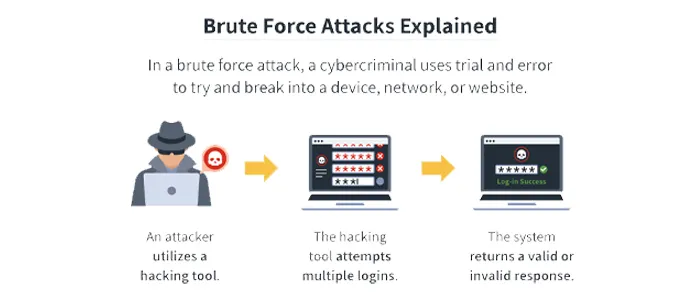
One of the most common attacks against WordPress websites is known as a brute force attack. This type of attack involves using a computer program to repeatedly guess the username and password for an account on your website.
If the attacker is able to successfully guess the login credentials, they will gain access to your website and can then do whatever they please, including deleting content, adding malicious code, or defacing your site.
Fortunately, there are a few things you can do to protect your website from brute force attacks.
One of the best ways to protect your WordPress website from brute force attacks is to use a plugin like Limit Login Attempts. This plugin will track the number of failed login attempts for each user and will temporarily block an account after a certain number of failed attempts.
Another way to protect your website from brute force attacks is to use a strong password for your WordPress account. A strong password should be at least 8 characters long and should contain a mix of upper and lowercase letters, numbers, and symbols.
You can also protect your website by hiding the WordPress login page. By default, the WordPress login page is located at /wp-login.php. However, you can change the URL of the login page by using a plugin like WPS Hide Login.
This will make it much more difficult for attackers to guess the URL of your login page and will help to protect your site from brute force attacks.
9. Bulletproof Security:

The Bulletproof Security Plugin is a must-have for any WordPress site. It offers a comprehensive security solution that covers everything from user authentication to malware protection.
With the Bulletproof Security Plugin, you can rest assured that your WordPress site is secure from hackers and other malicious users. The plugin includes a powerful firewall that blocks unwanted traffic, and it also offers a malware scanner that helps you identify and remove malicious code from your site.
In addition, the Bulletproof Security Plugin offers a user management system that allows you to control who has access to your site. You can also use the plugin to create custom roles and permissions for different users on your site.
Overall, the Bulletproof Security Plugin is an excellent choice for anyone who wants to secure their WordPress site. It offers a comprehensive security solution that covers all the bases, and it’s easy to use. If you’re looking for a plugin that will keep your WordPress site safe, the Bulletproof Security Plugin is a great option.
10. VaultPress:

The Vaultpress Plugin is a powerful security tool that helps you secure your WordPress site. It can help you block malicious code, protect against hacking attempts, and keep your site safe from attack.
The Vaultpress Plugin is a must-have for any WordPress site owner who wants to ensure their site’s security. This plugin is easy to use and setup, and it is constantly updated to keep up with the latest security threats.
The Vaultpress Plugin is available for free from the WordPress plugin repository.
In addition to the security features mentioned above, the Vaultpress Plugin also provides regular backups of your WordPress site. This can be extremely helpful if your site is ever hacked or attacked, as you will have a recent backup to restore from.
Take Away
We hope this article has helped you understand the importance of website security and some of the best WordPress security plugins available to help secure your site.
No matter what size your website is, it’s always important to take security seriously and make sure your site is as secure as possible.
If you have any questions or comments, consult with our WordPress Developer team.
And don’t forget to subscribe to our blog for more great WordPress tips and tutorials.








 in India