
















































































SEO is the process of optimizing a website for Google search with the goal of earning higher web traffic levels and improving the visibility of the site.
SEO is important because it can help a website earn more money through increased web traffic and higher conversion rates.
Additionally, SEO can also improve the user experience of a website by making it easier to navigate and find information.
We also offer affordable SEO packages starting at $350 per month, designed to boost your site’s visibility and revenue.
Here are the 15 most important SEO tips to rank #1 on Google:
1. Optimize your title tags

If you want your website to rank highly on search engines, then you need to pay close attention to your title tags. Your title tag is one of the most important ranking factors on Google, so it’s important to make sure that they’re unique and descriptive.
Include your target keyword in your title tags, and make sure that they’re relevant to the content on your website. By doing this, you can help improve your website’s search engine ranking and attract more visitors.
2. Optimize your meta tags

Meta tags are an important part of on-page optimization, and they should be accurate and include your target keyword. Meta tags are the snippets of text that appear in search engine results pages (SERPs) when someone searches for a particular term.
They give searchers an idea of what the page is about, and they can also influence click-through rates. In other words, if your meta tags are optimized, you’re more likely to get clicks from organic searches.
That’s why it’s important to make sure your meta tags are accurate and include your target keyword. If you’re not sure how to optimize your meta tags, there are several tools and resources that can help, such as Google’s Search Console.
So don’t overlook the importance of meta tags – make sure your pages are optimized for both search engines and users.
3. Use keyword-rich titles
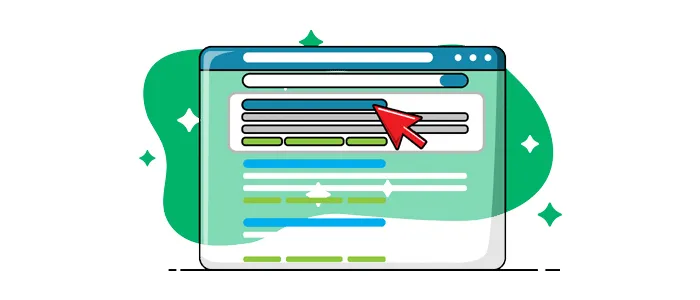
Anyone who has ever done a quick search on Google knows that the title of your content can make a big difference in terms of how easy it is to find.
For instance, let’s say you’re looking for an article on tips for writing better blog posts.
If the title of the article you’re looking for is “How to Write Better Blog Posts: 10 Tips to Get Started,” it’s likely that you’ll find what you’re looking for much more easily than if the title were simply “Blog Post Tips.”
The reason for this is that Google relies heavily on titles to understand what a piece of content is about and to determine where it should rank in search results.
Therefore, when creating titles for your content, it’s important to use your target keyword in the title. This will help Google understand what your content is about and rank it accordingly.
By following this simple tip, you can help ensure that your content is more visible to those who are searching for it.
4. Use keyword-rich descriptions
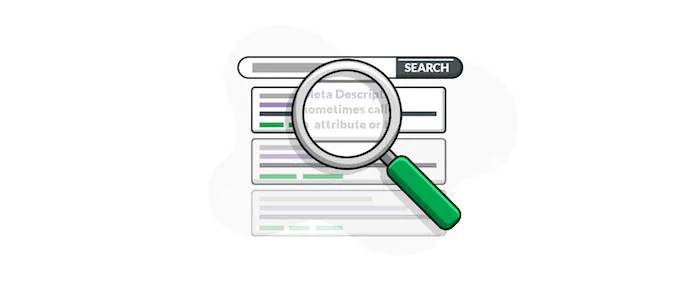
When it comes to optimizing your content for search engines, keywords are essential.
Not only should you use them in your title, but you should also incorporate them into your descriptions.
This helps Google understand what your content is about and gives it a better chance of ranking higher.
In addition to using keywords, you should also make sure that your descriptions are clear and concise.
A well-written description can help to entice readers to click on your article, even if it isn’t the first result in the search results.
So, next time you’re writing an article, be sure to include relevant keywords in both your title and your description.
Also Read: The Best Content Management Platform For SEO
5. Use keywords throughout your content
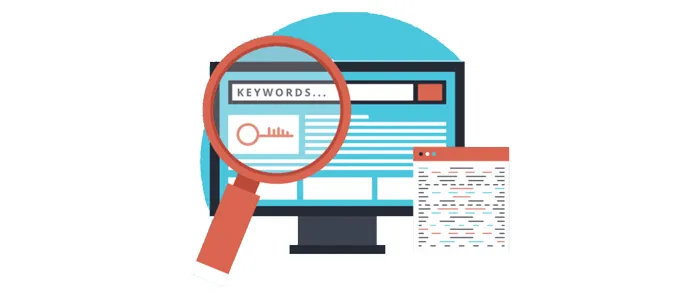
As any SEO expert will tell you, the key to achieving a high ranking on Google is to use the right keywords. But it’s not enough to simply use keywords in your titles and descriptions.
In order to really improve your search engine optimization, you need to use keywords throughout your content. Google gives more weight to keywords that appear in the body of your text, so it’s important to use them liberally.
Of course, you don’t want to overdo it or your content will sound stilted and unnatural. The key is to find a happy balance between using keywords too much and not enough.
With a little practice, you’ll be able to write keyword-rich content that sounds natural and flows smoothly.
6. Optimize your images

Any business that wants to succeed online needs to pay attention to search engine optimization.
Keywords are an important part of SEO, and they should be used throughout your website text.
However, don’t forget about your images!
Google uses image recognition to understand what’s in a photo, so including keywords in the file name and alt tag can help Google understand what your images are about.
As a result, you’ll be more likely to show up in image search results, and you may even get traffic from regular web searches.
So don’t forget about your images when you’re optimizing your site for SEO.
Include keywords in the file names and alt tags to help Google understand what they’re about.
7. Use internal links

When creating a website, one of the most important things to consider is how you will link your pages together.
This process, known as internal linking, is important for two reasons.
First, it helps Google understand the relationship between your pages.
Second, it helps users navigate your site. By understanding the connection between different pages on your site, Google is able to provide more relevant search results.
And by making it easy for users to find the information they need, you can keep them coming back.
When linking to other pages on your site, be sure to use keyword-rich anchor text.
This will help Google understand what the page is about and ensure that users are able to find what they’re looking for.
8. Use external links
Anchor text is the visible, clickable text in a hyperlink.
It’s important to use keywords in the anchor text of your external links for two reasons.
First, it helps Google understand the relationship between your site and other sites.
If you have a link to a site about ” SEO tips”, Google will know that your site is also about SEO.
Second, anchor text helps users find more information about your topic.
If you have a link to a site about “SEO tips,” a user who clicks on that link knows they will find more information about SEO.
Using keywords in anchor text is an easy way to help both Google and users find the information they’re looking for.
9. Optimize your URL structure

As any experienced SEO knows, the URL structure of a website can have a significant impact on its search engine ranking.
That’s why it’s important to choose URLs that are both short and descriptive. When possible, you should also include your target keyword in the URL.
This helps to signal to search engines what your website is about, making it more likely to show up in relevant searches.
Of course, choosing the right URL is only one part of a successful SEO strategy.
But it’s an important part of the puzzle, and one that should not be overlooked.
Also Read: How SEO can generate good qualified leads for your Business
10. Add supplementary content

Google and other search engines reward websites that provide high-quality, relevant content with higher rankings in their search results.
However, simply producing quality content is not enough to guarantee success.
In order to really maximize your website’s potential, it’s important to also include supplementary content such as images, videos, and infographics.
These types of content help Google understand the topic of your page and can also earn you more web traffic.
Including images, videos, and infographics along with your written content is a great way to improve your website’s visibility and attract more visitors.
11. Promote your content

Quality content is essential for any website that wants to rank well in the search engines.
However, simply publishing good content is not enough.
To ensure that your content is seen by as many people as possible, you need to promote it through social media, email marketing, and other channels.
By doing this, you will help more people see your content and link to it, which will give it a boost in the search rankings.
In addition, promoting your content through these channels will also help to build relationships with potential customers and establish your brand as an authority in your industry.
12. Monitor your analytics

Just as a carpenter needs to measure twice and cut once, a website owner needs to track analytics carefully in order to avoid wasted effort.
Constantly monitoring site performance helps identify areas that need improvement, so that changes can be made with a goal in mind.
It’s easy to get caught up in “vanity metrics” that don’t actually matter, such as pageviews or likes.
But at the end of the day, what really matters is whether your site is achieving its goals.
Whether you’re looking to increase sales, drive traffic to a brick-and-mortar store, or simply raise awareness about a cause, monitoring your analytics is the best way to ensure that your efforts are paying off.
13. Update Old Pages

One of the most important things to remember when trying to improve your website’s SEO is that content is still king.
While there are a variety of factors that go into ranking a website, the quality and quantity of the content is still one of the most important.
This is why updating old pages can be such an effective SEO strategy.
By adding new and relevant content, you can not only improve the quality of your site, but also signal to search engines that your site is active and worth indexing.
In addition, by including keywords in your new content, you can also help your page rank for those terms.
As a result, updating old pages with fresh content can be a highly effective way to improve your SEO.
14. Delete Zombie Pages
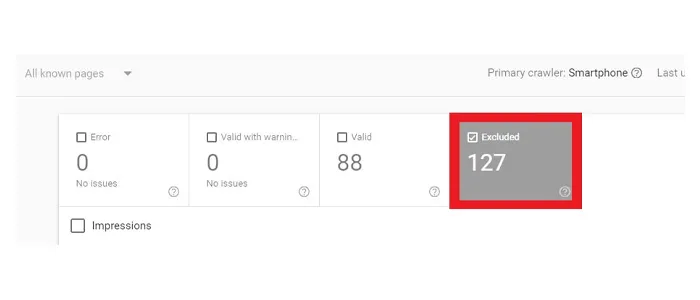
One of the most important aspects of SEO is making sure that your website is clean and efficient.
One way to do this is by deleting any zombie pages, or pages that don’t serve any purpose.
These pages can clutter up your site and confuse Google, which can ultimately hurt your ranking. In addition, they take up space on your server and can slow down your website.
If you’re not sure whether a page is a zombie page, ask yourself if it’s relevant to your site’s overall content and purpose.
If not, then it’s probably best to delete it.
By keeping your website clean and free of unnecessary pages, you can help improve your SEO and ensure that Google ranks your site higher.
Also Read: Why You Need A Long-Term SEO Strategy?
15. Speed Up Your Website

Google has stated that site speed is a ranking factor, so it’s important to make sure your site is as fast as possible.
One way to do this is by optimizing your images.
Make sure they are the right size and format, and compress them if necessary.
You should also minimize code and leverage caching wherever possible.
Additionally, make sure your server is configured properly and content is delivered quickly.
By taking these steps, you can help ensure that your site loads quickly and ranks higher in search results.
Final Words
Improving your website’s SEO can be a daunting task, but it’s worth the effort.
By following the tips in this article, you can help your site rank higher in search results and reach a wider audience.
And ultimately, that’s what SEO is all about.
If you need help with your SEO, contact a reputable SEO company.








 in India